stainless steel pinion gear types

Stainless Steel Pinion Gear Types
Stainless steel pinion gears are widely used in various industries due to their high strength, durability, and resistance to corrosion and wear. There are different types of stainless steel pinion gears available in the market, each with its unique properties and characteristics. This article will provide a detailed overview of the different types of stainless steel pinion gears, their applications, and maintenance.
Types of Stainless Steel Pinion Gears
Stainless steel pinion gears can be classified into different types based on their shape, size, and the number of teeth. The most common types of stainless steel pinion gears include:
- Spur Gears
- Helical Gears
- Bevel Gears
- Rack and Pinion Gears
Spur Gears
Spur gears are the most common type of stainless steel pinion gears used in various applications due to their simplicity, low cost, and high efficiency. They have teeth that are parallel to the axis of rotation, and they transmit power between parallel shafts. Spur gears are available in different sizes and materials to suit different applications and load requirements.
Helical Gears
Helical gears are similar to spur gears, but their teeth are angled to the axis of rotation, which makes them operate more smoothly and quietly. They are commonly used in high-speed applications and where noise reduction is critical. Helical gears can transmit power between parallel or non-parallel shafts, depending on the angle of the teeth.
Bevel Gears
Bevel gears transmit power between non-parallel shafts, and they are used in applications where the direction of rotation needs to be changed. They have conical-shaped teeth and come in different ratios and sizes. Bevel gears can be used in pairs to create a 90-degree angle between the input and output shafts.
Rack and Pinion Gears
Rack and pinion gears are used to convert rotational motion into linear motion. The pinion gear rotates and meshes with a straight-toothed rack, which moves in a straight line. They are commonly used in steering systems, elevators, and other applications where linear motion is required.
Stainless Steel Pinion Gear Applications
Stainless steel pinion gears are used in various industries, including:
- Automotive Industry
- Aerospace Industry
- Robotics
- Industrial Machinery
- Marine Engineering
Their high strength, durability, and resistance to corrosion and wear make them ideal for applications that require reliability and precision. For example, in the automotive industry, stainless steel pinion gears are used in steering systems, transmissions, and differentials. In the aerospace industry, they are used in landing gear systems, actuation systems, and instrumentation. In robotics, they are used in joints, actuators, and sensors. In industrial machinery, they are used in gearboxes, pumps, and compressors. In marine engineering, they are used in propulsion systems, steering systems, and winches.

Stainless Steel Pinion Gear Performance Characteristics
Stainless steel pinion gears have several performance characteristics that make them ideal for various applications. These characteristics include:
- High Strength
- Durability
- Resistance to Corrosion and Wear
- High Temperature Resistance
- Low Friction
These characteristics make stainless steel pinion gears suitable for applications that require high precision, reliability, and resistance to harsh environments. For example, in the automotive industry, stainless steel pinion gears are used in high-performance vehicles where durability and precision are critical. In the aerospace industry, they are used in aircraft landing gear systems where reliability and resistance to corrosion and wear are essential.

Selecting the Right Stainless Steel Pinion Gear
Selecting the right stainless steel pinion gear for your application involves several factors, including:
- Defining Your Application Requirements
- Choosing the Right Material
- Design Optimization
- Supplier and After-Sales Service
- Cost-Effectiveness
- Quality Control
Defining your application requirements involves understanding the load, speed, and environment in which the gear will operate. Choosing the right material involves considering the chemical composition, mechanical properties, and cost of different materials. Design optimization involves ensuring that the gear is designed to meet the requirements of the application while minimizing cost and weight. Supplier and after-sales service involve choosing a reputable supplier who can provide technical support and after-sales service. Cost-effectiveness involves balancing the cost of the gear with its performance and durability. Quality control involves ensuring that the gear meets the required quality standards and specifications.

Stainless Steel Pinion Gear Maintenance
Maintaining stainless steel pinion gears involves several steps, including:
- Regular Equipment Inspection
- Cleaning and Anti-Corrosion Treatment
- Lubrication and Maintenance
- Replacing Worn Parts
- Improvement and Upgrades
Regular equipment inspection involves checking the gear for signs of wear, damage, and corrosion. Cleaning and anti-corrosion treatment involve removing dirt, dust, and debris from the gear and applying a protective coating to prevent corrosion. Lubrication and maintenance involve ensuring that the gear is properly lubricated and maintained to prevent wear and prolong its life. Replacing worn parts involves replacing parts that are damaged or worn out. Improvement and upgrades involve upgrading the gear to improve its performance, reliability, and efficiency.
Why Choose Ever Power
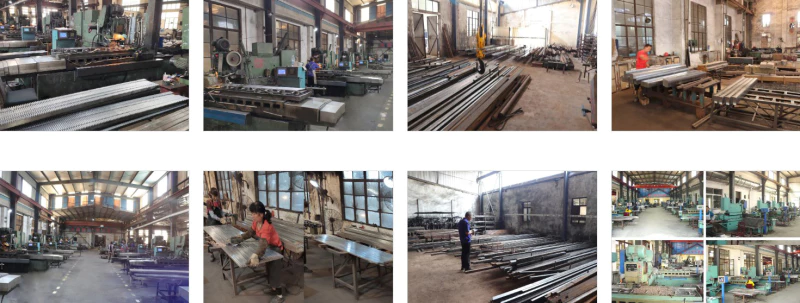
Ever Power is a professional manufacturer and supplier of stainless steel pinion gears. Our products are widely used in various industries due to their high quality, reliability, and performance. Here are some reasons to choose Ever Power:
- High-Quality Products: Our products are made from high-quality materials and undergo strict quality control to ensure that they meet the required specifications and standards.
- Customization: We offer customized solutions to meet the specific requirements of our customers.
- Competitive Pricing: We offer competitive pricing to ensure that our customers get the best value for their money.
- Technical Support: We provide technical support to help our customers choose the right product for their application and to solve any technical problems they may encounter.
- Customer Service: We provide excellent customer service to ensure that our customers are satisfied with their purchase and to address any concerns they may have.
Q&A
Q1: What is a pinion gear?
A pinion gear is a small gear that meshes with a larger gear called a ring gear to transmit power between two shafts.
Q2: What is the most common type of stainless steel pinion gear?
The most common type of stainless steel pinion gear is the spur gear.
Q3: What industries use stainless steel pinion gears?
Stainless steel pinion gears are used in various industries, including automotive, aerospace, robotics, industrial machinery, and marine engineering.
Q4: How do you select the right stainless steel pinion gear?
Selecting the right stainless steel pinion gear involves defining your application requirements, choosing the right material, design optimization, supplier and after-sales service, cost-effectiveness, and quality control.
Q5: How do you maintain stainless steel pinion gears?
Maintaining stainless steel pinion gears involves regular equipment inspection, cleaning and anti-corrosion treatment, lubrication and maintenance, replacing worn parts, and improvement and upgrades.
Author: Dream