helical gear rack drawbacks

Helical Gear Rack Drawbacks
In the field of mechanical engineering, helical gear racks are widely used for transmitting rotational motion into linear motion. However, like any other mechanical component, helical gear racks have their drawbacks that need to be considered. In this article, we will explore some of the drawbacks associated with helical gear racks and their relationship with Helical gear racks.
Drawbacks of Helical Gear Racks
One of the main drawbacks of helical gear racks is the issue of axial thrust. Due to the helical nature of the teeth, helical gear racks tend to generate axial thrust during operation. This axial thrust can lead to increased wear and tear on the gear rack and the mating gear, reducing their lifespan. Additionally, the axial thrust can cause undesirable vibrations and noise, impacting the overall performance of the system.
Another drawback of helical gear racks is their lower efficiency compared to other types of gear racks. The helical teeth engagement results in a sliding motion between the teeth, leading to higher friction and energy losses. This lower efficiency can be a critical factor in applications where power consumption is a concern.
Furthermore, helical gear racks are more complex to manufacture and assemble compared to straight gear racks. The helical teeth require precise machining and alignment, increasing the production cost and time. Additionally, the assembly process becomes more intricate, requiring skilled technicians for proper installation.
Despite these drawbacks, helical gear racks offer advantages in specific applications. Their ability to handle high loads and transmit motion smoothly makes them suitable for various industries such as automation, CNC machines, automotive, heavy machinery, and aerospace.
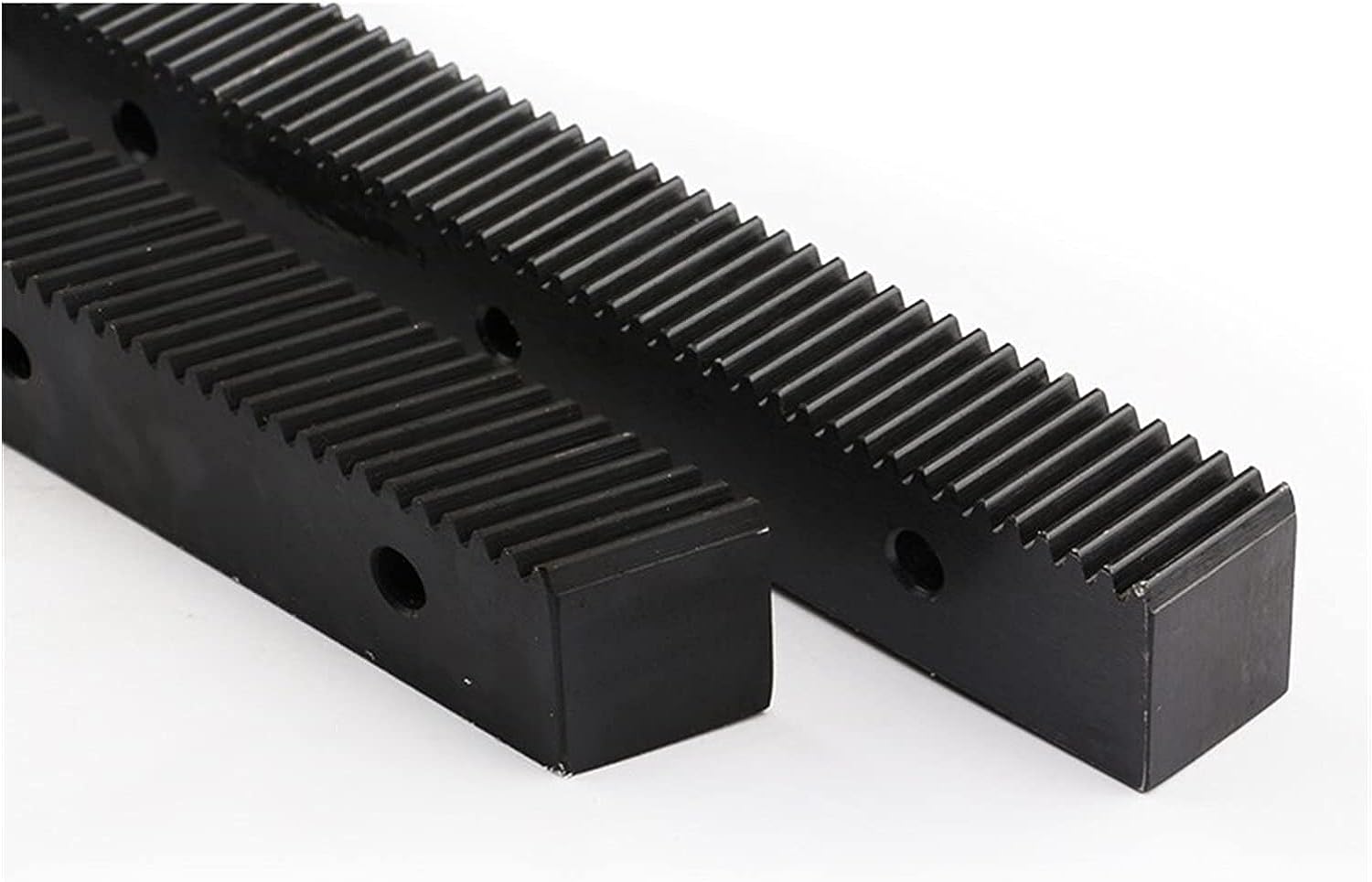
Performance Characteristics of Helical Gear Racks
When it comes to performance, helical gear racks exhibit several key characteristics:
- High Load Capacity: Helical gear racks can handle heavy loads due to their tooth engagement.
- Smooth Operation: The helical teeth engagement allows for smooth and quiet motion transmission.
- Wide Speed Range: Helical gear racks can operate at different speeds, making them versatile in various applications.
- Excellent Precision: The helical tooth profile ensures accurate positioning and minimal backlash.
- Durable and Reliable: With proper maintenance, helical gear racks can have a long lifespan and high reliability.
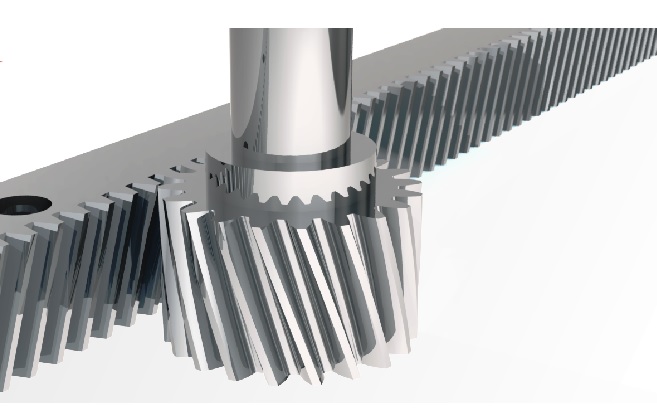
Types of Helical Gear Racks and Their Advantages
Helical gear racks come in various types based on the tooth profile, material composition, and manufacturing methods. Some common types include:
- Steel Helical Gear Racks: These racks offer high strength, durability, and resistance to wear.
- Plastic Helical Gear Racks: Plastic racks are lightweight and possess self-lubricating properties, reducing friction and noise.
- Stainless Steel Helical Gear Racks: Stainless steel racks provide excellent corrosion resistance, making them suitable for harsh environments.
Each type of helical gear rack has its advantages, allowing engineers to choose the most appropriate one for their specific application.
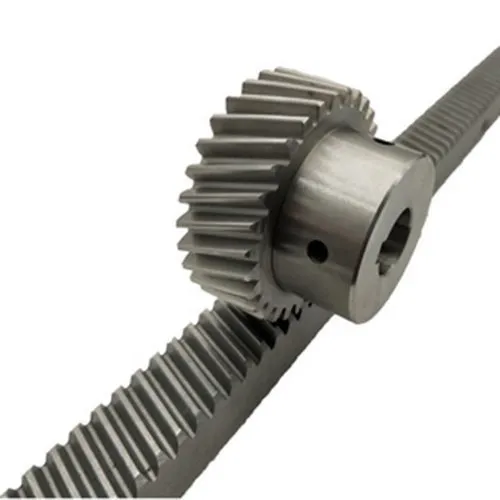
Applications of Helical Gear Racks
Helical gear racks find extensive use in various industries to showcase their value and importance:
- Automation Equipment: Helical gear racks are integral to precise and efficient movement in automated systems.
- CNC Machines: These racks ensure accurate and controlled linear motion in CNC machines.
- Automotive Industry: Helical gear racks play a crucial role in power steering systems and transmission mechanisms.
- Heavy Machinery: Construction equipment and mining machinery rely on helical gear racks for robust and reliable motion transmission.
- Aerospace: Helical gear racks are used in aircraft landing gear systems and wing flaps adjustment.
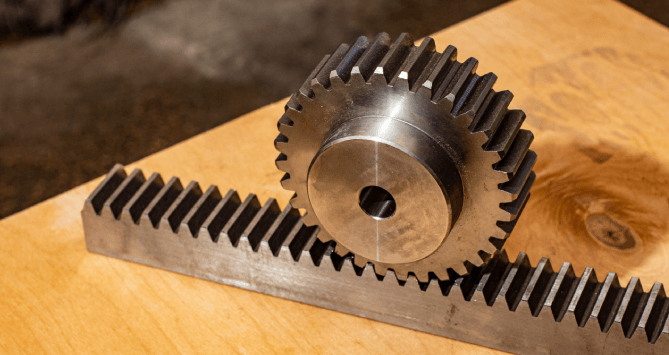
Future Trends and Opportunities for Helical Gear Racks
The future development of helical gear rack products presents several trends and opportunities:
- Advancement in Materials: The use of advanced materials can improve the strength, durability, and performance of helical gear racks.
- Enhanced Manufacturing Techniques: Innovations in manufacturing processes can lead to higher precision and lower production costs.
- Integration of Smart Technologies: The incorporation of sensors and monitoring systems can provide real-time feedback for predictive maintenance and performance optimization.
- Increased Automation: With the rise of automation, the demand for reliable and efficient helical gear racks will continue to grow.
- Sustainable Solutions: Developing environmentally friendly materials and manufacturing methods can contribute to a greener future for helical gear rack production.
Choosing the Right Helical Gear Rack
When selecting the appropriate helical gear rack, several factors need to be considered:
- Clear Requirements: Define the specific application requirements, such as load capacity, speed range, and precision.
- Material Selection: Choose a material that suits the environmental conditions and load demands of the application.
- Design Optimization: Optimize the gear rack design to maximize efficiency and minimize noise and vibration.
- Supplier and After-Sales Service: Select a reputable supplier that provides quality products and reliable after-sales support.
- Cost-Effectiveness: Consider both the initial cost and the long-term cost of ownership, including maintenance and replacement.
- Quality Control: Ensure the gear rack undergoes rigorous quality control measures to guarantee its performance and longevity.
Maintenance of Helical Gear Racks
To ensure the optimal performance and longevity of helical gear racks, regular maintenance is essential. Some key maintenance practices include:
- Periodic Equipment Inspection: Regularly inspect the gear rack and mating gear for any signs of wear, misalignment, or damage.
- Cleaning and Corrosion Protection: Keep the gear rack and mating gear clean and apply appropriate anti-corrosion measures to prevent degradation.
- Lubrication and Lubricant Selection: Properly lubricate the gear rack to minimize friction and wear, selecting the right lubricant for the specific application.
- Replacement of Worn Parts: Monitor the condition of the gear rack and replace any worn or damaged components to maintain optimal performance.
- Improvement and Upgrades: Continuously seek opportunities for design improvements and upgrades to enhance the gear rack’s performance and efficiency.
Why Choose Ever Power?
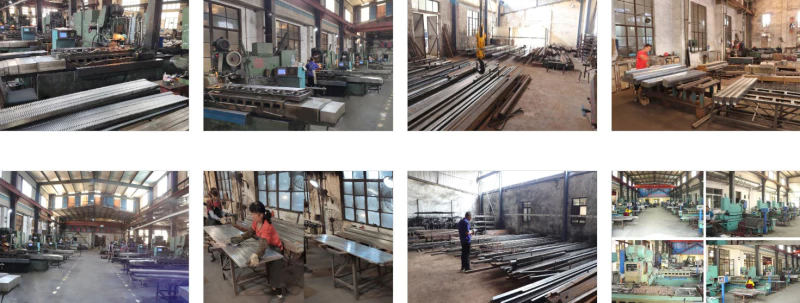
Choosing the right supplier for your helical gear rack needs is crucial. At Ever Power, we specialize in the production and sale of high-quality helical gear racks. Here’s why you should consider partnering with us:
- Exceptional Quality: Our gear racks are manufactured to the highest standards, ensuring durability and reliability in various applications.
- Extensive Product Range: We offer a wide range of helical gear racks to suit different load capacities and application requirements.
- Customization Options: Our team can provide tailored solutions to meet your specific needs, including material selection, tooth profile optimization, and dimensions.
- Quick Response: We prioritize customer satisfaction and respond promptly to inquiries, providing efficient and professional service.
- Competitive Pricing: We offer competitive prices without compromising on product quality, ensuring excellent value for your investment.
Q&A
- Q: Can helical gear racks be used in high-speed applications?
- A: Yes, helical gear racks can operate at high speeds, but it’s essential to consider factors such as tooth profile optimization and lubrication to minimize noise and wear.
- Q: What maintenance practices can prolong the lifespan of helical gear racks?
- A: Regular cleaning, proper lubrication, and timely replacement of worn components can significantly extend the lifespan of helical gear racks.
- Q: Are helical gear racks suitable for heavy-duty applications?
- A: Yes, helical gear racks are known for their ability to handle high loads, making them suitable for heavy-duty applications in industries such as construction and mining.
- Q: Can Ever Power provide customized helical gear racks?
- A: Absolutely! Ever Power offers customization options to meet specific application requirements, ensuring the perfect fit for your needs.
- Q: What sets Ever Power apart from other gear rack suppliers?
- A: Ever Power stands out with its exceptional product quality, extensive range, responsive customer service, competitive pricing, and ability to provide tailored solutions.
Author: Dream