gear pump manufacturers

Gear Pump Manufacturers and Their Relationship with Gear Pumps
Gear pumps are positive displacement pumps that transfer fluids by trapping a fixed amount of fluid in the pump’s gear teeth and then forcing that trapped fluid into the pump’s discharge port. Gear pumps are commonly used in a wide range of industries, including automotive, agriculture, pharmaceuticals, food processing, and marine engineering. For these industries to access gear pumps, they require gear pump manufacturers who produce and supply gear pumps in various types, sizes, and materials.
Commercial Relationship between Gear Pump Manufacturers and Gear Pumps
Gear pump manufacturers are responsible for producing and supplying gear pumps to industries that require them. They manufacture gear pumps of different types, including external gear pumps, internal gear pumps, and gerotor pumps. Gear pumps can be made of various materials, including cast iron, steel, bronze, and plastic. Industries that require gear pumps often depend on gear pump manufacturers to supply them with high-quality gear pumps that meet their specific needs.

Performance Characteristics of Gear Pumps
- Efficient Performance: Gear pumps have a high volumetric efficiency and can handle a wide range of fluid viscosities.
- Reliable Operation: Gear pumps have a simple design, are easy to maintain, and have a long service life.
- Low Noise: Gear pumps produce less noise compared to other types of pumps, making them ideal for noise-sensitive areas.
- Self-Priming: Gear pumps can self-prime, which means they can start pumping fluid without the need for priming.
- Accurate Flow: Gear pumps can provide a constant and steady flow rate, making them suitable for precise fluid transfer applications.
Types of Gear Pumps and Their Characteristics
Gear pumps come in different types, and each has its unique characteristics that make it suitable for specific applications.
- External Gear Pumps: External gear pumps have two interlocking gears that rotate in opposite directions, creating a vacuum that draws fluid into the pump. They are ideal for high-pressure and high-viscosity applications.
- Internal Gear Pumps: Internal gear pumps have a rotor and an idler gear that rotate in the same direction. The rotor gear traps fluid in the chamber and then forces it into the discharge outlet. They are ideal for low-pressure and high-temperature applications.
- Gerotor Pumps: Gerotor pumps have an inner and outer rotor that rotate in opposite directions to draw fluid into the pump. They are ideal for low-viscosity fluids and low-pressure applications.
The choice of gear pump depends on the specific needs of the industry. The material used in gear pump manufacturing also plays a crucial role in determining the type of gear pump to use. For instance, cast iron gear pumps are common in high-pressure applications, while bronze gear pumps are used in marine applications due to their corrosion resistance properties.

Applications of Gear Pumps in Various Industries
Gear pumps are versatile and can be used in different industries to perform various fluid transfer applications. Some of the industries that use gear pumps include:
- Automotive: Gear pumps are used in automotive applications such as power steering systems, oil pumps, and fuel injection systems.
- Agriculture: Gear pumps are used in agriculture applications such as spraying, irrigation, and fertilization systems.
- Pharmaceuticals: Gear pumps are used in pharmaceutical applications such as drug delivery systems, metering pumps, and fluid transfer systems.
- Food Processing: Gear pumps are used in food processing applications such as beverage dispensing, filling machines, and chocolate processing.
- Marine Engineering: Gear pumps are used in marine engineering applications such as oil transfer systems, bilge pumps, and fuel transfer systems.
The Future of Gear Pump Products: Trends and Opportunities
The gear pump industry is expected to grow as more industries adopt fluid transfer applications. The following are some of the trends and opportunities in the gear pump industry:
- The demand for gear pumps that can handle higher fluid viscosities and pressures is increasing.
- The use of gear pumps in renewable energy applications such as wind turbines and solar power systems is expected to grow.
- The use of advanced materials such as composites and alloys in gear pump manufacturing is expected to increase the durability and lifespan of gear pumps.
How to Select the Right Gear Pump
Selecting the right gear pump involves several factors, including:
- Clearly defining the fluid transfer requirements: This involves determining the type of fluid, the flow rate, and the viscosity of the fluid.
- Choosing the right material: The material used in gear pump manufacturing should be compatible with the fluid being transferred to prevent corrosion and wear.
- Optimizing the design: The gear pump should be designed to meet the specific fluid transfer requirements, ensuring maximum efficiency and performance.
- Choosing a reputable supplier: The supplier should have a track record of supplying high-quality gear pumps that meet industry standards.
- Evaluating cost-effectiveness: The gear pump should provide value for money and be cost-effective in the long run.
- Ensuring quality control: The gear pump should undergo rigorous testing and quality control procedures to ensure it meets industry standards.

Gear Pump Maintenance
Maintaining gear pumps is crucial to ensuring their longevity and optimal performance. Some maintenance tips include:
- Regular equipment checks: Gear pumps should be checked regularly to identify any worn-out or damaged parts that need replacement.
- Cleaning and anti-corrosion: Gear pumps should be cleaned and treated with anti-corrosion solutions to prevent wear and tear.
- Lubrication and upkeep: Gear pumps should be lubricated and well-maintained to ensure optimal performance and prevent damage.
- Part replacements: Worn-out or damaged parts should be replaced promptly to prevent further damage and ensure optimal performance.
- Upgrades and improvements: Gear pumps should be upgraded or improved to meet changing fluid transfer needs and improve performance.
Why Choose Us
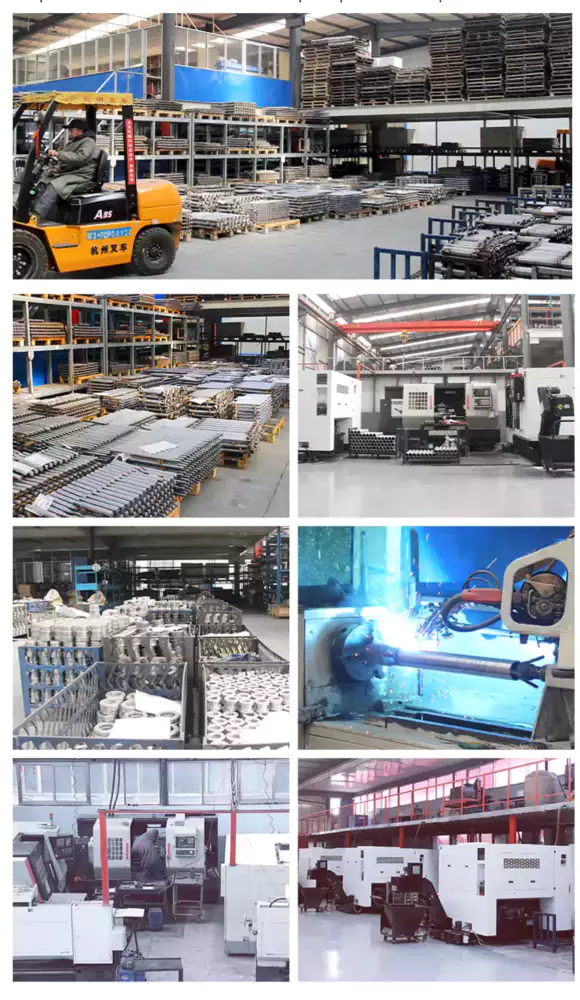
As a leading gear pump manufacturer, we are committed to providing high-quality gear pumps that meet our clients’ specific needs. Our gear pumps come with several advantages, including:
- Durable and long-lasting: Our gear pumps are made of high-quality materials that guarantee longevity and optimal performance.
- Customizable: We offer customized gear pumps to meet our clients’ specific fluid transfer needs.
- Highly efficient: Our gear pumps are designed to deliver high volumetric efficiency and accurate flow rates.
- Affordable: Our gear pumps are competitively priced and offer value for money.
- Excellent customer support: We offer exceptional customer support, including technical assistance and after-sales services.
Q&A
- What is a gear pump? A gear pump is a positive displacement pump that transfers fluids by trapping a fixed amount of fluid in the pump’s gear teeth and then forcing that trapped fluid into the pump’s discharge port.
- What are the performance characteristics of gear pumps? Gear pumps have several performance characteristics, including efficient performance, reliable operation, low noise, self-priming, and accurate flow.
- What are the types of gear pumps? Gear pumps come in different types, including external gear pumps, internal gear pumps, and gerotor pumps.
- What are the applications of gear pumps? Gear pumps are used in various industries such as automotive, agriculture, pharmaceuticals, food processing, and marine engineering to perform fluid transfer applications.
- How do you select the right gear pump? Selecting the right gear pump involves several factors, including clearly defining the fluid transfer requirements, choosing the right material, optimizing the design, choosing a reputable supplier, evaluating cost-effectiveness, and ensuring quality control.
In conclusion, gear pump manufacturers play a critical role in supplying gear pumps to industries that require them. Industries in turn rely on gear pumps to perform various fluid transfer applications, giving gear pumps an essential role in modern industrial applications.
Author: Dream