gear pump installation

Gear Pump Installation and its Relationship with Gear Pump
Gear pump installation is the process of properly installing gear pumps in various industries. Gear pumps are positive displacement pumps that transfer fluids by using intermeshing gears to push the fluid through the pump. They are used in a variety of industries, including automotive, agriculture, pharmaceuticals, and food processing. Proper installation of gear pumps is critical to ensure optimal performance and longevity.
Informational Relationship Between Gear Pump Installation and Gear Pump
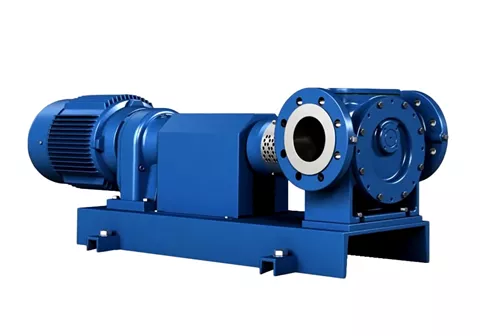
Gear pumps are designed for various applications, and proper installation is essential to ensure their optimal performance. The installation process involves ensuring that the pump is correctly aligned with the motor and shaft, ensuring that the pump’s inlet and outlet are connected to the proper pipes, and ensuring that the pump is properly lubricated. Proper installation can reduce the risk of pump failure, leaks, and other performance issues.
Gear Pump Performance Features
Gear pumps have various performance features that make them ideal for certain applications. Here are a few of those features:
- High efficiency: Gear pumps have a high volumetric efficiency, which means they can transfer more fluid with less power.
- High pressure: Gear pumps can generate high pressure, which makes them ideal for applications that require high-pressure fluid transfer.
- Low noise: Gear pumps operate at lower noise levels compared to other pumps.
- Easy maintenance: Gear pumps are relatively simple and easy to maintain, reducing downtime and maintenance cost.
- Compact size: Gear pumps have a compact design, making them ideal for applications where space is limited.
Types of Gear Pumps and their Characteristics
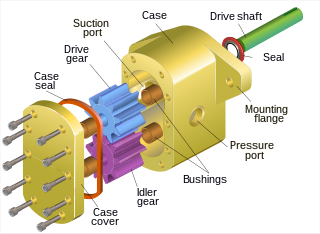
There are various types of gear pumps, including internal gear pumps, external gear pumps, and circumferential piston pumps. Each type has its characteristics that make it suitable for certain applications. For example, internal gear pumps are suitable for handling viscous fluids, while external gear pumps are ideal for low viscosity fluids. Circumferential piston pumps are suitable for high-pressure applications. Additionally, gear pumps can be made of various materials, including cast iron, bronze, stainless steel, and plastic. Different materials provide specific advantages, such as cast iron’s ability to handle high temperatures and corrosive fluids, while bronze is ideal for handling seawater.
Applications of Gear Pump in Various Industries
Gear pumps are used in various industries, including automotive, agriculture, pharmaceuticals, food processing, and marine engineering. Here are a few examples of their applications in each industry:
Automotive:
- Oil pumps
- Fuel injection pumps
- Transmission pumps
Agriculture:
- Sprayer pumps
- Irrigation pumps
- Fertilizer pumps
Pharmaceuticals:
- Cream pumps
- Syrup pumps
- Perfume pumps
Food Processing:
- Chocolate pumps
- Molasses pumps
- Syrup pumps
Marine Engineering:
- Bilge pumps
- Cooling water pumps
- Firefighting pumps
Future Development Trends and Opportunities for Gear Pump Products
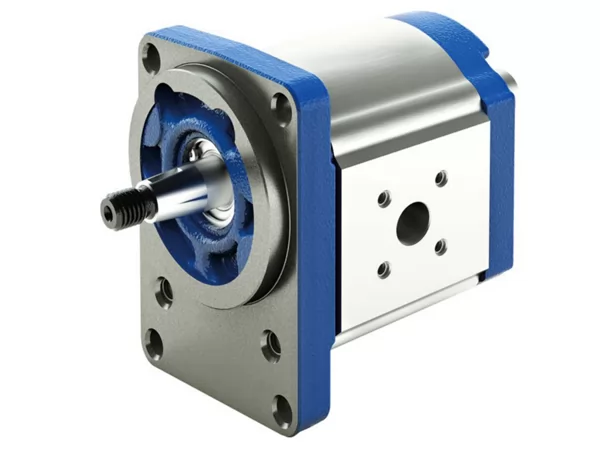
The gear pump market is expected to grow in the coming years, primarily because of increasing demand from various industries, such as automotive, agriculture, and food processing. The demand for gear pumps is driven by the need for efficient fluid transfer. Additionally, advancements in technology, such as the development of smart gear pumps, are expected to provide more significant opportunities for gear pump manufacturers. It is recommended that gear pump manufacturers focus on developing more efficient and cost-effective gear pumps to maintain their competitiveness in the market.
How to Choose the Right Gear Pump
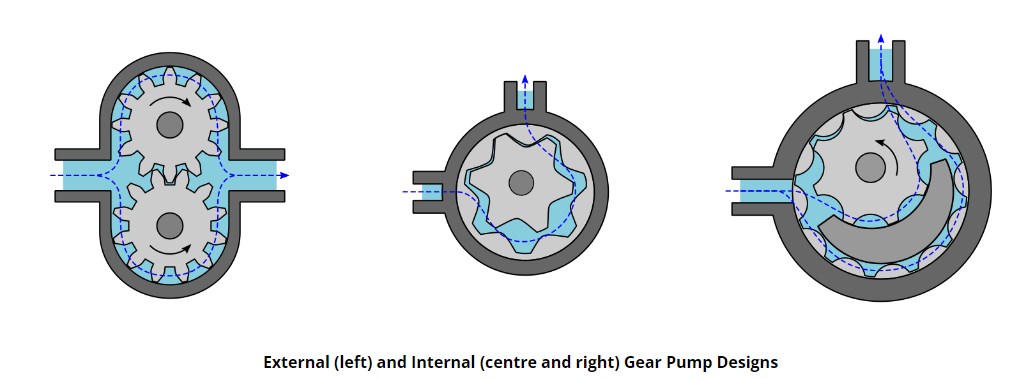
Choosing the right gear pump involves several factors, such as:
- Clear requirements: Clearly define the application requirements, such as flow rate, pressure, and fluid viscosity.
- Material selection: Select the appropriate material based on the fluid properties, temperature, and corrosion resistance
- Design optimization: Optimize the pump design to ensure efficient fluid transfer and reduce energy consumption.
- Supplier and after-sales service: Choose a reliable supplier that can provide quality products and excellent after-sales service.
- Cost-effectiveness: Consider the total lifecycle cost, including initial cost, maintenance, and energy consumption.
- Quality control: Ensure that the gear pump meets the required quality standards.
Gear Pump Maintenance
Maintaining gear pumps is essential to ensure optimal performance and longevity. Here are a few maintenance tips:
- Regular equipment inspection: Regularly inspect the pump for leaks, wear, and damage.
- Cleaning and corrosion prevention: Clean and protect the pump from corrosion to prevent damage and extend its lifespan.
- Lubrication and upkeep: Properly lubricate and maintain the pump to ensure its optimal performance.
- Replace worn parts: Replace worn parts to prevent pump failure and improve performance.
- Improvement and upgrading: Continuously improve and upgrade the pump to enhance its efficiency and effectiveness.
Why Choose Us?
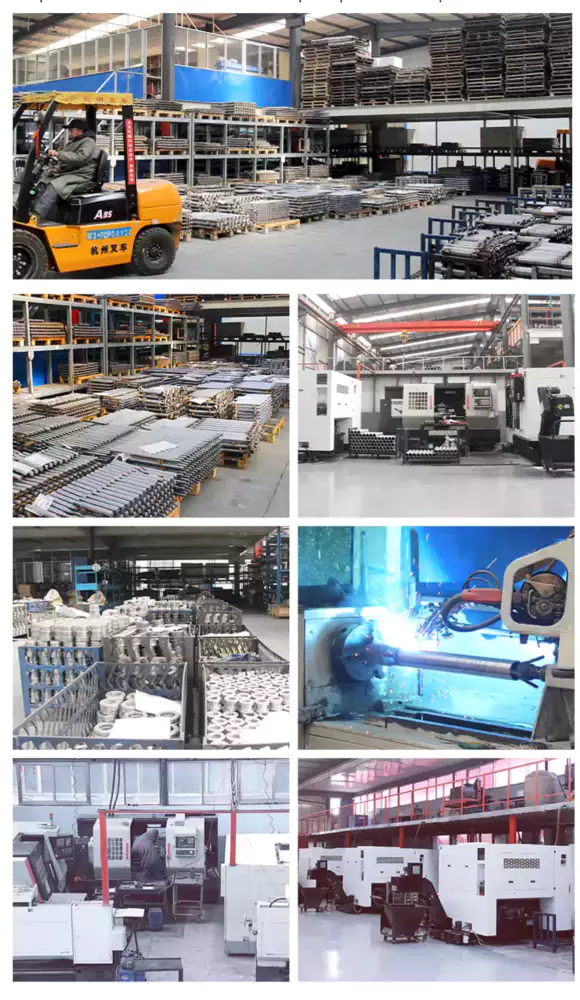
We are a professional manufacturer and supplier of gear pumps in the industry, providing high-quality and reliable products to our customers. Our products are designed and manufactured using the latest technology and materials, ensuring superior performance and durability. Here are a few of our product and company advantages:
- High-quality products: We provide high-quality gear pumps that meet and exceed industry standards.
- Customization: We offer customized solutions tailored to meet specific customer needs.
- Professional team: Our team of experts has extensive industry experience and knowledge, ensuring excellent product quality and customer service.
- Competitive pricing: We offer competitive pricing without compromising on product quality and performance.
- Excellent after-sales service: We offer excellent after-sales service, including maintenance, repair, and replacement services.
Q&A
Q: What is a gear pump?
A: A gear pump is a type of positive displacement pump that uses intermeshing gears to transfer fluid.
Q: What are the advantages of gear pumps?
A: Gear pumps have various advantages, including high efficiency, high pressure, low noise, easy maintenance, and compact size.
Q: What are the different types of gear pumps?
A: The different types of gear pumps include internal gear pumps, external gear pumps, and circumferential piston pumps.
Q: What are the applications of gear pumps?
A: Gear pumps are used in various industries, including automotive, agriculture, pharmaceuticals, food processing, and marine engineering.
Q: How do I choose the right gear pump?
A: Choosing the right gear pump involves several factors, such as clear requirements, material selection, design optimization, supplier and after-sales service, cost-effectiveness, and quality control.
Author: Dream