gear pump troubleshooting

Gear Pump Troubleshooting and its Relationship with Gear Pump
A gear pump is a type of positive displacement pump that transfers fluid by trapping a fixed amount of liquid and forcing it through the pump’s outlet. While gear pumps are generally reliable, they can still experience issues or malfunction. Gear pump troubleshooting is the process of identifying and resolving any issues or malfunctions that may arise with a gear pump.
Gear Pump Troubleshooting
Gear pump troubleshooting is essential for ensuring the smooth operation of gear pumps. The following are some common gear pump issues:
1. Cavitation
Cavitation is a common problem in gear pumps, and it occurs when the fluid vaporizes, causing noise, vibration, and damage to the pump. The best way to prevent cavitation is to ensure that the pump is adequately primed, that the pump’s inlet pressure is always greater than the vapor pressure of the fluid, and that the pump speed does not exceed the recommended maximum.
2. Leakage
Leakage can occur due to worn-out seals or damaged pump components. The best way to prevent leakage is to monitor the pump for any signs of wear or damage, and replace any worn out or damaged parts immediately.
3. Overheating
Overheating can occur if the pump is running too hot or if the pump’s cooling system is not working correctly. To prevent overheating, ensure that the pump is not overloaded, and that the cooling system is functioning correctly.
Gear pump troubleshooting is essential because it helps to ensure that a gear pump is working correctly and prevents costly downtime due to unexpected pump failures.

Gear Pump Types and Characteristics
Gear pumps come in various types, including external gear, internal gear, and gerotor pumps. Each type has unique characteristics that make them suitable for different applications.
External Gear Pumps
External gear pumps are the most common type of gear pump. They consist of two gears meshing together and transferring fluid along the pump’s casing. External gear pumps are suitable for low to medium pressure applications and can handle viscous fluids.
Internal Gear Pumps
Internal gear pumps are similar to external gear pumps, but the gears are arranged differently. They are ideal for applications that require high-pressure and high-viscosity fluids.
Gerotor Pumps
Gerotor pumps are a type of positive displacement pump that transfers fluid by the rotation of an outer rotor around a fixed inner rotor. They are suitable for low-pressure and low-viscosity applications.
Gear pumps can be made of different materials, including brass, bronze, stainless steel, and plastic. Each material has unique advantages, such as increased durability or resistance to corrosion.

Gear Pump Applications
Gear pumps are used in several industries, including:
1. Automotive Industry
Gear pumps are used in automobiles to lubricate engine parts, power steering systems, and transmission systems.
2. Agriculture Machinery
Gear pumps are used in irrigation systems, tractors, and other agricultural machinery.
3. Pharmaceutical Industry
Gear pumps are used in pharmaceutical manufacturing processes to transport liquids and viscous fluids.
4. Food Processing
Gear pumps are used in food processing to transfer viscous liquids, such as chocolate, syrup, and cream.
5. Marine Engineering
Gear pumps are used in marine engineering to transfer fuel, lubricants, and hydraulic fluids.
Gear Pump Future Development and Opportunities
The future of gear pumps is promising, with technological advancements leading to the development of more efficient and reliable gear pumps. The following are some future opportunities:
1. Energy Efficiency
There is a growing demand for energy-efficient gear pumps that reduce energy consumption and operating costs.
2. Smart Gear Pumps
Smart gear pumps with built-in sensors and wireless communication capabilities are becoming more popular, allowing for remote monitoring and control.
3. Eco-Friendly Gear Pumps
Eco-friendly gear pumps made from sustainable materials and with reduced environmental impact are in high demand.
As the demand for gear pumps continues to grow, manufacturers must focus on providing innovative solutions that meet the needs of their customers.

Choosing the Right Gear Pump
Choosing the right gear pump depends on several factors, including the application, fluid viscosity, and operating conditions. The following are some key considerations when choosing a gear pump:
1. Define Your Requirements
Define your pump requirements, such as the flow rate, fluid viscosity, pressure, and temperature requirements.
2. Material Selection
Select the appropriate material for the pump based on the fluid’s corrosivity and viscosity.
3. Design Optimization
Optimize the pump design to ensure that it meets your specific application requirements.
4. Supplier and After-Sales Service
Choose a reputable supplier that can provide reliable gear pumps and excellent after-sales service.
5. Cost-Effectiveness and Quality Control
Select a gear pump that provides the best cost-effectiveness while maintaining high-quality standards.

Gear Pump Maintenance
Gear pump maintenance is crucial for ensuring a long service life and optimal performance. The following are some key maintenance tasks:
1. Regular Inspection
Regularly inspect the pump for any signs of wear, damage, or leaks.
2. Cleaning and Corrosion Prevention
Clean the pump regularly and apply a suitable anti-corrosion solution to prevent corrosion.
3. Lubrication and Maintenance
Lubricate the pump regularly with the recommended lubricant and ensure that all components are well-maintained.
4. Replace Worn-Out Parts
Replace any worn-out or damaged parts immediately to prevent further damage to the pump.
5. Upgrades and Improvements
Consider upgrading or improving the pump to enhance its performance and extend its service life.
Why Choose Us?
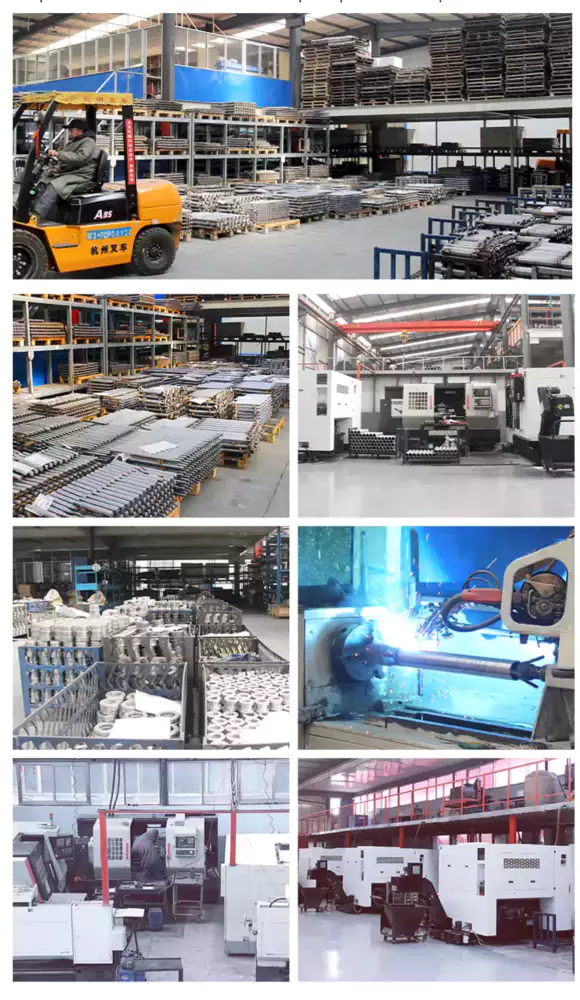
Our company is a professional manufacturer and supplier of gear pumps. We offer high-quality gear pumps that are designed to meet the needs of various industries. The following are some advantages of our products and services:
1. High-Quality Standards
All our gear pumps are manufactured to the highest quality standards, ensuring reliability and optimal performance.
2. Competitive Prices
We offer competitive prices on all our gear pumps, making them accessible to a wide range of customers.
3. Customization
We offer customization services to meet the specific needs of our customers.
4. Excellent After-Sales Service
We provide excellent after-sales service, including maintenance, repairs, and replacements.
5. Innovative Solutions
We provide innovative gear pump solutions that meet the evolving needs of our customers.
Q&A
1. What is gear pump troubleshooting?
Gear pump troubleshooting is the process of identifying and resolving any issues or malfunctions that may arise with a gear pump.
2. What are some common gear pump issues?
Common gear pump issues include cavitation, leakage, and overheating.
3. What are the different types of gear pumps?
The different types of gear pumps include external gear, internal gear, and gerotor pumps.
4. What are some gear pump applications?
Gear pumps are used in several industries, including automotive, agriculture, pharmaceutical, food processing, and marine engineering.
5. How do I choose the right gear pump?
Choosing the right gear pump requires consideration of factors such as application, fluid viscosity, and operating conditions, among others.
Author: Dream