gear pump disadvantages

Gear Pump Disadvantages
Introduction
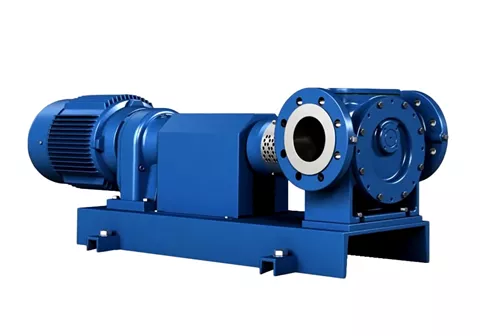
A gear pump is a common type of positive displacement pump used in various industries. However, it is important to consider the disadvantages associated with gear pumps before choosing them for specific applications. In this article, we will explore the disadvantages of gear pumps and their relationship to gear pump’s informational aspects.
Gear Pump Disadvantages
Although gear pumps have their advantages, they also come with certain drawbacks. Understanding these disadvantages is crucial for making informed decisions when selecting a pump. Let’s delve into the disadvantages of gear pumps:
Limited Viscosity Range
Gear pumps are less efficient when handling fluids with high viscosities. Their performance tends to degrade as the viscosity of the pumped fluid increases. This limitation restricts their suitability for applications requiring the pumping of highly viscous fluids.
Noisy Operation
Gear pumps can generate significant noise during operation. The meshing of gears and the fluid flow create vibrations and noise, which may be undesirable in certain environments. Noise reduction measures may need to be implemented to minimize the impact of this drawback.
Susceptible to Cavitation
Cavitation is a phenomenon where vapor bubbles form and collapse within the pump due to low pressure areas. Gear pumps are susceptible to cavitation, which can lead to decreased performance and potential damage to the pump over time. Proper design considerations and maintenance practices can help mitigate this issue.
Poor Self-Priming Ability
Gear pumps typically have a limited self-priming ability, meaning they may struggle to evacuate air from the suction line and fully prime themselves. Additional priming mechanisms or modifications may be necessary in applications where self-priming is essential.
Tight Tolerance Requirements
Gear pumps require precise manufacturing tolerances to ensure proper gear engagement and optimal pump performance. These tight tolerance requirements can increase manufacturing costs and make gear pumps more expensive compared to other pump types.
Gear Pump Performance Characteristics
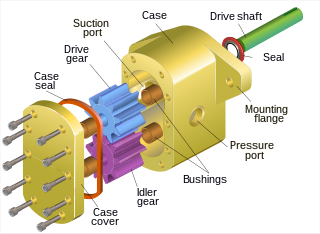
Gear pumps possess several notable performance characteristics that make them suitable for specific applications:
- High volumetric efficiency
- Compact size and design
- Relatively constant flow rate
- Can handle a wide range of temperatures
- Can handle both low and high-pressure applications
Gear Pump Types and Materials
Gear pumps come in various types and materials, each offering specific advantages:
Gear Pump Applications
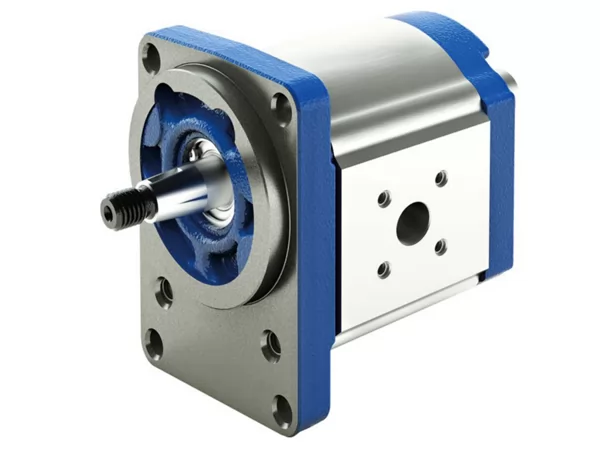
Gear pumps find extensive use in various industries due to their reliability and performance. Let’s explore their applications in different fields:
Automotive Industry
Gear pumps are utilized in automotive applications for lubrication, fuel transfer, and hydraulic systems.
Agricultural Machinery
In the agricultural sector, gear pumps are employed in irrigation systems, sprayers, and other machinery that require fluid transfer and hydraulic power.
Pharmaceutical Industry
Pharmaceutical processes often utilize gear pumps for the precise dosing and transfer of fluids in various production stages.
Food Processing
Gear pumps play a vital role in the food industry for applications such as transferring viscous food products, mixing ingredients, and maintaining precise flow rates.
Marine Engineering
In marine applications, gear pumps are used for fuel transfer, lubrication, and hydraulic systems, ensuring smooth operation of vessels.
Gear Pump Future Trends and Opportunities
The gear pump industry is continuously evolving, presenting various future trends and opportunities:
- Advancements in gear pump design for increased efficiency and reduced noise levels
- Exploration of new materials for enhanced pump performance and durability
- Integration of smart technologies for real-time monitoring and predictive maintenance
- Expansion of gear pump applications in emerging industries and markets
- Collaboration between manufacturers and researchers to drive innovation and address industry challenges
Choosing the Right Gear Pump
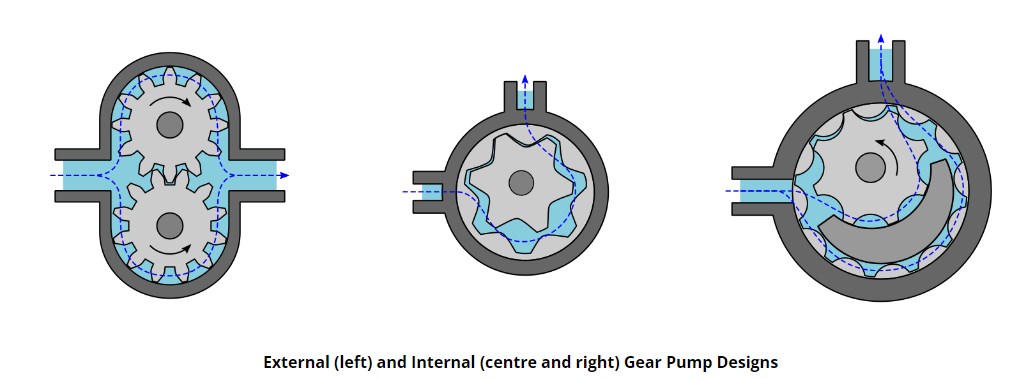
Selecting the appropriate gear pump involves considering several factors:
- Clearly define the specific requirements for the intended application
- Choose the suitable material of construction based on the pumped fluid’s characteristics
- Optimize the pump design to ensure efficient performance and minimal energy consumption
- Evaluate and select reputable suppliers offering reliable products and comprehensive after-sales service
- Perform a cost-benefit analysis to ensure the chosen gear pump provides a favorable return on investment
- Implement effective quality control measures to ensure the pump meets the desired specifications and performance standards
Gear Pump Maintenance
Maintaining gear pumps is essential for their longevity and optimal performance. Consider the following maintenance practices:
- Regular equipment inspections to identify potential issues and ensure proper functioning
- Thorough cleaning and corrosion prevention to protect the pump from contaminants and degradation
- Appropriate lubrication and periodic maintenance to reduce friction and prevent excessive wear
- Timely replacement of worn-out components to maintain performance and prevent failures
- Continuous improvement and upgrades to enhance pump efficiency and adapt to changing requirements
Why Choose Us
Author: Dream
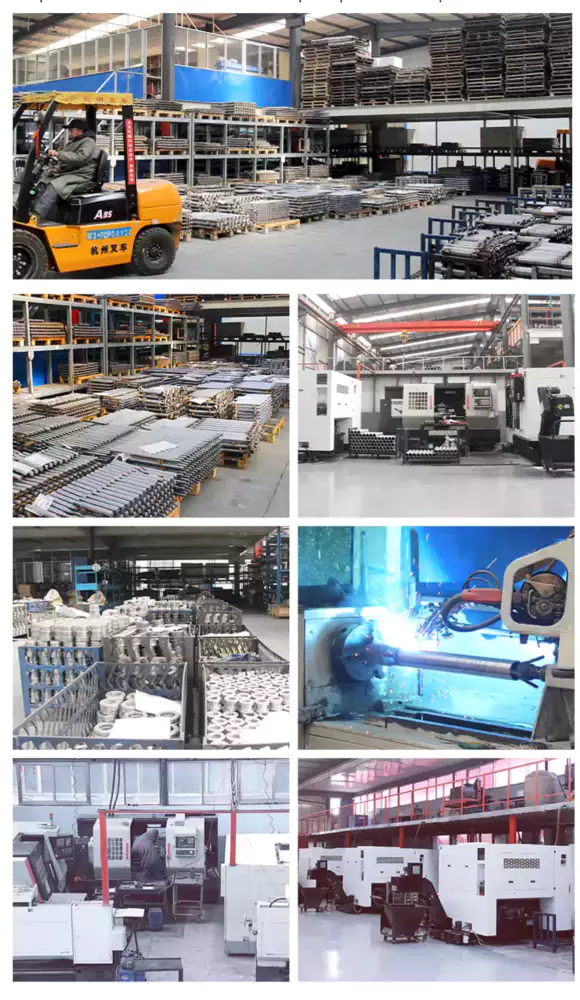
Thank you for considering our company as your trusted partner for all your gear pump needs. We are a reputable manufacturer and supplier of high-quality gear pumps, offering the following advantages:
- Advanced Technology: Our gear pumps incorporate cutting-edge technology to ensure superior performance and reliability.
- Diverse Product Range: We offer a wide range of gear pump models to meet various application requirements.
- Customization Options: Our pumps can be customized to suit specific customer needs, providing tailored solutions.
- Exceptional Service: We prioritize customer satisfaction and provide excellent after-sales service and technical support.
- Competitive Pricing: Our gear pumps offer excellent value for money, balancing quality and cost-effectiveness.
Gear Pump Q&A
Q: Can gear pumps handle corrosive fluids?
A: Gear pumps can handle corrosive fluids depending on the material of construction. Certain materials, such as stainless steel or specialized coatings, can enhance the pump’s resistance to corrosion.
Q: What are the advantages of external gear pumps?
A: External gear pumps offer precise flow control, high efficiency, and compact design. They are also relatively easy to maintain and suitable for a wide range of applications.
Q: Can gear pumps handle abrasive particles?
A: Gear pumps are generally not recommended for pumping abrasive fluids with particles. The presence of abrasive particles can cause rapid wear and damage to the pump’s internal components.
Q: Are gear pumps suitable for high-pressure applications?
A: Gear pumps can handle both low and high-pressure applications. However, they may require additional measures, such as reinforced construction or pressure relief valves, to operate effectively at high pressures.
Q: Can gear pumps handle variable flow rates?
A: Gear pumps are known for providing a relatively constant flow rate. However, incorporating speed control mechanisms or utilizing multiple pumps in parallel can enable variable flow rate capabilities.
Author: Dream