gear pump specifications

Gear Pump Specifications and Its Role in Industrial Applications
Gear pumps are the most common type of positive displacement pump. They are used for a variety of applications in a broad range of industries, including automotive, agriculture, pharmaceuticals, food processing, and marine engineering. The specifications of gear pumps play a critical role in determining their suitability for different applications and industries.
Gear Pump Specifications: An Overview
Gear pump specifications refer to the technical characteristics of gear pumps that determine their performance and suitability for specific applications. These specifications include:
- Flow rate (measured in gallons per minute or liters per minute)
- Pressure rating (measured in PSI or bar)
- Viscosity range (measured in cSt or centistokes)
- Temperature range (measured in degrees Celsius or Fahrenheit)
- Material of construction (such as cast iron, stainless steel, or bronze)
The flow rate of a gear pump determines the volume of fluid that can be transported per unit time. The pressure rating determines the maximum pressure that the pump can handle. The viscosity range refers to the range of fluid viscosities that the pump can handle efficiently. The temperature range denotes the temperature range within which the pump can operate without damaging its components. The material of construction determines the pump’s durability, compatibility with different fluids, and resistance to corrosion and wear.
The Relationship Between Gear Pump Specifications and the Gear Pump’s Role in Industrial Applications
The specifications of gear pumps play a critical role in determining their suitability for different industrial applications. The flow rate and pressure rating, for instance, determine the pump’s ability to handle different fluid volumes and pressures, respectively. Thus, gear pumps with higher flow rates and pressure ratings are suitable for high-volume applications, such as hydraulic systems in heavy machinery. Conversely, gear pumps with lower flow rates and pressure ratings are useful in low-volume applications, such as lubrication systems in small engines.
The viscosity range of gear pumps determines the type of fluid that the pump can handle efficiently. Gear pumps with a broader viscosity range are suitable for applications involving different types of fluids, whereas those with a narrower viscosity range are useful in applications that require a consistent fluid type. For example, gear pumps with a broader viscosity range are used in food processing, where different types of fluids with varying viscosities are used.
The temperature range of gear pumps determines the pump’s ability to handle fluids at high or low temperatures. For instance, gear pumps with a higher temperature range are used in applications that involve high-temperature fluids, such as in industrial ovens, while those with a lower temperature range are useful in low-temperature applications, such as refrigeration systems.
The material of construction of gear pumps determines their durability and resistance to corrosion and wear. Gear pumps made from cast iron, for instance, are highly durable and resistant to wear and tear, making them suitable for heavy-duty applications. Stainless steel gear pumps are resistant to corrosion and are thus suitable for applications involving corrosive fluids. Bronze gear pumps are highly resistant to wear and are therefore used in applications involving abrasive fluids.

Gear Pump Performance Characteristics
Gear pumps offer several performance characteristics that make them suitable for a range of industrial applications. These characteristics include:
- High volumetric efficiency
- Self-priming capability
- Compact size
- Low cost
- Easy maintenance
High volumetric efficiency refers to the ability of gear pumps to transport fluids with high precision and accuracy. Self-priming capability means that gear pumps can operate without the need for external priming. Compact size makes gear pumps suitable for applications where space is limited. Low cost makes gear pumps an affordable option for a broad range of applications. Easy maintenance means that gear pumps can be serviced with minimal effort and expense.
Types of Gear Pumps and Their Characteristics
There are two main types of gear pumps: external gear pumps and internal gear pumps.
External gear pumps have two gears that mesh externally. They are the most common type of gear pump and are suitable for low-to-medium pressure applications.
Internal gear pumps have two gears that mesh internally. They are suitable for high-pressure applications and are highly efficient.
The material of construction of gear pumps determines their suitability for different applications. Cast iron gear pumps are highly durable and are suitable for heavy-duty applications. Stainless steel gear pumps are resistant to corrosion and are thus suitable for applications involving corrosive fluids. Bronze gear pumps are highly resistant to wear and are therefore used in applications involving abrasive fluids.

Gear Pump Applications in Different Industries
Gear pumps find applications in a broad range of industries, including:
- Automotive
- Agriculture
- Pharmaceuticals
- Food processing
- Marine engineering
In the automotive industry, gear pumps are used in engine lubrication systems and hydraulic systems.
In agriculture, gear pumps are used in irrigation systems, fertilizer sprayers, and tractors.
In pharmaceuticals, gear pumps are used in drug manufacturing and processing.
In food processing, gear pumps are used in the production and processing of food products, such as sauces, syrups, and spreads.
In marine engineering, gear pumps are used in shipbuilding, oil drilling, and underwater exploration.
Gear Pump Future Development Trends and Opportunities
The future development of gear pumps is likely to focus on several areas, including:
- Increased efficiency
- Improved durability
- Reduced noise
- Greater compatibility with different fluids
- Advanced technology integration
To capitalize on these trends, gear pump manufacturers should focus on developing pumps with higher efficiency and durability, reducing noise levels, and improving compatibility with different fluids. Advanced technology integration, such as IoT and AI, can also help gear pumps become more efficient and intelligent.

How to Choose the Right Gear Pump
Choosing the right gear pump depends on several factors, including:
- Clear understanding of application requirements
- Material selection
- Design optimization
- Supplier and after-sales service
- Cost-effectiveness
- Quality control
It is essential to have a clear understanding of the application requirements before selecting a gear pump. The material of construction should be chosen based on the fluid type, and the design should be optimized for the specific application. The supplier and after-sales service provider should be reliable and offer prompt support. Cost-effectiveness and quality control should also be taken into account.

Gear Pump Maintenance
Gear pumps require periodic maintenance to ensure their continuous and efficient operation. This maintenance includes:
- Regular equipment inspection
- Cleaning and anti-corrosion measures
- Lubrication and maintenance
- Replacement of worn parts
- Improvement and upgrading
Equipment should be inspected regularly to identify any signs of wear and tear. Cleaning and anti-corrosion measures are essential to ensure the longevity of the pump. Lubrication and maintenance are necessary to keep the pump running smoothly. Worn parts should be replaced promptly to prevent damage to the pump’s components. Improvement and upgrading can help optimize the pump’s performance and ensure its continued suitability for the application.
Why Choose Us?
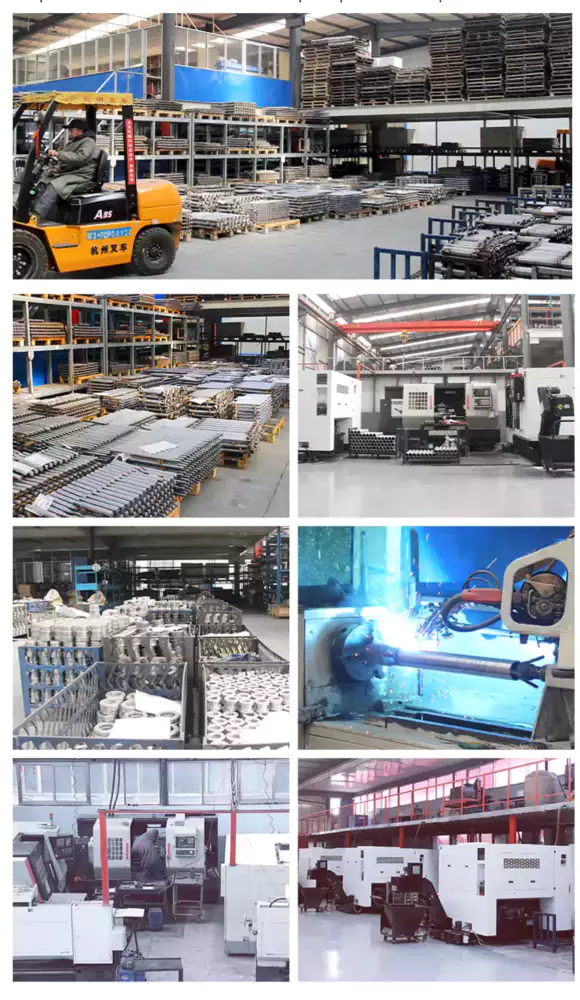
Our company specializes in the production and sale of high-quality gear pumps. Our products offer several advantages, including:
- High efficiency
- Durable construction
- Low-noise operation
- Compatibility with different fluids
- Advanced technology integration
Our products are manufactured to the highest standards of quality and reliability. We offer prompt and reliable after-sales service to ensure our customers’ satisfaction. Our gear pumps are also cost-effective, making them an affordable option for a broad range of industrial applications.
Q&A
Q1. What are gear pumps?
Gear pumps are a type of positive displacement pump that transport fluids by trapping them between two gears.
Q2. What are the different types of gear pumps?
The two main types of gear pumps are external gear pumps, which have two gears that mesh externally, and internal gear pumps, which have two gears that mesh internally.
Q3. What are the specifications of gear pumps?
The specifications of gear pumps include flow rate, pressure rating, viscosity range, temperature range, and material of construction.
Q4. What are the performance characteristics of gear pumps?
The performance characteristics of gear pumps include high volumetric efficiency, self-priming capability, compact size, low cost, and easy maintenance.
Q5. What industries use gear pumps?
Gear pumps find applications in a broad range of industries, including automotive, agriculture, pharmaceuticals, food processing, and marine engineering.
Author: Dream