gear pump distributor

Gear Pump Distributor: Everything You Need to Know
A gear pump distributor is a company or individual that specializes in the distribution of gear pumps. Gear pumps are positive displacement pumps that are used to move fluids by trapping a fixed amount of fluid in the pump’s cavities and then forcing it through the pump’s outlet. These pumps are commonly used in a wide range of applications, including automotive, agriculture, pharmaceuticals, food processing, and marine engineering industries.
Gear Pump Distributor and Gear Pump Commercial Relationship
Gear pump distributors play a critical role in the commercial relationship between gear pumps and their customers. They are responsible for sourcing and supplying high-quality gear pumps that meet the specific needs of their clients. They work closely with gear pump manufacturers to ensure that their clients have access to the latest technologies and most advanced gear pump designs.

At the same time, gear pump distributors help gear pump manufacturers to expand their market reach by connecting them with new clients and industries. They act as intermediaries between gear pump manufacturers and end-users, providing valuable insights and advice on how to optimize the performance and efficiency of gear pumps in various applications.
Gear Pump Performance Features
- High flow rate and pressure capabilities
- Accurate and consistent fluid delivery
- Low noise and vibration levels
- Compact and lightweight design
- Easy maintenance and repair
These features make gear pumps ideal for a wide range of applications where high efficiency, reliability, and precision are required.
Gear Pump Types and Characteristics
Gear pumps come in various types and designs, each with its unique characteristics and advantages. Some of the most common types of gear pumps include:
- External gear pumps
- Internal gear pumps
- Gerotor pumps
- Lobe pumps

The choice of gear pump type depends on several factors, including the application requirements, fluid type, flow rate, pressure, and temperature. Gear pumps can be made from different materials, including cast iron, steel, brass, and plastic, to suit different operating conditions and fluid properties.
Gear Pump Applications in Various Industries
Gear pumps are widely used in various industries, including:
Automotive Industry
Gear pumps are used in automotive applications such as lubrication systems, transmission systems, and hydraulic systems. They provide high flow rates and pressure capabilities, ensuring efficient and reliable operation of these systems.
Agricultural Machinery
Gear pumps are used in agricultural machinery such as tractors, combines, and harvesters. They are used for applications such as crop sprayers, hydraulic systems, and irrigation systems.
Pharmaceuticals Industry
Gear pumps are used in the pharmaceutical industry for metering, dosing, and transferring fluids. They are used in applications such as drug delivery systems, syrups, and ointments.
Food Processing Industry
Gear pumps are used in the food processing industry for applications such as filling and dispensing liquids, transferring and mixing ingredients, and pumping viscous fluids.
Marine Engineering Industry
Gear pumps are used in the marine engineering industry for applications such as fuel transfer, loading and unloading of cargo, and bilge pumping. They are designed to withstand harsh marine environments and provide reliable and efficient operation.
Gear Pump Future Development Trends and Opportunities
Gear pumps are expected to continue their growth and development in the coming years, driven by several factors, including:
- Increasing demand for high-performance and efficient pumps in various industries
- Rising focus on energy efficiency and sustainability
- Advancements in gear pump design and technology
- Emerging applications in new industries and markets

To capitalize on these trends and opportunities, gear pump manufacturers and distributors should focus on innovation, product differentiation, and customer-centric strategies. They should also explore new markets and applications and invest in research and development to stay ahead of the competition.
How to Choose the Right Gear Pump
Choosing the right gear pump can be a challenging task, given the numerous options available in the market. However, by following the right approach, you can select the gear pump that meets your specific needs and requirements. Here are some factors to consider when choosing a gear pump:
Clarify Your Requirements
Identify the specific application requirements, including fluid type, flow rate, pressure, temperature, and operating conditions. This will help you narrow down your options and select the most suitable gear pump type and material.
Material Selection
Select the gear pump material based on the specific fluid properties and operating conditions. Cast iron and steel are suitable for high-pressure and high-temperature applications, while brass and plastic are ideal for low-pressure and low-temperature applications.
Design Optimization
Optimize the gear pump design by reducing the number of gears, optimizing the gear profile, and using advanced materials and coatings. This will improve the pump’s efficiency, reliability, and durability.
Supplier and After-Sales Service
Choose a reputable gear pump supplier that offers high-quality products and excellent after-sales service. Look for suppliers that provide technical support, training, and maintenance services to ensure optimal pump performance and reliability.
Cost-Effectiveness
Select a gear pump that provides the best value for money, considering the initial cost, maintenance cost, and energy efficiency. Look for gear pumps that have low operating costs, high energy efficiency, and long service life.
Quality Control
Ensure that the gear pump supplier has a robust quality control system in place to ensure consistent and reliable product quality. Look for suppliers that have ISO, CE, or other industry certifications.
Gear Pump Maintenance
Proper maintenance is crucial for ensuring the optimal performance and longevity of gear pumps. Here are some maintenance tips for gear pumps:
Regular Equipment Inspection
Inspect the gear pump regularly to identify any signs of wear, damage, or leaks. Check the pump for proper alignment, lubrication, and cleanliness. Replace any worn or damaged parts promptly.
Cleaning and Corrosion Prevention
Clean the gear pump regularly to remove any dirt, debris, or contaminants. Use appropriate cleaning agents and methods to avoid damaging the pump. Apply anti-corrosion coatings or inhibitors to protect the pump from corrosion.
Lubrication and Maintenance
Lubricate the gear pump regularly using the recommended lubricants and methods. Monitor the pump’s oil level and quality and replace the oil as needed. Follow the manufacturer’s maintenance guidelines for optimal pump performance and reliability.
Upgrading and Improving
Consider upgrading or improving your gear pump to enhance its performance, efficiency, and reliability. This may involve replacing outdated parts, optimizing the pump’s design, or using advanced materials or coatings. Consult with your gear pump supplier or a qualified engineer for guidance on the best upgrading options for your pump.
Why Choose Our Gear Pump Products?
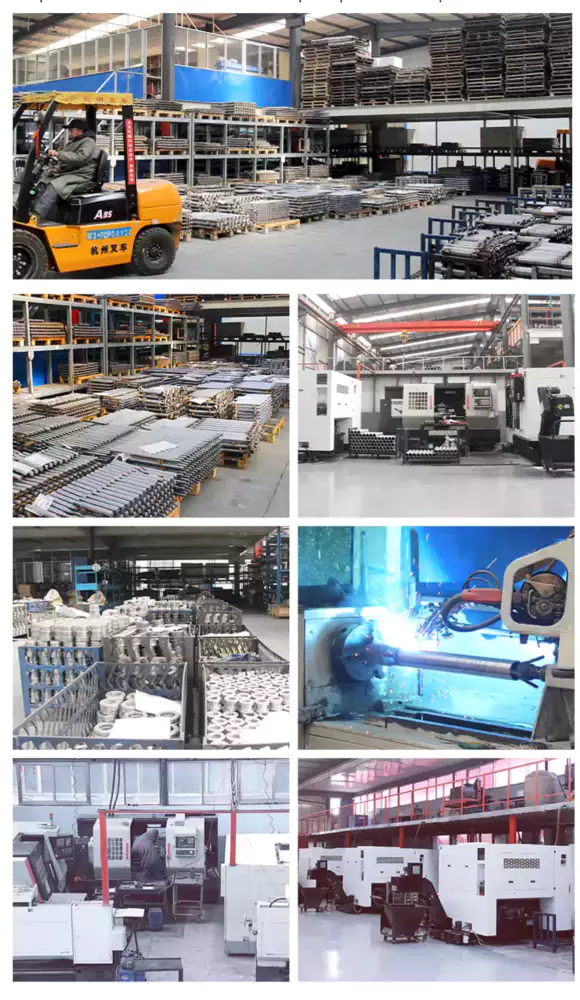
Our company specializes in the manufacture and distribution of high-quality gear pump products for various industries and applications. Here are some reasons why you should choose our gear pump products:
- Advanced design and technology
- High-quality materials and manufacturing processes
- Customizable to meet your specific needs and requirements
- Excellent after-sales service and technical support
- Competitive pricing and cost-effectiveness
We take pride in our commitment to quality, innovation, and customer satisfaction. Whether you need a standard gear pump or a custom-designed solution, we have the expertise and capabilities to meet your needs.
Q&A
1. What is a gear pump distributor?
A gear pump distributor is a company or individual that specializes in the distribution of gear pumps.
2. What are the different types of gear pumps?
There are various types of gear pumps, including external gear pumps, internal gear pumps, gerotor pumps, and lobe pumps.
3. What are the advantages of using gear pumps?
Gear pumps offer high flow rates and pressure capabilities, accurate and consistent fluid delivery, low noise and vibration levels, compact and lightweight design, and easy maintenance and repair.
4. How do I choose the right gear pump?
To choose the right gear pump, you should clarify your requirements, select the right material, optimize the design, choose a reputable supplier, consider cost-effectiveness, and ensure quality control.
5. How do I maintain my gear pump?
To maintain your gear pump, you should inspect it regularly, clean and prevent corrosion, lubricate and maintain it properly, and upgrade and improve it as needed.
Author: Dream