gear pump bearings

Gear Pump Bearings: Everything You Need to Know
Gear pump bearings refer to the bearings used in gear pumps, which play a crucial role in the smooth operation of these pumps. Gear pumps are positive displacement pumps that use gears to transfer fluids by trapping them in the gear teeth and transferring them between the inlet and outlet ports. Gear pumps are used in a wide range of applications, including automotive, agriculture, pharmaceuticals, food processing, and marine engineering.
Gear Pump Bearings and their Relationship with Gear Pumps
The gear pump bearings are an essential component of gear pumps and are responsible for maintaining the position and stability of the gear shafts. They ensure that the gears are aligned correctly and that there is no axial or radial movement. This helps to prevent excessive vibration and noise, which can damage the pump and reduce its efficiency. Moreover, the bearings also help to reduce friction and wear between the gear teeth, preventing metal-to-metal contact and prolonging the life of the pump.

Performance Characteristics of Gear Pumps
- High efficiency: Gear pumps have high volumetric efficiency due to their positive displacement design, which ensures that the same amount of fluid is delivered with each revolution of the gears.
- Self-priming: Gear pumps are self-priming, meaning they can lift fluid from a lower level without the need for an external priming mechanism.
- Low pulsation: Gear pumps produce low pulsation and noise levels due to their constant displacement design and the use of bearings to reduce vibrations and friction.
- Wide viscosity range: Gear pumps can handle a wide range of fluid viscosities, making them suitable for a variety of applications.
- Compact design: Gear pumps have a compact design and can be easily integrated into existing systems, making them ideal for space-constrained applications.
Types and Characteristics of Gear Pumps
Gear pumps can be classified into two types: external gear pumps and internal gear pumps. External gear pumps consist of two external gears that rotate in opposite directions, while internal gear pumps have an external gear and an internal gear that mesh together. Both types of pumps have their advantages and disadvantages, and the choice depends on the specific application.

Gear pumps can also be made from different materials, such as cast iron, steel, bronze, and plastic, depending on the application requirements. Cast iron pumps are the most common due to their high strength and durability, while plastic pumps are suitable for corrosive and abrasive fluids.
Applications of Gear Pumps
Gear pumps are used in a wide range of industries and applications due to their high efficiency, reliability, and versatility. Some of the most common applications of gear pumps include:
- Automotive: Gear pumps are used in automotive systems such as power steering, engine lubrication, and fuel injection.
- Agriculture: Gear pumps are used in agricultural machinery such as tractors, harvesters, and sprayers for various functions such as fluid transfer, hydraulic power, and crop spraying.
- Pharmaceuticals: Gear pumps are used in pharmaceutical manufacturing for precise dosing and dispensing of fluids and chemicals.
- Food processing: Gear pumps are used in food processing for transferring and metering food products such as sauces, syrups, and oils.
- Marine engineering: Gear pumps are used in marine applications such as bilge pumping, oil transfer, and water circulation.
Future Trends and Opportunities for Gear Pump Products
The gear pump market is expected to grow in the coming years due to the increasing demand for efficient and reliable fluid transfer solutions in various industries. Some of the emerging trends and opportunities for gear pump products include:
- Miniaturization: The trend towards miniaturization of equipment and systems is driving the demand for smaller and more compact gear pumps.
- Automation: The increasing automation of industrial processes is creating opportunities for gear pumps with advanced control and monitoring features.
- Eco-friendliness: The growing focus on sustainability and environmental responsibility is driving the demand for gear pumps that are energy-efficient and use environmentally friendly materials.

How to Choose the Right Gear Pump
Choosing the right gear pump for a specific application requires careful consideration of several factors, including:
- Clear requirements: It is essential to have clear specifications for the required flow rate, pressure, viscosity, temperature, and other parameters.
- Material selection: The choice of material depends on the fluid properties and the environmental conditions, such as corrosion resistance, temperature range, and chemical compatibility.
- Design optimization: The gear pump design should be optimized for the specific application, such as the number of teeth, the gear profile, and the clearance between the gears.
- Supplier and after-sales service: It is important to choose a reliable supplier who can provide technical support and after-sales service when needed.
- Cost-effectiveness: The gear pump should provide a balance between performance and cost, considering the initial investment, maintenance, and operating costs.
- Quality control: The gear pump should meet the required quality standards and undergo regular maintenance and testing to ensure optimal performance and reliability.
Gear Pump Maintenance
Proper maintenance of gear pumps is essential to ensure their smooth and reliable operation and prolong their service life. Some of the maintenance activities for gear pumps include:
- Regular equipment checks: Gear pumps should be checked regularly for leaks, wear, corrosion, and other signs of damage or deterioration.
- Cleaning and rust prevention: Gear pumps should be cleaned and protected from rust and corrosion, especially if they are exposed to harsh environmental conditions.
- Lubrication and maintenance: Gear pumps should be properly lubricated and maintained, following the manufacturer’s recommendations, to reduce friction, wear, and noise.
- Replacing worn parts: Gear pumps should have their worn or damaged parts replaced promptly to prevent further damage and maintain optimal performance.
- Improvement and upgrades: Gear pumps should be continuously improved and upgraded to keep pace with changing requirements and technologies.
Why Choose Us?
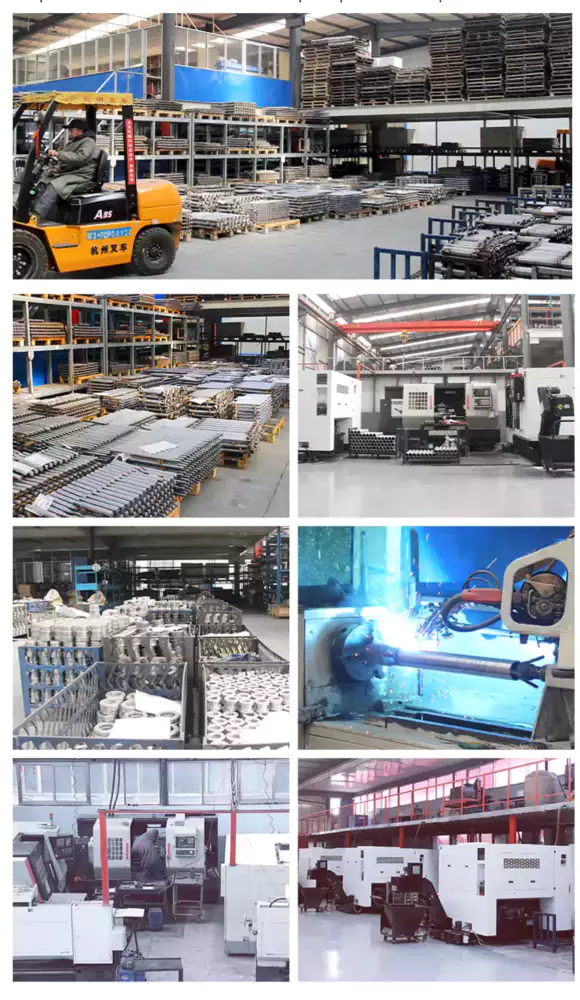
Our company specializes in the production and sales of high-quality gear pumps for a wide range of applications. Our products are known for their excellent performance, reliability, and durability, and we pride ourselves on providing exceptional customer service and technical support. Here are some of the advantages of choosing our products:
- Wide range of products: We offer a wide range of gear pumps for different applications, with various sizes, materials, and configurations.
- Customization: We can customize our gear pumps to meet your specific requirements, such as flow rate, pressure, temperature, and material.
- High-quality materials: Our gear pumps are made from high-quality materials, such as cast iron, steel, and bronze, to ensure their strength, durability, and corrosion resistance.
- Competitive prices: We offer competitive prices that provide excellent value for money, considering the quality and performance of our products.
- Expertise and support: Our team of experts can provide technical support and advice on selecting and using the right gear pump for your application.
Q&A
- What is a gear pump?
- What are gear pump bearings?
- What are the advantages of gear pumps?
- What are the types of gear pumps?
- What are the applications of gear pumps?
A gear pump is a positive displacement pump that uses gears to transfer fluids by trapping them in the gear teeth and transferring them between the inlet and outlet ports.
Gear pump bearings are an essential component of gear pumps and are responsible for maintaining the position and stability of the gear shafts.
The advantages of gear pumps include high efficiency, self-priming, low pulsation, wide viscosity range, and compact design.
The types of gear pumps are external gear pumps and internal gear pumps.
Gear pumps are used in various industries and applications, including automotive, agriculture, pharmaceuticals, food processing, and marine engineering.
Author: Dream