gear pump noise levels

Gear Pump Noise Levels and Their Relationship to Gear Pump
Gear pumps are widely used in various applications because of their high efficiency, reliability, and durability. One of the key factors that affect their performance is the noise level. Gear pump noise levels are a critical consideration for many applications, particularly those that require low noise levels.
Gear Pump Noise Levels
The noise level of a gear pump refers to the sound produced by the pump during operation. The noise level is usually measured in decibels (dB) and can vary depending on several factors, including the pump’s design, operating speed, the type of fluid being pumped, and the system’s operating conditions.
High noise levels can be harmful to both humans and the environment. Gear pump noise levels can cause noise pollution in the surrounding environment, leading to hearing loss and other health issues. Additionally, high noise levels can damage other machinery, leading to costly repairs and maintenance.
Relationship between Gear Pump Noise Levels and Gear Pump
The level of noise produced by a gear pump is closely related to its design and operating conditions. Gear pumps that operate at high speeds are generally louder than those that operate at low speeds. Additionally, the type of fluid being pumped can also affect the pump’s noise level. Highly viscous fluids are generally noisier than low viscosity fluids.
Gear pumps with high noise levels can lead to increased wear and tear on the pump’s components, reducing its overall lifespan. This can lead to increased maintenance costs and reduced efficiency. Additionally, high noise levels can cause damage to other machinery and equipment in the surrounding environment, leading to costly repairs and downtime.

Gear Pump Performance Characteristics
Gear pumps are used in a wide range of applications because of their high efficiency, reliability, and durability. Some of the key performance characteristics of gear pumps include:
- High volumetric efficiency
- Low noise levels
- Compact size
- Wide operating range
- Low maintenance requirements
These characteristics make gear pumps ideal for a wide range of applications, including automotive, agricultural, pharmaceutical, food processing, and marine engineering.
Types of Gear Pumps and Their Characteristics
Gear pumps are available in various types, including external gear pumps, internal gear pumps, and gerotor pumps. The type of gear pump used depends on the application’s requirements, such as flow rate, pressure, and viscosity. For example, external gear pumps are suitable for low to medium viscosity fluids, while internal gear pumps are suitable for high viscosity fluids.
Gear pumps are also available in various materials, including cast iron, stainless steel, and bronze. Different materials offer various advantages, such as increased durability, resistance to corrosion, and improved performance under extreme temperatures.

Applications of Gear Pumps
Gear pumps are used in various applications, including:
- Automotive industry – for engine oil pumps, transmission oil pumps, and power steering pumps
- Agricultural machinery – for hydraulic systems and spray pumps
- Pharmaceutical industry – for the transfer of liquids and creams
- Food processing – for the transfer of viscous fluids and food products
- Marine engineering – for lubrication and fuel transfer applications
The versatility of gear pumps makes them ideal for use in a wide range of industries and applications.
Future Development and Opportunities of Gear Pump Products
The gear pump industry is expected to grow in the coming years, driven by increasing demand from various industries, including automotive, pharmaceutical, and food processing. The development of new materials and technologies is also expected to drive growth in the industry.
To capitalize on these opportunities, gear pump manufacturers should focus on developing innovative products that meet the evolving needs of their customers. Additionally, they should invest in research and development to improve their products’ performance, efficiency, and durability.

How to Choose the Right Gear Pump
Choosing the right gear pump for your application is critical to ensure optimal performance and efficiency. Some of the factors to consider when choosing a gear pump include:
- Understanding your application’s requirements, such as flow rate, pressure, and viscosity
- Selecting the right materials for your application, such as cast iron, stainless steel, or bronze
- Optimizing the pump’s design for your application
- Selecting a reputable supplier who can provide quality products and reliable after-sales service
- Evaluating the pump’s cost-effectiveness
Choosing the right gear pump can help you achieve optimal performance and efficiency while minimizing maintenance costs and downtime.
How to Maintain Gear Pumps
Proper maintenance is critical to ensure the long-term performance and reliability of gear pumps. Some of the key maintenance tasks for gear pumps include:
- Regular equipment inspections to identify any signs of wear or damage
- Cleaning and corrosion prevention to protect gear pumps from environmental damage
- Regular lubrication and maintenance to ensure optimal performance
- Replacing worn components to prevent damage to other machinery
- Upgrading and improving gear pump designs to optimize performance and efficiency
Why Choose Us?
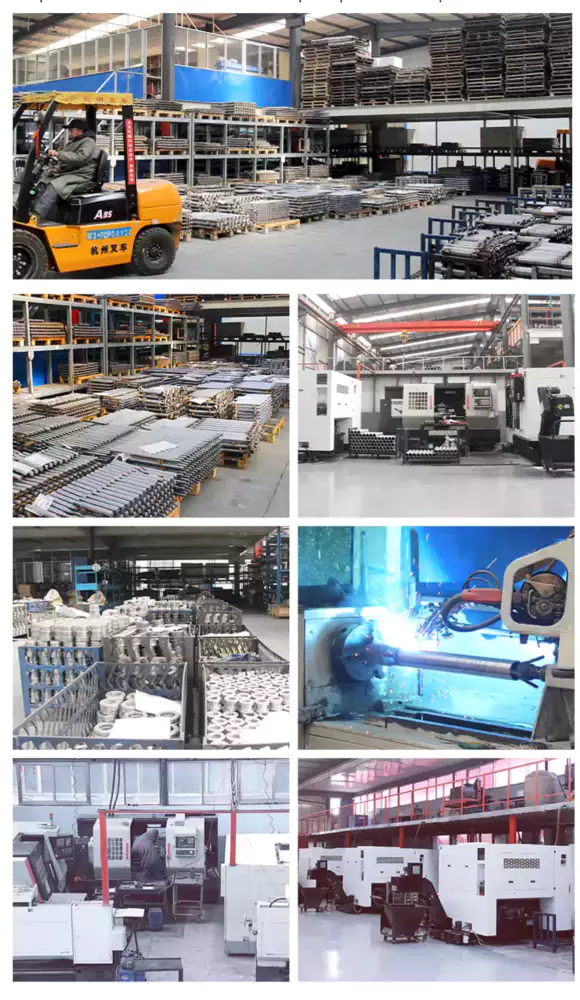
Our company specializes in the production and sale of high-quality gear pumps for various applications. We offer a wide range of gear pumps that are designed to meet the needs of different industries and applications. Some of the key advantages of our products and services include:
- High-quality materials and components that ensure optimal performance and durability
- Cutting-edge design and technology to improve efficiency and performance
- Excellent after-sales service and support to ensure customer satisfaction
- Competitive pricing and cost-effectiveness
- Strict quality control measures to ensure product reliability and safety
Choose us for all your gear pump needs and experience the difference in performance and reliability.
Q&A
Q: What is the maximum flow rate of your gear pumps?
A: Our gear pumps are available in various flow rates, depending on the application’s requirements. Please contact us with your specific needs, and we will recommend the right gear pump for your application.
Q: What materials are your gear pumps made of?
A: Our gear pumps are available in various materials, including cast iron, stainless steel, and bronze.
Q: Can your gear pumps handle high viscosity fluids?
A: Yes, our gear pumps are designed to handle fluids with a wide range of viscosities, from low to high.
Q: How often should gear pumps be serviced?
A: Gear pumps should be serviced regularly, depending on the application’s operating conditions and usage. Please consult our maintenance guidelines for more information.
Q: Do you offer customized gear pumps?
A: Yes, we offer customized gear pumps to meet the specific needs of our customers. Please contact us with your requirements, and we will work with you to develop a customized solution.
Author: Dream