gear pump efficiency chart

Gear Pump Efficiency Chart
Detailed Information about Gear Pump Efficiency Chart
The gear pump efficiency chart provides valuable insights into the performance of gear pumps. It presents the relationship between various operating parameters and the efficiency of gear pumps. This chart is a crucial tool for engineers and technicians involved in the design, optimization, and analysis of gear pump systems.
Gear Pump Efficiency Chart and its Connection to Gear Pump
The gear pump efficiency chart is based on informational data and serves as a reference for evaluating the efficiency of gear pumps. It helps in selecting the appropriate gear pump for specific applications, considering factors such as flow rate, pressure, viscosity, and speed. By analyzing the chart, engineers can optimize the gear pump system to maximize efficiency and minimize energy consumption.
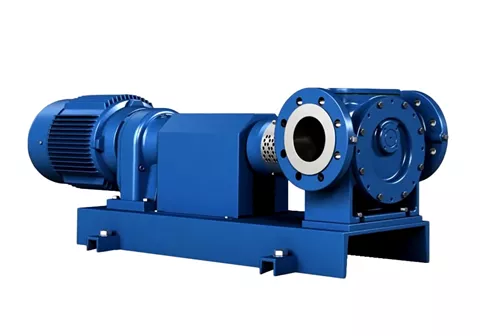
Performance Characteristics of Gear Pump
1. High volumetric efficiency: Gear pumps are known for their ability to deliver a consistent volume of fluid with minimal pulsations.
2. Compact design: Gear pumps have a compact size, making them suitable for applications with limited space.
3. Reliable operation: Gear pumps offer reliable and continuous operation, making them ideal for critical industrial processes.
4. Self-priming capability: Gear pumps can self-prime, which means they can draw fluid from a lower level without the need for external priming.
5. Wide range of viscosities: Gear pumps can handle fluids with a wide range of viscosities, from thin oils to thick slurries.
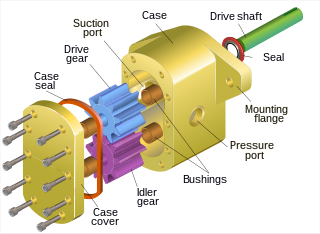
Types and Characteristics of Gear Pump
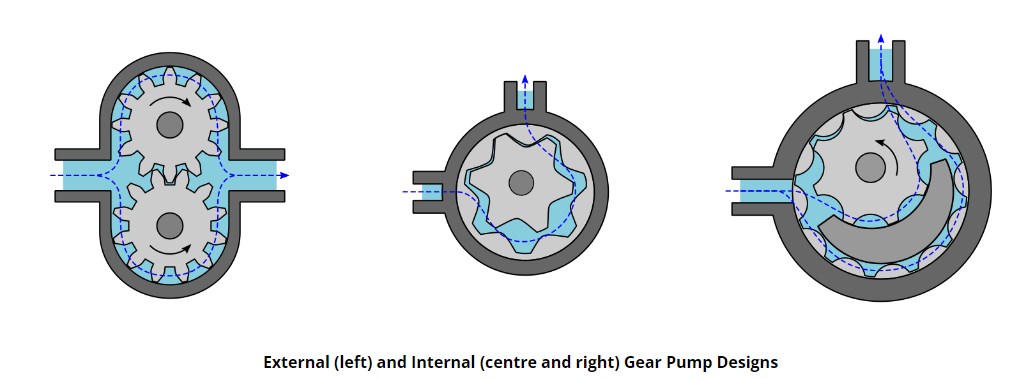
There are various types of gear pumps, including external gear pumps, internal gear pumps, and gerotor pumps. Each type has its own unique characteristics and advantages.
– External Gear Pump: This type of gear pump offers high efficiency, precise flow control, and the ability to handle high pressures.
– Internal Gear Pump: Internal gear pumps are known for their quiet operation, smooth flow, and excellent suction capabilities.
– Gerotor Pump: Gerotor pumps provide high volumetric efficiency, low noise levels, and compact size, making them suitable for automotive and mobile applications.
Applications of Gear Pump in Various Industries
Gear pumps play a vital role in different industries, contributing to the efficiency and productivity of various processes:
– Automotive Industry: Gear pumps are used for lubrication, fuel injection, and hydraulic systems in vehicles.
– Agricultural Machinery: Gear pumps are utilized for irrigation, pesticide spraying, and hydraulic systems in agricultural equipment.
– Pharmaceutical Industry: Gear pumps are essential for precise dosage and metering in pharmaceutical manufacturing.
– Food Processing: Gear pumps are employed for the transfer of liquids, such as sauces, syrups, and chocolate, in food processing plants.
– Marine Engineering: Gear pumps are used for fuel transfer, lubrication, and cooling systems in marine applications.
Future Development and Opportunities for Gear Pump Products
The gear pump market is expected to witness significant growth in the coming years. This can be attributed to the increasing demand for efficient fluid handling systems in various industries, including automotive, chemical, and oil & gas. Opportunities for gear pump manufacturers lie in developing innovative designs, improving energy efficiency, and expanding their product offerings to cater to emerging market needs.
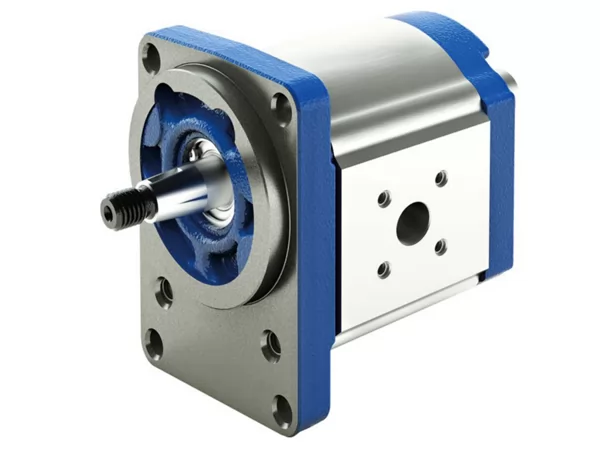
How to Select the Right Gear Pump
1. Clearly Define the Requirements: Identify the specific application requirements, such as flow rate, pressure, temperature, and viscosity.
2. Material Selection: Consider the compatibility of the gear pump materials with the fluid being pumped to ensure optimal performance and durability.
3. Design Optimization: Evaluate the design features, such as gear tooth profile, clearances, and sealing mechanisms, to ensure efficient and reliable operation.
4. Supplier and After-Sales Service: Choose a reliable gear pump supplier who can provide technical support, maintenance services, and spare parts when needed.
5. Cost-Effectiveness: Assess the overall cost of the gear pump, including purchase price, energy consumption, maintenance, and operational efficiency, to determine its cost-effectiveness.
Gear Pump Maintenance
Proper maintenance is crucial to ensure the longevity and optimal performance of gear pumps:
– Regular Equipment Inspection: Periodically inspect the gear pump for any signs of wear, leakage, or abnormal noise. Replace worn-out components promptly.
– Cleaning and Corrosion Protection: Clean the gear pump internals and protect them from corrosion using suitable cleaning agents and anti-corrosion coatings.
– Lubrication and Lubricant Selection: Follow the manufacturer’s recommendations for lubrication intervals and use the recommended lubricant to minimize friction and wear.
– Replacement of Worn Parts: Replace worn gears, bearings, seals, and other components to maintain peak performance and prevent system failures.
– Improvement and Upgrades: Stay updated with the latest advancements in gear pump technology and consider upgrading the gear pump system for enhanced efficiency and performance.
Why Choose Us
At [Company Name], we specialize in the production and sales of high-quality gear pumps. Our products offer numerous advantages, making us an ideal choice for your fluid handling needs:
1. Superior Durability: Our gear pumps are manufactured using premium materials and undergo rigorous quality control to ensure long-lasting performance.
2. Customizable Solutions: We offer customized gear pump solutions tailored to meet your specific requirements and application needs.
3. Technological Expertise: Our team of experienced engineers and technicians are equipped with in-depth knowledge of gear pump technology, allowing us to provide expert advice and support.
4. Prompt Customer Service: We pride ourselves on providing excellent customer service, responding promptly to inquiries, and offering efficient after-sales support.
5. Competitive Pricing: We offer competitive pricing without compromising on the quality and performance of our gear pumps, ensuring exceptional value for your investment.
Q&A
1. Q: Can gear pumps handle high-viscosity fluids?
A: Yes, gear pumps are capable of handling fluids with a wide range of viscosities, including high-viscosity fluids.
2. Q: What maintenance practices can extend the lifespan of a gear pump?
A: Regular equipment inspection, proper cleaning, lubrication, and timely replacement of worn parts can extend the lifespan of a gear pump.
3. Q: Are gear pumps suitable for high-pressure applications?
A: Yes, gear pumps are well-suited for high-pressure applications due to their robust construction and efficient fluid handling capabilities.
4. Q: Can gear pumps be used for abrasive fluids?
A: While gear pumps can handle some abrasive fluids, the selection of suitable materials and regular maintenance are crucial to prevent excessive wear.
5. Q: How can gear pumps contribute to energy efficiency?
A: Gear pumps offer high volumetric efficiency and precise flow control, minimizing energy waste and optimizing system performance.
Author: Dream