gear pump maintenance tips

Gear Pump Maintenance Tips
Gear pumps are widely used in various industries due to their high efficiency and reliability. However, to ensure their optimal performance and longevity, proper maintenance is essential. In this article, we will provide some useful gear pump maintenance tips.
Gear Pump Maintenance Tips and Gear Pump Informational Connection
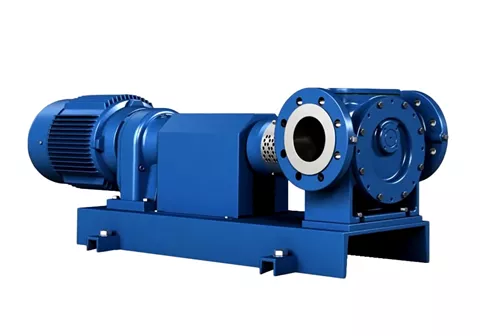
Gear pumps are positive displacement pumps that use two rotating gears to move fluid. They are commonly used in hydraulic systems, lubrication systems, and other applications that require high flow rates and pressures. Proper maintenance can significantly extend the life of a gear pump and ensure its optimal performance.
To maintain a gear pump, regular inspection and cleaning are crucial. The pump should be checked for leaks, worn parts, and other signs of damage. It is also important to keep the pump clean and free of debris, which can cause damage to the gears and other components. Lubrication is another critical aspect of gear pump maintenance. Proper lubrication can reduce friction and wear, which can extend the life of the pump.
Gear Pump Performance Characteristics
Gear pumps have several performance characteristics that make them ideal for various applications. Some of the key features of gear pumps include:
– High efficiency: Gear pumps can operate at high speeds and pressures, making them ideal for applications that require high flow rates and pressures.
– Low noise: Due to their simple design, gear pumps operate quietly compared to other types of pumps.
– Versatility: Gear pumps can handle a wide range of fluids, including viscous and abrasive fluids.
– Easy maintenance: Gear pumps have a simple design and are easy to maintain.
– Cost-effective: Gear pumps are generally less expensive than other types of pumps, making them a cost-effective choice for many applications.
Types of Gear Pumps and Their Characteristics
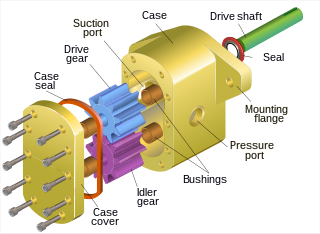
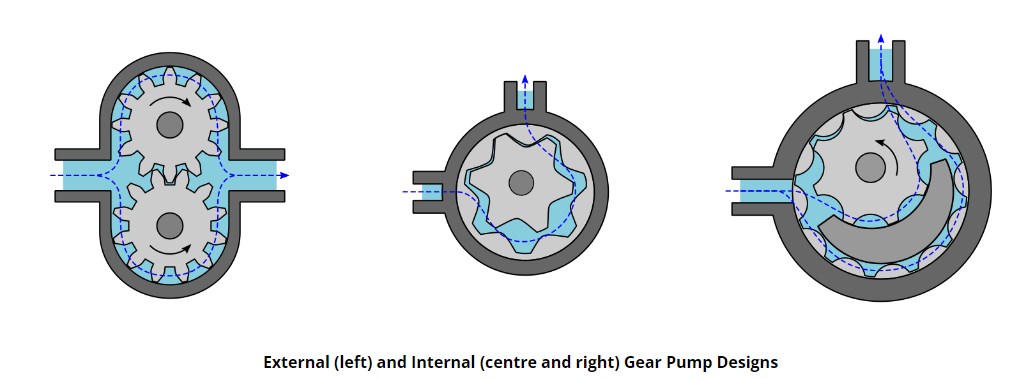
There are two main types of gear pumps: external gear pumps and internal gear pumps. External gear pumps have two gears that rotate externally. In contrast, internal gear pumps have one gear that rotates internally and another gear that rotates externally. Both types of gear pumps have their unique characteristics, making them suitable for different applications.
Gear pumps can also be made from various materials, including cast iron, bronze, stainless steel, and plastic. Each material has its unique properties, making it suitable for specific applications. For example, cast iron gear pumps are ideal for applications that require high strength and durability, while plastic gear pumps are suitable for applications that require resistance to chemicals and corrosive fluids.
Gear Pump Applications in Various Industries
Gear pumps are widely used in various industries due to their versatility and efficiency. Some of the common applications of gear pumps include:
Automotive Industry
Gear pumps are used in automotive applications such as power steering systems, automatic transmissions, and oil pumps. They are ideal for these applications due to their high efficiency and reliability.
Agricultural Machinery
Gear pumps are commonly used in agricultural machinery such as tractors and combines. They are ideal for these applications due to their ability to handle high flow rates and pressures.
Pharmaceutical Industry
Gear pumps are used in pharmaceutical applications such as mixing and filling equipment. They are suitable for these applications due to their ability to handle viscous fluids and maintain a constant flow rate.
Food Processing
Gear pumps are used in food processing applications such as pumping chocolate, cream, and other viscous fluids. They are suitable for these applications due to their ability to handle high viscosity fluids.
Ocean Engineering
Gear pumps are used in various ocean engineering applications such as seawater desalination and oil rig operations. They are suitable for these applications due to their ability to handle corrosive fluids and withstand harsh environments.
Gear Pump Future Development Trends and Opportunities
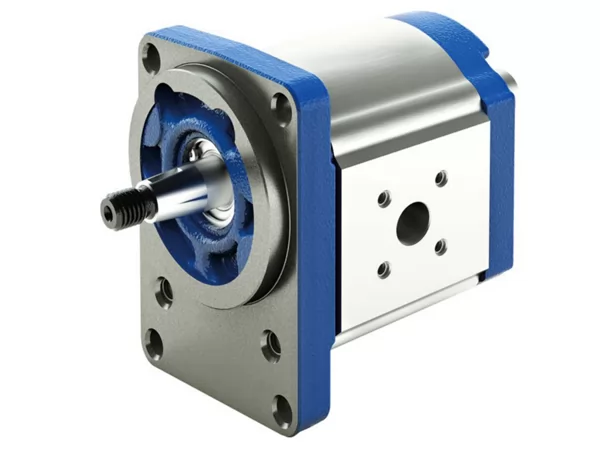
Gear pumps are continuously evolving to meet the changing demands of various industries. Some of the future development trends in gear pumps include:
– Development of gear pumps with higher efficiency and reduced noise levels.
– Integration of smart technologies to monitor gear pump performance and detect potential issues.
– Use of lightweight materials to reduce the weight of gear pumps and improve their portability.
– Development of gear pumps that can handle higher pressure and flow rates.
– Expansion of the gear pump market to emerging economies.
These trends present numerous opportunities for gear pump manufacturers and suppliers to innovate and improve their products.
How to Choose the Right Gear Pump
Choosing the right gear pump for your application involves several factors, including:
– Clearly defining your requirements, such as flow rate, pressure, and viscosity.
– Selecting the appropriate material for your application, considering factors such as corrosion resistance, strength, and durability.
– Optimizing the design of the gear pump to ensure it meets your specific needs.
– Choosing a reputable supplier who can provide quality products and excellent after-sales service.
– Considering the cost-effectiveness of the gear pump, including the initial cost and maintenance costs.
How to Maintain Gear Pumps
To ensure optimal performance and longevity of gear pumps, proper maintenance is essential. Some of the maintenance tips for gear pumps include:
– Regularly inspecting the pump for leaks, worn parts, and other signs of damage.
– Keeping the pump clean and free of debris.
– Lubricating the pump regularly to reduce friction and wear.
– Replacing worn parts promptly to prevent further damage.
– Upgrading the pump to improve its performance and efficiency.
Why Choose Us
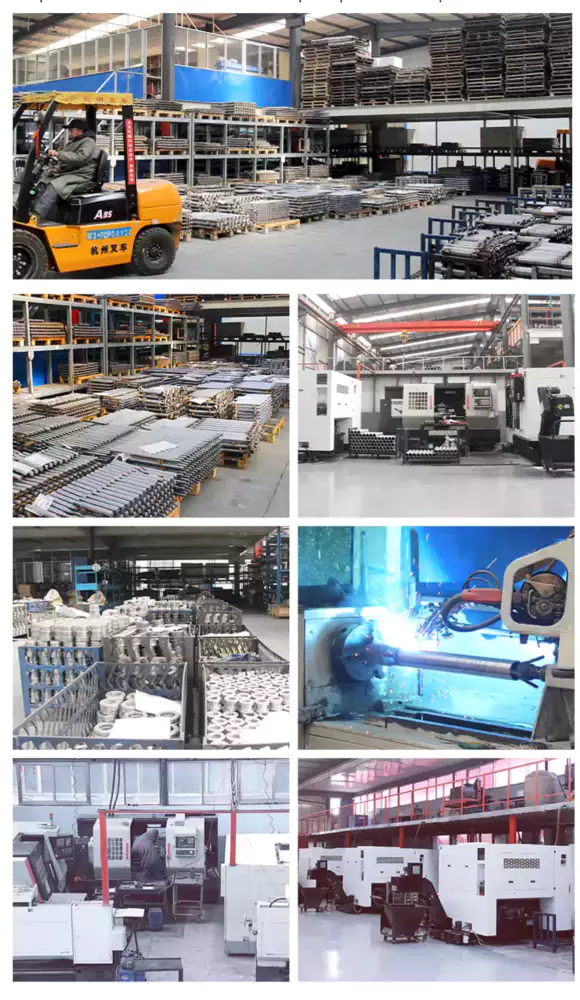
Our company specializes in the production and sale of high-quality gear pumps for various industries. Some of the advantages of our products and services include:
– High-quality materials: We use only the highest quality materials to manufacture our gear pumps, ensuring their reliability and longevity.
– Customization options: We can customize our gear pumps to meet your specific requirements, ensuring optimal performance and efficiency.
– Excellent after-sales service: We provide excellent after-sales service to our customers, ensuring their satisfaction with our products.
– Competitive pricing: Our gear pumps are competitively priced, making them a cost-effective choice for many applications.
– Expertise: Our team has extensive experience in the production and sale of gear pumps, ensuring that we can provide the best products and services to our customers.
Q&A
Q: What is a gear pump?
A: A gear pump is a positive displacement pump that uses two rotating gears to move fluid.
Q: What are the benefits of gear pumps?
A: Gear pumps have several benefits, including high efficiency, low noise, versatility, easy maintenance, and cost-effectiveness.
Q: What are the different types of gear pumps?
A: The two main types of gear pumps are external gear pumps and internal gear pumps.
Q: What materials are gear pumps made from?
A: Gear pumps can be made from various materials, including cast iron, bronze, stainless steel, and plastic.
Q: How do I choose the right gear pump for my application?
A: Choosing the right gear pump involves several factors, including clearly defining your requirements, selecting the appropriate material, optimizing the design, choosing a reputable supplier, and considering cost-effectiveness.
Author: Dream