gear pump vs screw pump

Gear Pump vs Screw Pump
Introduction
In this article, we will explore the differences between gear pumps and screw pumps, and their relationship with gear pumps based on informational aspects.

Gear Pump vs Screw Pump
Gear pumps and screw pumps are both types of positive displacement pumps commonly used in various industries. Gear pumps consist of rotating gears that transfer fluid by creating a void between the teeth of the gears. On the other hand, screw pumps use intermeshing screws to move fluid through the pump.
Performance Characteristics of Gear Pump
- High efficiency: Gear pumps are known for their high volumetric efficiency and smooth operation.
- Compact design: Gear pumps are compact in size, making them suitable for applications with limited space.
- Wide range of viscosities: Gear pumps can handle a wide range of viscosities, from thin liquids to highly viscous fluids.
- Reliable operation: Gear pumps offer reliable and consistent performance, ensuring smooth fluid transfer.
- Low maintenance: Gear pumps require minimal maintenance, reducing downtime and operational costs.

Types of Gear Pump
Gear pumps are available in various types, each offering unique characteristics suitable for specific applications. Some common types include:
- External gear pump: This type of gear pump has two interlocking gears that create a seal, allowing fluid transfer.
- Internal gear pump: Internal gear pumps have one outer gear and one inner gear, enabling efficient fluid transfer.
- Magnetic drive gear pump: These pumps use a magnetic coupling to transmit power, eliminating the need for a mechanical seal.
- Hydraulic gear pump: Hydraulic gear pumps are specifically designed to handle high-pressure hydraulic fluid.
Each type of gear pump has its advantages, and selecting the right one depends on the specific application requirements.
Applications of Gear Pump
Gear pumps find extensive applications in various industries, including:
- Automotive industry: Gear pumps are used for lubricating engine parts and transferring fluids in automotive systems.
- Agricultural machinery: Gear pumps are utilized in agricultural machinery for tasks like spraying pesticides and delivering fertilizers.
- Pharmaceutical industry: Gear pumps play a crucial role in pharmaceutical manufacturing processes, ensuring accurate fluid transfer.
- Food processing: Gear pumps are used in the food industry for tasks such as pumping viscous sauces and transferring ingredients.
- Marine engineering: Gear pumps are essential in marine applications for pumping and transferring fluids on ships and offshore platforms.
Future Trends and Opportunities
The gear pump industry is continuously evolving, presenting several future trends and opportunities:
- Advanced materials: The development of new materials will enhance the performance and durability of gear pumps.
- Smart technology integration: Integration of smart technology will enable real-time monitoring and optimization of gear pump operations.
- Energy-efficient designs: Gear pumps will continue to evolve with energy-efficient designs to reduce power consumption.
- Increased automation: Automation will play a significant role in improving the efficiency and accuracy of gear pump systems.
- Growing demand in emerging markets: The growing industrialization in emerging markets will lead to increased demand for gear pumps.

Choosing the Right Gear Pump
Selecting the appropriate gear pump involves considering various factors:
- Clear requirements: Clearly define the specific requirements and operating conditions of the application.
- Material selection: Choose the appropriate materials for the gear pump based on the type of fluid being pumped.
- Design optimization: Optimize the gear pump design to ensure efficient fluid transfer and minimize energy losses.
- Supplier and after-sales service: Evaluate the reputation and reliability of the gear pump supplier, along with their after-sales support.
- Cost-effectiveness: Consider the overall cost-effectiveness of the gear pump, including initial investment and long-term maintenance.
- Quality control: Ensure that the gear pump meets quality standards and undergoes rigorous testing before installation.
Gear Pump Maintenance
Proper maintenance is essential for ensuring the longevity and optimal performance of gear pumps. Some maintenance practices include:
- Regular equipment inspections: Conduct routine inspections to identify any potential issues or signs of wear.
- Cleaning and corrosion prevention: Clean the gear pump regularly and apply corrosion prevention measures as necessary.
- Lubrication and servicing: Ensure proper lubrication of moving parts and perform routine servicing to keep the gear pump in good condition.
- Replacement of worn components: Replace any worn or damaged components to maintain the gear pump’s efficiency.
- Improvement and upgrades: Continuously seek ways to improve the gear pump system and consider upgrading to more advanced models if needed.
Why Choose Us
Author: Dream
Thank you for considering our company as your trusted supplier of gear pumps. We specialize in the production and sales of high-quality gear pumps, and here are five reasons why you should choose our products and company:
- Extensive industry experience: With years of experience in the field, we have gained valuable expertise in manufacturing top-of-the-line gear pumps.
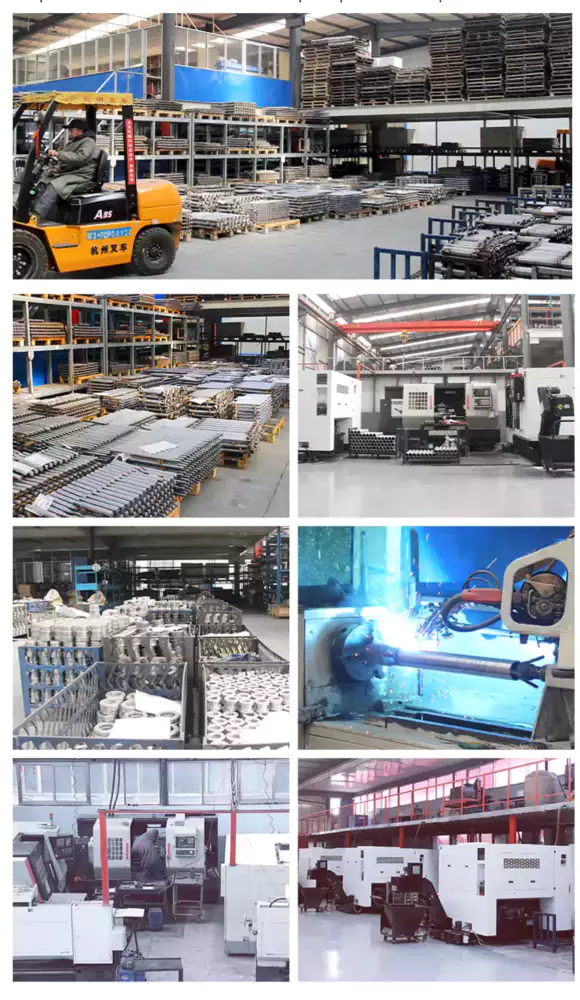
- Advanced technology: We utilize advanced technology and state-of-the-art equipment to ensure the precision and reliability of our gear pumps.
- Customization options: We offer customization options to meet the specific requirements of our customers, providing tailored solutions.
- Exceptional customer service: Our dedicated customer service team is committed to providing prompt assistance and addressing any inquiries or concerns.
- Competitive pricing: We offer competitive pricing without compromising the quality and performance of our gear pumps.
Q&A
- What are the main differences between gear pumps and screw pumps?
- How do gear pumps handle different viscosities of fluids?
- What are the advantages of using a magnetic drive gear pump?
- What are the key considerations when selecting a gear pump for the automotive industry?
- How can gear pump efficiency be improved through design optimization?
Thank you for reading our comprehensive article on gear pumps. If you have any further questions or require additional information, please feel free to contact us.