gear pump vs lobe pump

Gear Pump vs Lobe Pump: Which One Should You Choose?
When it comes to industrial and commercial fluid transfer applications, two types of pumps are often used: gear pumps and lobe pumps. Both have their advantages and disadvantages, and which one to choose often depends on the specific needs of the application. In this article, we will compare gear pumps and lobe pumps, discuss their similarities and differences, and explore the various applications and benefits of gear pumps.
Gear Pump vs Lobe Pump: What’s the Difference?
Gear pumps and lobe pumps are both positive displacement pumps that move fluid by trapping a fixed amount of it and forcing it into a discharge pipe. However, the way they accomplish this is different.
A gear pump uses two rotating gears – a driving gear and a driven gear – to trap fluid between the gears’ teeth and the pump casing and transport it from the inlet to the outlet. The gears are typically made of metal, and the tight clearance between the gears and casing provides good suction and high-pressure capabilities.
A lobe pump, on the other hand, uses two or more lobes – elongated disks with rounded edges – mounted on parallel shafts to move fluid. The lobes rotate in opposite directions, trapping fluid between them and the pump casing and moving it from the inlet to the outlet. The lobes are typically made of a softer material like rubber or plastic, which makes them suitable for handling delicate fluids.
Gear Pump vs Lobe Pump: Informational Comparison
While gear pumps and lobe pumps have some similarities, they are better suited for different applications depending on the operational requirements and fluid properties.
For instance, gear pumps are better suited for high-pressure applications where precise flow rates and consistent pressure are necessary. They are also ideal for handling viscous fluids like oils, fuels, and chemicals. Gear pumps are known for their simple design, high efficiency, and low maintenance requirements.
Lobe pumps, on the other hand, are better suited for handling shear-sensitive fluids like yogurt, cream, and other food products. They are gentle on the fluid and can handle larger solids and particles without damage, making them ideal for food and pharmaceutical processing applications. Lobe pumps are also known for their low pulsation, high volumetric efficiency, and self-priming capabilities.

Gear Pump Performance Characteristics
Gear pumps are known for their reliable performance and efficiency. Here are some of their key performance characteristics:
- High pressure capabilities: Gear pumps can handle high-pressure applications, making them ideal for industrial and commercial processes that require precise fluid handling.
- Low noise and vibration: Gear pumps operate quietly and smoothly, making them ideal for use in noise-sensitive environments.
- Self-priming: Gear pumps can suck fluids from a lower level and transport them to a higher level, eliminating the need for an external priming mechanism.
- Simple design: Gear pumps have a simple design that makes them easy to install, maintain, and repair, minimizing downtime and repair costs.
- High volumetric efficiency: Gear pumps have a high volumetric efficiency, meaning they can move a large volume of fluid with each revolution of the gears.
Gear Pump Types and Materials
Gear pumps come in various types, including external gear pumps, internal gear pumps, and gerotor pumps. Each type has its advantages and disadvantages, depending on the application.
External gear pumps are the most common type of gear pump and have two or more gears that mesh outside the pump casing. They are suitable for handling high-pressure, low-viscosity fluids and are often used in hydraulic systems, fuel transfer, and lubrication applications.
Internal gear pumps, on the other hand, have one gear with teeth on the outside and another gear with teeth on the inside. They are suitable for handling fluids with higher viscosities and are often used in food processing, chemical, and pharmaceutical applications.
Gerotor pumps have an outer rotor with teeth that mesh with an inner rotor with fewer teeth. They are suitable for handling even higher viscosity fluids and are often used in automotive and industrial applications.
Gear pumps can be made of different materials, including cast iron, stainless steel, bronze, and plastic. Each material has its advantages and disadvantages, depending on the fluid properties and operating conditions.

Gear Pump Applications
Gear pumps are versatile and can be used in various industrial and commercial applications. Here are some of the areas where gear pumps are commonly used:
Automotive Industry
Gear pumps are used in automotive applications for lubrication, fuel transfer, and hydraulic systems. They are commonly used in power steering systems, automatic transmissions, and engine oil pumps.
Agriculture Machinery
Gear pumps are used in agriculture machinery for irrigation, chemical spraying, and fertilizer applications. They are commonly used in tractors, sprayers, and combines.
Pharmaceutical Industry
Gear pumps are used in pharmaceutical applications for metering and dosing of fluids. They are commonly used in drug manufacturing and processing equipment.
Food Processing
Gear pumps are used in food processing applications for handling viscous fluids like chocolate, syrup, and cream. They are commonly used in confectionery, bakery, and dairy processing equipment.
Marine Engineering
Gear pumps are used in marine engineering applications for ballast water treatment, fuel transfer, and lubrication systems. They are commonly used in ships, tankers, and oil rigs.
Gear Pump Trends and Opportunities
The gear pump market is expected to grow in the coming years, driven by the increasing demand for reliable and efficient fluid transfer solutions in various industries. Here are some of the trends and opportunities in the gear pump industry:
- Growing demand for precision and accuracy: With the increasing use of automation and control systems in industrial and commercial applications, there is a growing demand for gear pumps that can provide precise and accurate fluid handling.
- Increasing demand for sustainable solutions: As companies focus more on sustainability, there is a growing demand for gear pumps that can minimize energy consumption and reduce waste and emissions.
- Growing adoption of IoT and Industry 4.0: The increasing use of IoT and Industry 4.0 technologies in various industries is driving the demand for gear pumps that can be connected and monitored remotely.
- Rising demand from emerging economies: The increasing industrialization and infrastructure development in emerging economies like China and India are creating new opportunities for gear pump manufacturers.

How to Choose the Right Gear Pump
Choosing the right gear pump for your application involves several factors, including fluid properties, operational requirements, and budget constraints.
Clarify Your Needs
The first step in choosing the right gear pump is to clarify your needs and specifications. Consider factors like flow rate, pressure, viscosity, temperature, and fluid compatibility.
Select the Right Materials
The next step is to choose the right materials for the gear pump. Consider factors like chemical resistance, wear resistance, and temperature range. Common materials include cast iron, stainless steel, bronze, and plastic.
Optimize the Design
Optimizing the design of the gear pump can help improve its performance and efficiency. Consider factors like gear tooth profile, pump speed, and clearance between the gears and casing.
Choose a Reliable Supplier
Choosing a reliable supplier is crucial to ensuring the quality and performance of the gear pump. Look for a supplier with a good reputation, experience in the industry, and a commitment to customer service.
Consider Cost-effectiveness
Finally, consider the cost-effectiveness of the gear pump. Look for a gear pump that offers the best balance between performance, quality, and cost.

Gear Pump Maintenance
Proper maintenance is essential to ensuring the longevity and performance of the gear pump. Here are some maintenance tips:
Regular Inspection
Inspect the gear pump regularly for signs of wear, leaks, and damage. Replace any worn or damaged parts immediately to prevent further damage or failure.
Clean and Protect
Clean the gear pump regularly and protect it from dirt, moisture, and corrosion. Use a suitable cleaning solution and apply a protective coating to prevent rust and corrosion.
Lubricate and Maintain
Lubricate the gear pump regularly with the appropriate lubricant to ensure smooth operation and prevent wear and tear. Maintain the pump according to the manufacturer’s recommendations.
Why Choose Us?
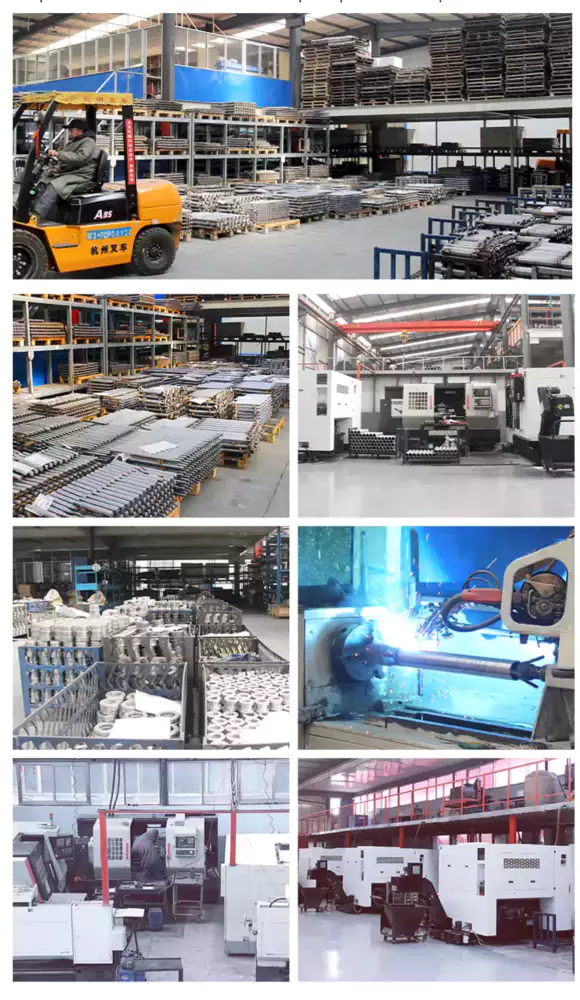
At our company, we specialize in the design, manufacture, and distribution of high-quality gear pumps for industrial and commercial applications. Here are some reasons to choose our products and services:
- Customizable solutions: We offer customized gear pump solutions tailored to the specific needs of your application, ensuring optimal performance and efficiency.
- High-quality materials: We use only high-quality materials in our gear pumps, ensuring long-lasting performance and reliability.
- Technical expertise: Our team of experienced engineers and technicians has the technical expertise and knowledge to help you choose the right gear pump for your application.
- Excellent customer service: We are committed to providing excellent customer service and support, ensuring your satisfaction with our products and services.
- Competitive pricing: We offer competitive pricing on our gear pumps, ensuring that you get the best value for your investment.
Q&A
Q: Can gear pumps handle abrasive fluids?
A: Gear pumps are generally not recommended for handling abrasive fluids as they can cause excessive wear and damage to the gears and casing.
Q: Are gear pumps self-priming?
A: Yes, gear pumps are self-priming and can suck fluid from a lower level and transport it to a higher level without the need for an external priming mechanism.
Q: Can gear pumps handle high viscosity fluids?
A: Yes, gear pumps are well-suited for handling high viscosity fluids like oils, fuels, and chemicals.
Q: Are gear pumps suitable for handling food products?
A: Gear pumps can handle food products, but they are not as gentle on the fluid as lobe pumps, which are better suited for handling shear-sensitive fluids.
Q: Can gear pumps be used in high-pressure applications?
A: Yes, gear pumps are commonly used in high-pressure applications and can handle pressures of up to 3000 psi.
Author: Dream