gear pump power requirements

Gear Pump Power Requirements

Introduction
Gear pump power requirements play a crucial role in the performance and efficiency of gear pumps. Understanding the power requirements is essential for optimizing gear pump operations and ensuring reliable performance. In this article, we will explore the relationship between gear pump power requirements and gear pumps.
Gear Pump Power Requirements and Gear Pump
Gear pump power requirements depend on various factors, including the pump size, speed, viscosity of the fluid being pumped, and desired flow rate. The power required to drive a gear pump can be calculated using the formula:
P = (Q × ΔP) / η
Where:
P is the power (in watts)
Q is the flow rate (in cubic meters per second)
ΔP is the pressure difference (in pascals)
η is the pump efficiency
By accurately determining the power requirements, gear pumps can be properly sized and selected for specific applications, ensuring optimal performance and energy efficiency.
Performance Characteristics of Gear Pump
Gear pumps offer several performance characteristics that make them widely used in various industries. These characteristics include:
1. High Efficiency: Gear pumps are known for their high volumetric efficiency, ensuring minimal losses during operation.
2. Self-Priming: Gear pumps can self-prime, allowing them to handle suction lift applications without the need for additional priming mechanisms.
3. Compact Design: Gear pumps have a compact design, making them suitable for applications where space is limited.
4. Low Noise and Vibration: Gear pumps operate with low noise and vibration levels, ensuring a smooth and quiet operation.
5. Wide Range of Materials: Gear pumps can be constructed from various materials, including cast iron, stainless steel, and bronze, to suit different application requirements.

Types of Gear Pump and Their Characteristics
Gear pumps are available in different types, each with its own characteristics and advantages. Some common types include:
1. External Gear Pump: This type of gear pump has two external gears meshing together, providing a smooth and continuous flow.
2. Internal Gear Pump: Internal gear pumps have an internal gear that meshes with an external gear, offering precise flow control and high pressure capabilities.
3. Gerotor Pump: Gerotor pumps feature an inner and outer gear with different numbers of teeth, delivering high efficiency and low pulsation flow.
4. Lobe Pump: Lobe pumps have lobed rotors that generate a uniform flow with minimal shear, making them suitable for delicate fluids.
5. Magnetic Drive Gear Pump: Magnetic drive gear pumps use magnetic forces to eliminate the need for shaft seals, ensuring leak-free operation.
The choice of gear pump type depends on the specific application requirements, such as flow rate, pressure, and the type of fluid being pumped.
Applications of Gear Pump
Gear pumps find extensive applications in various industries, including:
1. Automotive Industry: Gear pumps are used for lubrication, fuel transfer, and hydraulic systems in vehicles, ensuring smooth operation and performance.
2. Agricultural Machinery: Gear pumps are utilized in agricultural machinery for irrigation, fertilizer distribution, and crop spraying, enhancing productivity and efficiency.
3. Pharmaceutical Industry: Gear pumps play a crucial role in pharmaceutical manufacturing processes, precisely delivering fluids and chemicals.
4. Food Processing: Gear pumps are employed in food processing applications for transferring and dosing liquids, maintaining accuracy and sanitation.
5. Marine Engineering: Gear pumps are used in marine applications for fuel transfer, bilge pumping, and hydraulic systems, ensuring reliable operation at sea.
Future Trends and Opportunities for Gear Pump Products
The gear pump industry is witnessing several trends and opportunities for growth. Some key factors driving the future development include:
– Increasing demand for energy-efficient and environmentally friendly pump solutions.
– Advancements in materials and manufacturing technologies, enabling the production of more reliable and durable gear pumps.
– Growing applications in emerging markets, such as renewable energy and wastewater treatment.
– Integration of smart technologies, such as IoT and automation, for enhanced monitoring and control of gear pump operations.
To leverage these trends and opportunities, it is crucial for gear pump manufacturers to continuously innovate, collaborate with industry stakeholders, and invest in research and development.

Choosing the Right Gear Pump
Selecting the correct gear pump involves considering various factors:
1. Clear Requirements: Define the desired flow rate, pressure, temperature range, and fluid compatibility to identify the most suitable gear pump.
2. Material Selection: Choose a gear pump constructed from materials compatible with the pumped fluid, ensuring long-term reliability and chemical resistance.
3. Design Optimization: Optimize the gear pump design for maximum efficiency, minimizing losses and improving overall performance.
4. Supplier and After-Sales Service: Partner with reputable suppliers offering reliable gear pumps and comprehensive after-sales support for maintenance and troubleshooting.
5. Cost-effectiveness: Evaluate the total cost of ownership, considering factors like initial investment, operational costs, and maintenance expenses.

Gear Pump Maintenance
Proper maintenance is essential to ensure the longevity and optimal performance of gear pumps. Key maintenance practices include:
– Regular Equipment Inspection: Conduct routine inspections to identify any signs of wear, leaks, or damage, allowing for timely repairs or replacements.
– Cleaning and Corrosion Protection: Clean gear pumps regularly to remove debris and contaminants, and apply appropriate corrosion protection measures.
– Lubrication and Care: Follow manufacturer recommendations for lubrication, ensuring smooth operation and reducing friction and wear.
– Replacement of Worn Parts: Monitor the condition of gear pump components and replace any worn or damaged parts to maintain performance and prevent failures.
– Improvements and Upgrades: Stay updated with the latest advancements in gear pump technology and consider upgrading or improving equipment to enhance efficiency and reliability.
Why Choose Us
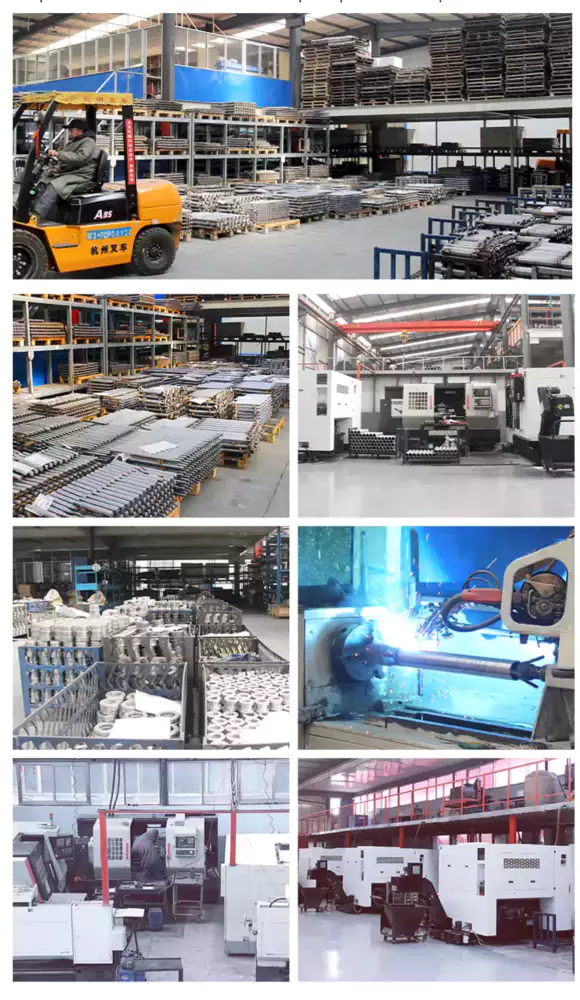
As an experienced company specialized in the production and sales of gear pumps, we offer several reasons why you should choose our products:
1. Superior Quality: Our gear pumps are manufactured using high-quality materials and advanced production techniques, ensuring reliable performance and long service life.
2. Customization Options: We provide customized gear pump solutions tailored to meet specific application requirements, offering optimal performance and efficiency.
3. Technical Expertise: Our team of experts possesses deep knowledge and expertise in gear pump technology, providing comprehensive technical support and assistance.
4. Timely Delivery: We understand the importance of timely delivery and strive to meet our customers’ deadlines, ensuring minimal downtime and uninterrupted operations.
5. Competitive Pricing: We offer competitive pricing without compromising on the quality and performance of our gear pumps, providing excellent value for money.
Product and Company Advantages
Here are five key advantages of our gear pump products and company:
1. High Efficiency: Our gear pumps are designed for maximum efficiency and energy savings, reducing operating costs and environmental impact.
2. Robust Construction: We utilize durable materials and stringent quality control measures to ensure our gear pumps withstand demanding operating conditions.
3. Application Versatility: Our gear pumps can handle a wide range of fluids, making them suitable for diverse industries and applications.
4. Technical Support: We provide comprehensive technical support and guidance to assist customers in selecting, installing, and maintaining our gear pumps.
5. Customer Satisfaction: We prioritize customer satisfaction and strive to exceed expectations through reliable products, prompt communication, and exceptional service.
Q&A
1. Q: Can gear pumps handle high-viscosity fluids?
A: Yes, gear pumps are capable of handling high-viscosity fluids, thanks to their positive displacement design and tight clearances between gears.
2. Q: Are gear pumps suitable for transferring corrosive chemicals?
A: Gear pumps can be constructed from corrosion-resistant materials, such as stainless steel or specialty alloys, making them suitable for handling corrosive chemicals.
3. Q: What are the common causes of gear pump failures?
A: Common causes of gear pump failures include excessive wear, cavitation, improper installation, and lack of proper maintenance and lubrication.
4. Q: Are gear pumps self-priming?
A: Yes, gear pumps have self-priming capabilities, allowing them to draw fluid from a lower level without the need for external priming mechanisms.
5. Q: Can gear pumps handle high-pressure applications?
A: Yes, gear pumps can handle high-pressure applications, but the specific pressure capabilities depend on the pump design and construction materials.
Author: Dream