gear pump technical support

Gear Pump Technical Support and its Relationship with Gear Pump
Gear pumps are widely used in various industries like automotive, agriculture, pharmaceuticals, food processing, and marine engineering, among others. In order to ensure that gear pumps operate efficiently, proper technical support is crucial. Gear pump technical support refers to the assistance provided to customers to help them understand the functioning and maintenance of gear pumps. It includes providing technical information, troubleshooting, and repairs, among other things.
The Navigational Link between Gear Pump Technical Support and Gear Pump
The relationship between gear pump technical support and gear pump is symbiotic. Technical support helps gear pump users operate and maintain gear pumps effectively and efficiently, which in turn ensures the durable performance of the gear pump. On the other hand, gear pump manufacturers benefit from providing effective technical support to customers by creating customer loyalty and increasing customer satisfaction.

Gear Pump Performance Characteristics
Gear pumps have various performance characteristics that make them ideal for various industrial applications. Some of the performance characteristics of gear pumps include:
- High volumetric efficiency
- Low fluid pulsation
- Low noise level
- High pressure capability
- High viscosity handling capability
Gear Pump Types and Materials
Gear pumps come in different types and are made of different materials. Some of the common gear pump types include external gear pumps, internal gear pumps, and gerotor pumps. Gear pumps can be made from materials like cast iron, bronze, stainless steel, and plastic. The choice of material depends on the application and the fluid being pumped. For example, bronze and stainless steel are commonly used for handling corrosive fluids, while plastic is used for handling fluids that are not compatible with metal materials.

Gear Pump Applications in Various Industries
Gear pumps have various industrial applications, some of which include:
Automotive Industry
Gear pumps are used for oil and fuel transfer in engines, transmissions, and hydraulic systems.
Agriculture
Gear pumps are used for crop spraying, irrigation, and liquid fertilizer application.
Pharmaceutical Industry
Gear pumps are used for the transfer of liquids and syrups in pharmaceutical production.
Food Processing
Gear pumps are used for the transfer of food and beverage products like dairy, honey, and chocolate.
Marine Engineering
Gear pumps are used for bilge pumping, ballast transfer, and fuel transfer in marine vessels.
Gear Pump Future Development and Opportunities
The gear pump industry is expected to grow in the coming years, with increasing demand from various industrial applications. One of the major trends in gear pump development is the use of smart technology to improve the performance and efficiency of gear pumps. This includes the use of sensors and data analysis to monitor gear pump performance and predict maintenance requirements.

How to Choose the Right Gear Pump
Choosing the right gear pump involves several considerations, including:
Clarifying Requirements
It is important to clearly define the requirements for the gear pump, including the flow rate, pressure, and fluid viscosity.
Material Selection
The material selection should be based on the fluid being pumped, the operating conditions, and the compatibility of the materials with the fluid.
Design Optimization
The gear pump design should be optimized for the application, including the gear tooth profile, pump size, and clearances.
Supplier and After-sales Service
Choosing a reputable gear pump supplier with good after-sales service can ensure that the gear pump operates reliably and efficiently.
Cost-effectiveness
The cost of the gear pump should be balanced against its performance and reliability to ensure cost-effectiveness.
Quality Control
Quality control measures should be in place to ensure that the gear pump meets the required standards and specifications.

Gear Pump Maintenance
Proper gear pump maintenance is crucial in ensuring the smooth operation and longevity of the gear pump. Some of the maintenance activities include:
Regular Equipment Inspection
Gear pumps should be inspected regularly to detect any signs of wear and tear or damage.
Cleaning and Corrosion Prevention
Gear pumps should be cleaned and protected against corrosion to ensure their durability and longevity.
Lubrication and Maintenance
Gear pumps should be properly lubricated and maintained to ensure smooth operation and prevent damage to the gears.
Replacement of Worn Parts
Worn parts should be replaced promptly to prevent further damage to the gear pump.
Improvement and Upgrades
Gear pump performance can be improved through upgrades and modifications, including the use of advanced materials and smart technology.
Why Choose Us
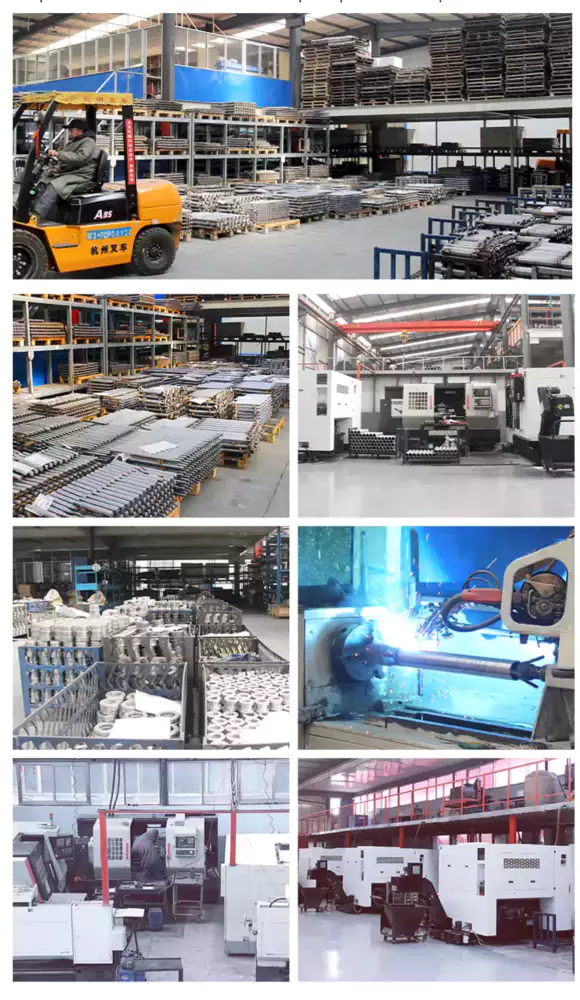
Our company specializes in the production and sale of high-quality gear pumps for various industrial applications. Our gear pumps are made of high-quality materials and are designed and optimized for specific applications. Some of the advantages of our products and company include:
- Wide range of gear pump types and materials
- Customized gear pump design and optimization
- High-quality products and reliable performance
- Competitive prices and cost-effectiveness
- Excellent after-sales service and technical support
Q&A
Q: What are the advantages of gear pumps over other types of pumps?
A: Gear pumps have high volumetric efficiency, low fluid pulsation, and low noise level, making them ideal for various industrial applications.
Q: How do I choose the right gear pump for my application?
A: You should consider factors like flow rate, pressure, fluid viscosity, material compatibility, and cost-effectiveness when choosing a gear pump.
Q: How do I maintain my gear pump?
A: Gear pumps should be regularly inspected, cleaned, lubricated, and worn parts should be replaced promptly to ensure smooth operation and longevity.
Q: What is the future of gear pump technology?
A: The future of gear pump technology lies in the use of smart technology to improve performance and efficiency, including the use of sensors and data analysis.
Q: What are the advantages of choosing your company for gear pump products?
A: Our company offers a wide range of gear pump types and materials, customized designs and optimization, high-quality products and reliable performance, competitive prices, and excellent after-sales service and technical support.
Author: Dream