gear shaft types

Gear Shaft Types and Their Importance in Various Industries
Gear shafts, also known as transmission shafts, are an essential component of many machines. They consist of a shaft with teeth or other means to transmit torque and power between rotating objects, often in a gearbox. There are several gear shaft types that have different applications and are used in various industries. In this article, we will discuss gear shaft types, their features, and their importance in today’s industries.
Gear Shaft Types
Straight
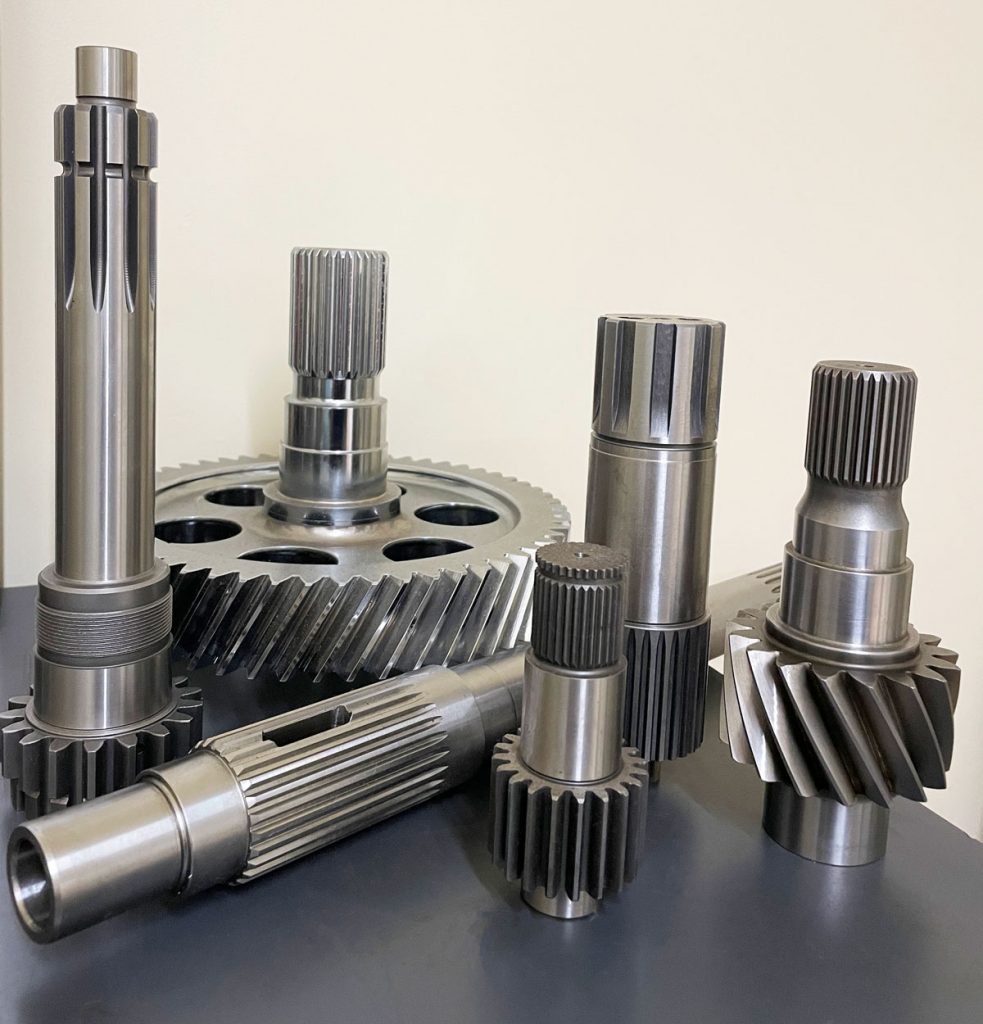
The straight gear shaft is the simplest and most common type of gear shaft. It has straight teeth that run parallel to the shaft’s axis. Straight gear shafts are used in applications that require low to moderate power transmission, such as in conveyor systems, packaging equipment, and industrial mixers.
Helical
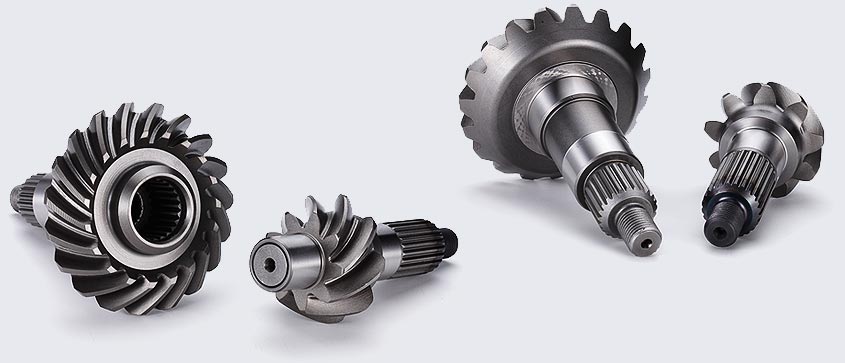
The helical gear shaft has teeth that are angled along the shaft’s axis, similar to a screw. This design allows for smoother, quieter gear operation and a higher power transmission capability than straight gear shafts. Helical gear shafts are used in applications like power tools, automotive transmissions, and printing presses.
Bevel
Bevel gear shafts have teeth that are cut along the shaft’s cone-shaped surface. They transmit power between two shafts that intersect at an angle. Bevel gear shafts are often used in automotive differential systems and machine tool gearboxes.
Worm
The worm gear shaft is a type of gear that has a screw-like shape. Its teeth mesh with a gear wheel, which rotates perpendicularly to the worm gear’s axis. Worm gear shafts are used in applications that require high torque and low speed, such as in heavy-duty machinery and elevators.
Gear Shaft Types and Gear Shaft
Informational systems play a critical role in industrial processes. Gear shaft types are essential components of these systems as they transmit power between various machine parts. The gear shaft and gear shaft types work together to achieve the desired output from the machine. The gear ratio of the gear shaft determines the torque and speed output of the system. The relationship between gear shaft types and gear shafts is so important that a slight miscalculation in the gear ratio can lead to system failure or damage to the machine. Therefore, choosing the right type of gear shaft is crucial for the efficient functioning of a machine.
Gear Shaft Performance Characteristics
Gear shafts have several performance characteristics that set them apart from other components. These characteristics include:
Durability
Gear shafts are designed to withstand high loads and stresses. They are made with durable materials and precise manufacturing processes to ensure a long service life.
Efficiency
Gear shafts, when used correctly in a system, can operate with high efficiency. They transmit power with minimal energy loss, making them an ideal choice for power transmission applications.
Accuracy
Gear shafts are designed to mesh with other components with high precision. Their accuracy ensures that the system operates with high performance and reliability.
Cost-effectiveness
Gear shafts are relatively inexpensive compared to other industrial components. Their cost-effectiveness makes them an attractive option for many applications.
Customizable
Gear shafts can be customized to meet specific application requirements. This customization ensures that the system operates at optimal performance levels.
Types of Gear Shafts and Their Features
There are several types of gear shafts available, and each type has unique features that make them suitable for specific applications. The most common types of gear shafts include:
Steel Gear Shafts
Steel gear shafts are the most common type of gear shaft. They are made of high-quality steel and are suitable for applications that require high load capacity.
Stainless Steel Gear Shafts
Stainless steel gear shafts are resistant to rust and corrosion, making them suitable for applications that require exposure to water or chemicals.
Cast Iron Gear Shafts
Cast iron gear shafts have high strength and durability, making them suitable for high-load applications. They are also resistant to wear and tear and can withstand high temperatures.
Aluminum Gear Shafts
Aluminum gear shafts are lightweight and have good thermal conductivity. They are suitable for applications that require low to moderate load capacity and where weight is a critical factor.
Applications of Gear Shafts
Gear shafts are used in various industries and applications, including:
Automotive Industry
Automotive transmissions and differential systems use gear shafts to transmit power between the engine and wheels.
Energy Industry
Wind turbines, hydroelectric generators, and other energy systems use gear shafts to transmit power from the turbine or generator to an electrical generator.
Agricultural Equipment
Agricultural equipment like tractors and harvesters use gear shafts to power the machine’s various components, including the wheels and blades.
Industrial Machinery
Industrial machinery like mixers, conveyor belts, and printing presses use gear shafts to power the machine’s various components.
Transportation and Rail Industry
The transportation and rail industries use gear shafts to power various systems, including propulsion systems and braking systems.
Gear Shaft Product Future Trends and Opportunities
The gear shaft market is expected to grow significantly in the coming years due to the increasing demand for power transmission components in various industries. The increasing demand for energy-efficient systems and the rise of the renewable energy sector are also expected to drive the growth of the gear shaft market. There are also opportunities for gear shaft manufacturers to develop new materials and manufacturing processes to improve gear shaft performance and durability. To take advantage of these trends and opportunities, gear shaft manufacturers should focus on developing innovative products that meet the unique needs of their customers.
How to Choose the Right Gear Shaft
Choosing the right gear shaft for your application is critical for achieving optimal system performance. Here are some factors to consider when choosing a gear shaft:
Define Your Needs
Before choosing a gear shaft, you need to define your application’s specific needs. What are the load requirements? What is the operating speed? What is the environmental condition?
Material Selection
The material selection of the gear shaft depends on the application’s specific needs. Steel and cast iron are commonly used for high-load applications, while aluminum is suitable for low to moderate load applications.
Design Optimization
Optimizing the gear shaft’s design is critical for achieving optimal system performance. The gear shaft’s diameter, pitch, and tooth profile should be designed to match the specific application’s load and speed requirements.
Supplier and After-Sales Service
Choosing the right supplier is crucial for ensuring the gear shaft’s quality and reliability. The supplier should have a proven track record of providing high-quality gear shafts and excellent after-sales service.
Cost-effectiveness
The gear shaft’s cost-effectiveness is a critical factor to consider when choosing a gear shaft. The gear shaft’s cost should be balanced with its performance and durability to achieve the best value for money.
Quality Control
The gear shaft’s quality should be carefully controlled to ensure that it meets the application’s specific needs. Quality control measures should include inspection, testing, and certification.
Gear Shaft Maintenance
Proper maintenance of gear shafts is essential for ensuring their long service life and optimal performance. Here are some maintenance tips for gear shafts:
Regular Equipment Inspection
Regular inspection of the equipment is critical for identifying any potential issues with the gear shaft. This inspection should include checking for cracks, wear, and alignment issues.
Cleaning and Anti-corrosion
Keeping the gear shaft clean and protected from corrosion is critical for maintaining its performance. Use appropriate cleaning agents and anti-corrosion coatings to protect the gear shaft from rust and corrosion.
Lubrication and Maintenance
Proper lubrication and maintenance of the gear shaft are essential for ensuring its optimal performance. Use the appropriate lubricants and follow the recommended maintenance schedule.
Replace Worn-out Parts
If any parts of the gear shaft are worn out, they should be replaced immediately to prevent further damage to the equipment.
Why Choose Us?
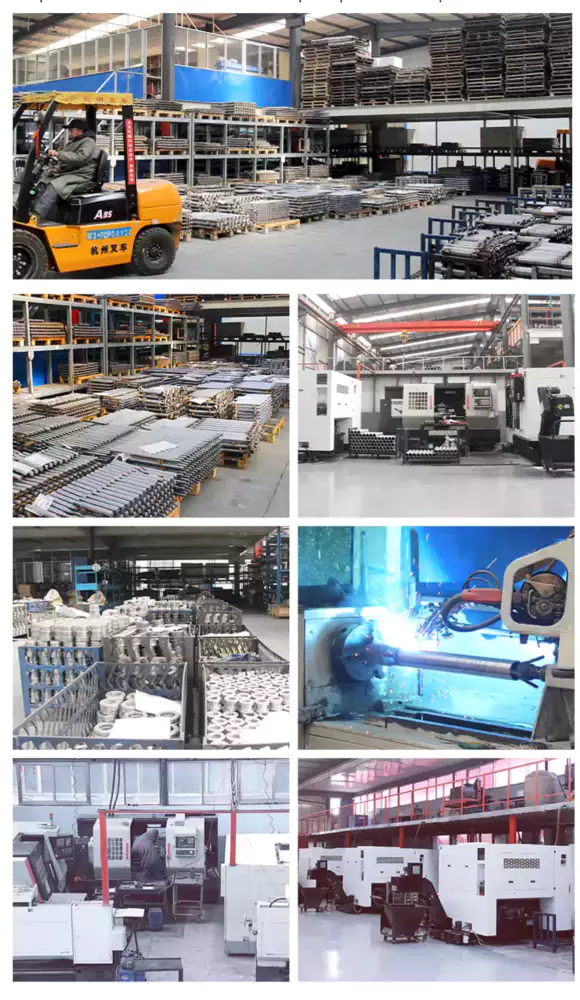
Our company specializes in the production and sale of high-quality gear shafts for various applications. Here are some reasons to choose our products:
Durable Materials
Our gear shafts are made of high-quality materials that ensure their durability and long service life.
Customizable Designs
Our gear shafts can be customized to meet your specific application needs, ensuring optimal performance and efficiency.
Excellent Customer Service
We are committed to providing excellent customer service and support. Our team is always available to address any questions or concerns you may have.
Competitive Pricing
Our gear shafts are competitively priced, ensuring that you get the best value for your money.
Quick Delivery
We offer quick delivery times to ensure that you get your gear shafts when you need them.
Q&A
Q: What is the difference between straight and helical gear shafts?
A: Straight gear shafts have straight teeth that run parallel to the shaft’s axis, while helical gear shafts have teeth that are angled along the shaft’s axis. Helical gear shafts offer smoother, quieter operation and higher power transmission capabilities than straight gear shafts.
Q: What are the benefits of using aluminum gear shafts?
A: Aluminum gear shafts are lightweight and have good thermal conductivity. They are suitable for low to moderate load applications where weight is a critical factor.
Q: How do I maintain my gear shaft?
A: Proper maintenance of gear shafts includes regular inspection, cleaning, lubrication, and replacing worn-out parts.
Q: Why is choosing the right supplier important?
A: Choosing the right supplier is important for ensuring the gear shaft’s quality and reliability. The supplier should have a proven track record of providing high-quality gear shafts and excellent after-sales service.
Q: How can I choose the right gear shaft for my application?
A: To choose the right gear shaft, you need to define your application’s specific needs, select the appropriate material, optimize the design, choose the right supplier, consider cost-effectiveness, and ensure quality control.
In conclusion, gear shafts are critical components of many machines and industrial processes. Choosing the right gear shaft type, material, and design is crucial for achieving optimal system performance. Gear shafts are used in various industries and applications, and their importance is expected to grow in the coming years. We are committed to providing high-quality gear shafts that meet your specific needs and requirements. Contact us today to learn more about our products and services.
Author: Dream