gear shaft in automotive applications

Gear Shaft in Automotive Applications
Introduction
Gear shafts play a crucial role in automotive applications, ensuring efficient power transmission and smooth operation of various components. In this article, we will delve into the world of gear shafts and explore their significance in the automotive industry.
Gear Shaft and Gear Shaft in Automotive Applications
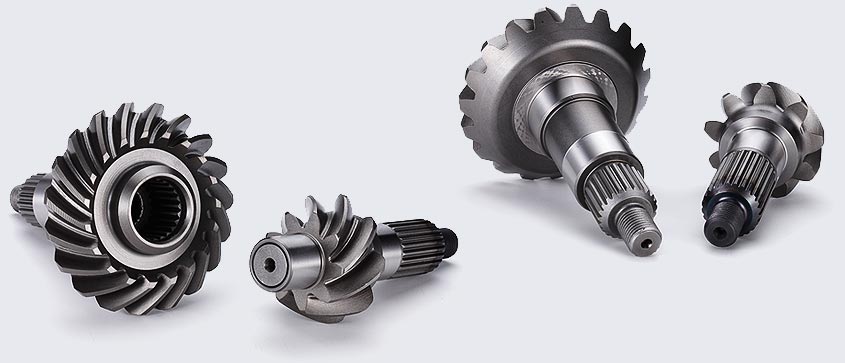
Gear shafts are vital components that form an integral part of automotive systems. They facilitate the transfer of torque and rotation between gears, enabling the proper functioning of different mechanisms in vehicles. The image below showcases a gear shaft used in automotive applications:
Performance Characteristics of Gear Shaft
1. High Load Capacity: Gear shafts are designed to withstand significant loads and transmit power efficiently.
2. Precise Gear Engagement: Gear shafts ensure accurate gear meshing, minimizing noise and vibration.
3. Wear Resistance: Through the use of appropriate materials and surface treatments, gear shafts exhibit excellent wear resistance.
4. Efficient Power Transmission: With minimal energy loss, gear shafts ensure efficient power transfer across various automotive systems.
5. Low Friction: Gear shafts are engineered to minimize friction and maximize overall system efficiency.
Types and Characteristics of Gear Shaft
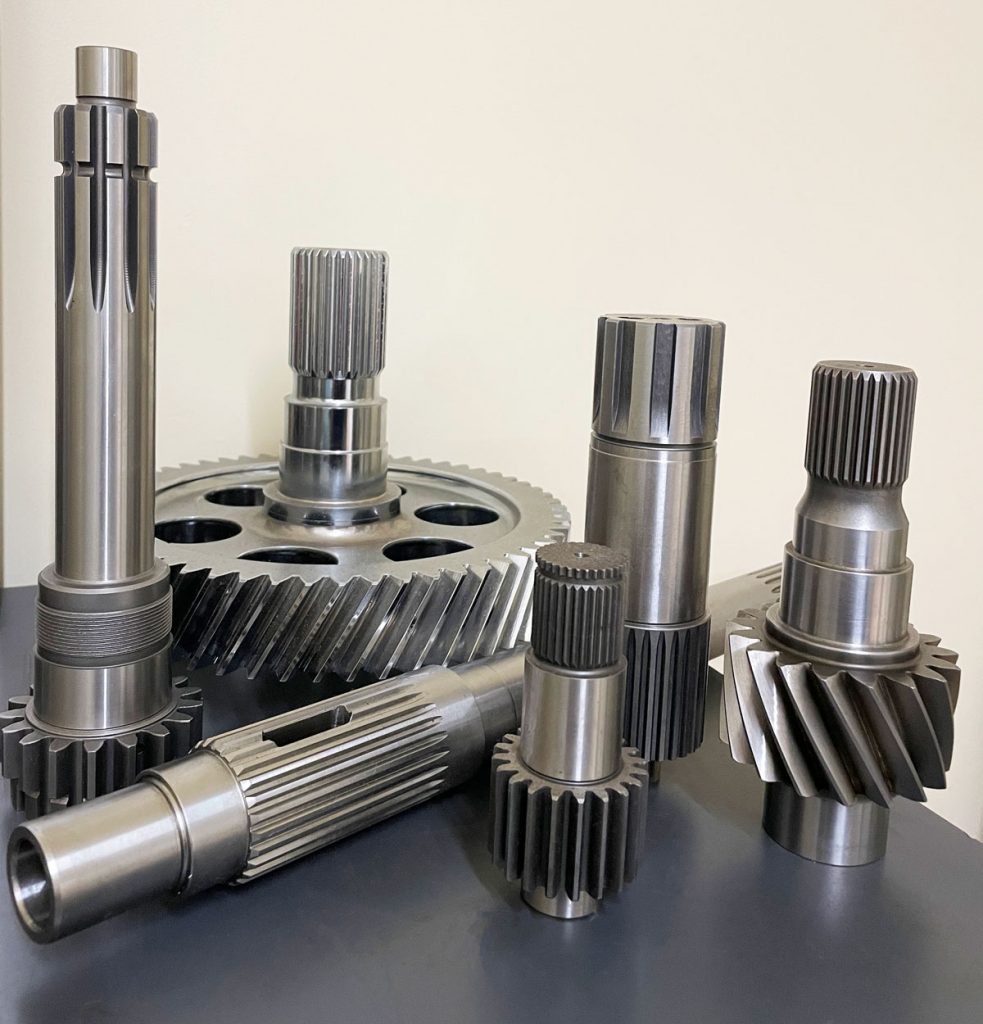
Gear shafts come in various types, each catering to specific application requirements. The image below showcases different types of gear shafts and their unique characteristics:
Applications in Different Industries
1. Automotive Industry
Gear shafts find extensive utilization in the automotive industry, from transmission systems to steering mechanisms, ensuring efficient power delivery and control.
2. Energy Sector
In the energy sector, gear shafts are crucial components in wind turbines, hydroelectric generators, and other renewable energy systems, enabling efficient energy conversion.
3. Agricultural Equipment
Gear shafts play a vital role in agricultural machinery such as tractors and harvesters, facilitating the power transfer needed for various farming operations.
4. Industrial Machinery
In industrial machinery, gear shafts are utilized in a range of applications, including conveyor systems, machine tools, and manufacturing equipment, ensuring precise and reliable operation.
5. Transportation and Railway
Gear shafts are essential in transportation and railway systems, enabling efficient power transmission in vehicles, locomotives, and high-speed trains.
Future Trends and Opportunities
The gear shaft industry is constantly evolving, driven by technological advancements and increasing demands. Some future trends and opportunities include:
1. Lightweight and High-Strength Materials: The development of advanced materials will lead to gear shafts with improved performance, offering higher strength-to-weight ratios.
2. Electric and Hybrid Vehicles: The rise of electric and hybrid vehicles will create new opportunities for gear shaft manufacturers, requiring adaptations to cater to unique powertrain systems.
3. Automation and Industry 4.0: The integration of automation and smart manufacturing technologies will revolutionize gear shaft production, enhancing efficiency and customization.
4. Sustainable Manufacturing: The industry will focus on sustainable manufacturing processes, reducing environmental impact through efficient resource utilization and waste reduction.
5. Global Market Expansion: With increasing globalization, gear shaft manufacturers have opportunities to expand their market reach and cater to emerging economies.
Selecting the Right Gear Shaft
Choosing the appropriate gear shaft involves considering various factors:
1. Clear Identification of Requirements: Understanding the specific application requirements is crucial in selecting the right gear shaft.
2. Material Selection: Optimal material choice ensures compatibility with operating conditions, offering the desired strength and durability.
3. Design Optimization: Collaborating with experts to optimize gear shaft design can improve performance and longevity.
4. Supplier and After-Sales Support: Working with reputable suppliers offering excellent after-sales support ensures product quality and reliability.
5. Cost-Effectiveness: Balancing cost considerations with performance is essential to ensure cost-effectiveness without compromising quality.
Gear Shaft Maintenance
Proper maintenance of gear shafts helps prolong their lifespan and optimize performance. Key maintenance practices include:
1. Regular Equipment Inspection: Conducting routine inspections ensures early detection of any issues or signs of wear.
2. Cleaning and Corrosion Prevention: Regular cleaning and the application of suitable anti-corrosion measures protect gear shafts from damage.
3. Lubrication and Greasing: Adequate lubrication ensures smooth operation, reduced friction, and minimized wear.
4. Replacement of Worn Components: Promptly replacing worn or damaged components prevents further damage and ensures optimal gear shaft performance.
5. Improvement and Upgrades: Embracing technological advancements and upgrading gear shaft systems can enhance efficiency and functionality.
Why Choose Us
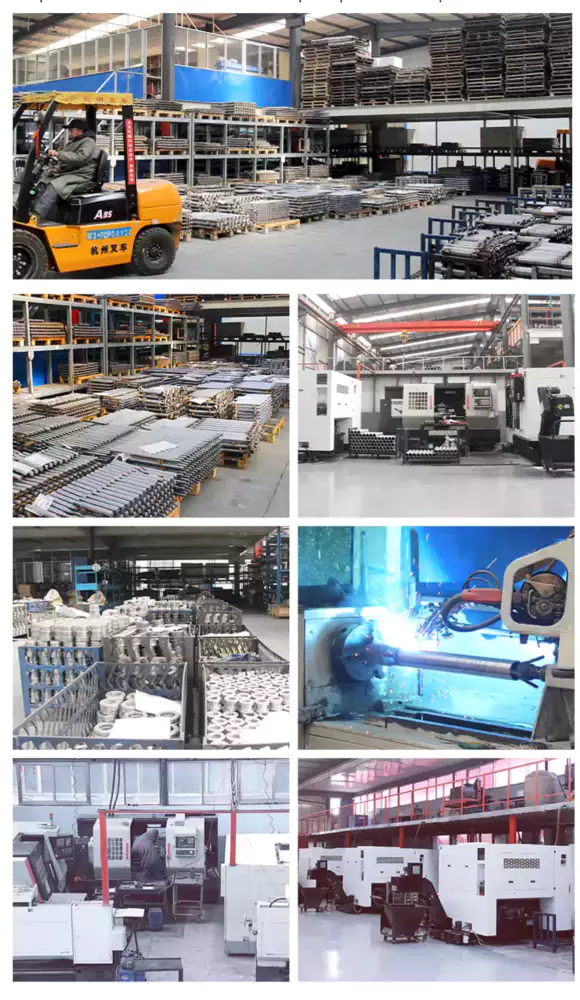
At [Your Company Name], we are leading manufacturers and suppliers of high-quality gear shafts for automotive applications. Our products offer several advantages:
1. Superior Durability: Our gear shafts are engineered with premium materials, ensuring exceptional durability and long service life.
2. Precision Engineering: We employ advanced manufacturing techniques to produce gear shafts with excellent precision and reliable performance.
3. Customization Options: We offer tailored solutions, catering to specific customer requirements and ensuring optimal compatibility.
4. Timely Delivery: Our streamlined production processes and efficient supply chain management enable us to deliver gear shafts promptly.
5. Dedicated Customer Support: We provide exceptional customer support, assisting our clients throughout the entire ordering and after-sales process.
Q&A
1. Are gear shafts only used in automobiles?
No, gear shafts find application in various industries beyond automobiles, including energy, agriculture, and industrial machinery.
2. What materials are commonly used for gear shaft manufacturing?
Common materials include alloy steels, carbon steels, and stainless steels, chosen based on specific application requirements.
3. Can gear shafts be repaired?
Minor damages can sometimes be repaired, but significant damage often requires replacement of the gear shaft.
4. How do gear shafts contribute to energy efficiency?
Gear shafts minimize energy losses by ensuring efficient power transmission and reducing friction in various automotive systems.
5. What are the main challenges in gear shaft manufacturing?
Some challenges include maintaining tight tolerances, optimizing gear tooth profiles, and achieving proper heat treatment for durability.
Author: Dream