gear shaft in consumer electronics

Gear Shaft in Consumer Electronics
Gear shafts are an essential component of many devices used in modern consumer electronics. They play an important role in transmitting power and motion between different parts of a device. This article will explore the role of gear shafts in consumer electronics, their types and characteristics, applications in different industries, future trends, and how to choose them and maintain them properly.
The Relationship between Gear Shaft in Consumer Electronics and Gear Shaft Based on Informational
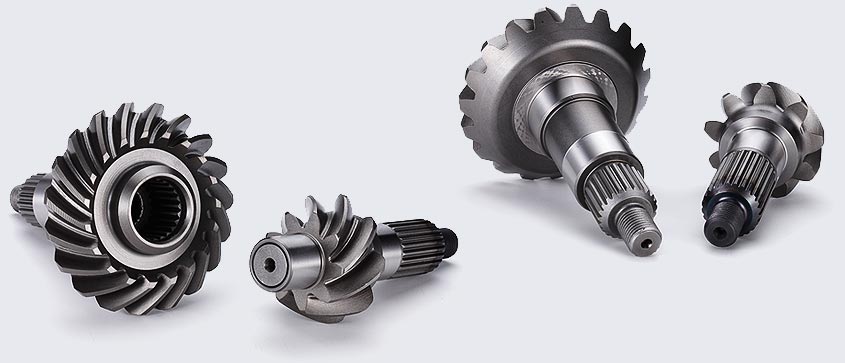
Consumer electronics are becoming more complex and advanced, with smaller and more powerful components. Gear shafts are an important part of these devices, providing the necessary power transmission and motion control. Gear shafts based on informational technology can provide even more precise control and ensure that the device operates reliably and effectively.
Gear Shaft Performance Characteristics
Gear shafts are designed to transmit torque and rotation between different parts of a device. They must be strong, durable, and reliable to withstand the stresses and forces of operation. The performance characteristics of gear shafts include:
- Load capacity: the maximum load that a gear shaft can handle without failure
- Torsional stiffness: the ability of a gear shaft to resist twisting under load
- Surface finish: the smoothness of the gear shaft surface, affecting friction and wear
- Noise and vibration: gear shafts can cause noise and vibration if not designed and manufactured properly
Types and Characteristics of Gear Shaft
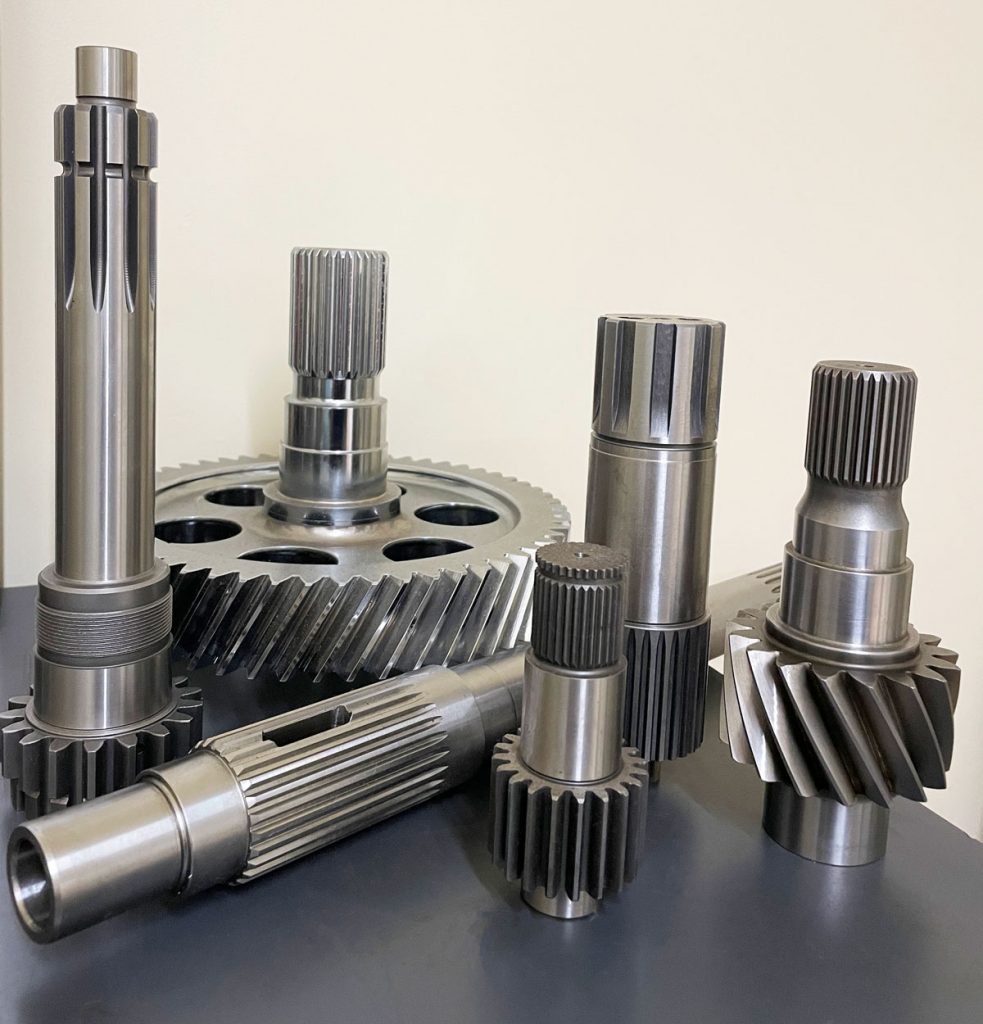
Gear shafts can be classified into different types based on their shape, size, and function. The most common types of gear shafts are:
- Spur gear shafts: have straight teeth and are used for parallel shafts
- Helical gear shafts: have angled teeth and are used for higher torque applications
- Bevel gear shafts: have conical teeth and are used for changing direction of rotation
- Worm gear shafts: have a screw-like shape and are used for high reduction ratios
The characteristics of gear shafts depend on the material used for manufacturing. Some common materials include steel, aluminum, brass, and plastics. Steel gear shafts are strong and durable, while aluminum gear shafts are light and corrosion-resistant. Brass gear shafts have good wear resistance and are used in low-load applications. Plastic gear shafts are lightweight and can reduce noise and vibration.
Applications of Gear Shaft in Different Industries
Automotive Industry
Gear shafts are used in various parts of a vehicle, including the engine, transmission, and differential. They are critical for ensuring smooth and efficient power transmission between different parts of the vehicle. For example, in manual transmissions, gear shafts are used to change the speed and torque of the vehicle. In differential systems, gear shafts are used to distribute power between the wheels.
Energy Industry
Gear shafts are used in wind turbines, hydroelectric generators, and other energy production equipment. They help to convert the rotational motion of the blades or turbines into electrical energy. Gear shafts in these applications must be designed to withstand high forces and stresses and operate reliably over long periods of time.
Agricultural Equipment
Gear shafts are used in tractors, combines, and other agricultural machinery. They help to transmit power from the engine to the wheels or other components of the equipment. Gear shafts in these applications must be durable and reliable to withstand the harsh conditions of agricultural work.
Industrial Machinery
Gear shafts are used in various industrial machinery, including conveyor systems, pumps, and compressors. They play an important role in ensuring the smooth and efficient operation of these machines. Gear shafts in these applications must be designed to withstand high loads and stresses and operate reliably over long periods of time.
Transportation and Railway Industry
Gear shafts are used in various transportation and railway equipment, including ships, locomotives, and rolling stock. They help to transmit power to the wheels or other components of the equipment. Gear shafts in these applications must be durable and reliable to ensure the safety and efficiency of the equipment.
Future Trends and Opportunities for Gear Shaft Products
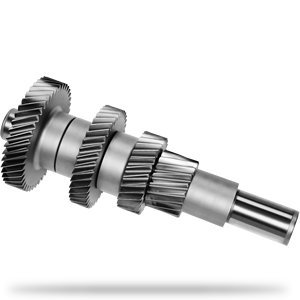
The demand for gear shaft products is expected to increase in the coming years, driven by the growth of various industries and the need for more efficient and reliable equipment. Some of the trends and opportunities for gear shaft products include:
- Growth in the automotive industry, especially electric and hybrid vehicles, which require more efficient and reliable gear shafts
- Growth in the renewable energy industry, especially wind and solar power, which require larger and more efficient gear shafts
- Growth in the industrial automation industry, which requires more precise and reliable gear shafts for robotic and other applications
- Increased focus on reducing noise and vibration in gear shaft systems, leading to the development of new materials and designs
How to Choose the Right Gear Shaft
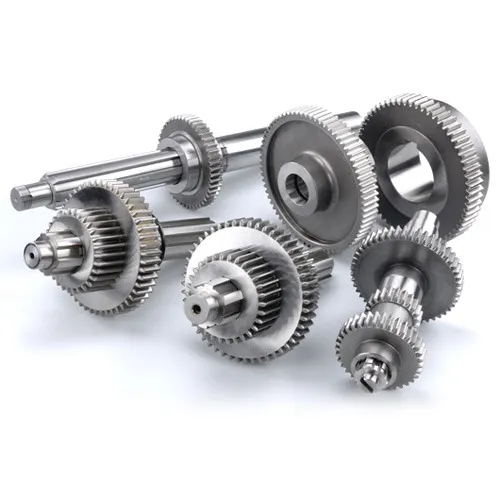
Choosing the right gear shaft depends on several factors, including the specific application, the required load capacity, the environment, and the cost. Some key considerations when choosing a gear shaft include:
- Clarifying the specific requirements of the application, including torque, speed, and power
- Selecting the appropriate material based on the environmental conditions and load capacity
- Optimizing the design of the gear shaft for maximum efficiency and reliability
- Selecting a reputable supplier with a proven track record of quality and reliability
- Evaluating the cost-effectiveness of the gear shaft and considering the total cost of ownership over its lifespan
How to Maintain Gear Shaft
Maintaining gear shafts is important to ensure their continued performance and reliability. Some key maintenance activities include:
- Regular equipment inspections to identify any signs of wear or damage
- Cleaning and corrosion protection to prevent damage from moisture and other environmental factors
- Lubrication to reduce friction and wear on the gear teeth
- Replacing worn or damaged gear shaft components to prevent failure
- Upgrading or improving gear shaft designs to improve performance and efficiency
Why Choose Us
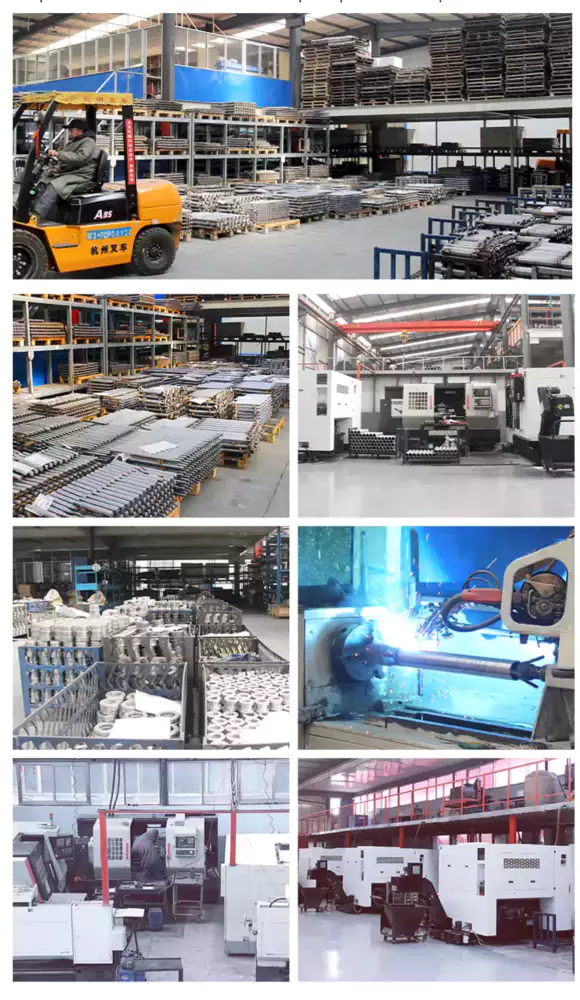
Our company is a professional manufacturer and supplier of gear shafts for a wide range of applications. Our products and services have several advantages:
- Wide range of gear shaft types and materials to meet different application requirements
- High-quality products that are designed and manufactured to meet or exceed industry standards
- Competitive pricing and cost-effectiveness for our customers
- Excellent customer service and technical support to ensure customer satisfaction
- Continuous improvement and innovation to provide the latest and best gear shaft products and services
Q&A
Q1: What is the role of gear shaft in consumer electronics?
A1: Gear shafts in consumer electronics play an important role in transmitting power and motion between different parts of a device, ensuring smooth and efficient operation.
Q2: What are the main performance characteristics of gear shaft?
A2: The main performance characteristics of gear shaft include load capacity, torsional stiffness, surface finish, and noise and vibration.
Q3: What are the types of gear shaft?
A3: The types of gear shaft include spur gear shafts, helical gear shafts, bevel gear shafts, and worm gear shafts.
Q4: What are the applications of gear shaft in different industries?
A4: Gear shafts are used in various industries, including automotive, energy, agricultural, industrial machinery, transportation, and railway.
Q5: How to choose the right gear shaft?
A5: Factors to consider when choosing a gear shaft include the specific application, the required load capacity, the environment, and the cost.
Author: Dream