gear shaft failure modes

Gear Shaft Failure Modes and Its Relationship with Gear Shaft
Gear shaft failure modes refer to the different ways in which gear shafts can fail or break down over time due to wear and tear, improper use, or other factors. Understanding these failure modes is crucial for identifying potential problems with gear shafts early on and implementing the appropriate maintenance or repair measures to prevent them from worsening.
Gear Shaft Failure Modes
There are several gear shaft failure modes, including:
- Fatigue failure
- Wear failure
- Hertzian fatigue failure
- Bending fatigue failure
- Torsional fatigue failure
- Scoring failure
- Corrosion failure
- Impact failure
Each of these failure modes occurs due to different reasons and has unique characteristics that affect gear shaft performance and lifespan.
Informational Connection between Gear Shaft Failure Modes and Gear Shaft
Gear shaft failure modes are closely related to gear shafts as they can significantly affect the performance and functionality of the latter. For instance, if a gear shaft fails due to fatigue or wear failure, it can cause the gears to break down or malfunction, leading to equipment failure and downtime.
Moreover, some gear shaft failure modes, such as Hertzian fatigue failure and scoring failure, can result from problems with gear design, manufacturing, or material selection. Therefore, understanding gear shaft failure modes can help manufacturers and designers optimize gear design and material selection to prevent these types of failures from occurring in the first place.
Gear Shaft Performance Characteristics
Gear shafts are crucial components of many types of machinery and equipment, including automobiles, industrial machines, and agricultural machinery. They perform several critical functions, such as transmitting torque and rotational energy between gears and other components.
Some of the key performance characteristics of gear shafts include:
- High load-carrying capacity
- High durability and strength
- High efficiency and minimal energy loss
- Accurate and consistent transmission of torque and rotational energy
- Minimal noise and vibration
Manufacturers can optimize gear shaft performance by selecting the appropriate material, design, manufacturing process, and lubrication method based on the specific application and requirements.
Gear Shaft Types and Characteristics
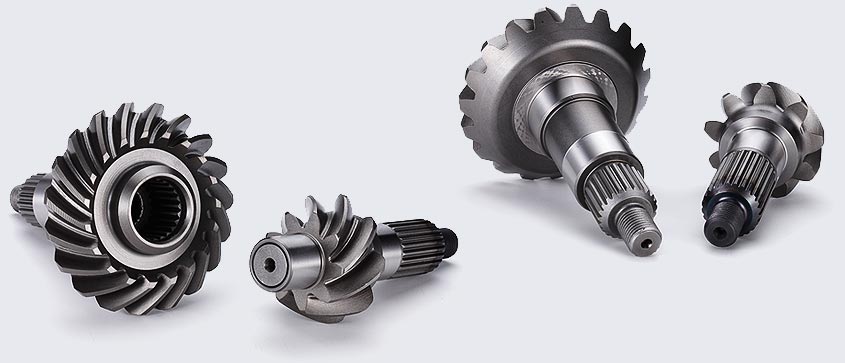
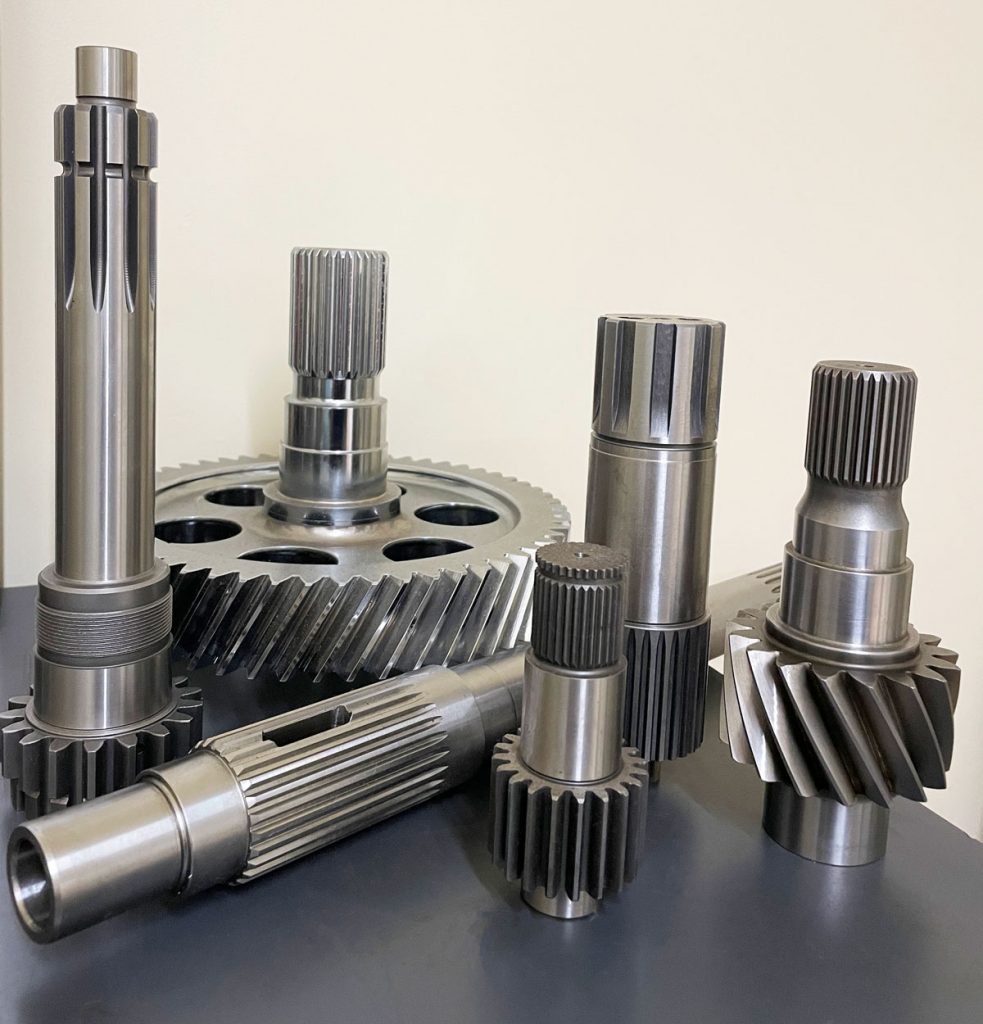
Gear shafts come in various types and designs, depending on the specific application and requirements. Some of the most common gear shaft types include spur, helical, bevel, worm, and hypoid gear shafts.
Each of these gear shaft types has unique characteristics that affect its performance, such as:
- Spur gear shafts: simple and efficient but generate significant noise and vibration
- Helical gear shafts: quieter and smoother than spur gear shafts but less efficient and more complex to manufacture
- Bevel gear shafts: used for transferring power between intersecting shafts at any angle
- Worm gear shafts: used for high reduction ratios and low efficiency applications
- Hypoid gear shafts: used for high torque and offset applications
Moreover, different materials, such as steel, cast iron, and aluminum, offer different benefits and drawbacks in terms of strength, durability, and cost-effectiveness. Therefore, selecting the appropriate gear shaft material is crucial for optimizing gear performance and lifespan.
Gear Shaft Applications in Various Industries
Gear shafts play a critical role in various industries, including:
- Automotive industry: gear shafts are essential components of car transmissions, engines, and other systems
- Energy sector: gear shafts are used in wind turbines, generators, and other energy production equipment
- Agricultural equipment: gear shafts are used in farming machinery, such as tractors and harvesters
- Industrial machinery: gear shafts are used in various types of machinery, such as conveyor systems, mixers, and pumps
- Transportation and railway industry: gear shafts are used in trains and other transportation vehicles for power transmission
Each of these industries has unique requirements and challenges, and gear shafts must meet specific performance criteria to ensure optimal performance and reliability.
Gear Shaft Future Trends and Opportunities
The gear shaft industry is constantly evolving, driven by technological advancements, changing customer needs, and other factors. Some of the current trends and opportunities in the gear shaft market include:
- Increasing demand for lightweight and high-strength gear shafts for use in electric and hybrid vehicles
- Growing focus on sustainable and eco-friendly manufacturing processes and materials
- Advancements in gear design and simulation techniques to optimize gear performance and durability
- Increasing adoption of Industry 4.0 technologies, such as automation, artificial intelligence, and IoT, for more efficient and effective gear production and maintenance
How to Choose the Right Gear Shaft
Choosing the right gear shaft is crucial for ensuring optimal performance, durability, and cost-effectiveness. Some of the key factors to consider when selecting the appropriate gear shaft include:
- Clarifying the specific application and requirements, such as torque, speed, and load capacity
- Selecting the appropriate material based on factors such as strength, durability, and cost-effectiveness
- Optimizing gear design and manufacturing process to ensure accuracy, consistency, and cost-effectiveness
- Choosing a reliable and experienced gear shaft supplier that offers customized solutions and excellent after-sales support
- Considering the overall cost-benefit ratio, including factors such as upfront cost, maintenance cost, and lifespan
How to Maintain Gear Shaft
Maintaining gear shafts is crucial for preventing equipment breakdowns and ensuring optimal performance and lifespan. Some of the key maintenance practices for gear shafts include:
- Regular equipment inspection to identify potential problems early on
- Cleaning and corrosion protection to prevent rust and other forms of damage
- Lubrication and oil changes to ensure smooth and efficient gear operation
- Regular replacement of worn or damaged parts, such as bearings and seals
- Upgrading and improving gear design or manufacturing process to optimize performance and lifespan
Why Choose Us
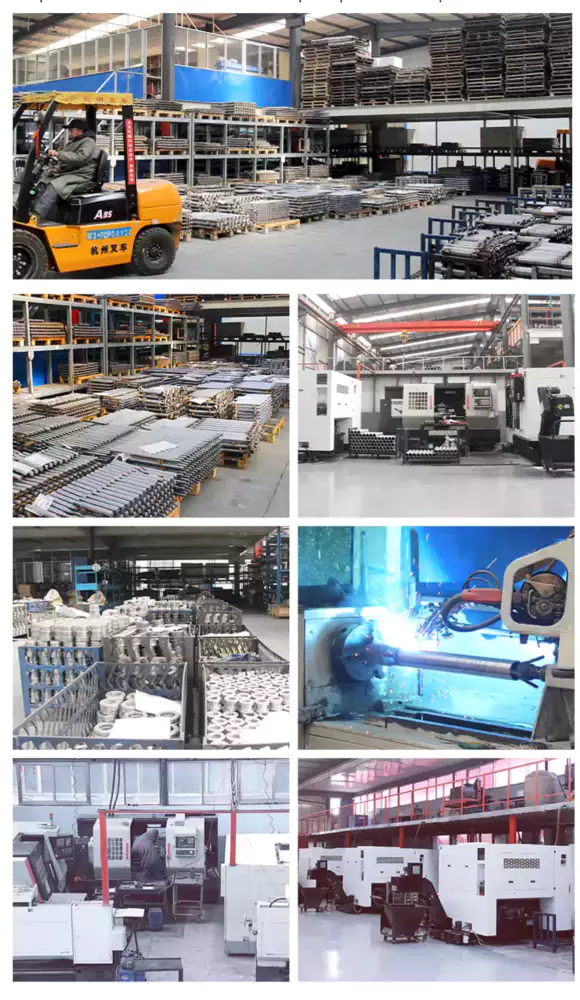
Our company specializes in the production and sale of high-quality gear shafts for a wide range of applications and industries. We offer several unique advantages that set us apart from our competitors, including:
- Customized gear shaft solutions tailored to your specific application and requirements
- High-quality materials and state-of-the-art manufacturing processes to ensure optimal performance and durability
- Reliable and on-time delivery with excellent after-sales support
- Competitive pricing with a focus on cost-effectiveness and overall value
- Expertise and experience in the gear industry with a track record of satisfied customers
Q&A
1. What are some common gear shaft failure modes?
Some common gear shaft failure modes include fatigue failure, wear failure, Hertzian fatigue failure, bending fatigue failure, torsional fatigue failure, scoring failure, corrosion failure, and impact failure.
2. What are some key performance characteristics of gear shafts?
Some key performance characteristics of gear shafts include high load-carrying capacity, durability and strength, efficiency and minimal energy loss, accurate and consistent transmission of torque and rotational energy, and minimal noise and vibration.
3. What are some current trends and opportunities in the gear shaft industry?
Some current trends and opportunities in the gear shaft industry include increasing demand for lightweight and high-strength gear shafts for use in electric and hybrid vehicles, growing focus on sustainable and eco-friendly manufacturing processes and materials, advancements in gear design and simulation techniques, and increasing adoption of Industry 4.0 technologies.
4. How can I choose the right gear shaft for my application?
You can choose the right gear shaft for your application by clarifying the specific application and requirements, selecting the appropriate material, optimizing gear design and manufacturing process, choosing a reliable and experienced gear shaft supplier, and considering the overall cost-benefit ratio.
5. What are some advantages of choosing your company for gear shaft solutions?
Some advantages of choosing our company for gear shaft solutions include customized gear shaft solutions tailored to your specific application and requirements, high-quality materials and state-of-the-art manufacturing processes, reliable and on-time delivery with excellent after-sales support, competitive pricing, and expertise and experience in the gear industry.
Author: Dream