spiral gear specifications

Spiral Gear Specifications and Its Relation to Spiral Gear
Spiral gears are widely used in various industries, including automotive, electronics, construction equipment, agriculture machinery, and railway. To ensure optimal performance, it is necessary to understand the spiral gear specifications and its relation to spiral gear. In this article, we will discuss various aspects of spiral gear specifications and how they are related to spiral gear.
Spiral Gear Specifications
Spiral gear specifications refer to the various parameters and characteristics that define the spiral gear’s design and performance. The key specifications of spiral gear include pitch, pressure angle, helix angle, face width, and number of teeth.
Pitch
Pitch refers to the distance between the teeth of the spiral gear. It is measured along the gear’s pitch circle and is expressed in millimeters or inches. The correct pitch is critical for the gear to mesh properly with the mating gear and ensure smooth and efficient power transmission.
Pressure Angle
Pressure angle is the angle between the line of action and a tangent to the pitch circle of the spiral gear. It determines the gear’s load-carrying capacity and efficiency. The standard pressure angle for spiral gears is 20 degrees, but it can vary between 14.5 to 30 degrees.
Helix Angle
Helix angle is the angle between the tooth’s helix line and the gear’s axis. It determines the gear’s axial thrust and helps in reducing noise and vibration. A higher helix angle results in a smoother and quieter operation, but it also increases the axial thrust and sliding between teeth.
Face Width
Face width is the width of the gear teeth in the axial direction. It determines the gear’s load-carrying capacity and helps in distributing the load over a larger surface area. The correct face width is critical to prevent gear failure due to excessive load or wear.
Number of Teeth
The number of teeth is the most critical specification of the spiral gear. It determines the gear’s speed ratio, torque capacity, and contact ratio. The number of teeth also affects the gear’s strength, durability, and noise level. The correct number of teeth is critical for the gear to mesh correctly with the mating gear and ensure smooth power transmission.
Spiral Gear and Informational Relation
Spiral gear is an essential component in many machines and devices, ranging from cars to industrial equipment. Its unique design and performance characteristics make it ideal for applications that require high torque, precision, and reliability.
The spiral gear specifications are closely related to the gear’s design, performance, and application. The correct selection of spiral gear specifications can significantly affect the gear’s efficiency, durability, and noise level. For example, a gear with a higher helix angle and face width will have higher load-carrying capacity and reduced noise, but it may also have higher axial thrust and sliding between teeth.
Therefore, it is essential to carefully consider the spiral gear specifications based on the application requirements, load conditions, and environmental factors.

Spiral Gear Performance Characteristics
Spiral gears offer many performance advantages over other types of gears, such as spur gears or bevel gears. The key performance characteristics of spiral gears include:
High Torque Capacity
Spiral gears can transmit high torque due to their larger contact area and longer tooth profile. The helical angle also helps in reducing the axial load and increasing the gear’s strength.
Smooth and Quiet Operation
Spiral gears produce less noise and vibration due to their helical tooth profile, which helps in reducing the impact load and the sliding between teeth. The smoother operation also results in less wear and tear and longer service life.
Less Wear and Tear
Spiral gears have a longer service life due to their larger contact area and helical tooth profile. The reduced sliding between teeth and impact load helps in reducing the wear and tear and increasing the gear’s durability.
High Efficiency
Spiral gears offer high efficiency due to their larger contact area and helical tooth profile. The reduced sliding between teeth and impact load also helps in reducing the energy loss and increasing the gear’s efficiency.
Wide Range of Applications
Spiral gears are widely used in various industries, such as automotive, electronics, construction equipment, agriculture machinery, and railway. Their unique design and performance characteristics make them ideal for applications that require high torque, precision, and reliability.

Types of Spiral Gear and Their Characteristics
Spiral gears can be classified into various types based on their design, application, and material. The key types of spiral gear include:
Single Helical Gear
Single helical gear has a helical tooth profile that runs at an angle to the gear’s axis. It is used in applications that require high speed and moderate torque, such as automotive transmission and industrial machinery.
Double Helical Gear
Double helical gear, also known as herringbone gear, has two sets of helical teeth that cancel out the axial thrust. It is used in applications that require high torque and precision, such as marine propulsion and heavy-duty industrial machinery.
Ground Spiral Gear
Ground spiral gear is a high-precision gear that is ground after the heat treatment and machining process. It offers high accuracy and efficiency and is used in applications that require high precision and low noise, such as aerospace and defense.
Plastic Spiral Gear
Plastic spiral gear is made of high-strength plastic and offers high resistance to wear and corrosion. It is used in applications that require low noise, low friction, and high chemical resistance, such as medical equipment and food processing.
Steel Spiral Gear
Steel spiral gear is made of high-strength steel and offers high resistance to wear and fatigue. It is used in applications that require high torque, high speed, and heavy loads, such as mining machinery and wind turbines.
The selection of the spiral gear type depends on various factors, such as the application requirements, load conditions, and environmental factors.
Spiral Gear Applications
Spiral gears are used in various industries and applications, ranging from automotive to railway. The key applications of spiral gears include:
Automotive
Spiral gears are used in automotive applications, such as transmission, differential, and steering. They offer high torque capacity, smooth operation, and long service life.
Electronics
Spiral gears are used in electronics applications, such as printers, copiers, and cameras. They offer high precision, low noise, and long service life.
Construction Equipment
Spiral gears are used in construction equipment applications, such as excavators, cranes, and bulldozers. They offer high torque capacity, smooth operation, and long service life.
Agriculture Machinery
Spiral gears are used in agriculture machinery applications, such as tractors, harvesters, and cultivators. They offer high torque capacity, smooth operation, and long service life.
Railway
Spiral gears are used in railway applications, such as locomotives, wagons, and tracks. They offer high torque capacity, smooth operation, and long service life.
Spiral Gear Future Development and Opportunities
Spiral gears have a bright future in various industries and applications due to their unique design and performance characteristics. The key trends and opportunities in spiral gear development include:
High-Precision and Low-Noise Gears
The demand for high-precision and low-noise gears is increasing in various industries, such as aerospace, defense, and medical. Spiral gears offer high accuracy and efficiency and are ideal for such applications.
High-Strength and Lightweight Gears
The demand for high-strength and lightweight gears is increasing in various industries, such as automotive, aerospace, and wind energy. Spiral gears made of advanced materials, such as composites and alloys, offer high strength and low weight.
Customized and Integrated Gears
The demand for customized and integrated gears is increasing in various industries, such as robotics, automation, and transportation. Spiral gears with customized specifications and integrated parts offer high efficiency and flexibility.
Therefore, it is essential for spiral gear manufacturers to keep up with the latest trends and opportunities in the market and develop innovative and cost-effective solutions.

How to Choose the Right Spiral Gear
The selection of the right spiral gear depends on various factors, such as the application requirements, load conditions, and environmental factors. The key factors to consider while choosing the right spiral gear include:
Clarify the Application Requirements
The first step in choosing the right spiral gear is to clarify the application requirements, such as the speed, torque, and accuracy requirements. It is also essential to consider factors such as noise level, vibration, and durability.
Select the Right Material
The spiral gear’s material selection depends on various factors, such as the load conditions, environmental factors, and cost-effectiveness. The key materials used in spiral gears include steel, plastic, composites, and alloys.
Optimize the Design
The spiral gear’s design optimization depends on various factors, such as the gear’s diameter, tooth profile, and face width. It is essential to optimize the design for maximum efficiency, durability, and noise reduction.
Select the Right Supplier and After-Sales Service
The selection of the right supplier and after-sales service is critical for the spiral gear’s quality and performance. It is essential to choose a supplier with a proven track record of quality, reliability, and customer service.
Consider Cost-Effectiveness
The selection of the right spiral gear also depends on cost-effectiveness. It is essential to consider factors such as the initial cost, maintenance cost, and service life while choosing the spiral gear.

Spiral Gear Maintenance
The spiral gear’s maintenance is critical for its optimal performance and service life. The key maintenance procedures for spiral gear include:
Regular Equipment Inspection
The spiral gear should be inspected regularly for wear, damage, and misalignment. It is essential to replace the worn or damaged parts and realign the gear if necessary.
Cleaning and Corrosion Prevention
The spiral gear should be cleaned regularly to prevent the accumulation of dirt, dust, and other contaminants. It is also essential to prevent corrosion by applying anti-corrosion coatings and lubricants.
Lubrication and Maintenance
The spiral gear should be lubricated regularly to reduce friction and wear between the teeth. It is also essential to maintain the lubrication system and replace the lubricant if necessary.
Replacement of Worn Parts
The spiral gear’s worn parts should be replaced periodically to ensure optimal performance and service life. It is essential to use high-quality replacement parts and follow the manufacturer’s recommendations.
Improvement and Upgrades
The spiral gear’s performance can be improved and upgraded by incorporating new technologies and design features. It is essential to keep up with the latest trends and developments in spiral gear technology and apply them wherever possible.
Why Choose Us
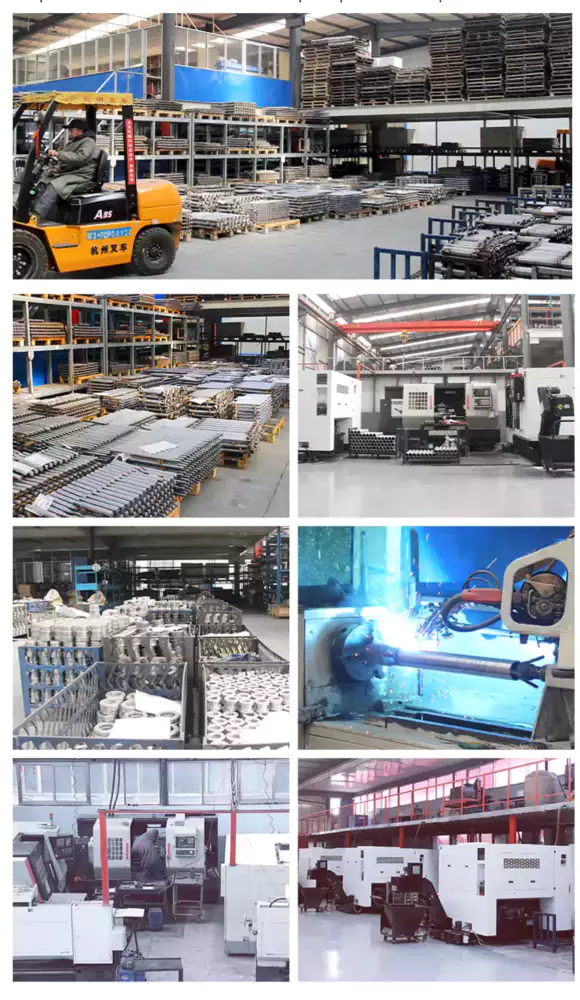
We are a leading manufacturer and supplier of high-quality spiral gears in the industry. Our products are known for their reliability, durability, and cost-effectiveness. The key advantages of choosing us include:
High-Quality Products
We use only the best materials and manufacturing processes to ensure high-quality products that meet or exceed the industry standards.
Customized Solutions
We offer customized solutions that meet the unique requirements of each customer. Our team of experts works closely with the customers to develop the optimal spiral gear solution.
Competitive Pricing
We offer competitive pricing that ensures cost-effectiveness and value for money. Our pricing is transparent, and there are no hidden costs or fees.
Reliable Customer Service
We provide reliable customer service that ensures customer satisfaction and loyalty. Our team of experts is available round the clock to address any customer queries or issues.
Fast and On-Time Delivery
We provide fast and on-time delivery that ensures minimal downtime and maximum productivity. Our logistics team works closely with the customers to ensure timely and safe delivery of the products.
Q&A
Q1. What is a spiral gear, and why is it used?
A1. A spiral gear is a type of gear that has a helical tooth profile and is used to transmit power between two shafts that are at an angle to each other. The spiral gear is used in applications that require high torque, precision, and reliability.
Q2. What are the key specifications of the spiral gear?
A2. The key specifications of the spiral gear include pitch, pressure angle, helix angle, face width, and number of teeth. These specifications determine the gear’s performance and efficiency.
Q3. What are the key advantages of spiral gears?
A3. The key advantages of spiral gears include high torque capacity, smooth and quiet operation, less wear and tear, high efficiency, and wide range of applications.
Q4. How to choose the right spiral gear?
A4. The right spiral gear should be chosen based on various factors, such as the application requirements, load conditions, and environmental factors. The key factors to consider while choosing the right spiral gear include clarifying the application requirements, selecting the right material, optimizing the design, selecting the right supplier and after-sales service, and considering cost-effectiveness.
Q5. How to maintain the spiral gear?
A5. The spiral gear should be maintained regularly by inspecting, cleaning, lubricating, replacing worn parts, and upgrading the design and features wherever necessary.
Author: Dream