epicyclic gear advantages and disadvantages

Epicyclic Gear Advantages and Disadvantages
Introduction
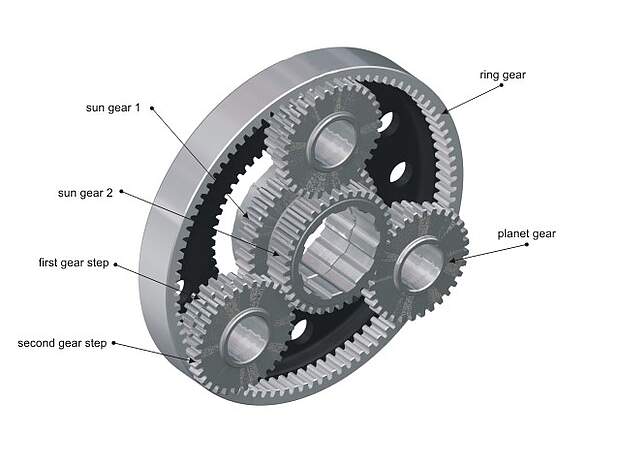
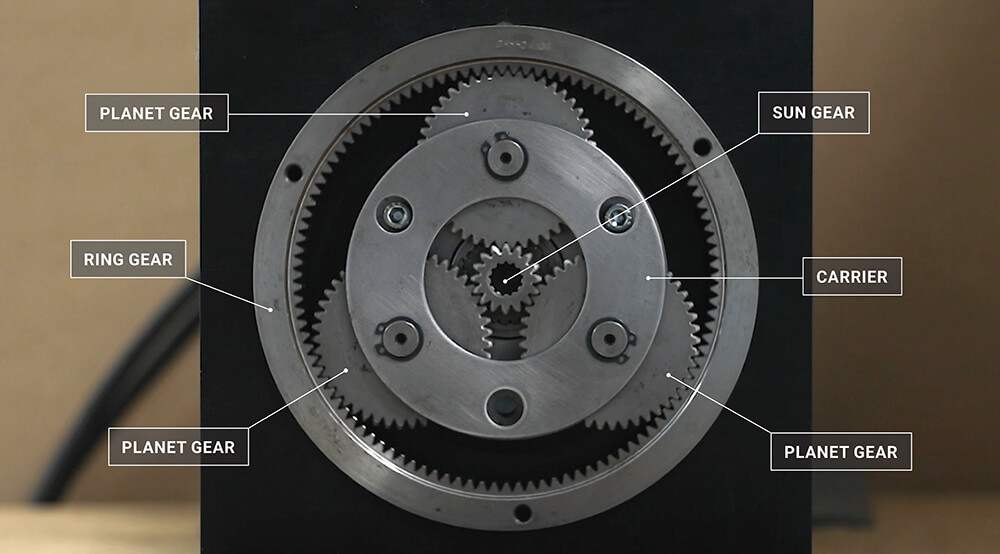
Epicyclic gears, also known as planetary gears, are a type of gear system that consists of one or more planet gears rotating around a central sun gear. These gears offer several advantages and disadvantages in various applications.
Advantages
1. Compact Size
One of the key advantages of epicyclic gears is their compact size. The design allows for a high gear ratio in a relatively small package, making them suitable for applications where space is limited.
2. High Efficiency
Epicyclic gears are known for their high efficiency. The design minimizes friction and energy losses, resulting in greater power transmission and reduced heat generation.
3. Multiple Output Configurations
Epicyclic gears offer flexibility in output configurations. By combining different gear ratios and arrangements, they can provide various output speeds and torque levels to meet specific application requirements.
4. Load Sharing
Due to the multiple gear meshing points, epicyclic gears distribute the load across several teeth, reducing wear and increasing overall gear life.
5. Torque Amplification
Epicyclic gears can amplify torque by combining multiple gear stages. This allows for higher torque output without increasing the size of the gear system.
6. Smooth Operation
The design of epicyclic gears results in smooth and quiet operation, making them suitable for applications where noise and vibration need to be minimized.
7. Versatility
Epicyclic gears can be used in a wide range of applications, including automotive, aerospace, industrial equipment, wind power, and robotics. Their versatility makes them a popular choice in various industries.
8. Different Types and Material Options
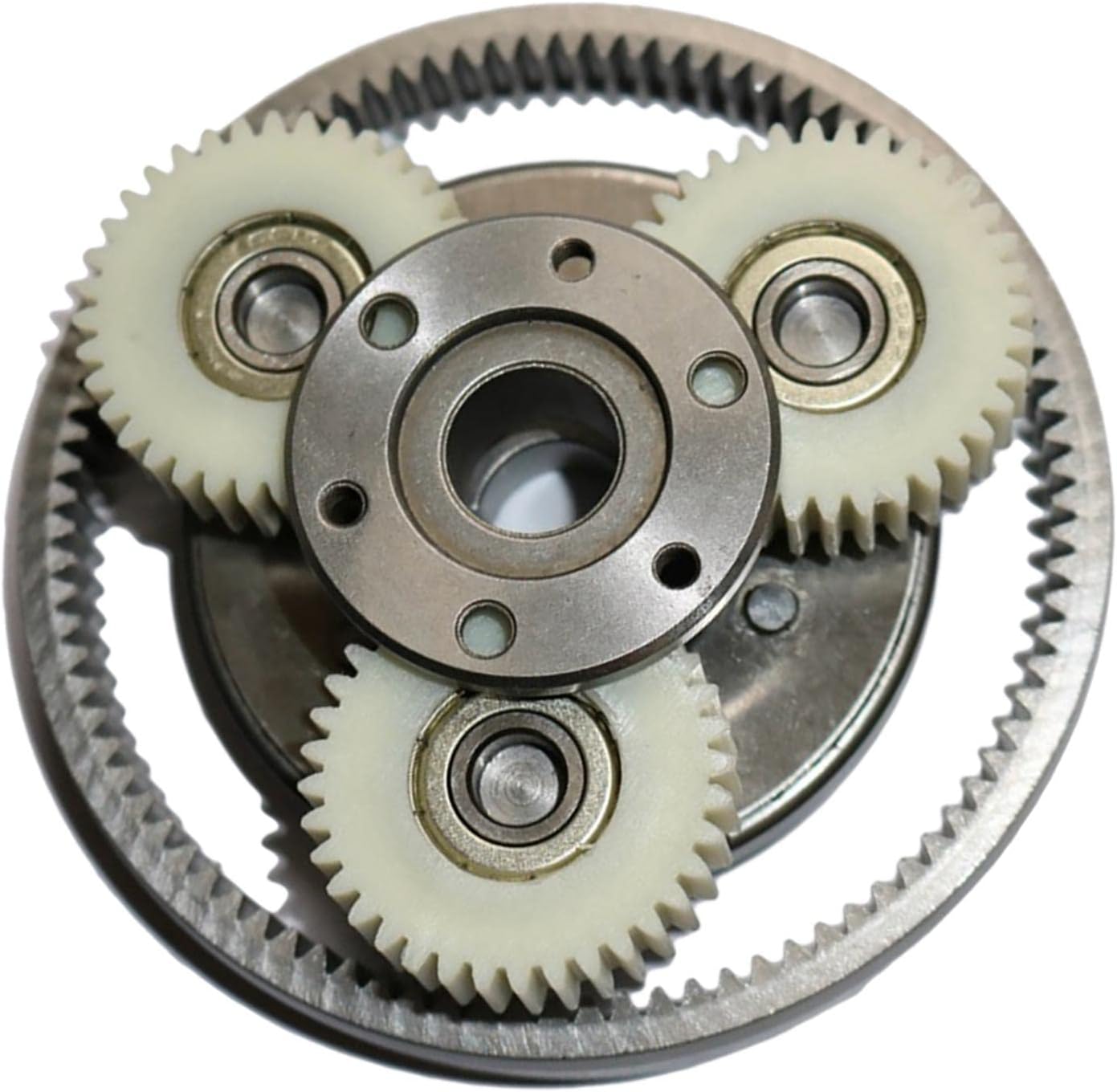
Epicyclic gears come in various types, such as spur, helical, and bevel gears, allowing for customization based on specific application requirements. Additionally, they can be made from different materials, such as steel, cast iron, or even advanced composites, each with its own advantages in terms of strength, durability, and weight.
Applications in Various Industries
Automotive Industry
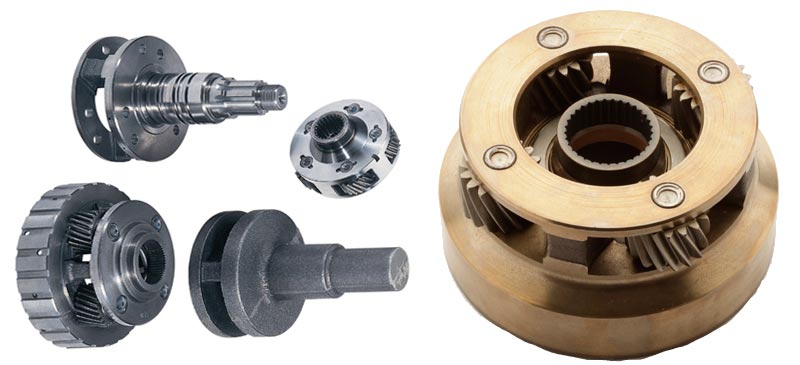
Epicyclic gears are widely used in automatic transmissions, where they provide efficient power transfer and smooth gear shifting.
Aerospace Industry
In aerospace applications, epicyclic gears are used in aircraft engines, landing gear systems, and flight control mechanisms, offering reliable and precise power transmission.
Industrial Equipment
Epicyclic gears find applications in various industrial machinery, such as conveyors, cranes, and packaging equipment, where they ensure efficient operation and precise motion control.
Wind Power
Epicyclic gears play a crucial role in wind turbines, where they convert the low-speed rotation of the blades into high-speed rotation for electricity generation.
Robotics
In robotics, epicyclic gears are used in robotic arms, joints, and other motion control systems, enabling accurate and smooth movement.
Future Trends and Opportunities
As technology advances, epicyclic gears are expected to see further development and new opportunities in various industries. Some potential trends include:
- Integration of sensors and smart controls for enhanced performance and monitoring.
- Use of lightweight and high-strength materials for improved efficiency.
- Increased use in electric and hybrid vehicles for energy-efficient power transmission.
- Application in advanced robotics and automation systems for precise motion control.
- Exploration of epicyclic gears in renewable energy systems, such as tidal and wave power.
Choosing the Right Epicyclic Gear
When selecting an epicyclic gear for a specific application, several factors need to be considered:
1. Clear Requirement Analysis
Understanding the specific needs and performance requirements of the application is essential in choosing the right epicyclic gear. Factors such as torque, speed, and space limitations should be taken into account.
2. Material Selection
The choice of material depends on factors such as load capacity, durability, and environmental conditions. Different materials offer varying strengths and resistance to wear and corrosion.
3. Design Optimization
Optimizing the gear design, including the number of teeth, gear ratio, and gear arrangement, can ensure efficient power transmission and minimize losses.
4. Supplier and After-Sales Service
Working with a reputable supplier who provides quality products and reliable after-sales service is crucial for long-term performance and support.
5. Cost-effectiveness
Considering the overall cost-effectiveness, including the initial investment, maintenance costs, and expected lifespan, is important in selecting the right epicyclic gear.
Maintenance of Epicyclic Gear
To ensure the optimal performance and longevity of epicyclic gears, the following maintenance practices are recommended:
1. Regular Equipment Inspection
Periodic inspection of the gear system helps identify any signs of wear, misalignment, or damage, allowing for timely repairs or replacements.
2. Cleaning and Corrosion Prevention
Proper cleaning and corrosion protection measures should be taken to remove contaminants and prevent rust formation, ensuring smooth operation and longevity.
3. Lubrication and Maintenance
Regular lubrication of the gears and bearings is essential to minimize friction and wear. Maintenance tasks such as tightening fasteners and checking seals should also be performed.
4. Replacement of Worn Parts
Any worn or damaged components should be promptly replaced to prevent further damage and maintain the gear system’s performance.
5. Improvement and Upgrades
Periodically assessing the gear system’s performance and considering improvements or upgrades can enhance efficiency and extend the gear’s lifespan.
Why Choose Us
Author: Dream
Thank you for considering our company as your trusted supplier of high-quality Epicyclic gears. Here are five reasons to choose us:
- Extensive Experience: With over X years of experience in the industry, we have a deep understanding of Epicyclic gear technology and its applications.
- Customization: We offer a wide range of customization options, allowing us to tailor Epicyclic gears to meet your specific requirements.
- Quality Assurance: Our products undergo rigorous quality control measures to ensure they meet the highest standards of performance and reliability.
- Technical Expertise: Our team of skilled engineers and technicians is dedicated to providing expert guidance and support throughout the entire process.
- Excellent Customer Service: We pride ourselves on providing exceptional customer service, including prompt responses, on-time delivery, and ongoing support.
Q&A
Q: What is the maximum gear ratio achievable with epicyclic gears?
A: The maximum gear ratio depends on the specific design and arrangement of the epicyclic gear system. However, it can typically range from 10:1 to 100:1.
Q: Can epicyclic gears handle high-speed applications?
A: Yes, epicyclic gears can be designed to handle high-speed applications by using materials with high strength and implementing proper lubrication and cooling systems.
Q: Are epicyclic gears suitable for heavy-duty applications?
A: Yes, epicyclic gears are commonly used in heavy-duty applications such as construction equipment, mining machinery, and power transmission systems due to their high load capacity and durability.
Q: Can epicyclic gears be used in both clockwise and counterclockwise rotation?
A: Yes, epicyclic gears can be designed to accommodate both clockwise and counterclockwise rotation, depending on the specific application requirements.
Q: What is the typical lifespan of epicyclic gears?
A: The lifespan of epicyclic gears depends on various factors such as the quality of materials, operating conditions, and maintenance practices. With proper care, they can last for many years.
Author: Dream