epicyclic gear system modeling

Epicyclic Gear System Modeling and Its Relationship with Epicyclic Gear
Epicyclic gear system is a type of gear system used in many industries, such as automotive, aerospace, and robotics. It is a versatile gear system that can provide a range of speed ratios and torque outputs. In this article, we will discuss epicyclic gear system modeling and its relationship with epicyclic gear.

Epicyclic Gear System Modeling
Epicyclic gear system modeling is the process of creating mathematical models to describe the behavior and performance of epicyclic gear systems. These models are used to design and optimize gear systems, predict their performance, and troubleshoot problems.
Epicyclic gear systems consist of a central gear, called a sun gear, surrounded by one or more planet gears and an outer ring gear. The planet gears are mounted on a carrier that rotates around the sun gear. The rotation of the planet gears around the sun gear and their own axes produces the desired speed ratios and torque outputs of the gear system.
The modeling of epicyclic gear systems involves several factors, such as gear geometry, material properties, lubrication, and load conditions. These factors are used to create mathematical equations that describe the motion, force, and stress of the gear system.
Epicyclic Gear System Modeling and Epicyclic Gear
Epicyclic gear is a type of gear used in epicyclic gear systems. It is also known as a planetary gear because of its resemblance to the solar system. Epicyclic gear consists of a central sun gear, planet gears, and an outer ring gear. The planet gears rotate around the sun gear and the ring gear, producing the desired speed ratios and torque outputs.
The relationship between epicyclic gear system modeling and epicyclic gear lies in the fact that the performance and behavior of epicyclic gear systems are influenced by the design and properties of the epicyclic gears. The mathematical models used in epicyclic gear system modeling are based on the geometry, material, and load conditions of the epicyclic gears. Therefore, the accuracy and reliability of the modeling depend on the accuracy and reliability of the data and parameters used for the epicyclic gears.
Epicyclic Gear Performance Characteristics
Epicyclic gear has several performance characteristics that make it a popular choice for various applications. These characteristics include:
- High torque density: Epicyclic gear can transmit high torque in a compact size, making it suitable for space-limited applications.
- Multiple speed ratios: Epicyclic gear can provide multiple speed ratios by changing the number of teeth on the gears. This eliminates the need for multiple gear sets in some applications.
- High efficiency: Epicyclic gear has high efficiency because it uses rolling contact between the gear teeth, reducing friction and wear.
- Low backlash: Epicyclic gear has low backlash because the contact between the gears is continuous, producing smooth and quiet operation.
- High reliability: Epicyclic gear has high reliability because it can distribute the load among multiple gear teeth, reducing the risk of gear failure.
Types of Epicyclic Gear and Their Characteristics
Epicyclic gear is available in different types and designs, each with its own characteristics and advantages. Some of the common types of epicyclic gear include:
- Simple planetary gear: This is the simplest type of epicyclic gear that consists of a sun gear, planet gears, and a ring gear. It provides a single speed ratio and is used in low-power applications.
- Compound planetary gear: This type of epicyclic gear consists of two or more planet gear sets, providing multiple speed ratios and higher torque capacity.
- Harmonic drive: This type of epicyclic gear uses a flexible, wave-shaped gear instead of traditional gears, providing high accuracy and zero backlash.
- Differential gear: This type of epicyclic gear is used in automotive applications to distribute torque between the drive wheels, providing stable handling and traction.
Epicyclic gears are available in various materials, such as steel, bronze, and plastic. Each material has its own advantages and disadvantages, depending on the application requirements. Steel gears are strong and durable but heavy and expensive. Bronze gears are wear-resistant and self-lubricating but prone to corrosion. Plastic gears are lightweight and low-cost but have limited strength and temperature range.

Applications of Epicyclic Gear in Various Industries
Epicyclic gear is used in various industries, such as automotive, aerospace, industrial equipment, wind power, and robotics. Its versatility and performance characteristics make it a popular choice for many applications. Here are some examples of how epicyclic gear is used in different industries:
Automotive
Epicyclic gear is used in automotive transmissions to provide multiple speed ratios and torque multiplication. It is also used in differential gears to distribute torque between the drive wheels and improve handling and traction. Epicyclic gear is used in hybrid and electric vehicles to provide power conversion and regenerative braking.
Aerospace
Epicyclic gear is used in aircraft engines to provide power transmission and control. It is also used in helicopter rotors to provide variable pitch and speed control. Epicyclic gear is used in space applications to provide power and control for satellites and spacecraft.
Industrial Equipment
Epicyclic gear is used in industrial equipment, such as conveyors, cranes, and mixers, to provide power transmission and speed control. It is also used in machine tools and robotics to provide precise motion control and speed reduction.
Wind Power
Epicyclic gear is used in wind turbines to convert the rotation of the blades into electrical power. It provides speed reduction and torque amplification to drive the generator. Epicyclic gear is also used in the yaw and pitch control systems to adjust the orientation and position of the turbine.
Robotics
Epicyclic gear is used in robotics to provide precise motion control and speed reduction. It is used in robot joints and actuators to drive the motion and force of the robot. Epicyclic gear is also used in mobile robots and drones to provide propulsion and maneuverability.
Future Development and Opportunities of Epicyclic Gear Products
Epicyclic gear products have a promising future in various industries, as the demand for high-performance and reliable power transmission systems increases. The development of new materials, manufacturing processes, and design tools will enable the production of more advanced and efficient epicyclic gear products. Some of the opportunities and challenges for the future development of epicyclic gear products include:
- Integration with advanced sensors and control systems to enable real-time monitoring and optimization of gear performance.
- Application in emerging fields, such as renewable energy, electric vehicles, and smart manufacturing.
- Improvement of gear efficiency and noise reduction through new lubrication and surface treatments.
- Adoption of new materials, such as composites and nanostructured alloys, to enhance gear strength and durability.
- Development of new design tools and simulation models to enable faster and more accurate gear system design and optimization.
Overall, the future development of epicyclic gear products will depend on the collaboration and innovation of the gear industry, academia, and research institutions.
How to Choose the Right Epicyclic Gear
Choosing the right epicyclic gear for your application requires careful consideration of several factors, such as:
Clarify the Application Requirements
Before selecting an epicyclic gear, you need to clarify the application requirements, such as the speed, torque, and power requirements, the operating environment, and the space limitations. This will help you narrow down the options and identify the most suitable gear type and size.
Material Selection
The choice of material for your epicyclic gear depends on the application requirements, such as the load capacity, wear resistance, and corrosion resistance. Steel gears are suitable for heavy-duty and high-stress applications, while plastic gears are suitable for low-load and low-noise applications. Bronze gears are suitable for wear-resistant and self-lubricating applications.
Design Optimization
Optimizing the design of your epicyclic gear can improve its performance and durability. This involves selecting the optimal gear ratio, tooth profile, and lubrication system for your application. You can use computer-aided design (CAD) and simulation tools to optimize the design and evaluate its performance.
Supplier and After-Sales Service
Choosing a reliable and experienced supplier of epicyclic gear is important for ensuring the quality and performance of your gear. Make sure to check the supplier’s reputation, certifications, and references. Also, consider the availability and quality of the after-sales service, such as technical support, repair, and replacement.
Cost-Effectiveness
The cost of your epicyclic gear depends on several factors, such as the material, size, quantity, and supplier. Make sure to balance the cost with the performance and durability of your gear, and consider the long-term cost-effectiveness.

Epicyclic Gear Maintenance
Maintaining your epicyclic gear is important for ensuring its performance, reliability, and longevity. Here are some tips for maintaining your epicyclic gear:
Equipment Regular Inspection
You should inspect your epicyclic gear regularly to check for any signs of wear, damage, or misalignment. This can help you detect and fix any problems before they cause serious damage or failure. You can use visual inspection, vibration analysis, and noise monitoring to detect potential problems.
Cleaning and Corrosion Prevention
You should clean your epicyclic gear regularly to remove any dirt, debris, or contaminants that can affect its performance. You can use a mild detergent and water to clean the gear, and then dry it thoroughly. You should also apply a corrosion inhibitor to prevent rust and corrosion.
Lubrication and Maintenance
You should lubricate your epicyclic gear regularly to reduce friction and wear, and to distribute the load evenly among the gear teeth. The type and amount of lubricant depend on the gear type and application requirements. You should also perform preventive maintenance, such as replacing the lubricant and inspecting the seals and bearings.
Replacing Worn Parts
You should replace any worn or damaged parts of your epicyclic gear, such as gears, bearings, and seals. This can help you restore the gear to its optimal performance and prevent further damage or failure. You should use original or equivalent replacement parts from a reliable supplier.
Why Choose Our Epicyclic Gear Products
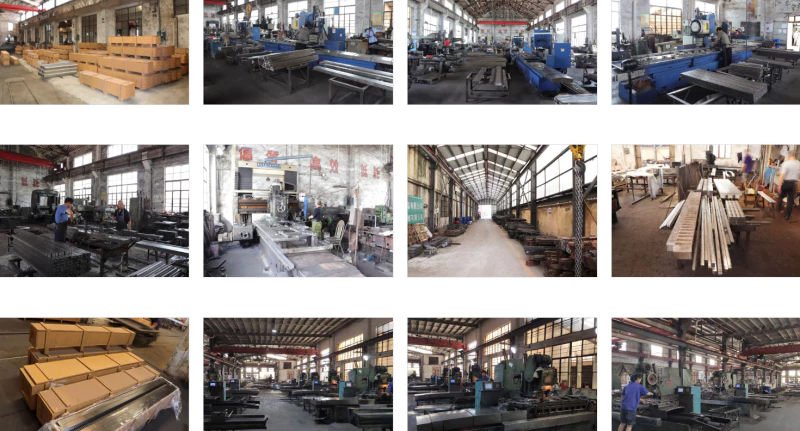
Our company specializes in the production and sales of high-quality epicyclic gear products for various industries. Here are some reasons why you should choose our products:
- Advanced manufacturing technology and equipment to ensure the precision and consistency of our products.
- Strict quality control and testing procedures to ensure the reliability and durability of our products.
- Experienced and knowledgeable engineers and technicians to provide technical support and customization services.
- Competitive pricing and cost-effectiveness to meet your budget and performance requirements.
- Responsive and efficient after-sales service to ensure your satisfaction and loyalty.
Q&A
Q1: What are the advantages of epicyclic gear over other types of gear?
A1: Epicyclic gear has several advantages over other types of gear, such as high torque density, multiple speed ratios, high efficiency, low backlash, and high reliability. These characteristics make it a popular choice for various applications that require high-performance and compact gear systems.
Q2: How does epicyclic gear work in a differential gear system?
A2: In a differential gear system, epicyclic gear is used to distribute torque between the drive wheels of a vehicle. The epicyclic gear is mounted on the carrier that rotates around the sun gear. The planet gears are meshed with the ring gear and the drive shafts of the wheels. When the vehicle turns, the epicyclic gear allows the wheels to rotate at different speeds, providing stable handling and traction.
Q3: What is the difference between simple and compound planetary gear?
A3: Simple planetary gear consists of a sun gear, planet gears, and ring gear, providing a single speed ratio. Compound planetary gear consists of two or more planet gear sets, providing multiple speed ratios and higher torque capacity. Compound planetary gear is more complex and expensive than simple planetary gear, but it offers more flexibility and performance.
Q4: What is harmonic drive and how does it work?
A4: Harmonic drive is a type of epicyclic gear that uses a flexible gear instead of traditional gears. The flexible gear has a wave-shaped profile that meshes with a rigid internal gear. The rotation of the wave-shaped gear around the central axis produces a rotating motion of the output shaft. Harmonic drive provides high accuracy, zero backlash, and low noise operation, making it suitable for precision applications.
Q5: How can I ensure the reliability and performance of my epicyclic gear?
A5: To ensure the reliability and performance of your epicyclic gear, you should follow the manufacturer’s recommendations for maintenance, lubrication, and inspection. You should also choose a reliable supplier of high-quality epicyclic gear that has the experience and expertise to meet your application requirements. Regular testing and monitoring of the gear performance can also help you detect and fix any problems before they cause serious damage or failure.
Author: Dream