epicyclic gear reduction applications

Epicyclic Gear Reduction Applications and Its Relationship with Epicyclic Gear
Epicyclic gear reduction applications refer to the use of epicyclic gears in various industries and machines. Epicyclic gears, also known as planetary gears, are gear systems that consist of one or more outer gears, a central gear, and a planet gear that rotates around the central gear. Epicyclic gears are widely used in many industries due to their unique design and advantages.

Epicyclic Gear Reduction Applications and Epicyclic Gear
Epicyclic gear reduction applications rely heavily on the use of epicyclic gears. Epicyclic gears have several advantages that make them suitable for various applications. For instance, they can transmit high torque in a compact design, are efficient, and can handle high speeds. Epicyclic gears also offer a lot of flexibility in terms of different gear ratios and configurations.
The design of epicyclic gears makes them ideal for use in various applications. They can be used to transmit power in automobiles, aircraft, industrial equipment, wind turbines, and robotics. In automobiles, epicyclic gears are used in automatic transmissions, differential gears, and starter motors. In aircraft, epicyclic gears are used in jet engines, hydraulic pumps, and flight control systems. Epicyclic gears are also used in industrial equipment such as cranes, conveyors, and machine tools. In wind turbines, they are used to convert the rotational energy of the wind into electrical energy. In robotics, epicyclic gears are used in the movement of robotic arms and legs.
Epicyclic Gear Performance Characteristics
Epicyclic gears have several performance characteristics that make them ideal for various applications. One of the essential features is their ability to handle high torque loads. They can deliver high torque output in a compact design, which makes them suitable for applications where space is limited. Epicyclic gears are also efficient in transmitting power, resulting in minimal energy loss. They can handle high speeds, making them ideal for use in applications where speed is critical. Epicyclic gears also offer a lot of flexibility in terms of different gear ratios and configurations.
Types and Characteristics of Epicyclic Gears
Epicyclic gears come in various types, each with its characteristics. The most common types include simple planetary gears, compound planetary gears, and differential planetary gears. Simple planetary gears are the most basic type of epicyclic gears, consisting of a central gear, a planet gear, and an outer ring gear. Compound planetary gears have multiple planet gears that mesh with a sun gear and an outer ring gear. Differential planetary gears have two or more planet gears that mesh with a sun gear and an outer ring gear.
The materials used in making epicyclic gears also determine their characteristics. For instance, steel gears are strong and durable, making them suitable for high-load applications. Bronze gears are suitable for applications that require low noise and low vibration. Plastic gears are lightweight and can provide a low-cost alternative to metal gears.

Epicyclic Gear Applications in Various Industries
Epicyclic gears find their applications in various industries. In the automotive industry, epicyclic gears are used in automatic transmissions, torque converters, and differentials. In the aerospace industry, they are used in aircraft engines, hydraulic pumps, and landing gear systems. In the industrial equipment industry, they are used in conveyor systems, cranes, and machine tools. In the wind energy industry, they are used in wind turbines to convert the rotational energy of the wind into electrical energy. In the robotics industry, they are used in the movement of robotic arms and legs.
Future Development and Opportunities for Epicyclic Gear Products
Epicyclic gear products have a bright future as more industries continue to adopt them due to their unique advantages. As technology continues to advance, there are numerous opportunities for epicyclic gear products in various industries such as electric vehicles, renewable energy, and robotics. The development of lightweight and high-torque epicyclic gears will also enable their use in applications where weight and space are limited.
How to Choose the Right Epicyclic Gear
Choosing the right epicyclic gear is crucial to ensure optimal performance and longevity. Some factors to consider when choosing an epicyclic gear include defining the gear’s requirements, selecting the appropriate material, optimizing the design, choosing a reliable supplier and after-sales service provider, and considering the cost-effectiveness and quality control.

Epicyclic Gear Maintenance
Proper maintenance of epicyclic gears is essential to ensure optimal performance and longevity. Some maintenance practices include regular equipment checks, cleaning and corrosion prevention, lubrication and maintenance, replacement of worn-out parts, and upgrading and improving the design.
Why Choose Us
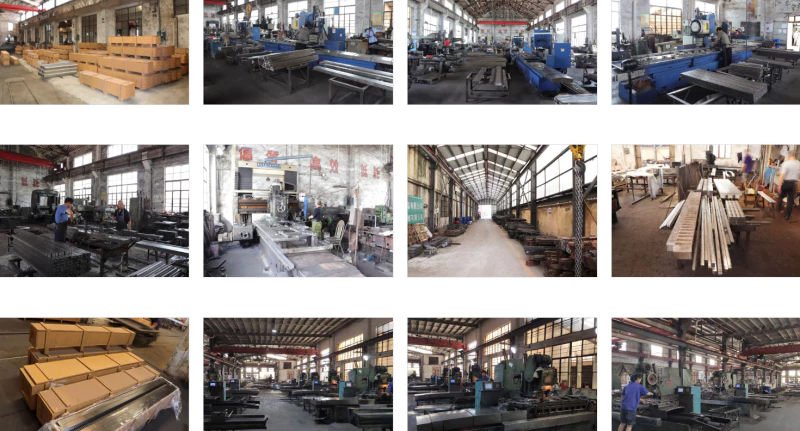
We are a professional manufacturer and supplier of epicyclic gears. Our products are of high quality and comply with industry standards. Some of the advantages of our products include high torque transmission, high efficiency, flexibility in gear ratios and configurations, and a wide range of material options. We also offer reliable after-sales services and support.
Q&A
Q: What are the advantages of using epicyclic gears in the automotive industry?
A: Epicyclic gears are compact, efficient, and offer a lot of flexibility in terms of gear ratios and configurations, making them ideal for use in automatic transmissions, torque converters, and differentials.
Q: What are the characteristics of plastic epicyclic gears?
A: Plastic gears are lightweight and can provide a low-cost alternative to metal gears. However, they may not be suitable for high-load applications.
Q: How can I choose the right epicyclic gear for my application?
A: You can choose the right epicyclic gear by defining your requirements, selecting the appropriate material, optimizing the design, choosing a reliable supplier and after-sales service provider, and considering the cost-effectiveness and quality control.
Q: How can I maintain my epicyclic gears?
A: You can maintain your epicyclic gears by regularly checking your equipment, cleaning and preventing corrosion, lubricating and maintaining the gears, replacing worn-out parts, and upgrading and improving the design.
Q: What are the future opportunities for epicyclic gear products?
A: There are numerous opportunities for epicyclic gear products in various industries such as electric vehicles, renewable energy, and robotics as technology continues to advance and more industries adopt them.
Author: Dream