epicyclic gear train applications

Epicyclic Gear Train Applications
Epicyclic Gear Train Applications and the Relationship with Epicyclic Gear
In the field of mechanical engineering, the applications of epicyclic gear trains have proven to be incredibly diverse and valuable. Epicyclic gear trains consist of multiple gears that rotate and move in complex ways, allowing for the transmission of power and torque in various configurations. These gear trains are widely used in different industries due to their unique characteristics and capabilities.
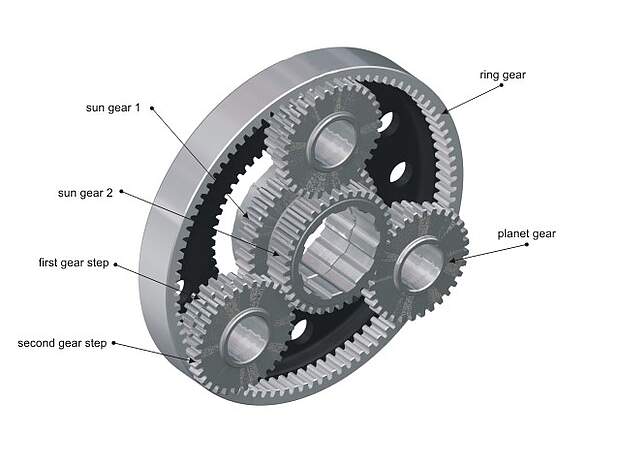
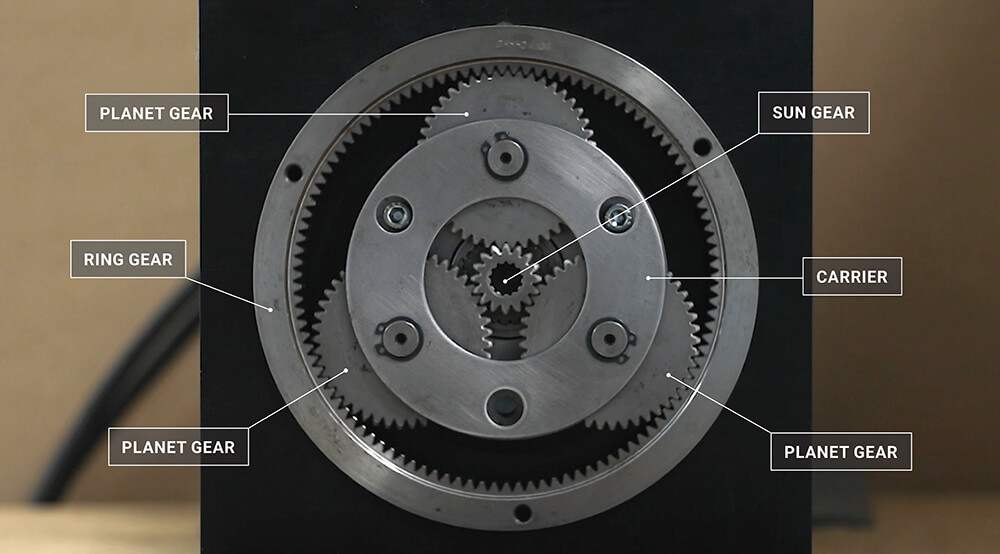
Epicyclic gears, also known as planetary gears, are a crucial component of epicyclic gear trains. They consist of an outer gear, an inner gear, and multiple planet gears that rotate around a central axis. The relationship between epicyclic gear train applications and epicyclic gears is essential for understanding the functionality and advantages of these systems.
Performance Characteristics of Epicyclic Gear
Epicyclic gears offer several performance characteristics that make them highly desirable in various applications:
- High torque transmission capacity: Epicyclic gears can transmit high levels of torque due to their design, making them suitable for heavy-duty applications.
- Compact and lightweight: Epicyclic gears have a compact and lightweight design, which allows for efficient use of space and reduced overall weight in machinery.
- Multiple gear ratios: Epicyclic gear trains can offer multiple gear ratios, providing flexibility in adjusting the speed and torque output.
- High efficiency: Epicyclic gears have high efficiency due to the distribution of load among multiple gears, minimizing power losses during transmission.
- Quiet operation: Epicyclic gears produce less noise and vibration compared to other gear systems, resulting in smoother and quieter operation.
Types and Characteristics of Epicyclic Gear
Epicyclic gears come in various types, each with its specific characteristics and applications:
- Sun and planet gears: This type consists of a central sun gear, planet gears that rotate around the sun gear, and an outer ring gear. It offers excellent torque transmission capacity and is commonly used in automotive transmissions.
- Star gears: Star gears have a central gear that meshes with multiple planet gears arranged in a circular pattern. They provide high gear reduction and are often used in precision machinery.
- Differential gears: Differential gears are a specialized type of epicyclic gear used in vehicles to allow the wheels to rotate at different speeds while maintaining power distribution. They are essential for smooth turning and maneuverability.
Epicyclic gears can be made from various materials, including steel, cast iron, and even composites. Different materials offer unique advantages:
- Steel gears provide high strength and durability, making them suitable for heavy-duty applications.
- Cast iron gears have excellent wear resistance and can withstand high temperatures, making them ideal for industrial machinery.
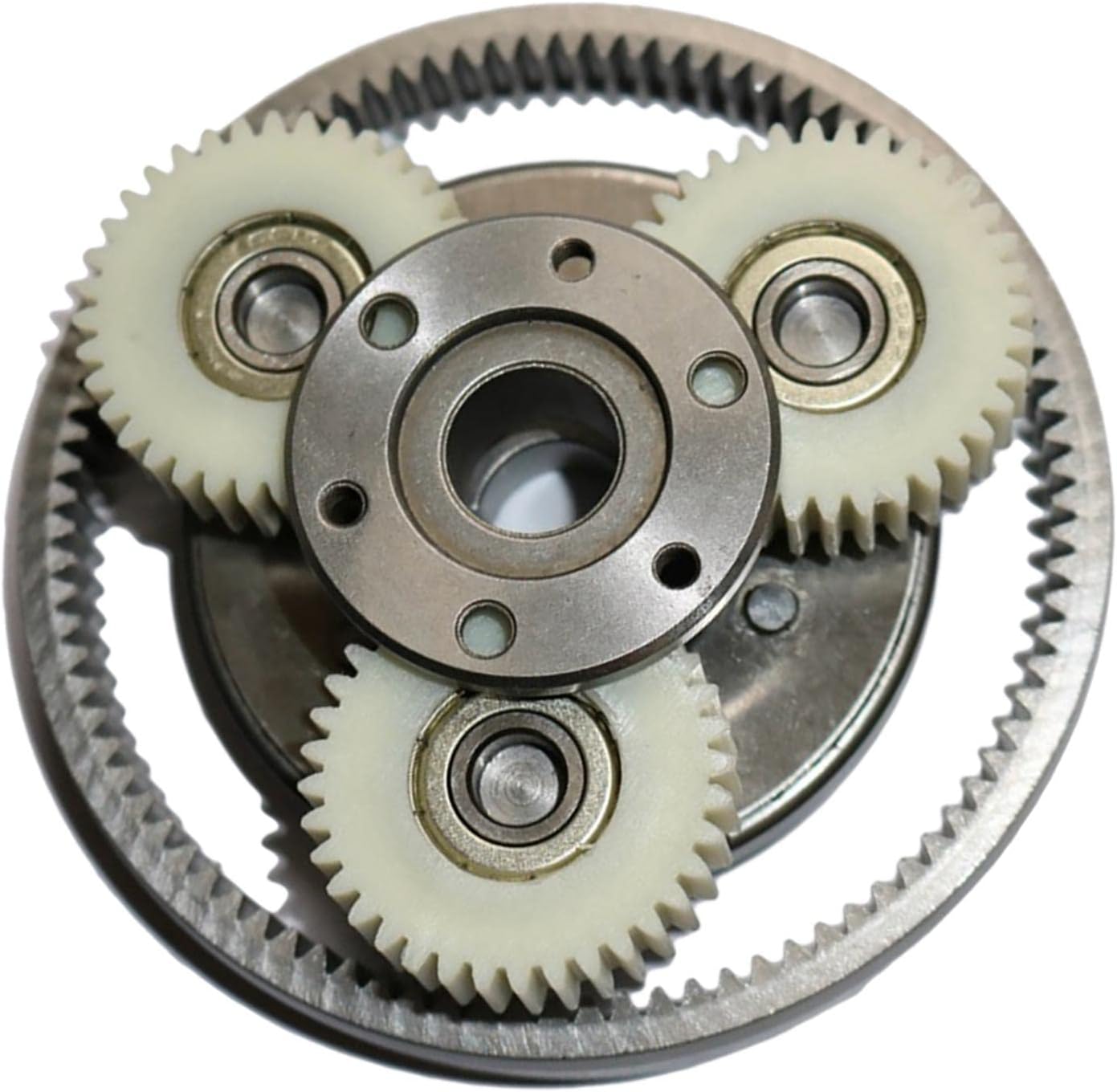
- Composite gears offer lightweight properties and reduced noise levels, making them suitable for applications where weight and noise reduction are critical.
Epicyclic Gear Train Applications in Various Industries
Epicyclic gear trains find extensive use in different industries, showcasing their value and importance:
- Automotive industry: Epicyclic gear trains are integral to automotive transmissions, providing efficient power transmission and gear ratio adjustment.
- Aerospace industry: Epicyclic gears are used in aircraft engines and landing gear systems for their compact design and high torque transmission capabilities.
- Industrial equipment: Epicyclic gear trains are employed in various industrial machinery, such as conveyors, cranes, and robotic systems, for their precise motion control and high load-carrying capacity.
- Wind power generation: Epicyclic gears are used in wind turbines to convert the rotational motion of the blades into electrical power with the necessary speed and torque.
- Robotics technology: Epicyclic gears play a crucial role in robotics for precise joint movements and efficient power transmission, enabling robots to perform complex tasks.
Epicyclic gears have a promising future, with potential trends and opportunities:
- Increased use in electric vehicles: The growing demand for electric vehicles presents an opportunity for the integration of epicyclic gear systems in electric drivetrains for improved efficiency and performance.
- Advancements in materials and manufacturing: Ongoing advancements in materials and manufacturing techniques will lead to the development of more efficient and durable epicyclic gear systems.
- Integration with smart control systems: Epicyclic gear systems can be integrated with advanced control systems and sensors to optimize performance and enable real-time monitoring.
- Expansion in automation and robotics: The rise of automation and robotics in various industries will drive the demand for high-precision and compact epicyclic gear systems.
- Environmental sustainability: Epicyclic gears can contribute to energy efficiency and reduced carbon emissions, aligning with the global focus on environmental sustainability.
Choosing the Right Epicyclic Gear
Selecting the correct epicyclic gear involves considering several factors:
- Clear identification of requirements: Understanding the specific application requirements, including torque, speed, and space limitations, is crucial for selecting the appropriate gear system.
- Material selection: Choosing the right material based on factors such as strength, durability, and temperature resistance ensures the gear can withstand the intended operating conditions.
- Design optimization: Optimizing the gear design through computer-aided design (CAD) and simulation techniques can improve performance and reduce potential issues.
- Supplier and aftersales service: Selecting a reliable gear supplier offering comprehensive aftersales support ensures long-term performance and maintenance assistance.
- Cost-effectiveness: Balancing the upfront cost of the gear system with long-term benefits and operational efficiency is essential for achieving cost-effectiveness.
- Quality control: Ensuring rigorous quality control measures during the manufacturing process guarantees the reliability and durability of the epicyclic gear system.
Maintenance of Epicyclic Gear
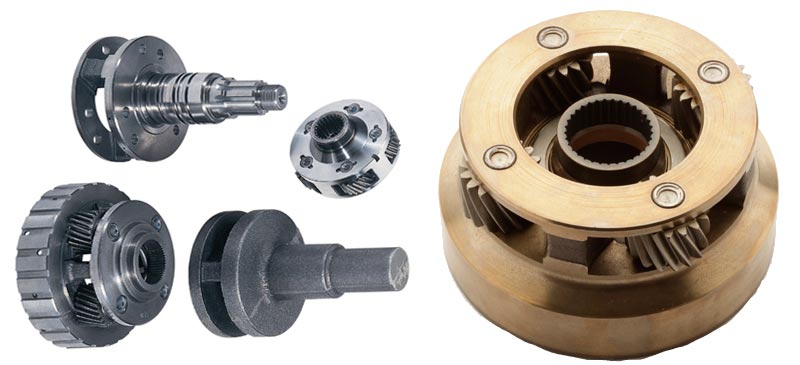
Maintaining epicyclic gears involves various practices for optimal performance and longevity:
- Regular equipment inspections: Periodic inspections help detect any signs of wear, damage, or misalignment in the gear system, allowing for timely repairs.
- Cleaning and corrosion prevention: Proper cleaning and application of anti-corrosion measures protect the gear system from environmental factors that could affect its performance.
- Lubrication and maintenance: Maintaining appropriate lubrication levels and performing routine maintenance tasks, such as gear adjustment and bearing replacement, ensure smooth operation.
- Replacement of worn parts: Timely replacement of worn or damaged gear components prevents further damage and ensures the gear system’s optimal functioning.
- Improvement and upgrades: Evaluating opportunities for gear system improvement and incorporating technological upgrades can enhance performance and efficiency.
Why Choose Us
Author: Dream
Our company specializes in the production and sale of high-quality epicyclic gears. We offer a range of advantages that set us apart:
- Extensive industry experience: With years of experience in the field, we have a deep understanding of epicyclic gears and their applications.
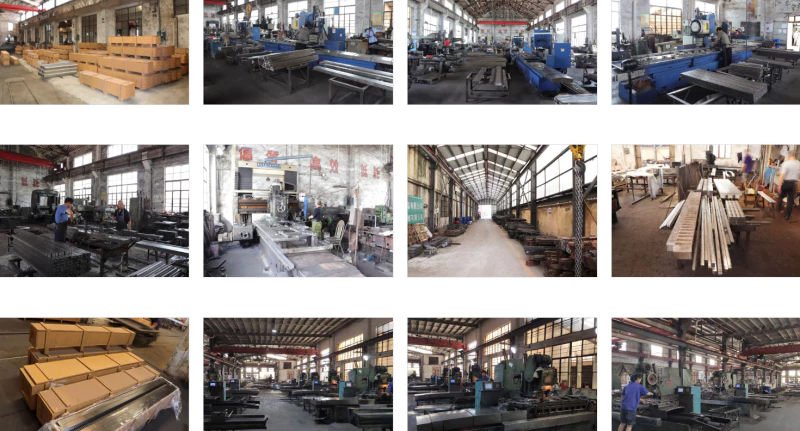
- Advanced manufacturing facilities: Our state-of-the-art manufacturing facilities allow us to produce precision-engineered gears that meet the highest quality standards.
- Customization options: We offer customization services to cater to unique customer requirements, ensuring the perfect fit for specific applications.
- Competitive pricing: Our products are competitively priced, providing excellent value for money without compromising on quality.
- Exceptional customer service: We prioritize customer satisfaction and provide exceptional customer service, including reliable technical support and aftersales assistance.
Q&A
- Q: Can epicyclic gear trains be used in underwater applications?
- Q: Are epicyclic gears prone to wear and tear?
- Q: Can epicyclic gear systems be retrofitted into existing machinery?
- Q: What is the maximum torque transmission capacity of epicyclic gears?
- Q: How can I ensure the reliability of epicyclic gear suppliers?
A: Yes, epicyclic gear trains can be designed to withstand underwater conditions, making them suitable for marine propulsion systems and other underwater applications.
A: While all gears experience some level of wear, proper maintenance, lubrication, and material selection can significantly minimize wear in epicyclic gears, ensuring their longevity.
A: Yes, epicyclic gear systems can be retrofitted into existing machinery, subject to compatibility and design considerations.
A: The torque transmission capacity of epicyclic gears varies depending on factors such as gear size, material, and design. Customized gear systems can be engineered for higher torque requirements.
A: To ensure reliability, it is advisable to research and choose suppliers with a proven track record, positive customer reviews, and certifications indicating adherence to quality standards.
Thank you for considering our comprehensive guide on epicyclic gear train applications and the advantages of choosing our company as your supplier. We look forward to the opportunity to work with you and provide exceptional epicyclic gear solutions.