epicyclic gear dynamics

Epicyclic Gear Dynamics and its Relationship with Epicyclic Gear
Epicyclic gear dynamics is the study of the motion and forces involved in the operation of epicyclic gears. These are gears that consist of one or more planet gears that revolve around a central sun gear. The motion of the planet gears is controlled by a ring gear, which is fixed in place. Epicyclic gears are used in a wide range of applications, including automotive transmissions, aircraft engines, and industrial machinery.
Epicyclic Gear Dynamics and Informational Relationship with Epicyclic Gear
The dynamics of epicyclic gears are complex and involve a number of different factors, including the geometry of the gears, the loads they are subjected to, and the lubrication system used to keep them running smoothly. Understanding these dynamics is essential for designing effective gear systems that can deliver the required levels of power and torque while minimizing noise, vibration, and wear.
At the heart of epicyclic gear dynamics is the concept of torque transmission. This is the process by which power is transferred from the input shaft of the gear system to its output shaft. In an epicyclic gear system, torque is transmitted through the planet gears, which rotate around the sun gear and transmit power to the ring gear. By varying the speed and direction of the planet gears, it is possible to achieve a wide range of different gear ratios, making epicyclic gears a versatile and flexible choice for many different applications.

Performance Characteristics of Epicyclic Gears
Epicyclic gears offer a number of important advantages over other types of gearing systems. These include:
- Compact size and lightweight construction
- High torque density
- Smooth and quiet operation
- Efficient power transmission
- Flexible gear ratios
Each of these characteristics is important in its own right, and together they make epicyclic gears an attractive choice for a wide range of different applications.
Types and Characteristics of Epicyclic Gears
There are many different types of epicyclic gears, each with its own unique characteristics and advantages. Some of the most common types include:
- Simple planetary gears
- Compound planetary gears
- Differential planetary gears
- Harmonic drive gears
- Strain wave gears
The choice of gear type will depend on a number of different factors, including the required gear ratios, the available space, and the loads that the gear system will be subjected to.

Applications of Epicyclic Gears
Epicyclic gears are used in a wide range of applications, including:
- Automotive transmissions
- Aircraft engines
- Industrial machinery
- Wind turbines
- Robotic systems
In each of these applications, epicyclic gears offer unique advantages in terms of performance, reliability, and efficiency. They are particularly well suited to high-torque, high-speed applications where space is limited and weight is a concern.
The Future of Epicyclic Gear Products
As with any technology, the future of epicyclic gears is closely tied to advancements in materials, manufacturing techniques, and design methodologies. Some of the key trends that are shaping the future of epicyclic gears include:
- The use of new materials, such as composites and ceramics, to improve gear performance and reduce weight
- The development of new manufacturing techniques, such as 3D printing and advanced machining, to improve gear quality and reduce costs
- The integration of sensors and other smart technologies to enable real-time monitoring and control of gear performance
- The adoption of new design methodologies, such as topology optimization and generative design, to improve gear efficiency and reduce weight
Overall, the future of epicyclic gears looks bright, with new innovations and advancements on the horizon that will help to improve their performance, reduce their cost, and expand their range of applications.

How to Choose the Right Epicyclic Gear
Choosing the right epicyclic gear for a given application requires careful consideration of a number of different factors. These may include:
- Defining the specific performance requirements for the gear system, such as torque, speed, and efficiency
- Selecting the appropriate materials for the gear system, taking into account factors such as weight, cost, and durability
- Optimizing the gear design to minimize noise, vibration, and wear
- Selecting a reputable supplier that can provide high-quality gears at a competitive price
- Ensuring that the gear system is properly installed, maintained, and serviced throughout its lifetime
By carefully considering each of these factors, it is possible to choose an epicyclic gear that will deliver the required performance, reliability, and efficiency for a given application.

How to Maintain Epicyclic Gears
Maintaining epicyclic gears requires regular inspection, cleaning, and lubrication to ensure that they continue to operate smoothly and efficiently. Some of the key maintenance tasks that may be required include:
- Performing regular equipment inspections to identify and address any potential issues before they become serious
- Cleaning the gear system to remove dirt, dust, and other contaminants that can cause wear and damage
- Applying the appropriate lubricant to the gear system to reduce friction and wear
- Replacing worn or damaged gear components as needed to ensure proper operation
- Upgrading the gear system to incorporate new technologies or design improvements that can enhance its performance and efficiency
By following these maintenance guidelines, it is possible to keep epicyclic gears running smoothly and efficiently for many years.
Why Choose Us
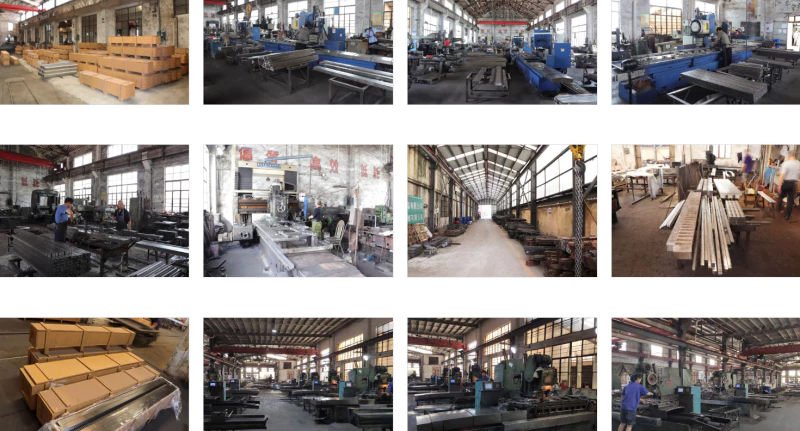
At our company, we specialize in the design, manufacture, and sale of high-quality epicyclic gears for a wide range of different applications. Some of the key advantages of our products and services include:
- High-quality materials and manufacturing processes that ensure reliable and durable performance
- A wide range of different gear types and configurations to suit any application
- Expert technical support and customer service to ensure that our customers get the best possible performance and value
- Competitive pricing and fast shipping to minimize downtime and maximize productivity
- Custom design and manufacturing services to meet the unique needs of each customer
Whether you are looking for a standard off-the-shelf gear or a custom-designed solution, we have the expertise and experience to deliver the performance, reliability, and efficiency you need.
Q&A
Q1: What are the advantages of using epicyclic gears in automotive transmissions?
A: Epicyclic gears offer a number of advantages in automotive applications, including efficient power transmission, compact size, and smooth operation. They are particularly well suited to automatic transmissions, where they can provide a wide range of gear ratios to suit different driving conditions.
Q2: How do epicyclic gears differ from other types of gears?
A: Epicyclic gears differ from other types of gears in that they consist of one or more planet gears that revolve around a central sun gear. The motion of the planet gears is controlled by a ring gear, which is fixed in place. This arrangement allows for a wide range of gear ratios and compact size, making epicyclic gears a popular choice in many different applications.
Q3: What are some common applications of epicyclic gears?
A: Epicyclic gears are used in a wide range of applications, including automotive transmissions, aircraft engines, and industrial machinery. They are also used in wind turbines, robotic systems, and many other applications where high torque and compact size are important.
Q4: How can I choose the right epicyclic gear for my application?
A: Choosing the right epicyclic gear requires careful consideration of a number of different factors, including the required performance, available space, and operating conditions. It is important to work with a reputable supplier that can provide expert technical advice and assistance in choosing the right gear for your needs.
Q5: How can I maintain my epicyclic gears to ensure long-term reliability?
A: Maintaining epicyclic gears requires regular inspection, cleaning, and lubrication to ensure that they continue to operate smoothly and efficiently. It may also be necessary to replace worn or damaged gear components or upgrade the gear system to incorporate new technologies or design improvements.
Author: Dream