types of automobile gears

Types of Automobile Gears
Introduction
Automobile gears are an essential component of vehicles, enabling the transfer of power from the engine to the wheels. They play a crucial role in the functioning of various systems, such as the transmission system, steering system, power steering pump, and starter motor.
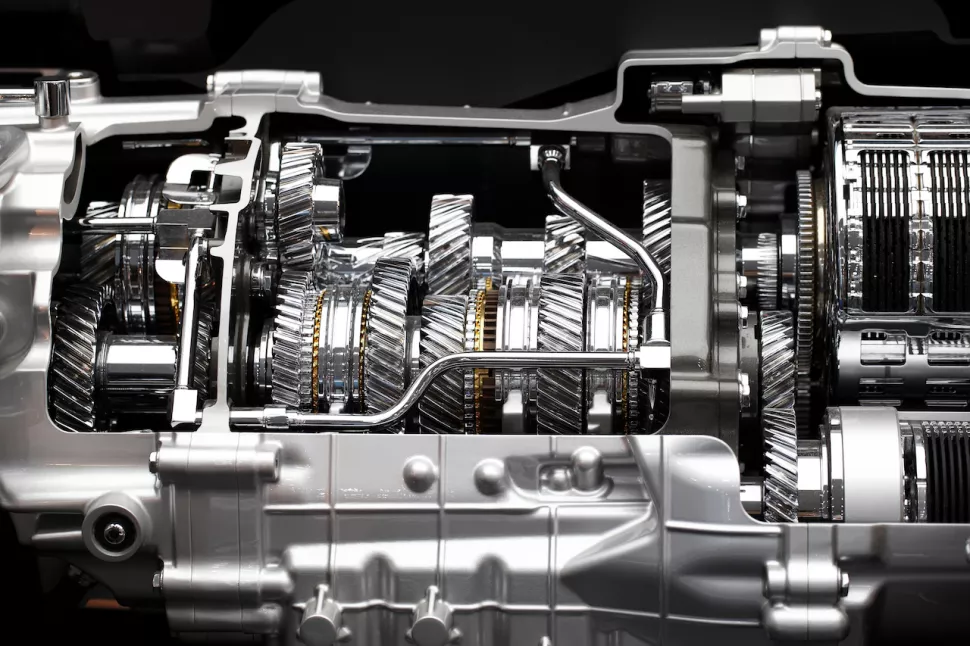
Types of Automobile Gears
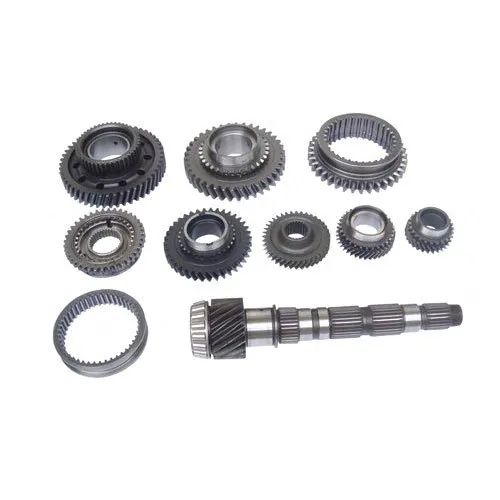
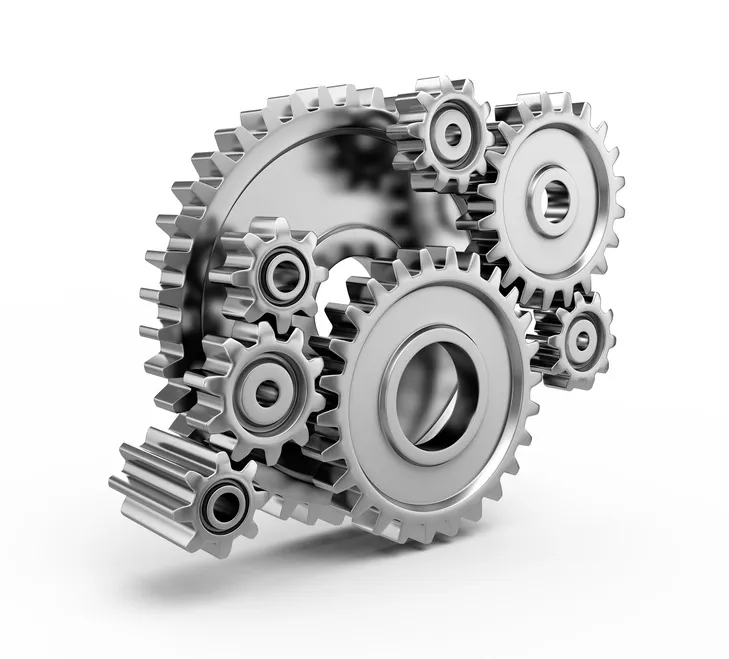
There are several types of automobile gears, each designed for specific purposes. These gears include:
1. Spur Gears
Spur gears are the most common type of gears used in automobiles. They have straight teeth that are parallel to the gear axis. Spur gears are known for their simplicity and efficiency.
2. Helical Gears
Helical gears have angled teeth, which allow for smoother and quieter operation compared to spur gears. They can transmit higher torque and are commonly used in the transmission system.
3. Bevel Gears
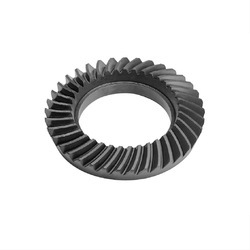
Bevel gears are used to change the direction of power transmission between intersecting shafts. They have cone-shaped teeth and are often found in differential systems.
4. Worm Gears
Worm gears consist of a worm and a worm wheel. They provide high gear reduction and are used in applications where large speed reductions are required, such as in steering systems.
Performance Characteristics of Automobile Gears
Automobile gears possess various performance characteristics that make them crucial components in vehicle systems:
1. High Torque Capacity
Automobile gears are designed to withstand high levels of torque, ensuring efficient power transmission.
2. Precise Gear Ratios
Automobile gears offer precise gear ratios, enabling smooth acceleration and optimal performance.
3. Durable and Reliable
Automobile gears are made from high-quality materials, making them durable and reliable under demanding operating conditions.
4. Efficient Power Transmission
Automobile gears minimize power loss during transmission, resulting in improved fuel efficiency and performance.
5. Noise Reduction
Modern automobile gears are designed to minimize noise and vibration, providing a quieter driving experience.
Applications of Automobile Gears
Automobile gears find extensive applications in various areas, including:
1. Transmission System
Automobile gears are crucial in the transmission system, enabling smooth gear shifting and power transfer between the engine and the wheels.
2. Steering System
Gears in the steering system allow for precise control of the vehicle’s direction and facilitate smooth steering movements.
3. Power Steering Pump
Automobile gears in the power steering pump assist in enhancing the ease of steering by providing hydraulic power assistance.
4. Starter Motor
Gears in the starter motor help in the smooth engagement of the engine’s flywheel to initiate the vehicle’s ignition process.
Future Trends and Opportunities
The automotive industry is constantly evolving, and automobile gears are no exception. Some future trends and opportunities for automobile gears include:
1. Electric Vehicle Gear Technology
With the rise of electric vehicles, there is a growing demand for specialized gears that can handle higher torque and operate silently.
2. Lightweight Gear Materials
The development of lightweight gear materials, such as advanced composites, can help improve fuel efficiency and reduce vehicle weight.
3. Gear Optimization through Simulation
Advanced simulation techniques can be employed to optimize gear design, resulting in higher efficiency and reduced noise levels.
4. Integration of Smart Technologies
Integrating smart technologies, such as sensors and connectivity features, into automobile gears can enable real-time monitoring and predictive maintenance.
Selecting the Right Automobile Gear
Choosing the correct automobile gear requires careful consideration of several factors:
1. Clearly Define the Requirements
Identify the specific requirements and operating conditions to determine the appropriate gear type, size, and material.
2. Material Selection
Select the gear material based on factors like durability, load capacity, and compatibility with other components.
3. Design Optimization
Optimize the gear design to ensure efficient power transmission, minimize noise, and maximize durability.
4. Supplier and After-Sales Support
Choose a reliable gear supplier that offers excellent after-sales support, including maintenance services and spare parts availability.
5. Cost-Effectiveness and Quality Control
Consider the cost-effectiveness of the gear while maintaining high-quality standards. Implement rigorous quality control measures to ensure reliability and performance.
Maintenance of Automobile Gears
Proper maintenance of automobile gears is vital for their longevity and optimal performance. Some maintenance practices include:
1. Regular Equipment Inspections
Periodically inspect the gears for any signs of wear, misalignment, or damage. Promptly address any issues to prevent further damage.
2. Cleaning and Corrosion Protection
Clean the gears regularly to remove dirt and debris. Apply suitable corrosion protection measures to prevent rusting and deterioration.
3. Lubrication and Maintenance
Ensure proper lubrication of the gears to minimize friction and wear. Follow manufacturer recommendations for lubricant selection and maintenance intervals.
4. Replacement of Worn Components
Monitor gear wear and replace worn or damaged components to maintain optimal performance and prevent system failure.
5. Improvements and Upgrades
Stay updated with advancements in gear technology and consider upgrading to newer designs or materials to enhance performance and efficiency.
Why Choose Us?
Author: Dream
We are a leading company specializing in the manufacturing and sales of high-quality automobile gears. Our products offer several advantages:
1. Superior Durability
Our gears are made from premium materials, ensuring exceptional durability and long-lasting performance.
2. Precise Engineering
Our gears are meticulously engineered to provide precise gear ratios, resulting in smooth and efficient power transmission.
3. Customization Options
We offer customization options to meet specific requirements, allowing for tailored gear solutions for different applications.
4. Reliable After-Sales Support
Our company provides reliable after-sales support, including maintenance services, technical assistance, and readily available spare parts.
5. Competitive Pricing
We offer competitive pricing without compromising on quality, ensuring excellent value for our customers.
Q&A – Frequently Asked Questions
Q1: What are the key factors to consider when choosing an automobile gear?
A1: The key factors to consider include the specific requirements, material selection, design optimization, supplier reliability, cost-effectiveness, and quality control.
Q2: How often should automobile gears be inspected?
A2: Automobile gears should be regularly inspected based on the manufacturer’s recommendations, typically during routine maintenance intervals.
Q3: Can automobile gears be repaired if damaged?
A3: In some cases, damaged automobile gears can be repaired, depending on the extent of the damage and the gear’s design. However, in most cases, replacement is recommended for optimal performance and reliability.
Q4: Are there any specific lubricants recommended for automobile gears?
A4: Yes, specific lubricants, such as gear oils, are recommended for automobile gears. These lubricants have properties suitable for the high loads and operating conditions experienced by gears.
Q5: What are the benefits of upgrading to advanced gear materials?
A5: Upgrading to advanced gear materials can offer benefits such as improved strength-to-weight ratio, reduced friction, enhanced durability, and increased power transmission efficiency.