how to select automobile gear oil

How to Select Automobile Gear Oil
Introduction
Automobile gear oil is a crucial component in ensuring the proper functioning and longevity of automobile gears. In this article, we will explore the various aspects of selecting the right automobile gear oil and its relationship with automobile gear.
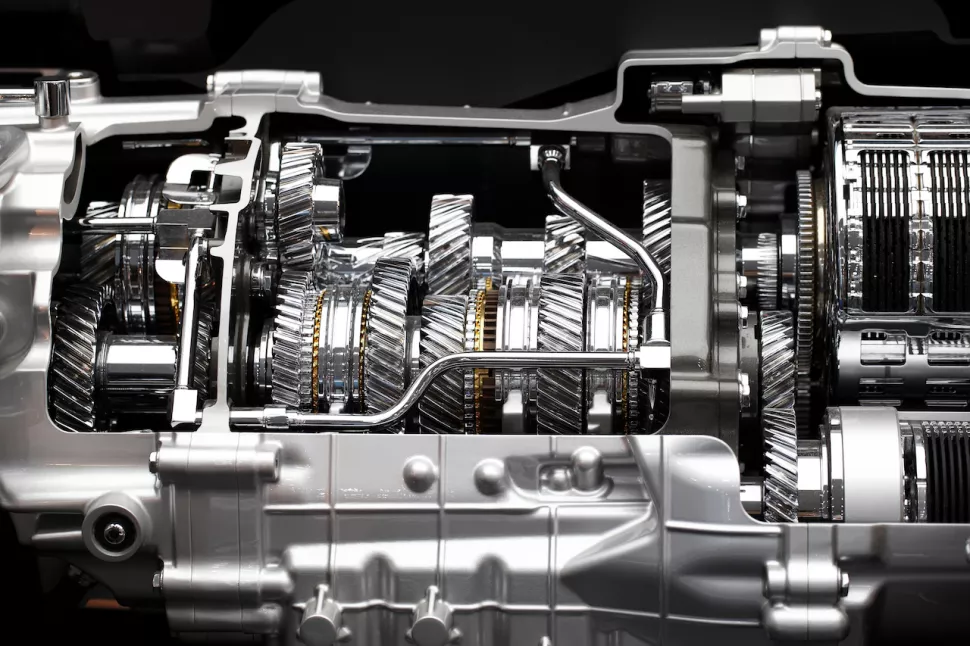
Selecting the Right Gear Oil
Choosing the appropriate automobile gear oil requires careful consideration of several factors. Let’s delve into each aspect in detail:
1. Understanding Your Needs
Before selecting gear oil, it is essential to identify specific requirements based on factors such as vehicle type, gear type, operating conditions, and performance expectations.
2. Material Selection
The choice of gear oil should align with the materials used in the automobile gear. Different materials require specific lubrication properties to ensure optimal performance and durability.
3. Design Optimization
Collaborating with design engineers can help optimize gear design, considering factors such as gear tooth profile, load distribution, and lubrication requirements. This ensures the gear oil compatibility and enhances overall performance.
4. Supplier and After-Sales Service
Choosing a reliable supplier with excellent after-sales service is crucial to ensure a steady supply of high-quality gear oil and prompt technical support when needed.
5. Cost-effectiveness
While cost is a significant consideration, it should not compromise the quality and performance of the gear oil. Striking the right balance between cost and performance is essential.
6. Quality Control
Opting for gear oil from manufacturers with stringent quality control measures ensures consistent product quality and performance, reducing the risk of gear failure and costly repairs.
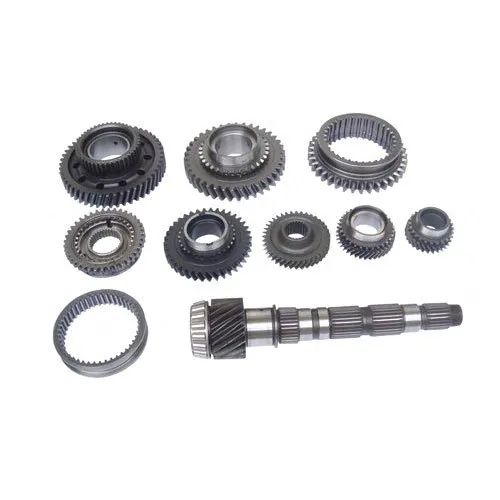
Types and Characteristics of Automobile Gear Oil
Automobile gear oil comes in various types, each with distinct characteristics. Understanding these types can help in making the right selection:
1. Mineral Gear Oil
Mineral gear oil offers good lubrication properties and is suitable for standard gear systems. It provides adequate protection against wear and corrosion.
2. Synthetic Gear Oil
Synthetic gear oil, made from artificially synthesized base oils, provides superior lubrication performance, especially in high-stress and extreme temperature conditions.
3. Semi-Synthetic Gear Oil
Semi-synthetic gear oil combines the benefits of mineral and synthetic gear oil. It offers good protection, improved fuel efficiency, and extended drain intervals.
4. Biodegradable Gear Oil
Biodegradable gear oil is environmentally friendly and suitable for applications where accidental spillage may occur, such as in marine or off-road vehicles.
5. Specialized Gear Oil
Specialized gear oil includes variations such as hypoid gear oil, limited slip differential oil, and gear oil for specific gear types, providing tailored lubrication properties for specialized applications.
Applications of Automobile Gear
Automobile gears play a vital role in various systems within a vehicle. Let’s explore their applications in different areas:
1. Transmission System
Automobile gears are extensively used in the transmission system to transfer power from the engine to the wheels efficiently and allow gear shifting.
2. Power Steering System
Gears are employed in power steering systems to assist in steering the vehicle smoothly, improving maneuverability and driver control.
3. Differential System
Differentials utilize gears to distribute power between the wheels, enabling smooth cornering and preventing wheel slippage.
4. Starter Motor
Automobile gear systems are present in starter motors, facilitating the smooth engagement of the pinion gear with the flywheel to start the engine.
The Future of Automobile Gear
The automobile gear industry is continuously evolving, presenting several development trends and opportunities. Some key aspects to consider include:
1. Advanced Materials
The incorporation of advanced materials, such as lightweight alloys and composites, can enhance gear performance, durability, and fuel efficiency.
2. Gear Technology Advancements
Advancements in gear technology, including precision manufacturing, surface coating, and noise reduction techniques, can lead to improved gear efficiency and quieter operation.
3. Electric and Hybrid Vehicles
The rise of electric and hybrid vehicles presents opportunities for gear manufacturers to develop specialized gear systems to meet the unique requirements of these vehicles.
Selecting the Right Automobile Gear
Choosing the correct automobile gear involves considering several factors. Let’s explore the key aspects:
1. Clear Requirements
Clearly define the specific gear requirements based on factors such as load capacity, torque, speed, and environmental conditions.
2. Material Selection
Choose the appropriate gear material based on factors such as strength, wear resistance, and compatibility with the application. Materials may include steel, cast iron, or specialty alloys.
3. Design Optimization
Collaborate with design engineers to optimize gear design, considering factors such as tooth profile, root stress distribution, and noise reduction techniques.
4. Supplier and After-Sales Service
Select a reputable gear manufacturer that offers reliable products and excellent after-sales service, ensuring long-term support and product performance.
5. Cost-Effectiveness
Balance the initial cost of the gear with its expected lifespan and performance. Consider long-term maintenance and replacement costs to determine cost-effectiveness.
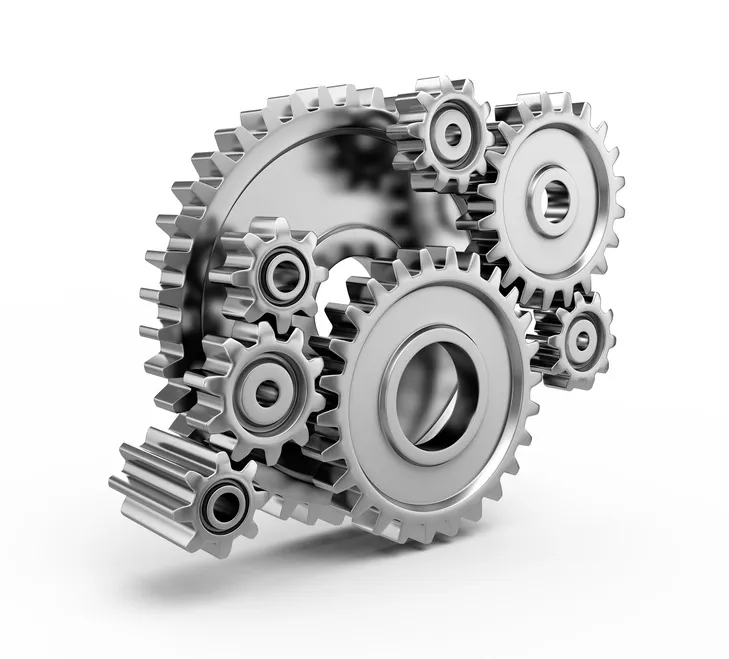
Maintenance of Automobile Gear
Proper maintenance is crucial for the optimal performance and longevity of automobile gears. Here are some maintenance practices:
1. Regular Equipment Inspection
Perform routine inspections to identify any signs of wear, misalignment, or damage in the gear system. Timely detection can prevent major failures.
2. Cleaning and Corrosion Protection
Regularly clean the gear system to remove dirt, debris, and contaminants. Apply appropriate corrosion protection measures to prevent rust and deterioration.
3. Lubrication and Maintenance
Ensure proper lubrication of gears using recommended gear oil at regular intervals. Follow maintenance schedules to replace oil and inspect gears for wear.
4. Replacement of Worn Components
Identify and replace any worn or damaged gear components promptly to prevent further damage and maintain optimal gear performance.
5. Improvements and Upgrades
Consider implementing improvements and upgrades to gear systems based on technological advancements or changing performance requirements.
Why Choose Us
Author: Dream
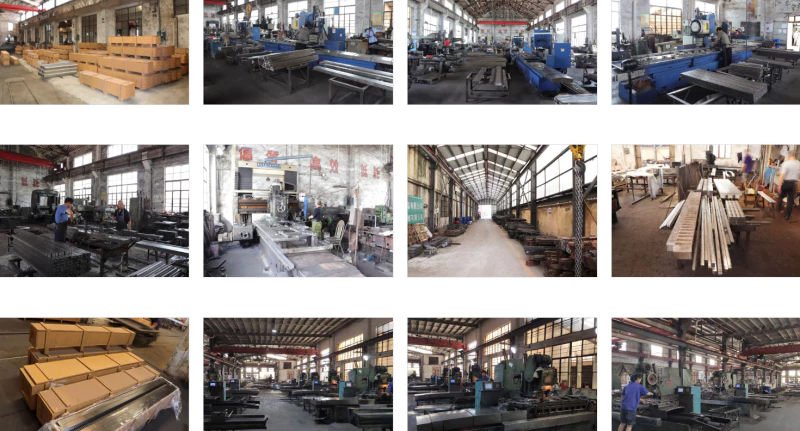
At our company, we specialize in the production and sale of high-quality automobile gears. Here’s why you should choose our products:
1. Superior Quality
Our automobile gears are manufactured using advanced techniques and premium materials, ensuring exceptional durability and performance.
2. Extensive Product Range
We offer a wide range of automobile gears tailored to various applications, providing customers with a comprehensive selection for their specific needs.
3. Customized Solutions
We work closely with our customers to understand their unique requirements and offer customized gear solutions, ensuring optimal performance and satisfaction.
4. Technical Expertise
Our team of experienced engineers and technicians possesses extensive knowledge and expertise in automobile gear design, development, and manufacturing.
5. Excellent Customer Service
We prioritize customer satisfaction and provide excellent after-sales service, including technical support, prompt response to queries, and efficient order processing.
Q&A
Q1: How often should automobile gear oil be changed?
A: The recommended interval for gear oil change varies depending on the vehicle manufacturer’s specifications and usage conditions. It is typically advised to follow the manufacturer’s maintenance schedule.
Q2: Can I mix different types of gear oil?
A: It is generally not recommended to mix different types of gear oil as they may have different additive packages and properties. Mixing can compromise performance and may lead to gear system issues.
Q3: What are the signs of gear oil deterioration?
A: Signs of gear oil deterioration include increased noise, gear slippage, decreased performance, and abnormal wear patterns on gears. Regular inspections and oil analysis can help detect such issues.
Q4: Can gear oil improve fuel efficiency?
A: Yes, selecting the appropriate gear oil with low friction properties can contribute to improved fuel efficiency by reducing power losses in the gear system.
Q5: Is gear oil compatible with all gear materials?
A: Gear oil compatibility varies depending on the material used in the gears. It is essential to select gear oil specifically formulated for the gear material to ensure optimal performance and longevity.
Author: Dream