recommended automobile gear oil viscosity

Recommended Automobile Gear Oil Viscosity
Automobile gear oil viscosity is an essential factor that plays a significant role in achieving optimal performance and durability of the automotive gear system. Gear oil is a lubricant that is used in the automobile’s transmission, transfer case, and differential to lubricate and protect the gear system’s moving parts from friction, wear, and damage. Choosing the recommended automobile gear oil viscosity has a direct impact on the gear system’s performance, fuel efficiency, and longevity.
Understanding Recommended Automobile Gear Oil Viscosity
The recommended automobile gear oil viscosity is determined by the manufacturer and depends on the gear system’s design, load, and operating conditions. Viscosity is a measure of a fluid’s resistance to flow, and it is expressed in centistokes (cSt) at a specific temperature. The Society of Automotive Engineers (SAE) has established specific viscosity ratings for gear oil, and they are classified as SAE 75W-90, SAE 80W-90, SAE 85W-140, etc. The first number (75W, 80W, 85W) indicates the oil’s cold temperature flow characteristics, and the second number (90, 140) indicates the oil’s high-temperature viscosity.
The recommended viscosity rating ensures that the gear oil’s flow characteristics are suitable for the gear system’s operating conditions, preventing excessive wear, and ensuring smooth gear shifts. Using the wrong viscosity rating can lead to gear failure, increased fuel consumption, and reduced performance.

Recommended Automobile Gear Oil Viscosity and Automobile Gear
The automobile gear’s performance and durability depend on the gear oil’s properties, including viscosity, wear protection, and thermal stability. The recommended automobile gear oil viscosity ensures that the gear oil flows smoothly and evenly over the gear teeth, reducing friction and wear. It also protects the gear system from rust, corrosion, and oxidation, prolonging the gear system’s life.
Furthermore, gear oil also acts as a coolant, dissipating the heat generated from the friction between the gear teeth and the load. The recommended viscosity rating ensures that the gear oil can absorb and release heat effectively, preventing overheating and thermal breakdown. Overheating can cause the gear oil to thin out, reducing its lubrication properties and exposing the gear system to excessive wear.
Automobile Gear Performance Characteristics
Automobile gears are designed to provide smooth and efficient transfer of power from the engine to the wheels. They are subjected to high loads, vibrations, and temperature variations, requiring them to exhibit certain performance characteristics, including:
- High load-carrying capacity: Automobile gears must be able to withstand high torque and shock loads without failure.
- Low noise and vibration: Automobile gears must operate quietly and smoothly, reducing driver fatigue and improving comfort.
- High thermal stability: Automobile gears must maintain their properties at high temperatures and pressures, preventing thermal breakdown and wear.
- Wear protection: Automobile gears must protect against wear, pitting, and scoring, preventing premature failure.
- Corrosion protection: Automobile gears must protect against rust and corrosion, preventing damage to the gear system.
Types of Automobile Gear and Their Characteristics
Automobile gears are classified based on their shape, size, and application, and they can be made from different materials, including steel, cast iron, aluminum, and composite materials. Each type of gear has its characteristics and advantages, including:

- Spur gears: They are simple and efficient, providing high-speed and low-torque applications. They are commonly used in automotive powertrains and steering systems.
- Helical gears: They are more complex and provide smoother operation and higher torque capacity than spur gears. They are commonly used in automotive transmissions and transfer cases.
- Bevel gears: They are used to transfer power between non-parallel shafts, such as differential gears. They provide high torque capacity and smooth operation.
- Worm gears: They have a high reduction ratio and provide high torque capacity and self-locking capabilities. They are commonly used in automotive steering and lifting systems.
- Rack and pinion gears: They provide linear motion and are commonly used in automotive steering systems. They offer high precision and low friction.
Applications of Automobile Gear
Automobile gears are used in various automotive systems, including transmissions, transfer cases, differentials, power steering systems, and starter motors. Each application requires specific gear characteristics, including torque capacity, speed, and precision. The following are the main applications of automobile gear:
Transmission
Automobile transmissions are responsible for transferring power from the engine to the wheels, providing different gear ratios to match the driving conditions. They consist of various gears, including spur gears, helical gears, and planetary gears, and they require high load-carrying capacity, wear protection, and smooth operation. Using the recommended automobile gear oil viscosity ensures that the gears shift smoothly and efficiently, improving fuel efficiency and reducing wear.
Transfer Cases
Automobile transfer cases are used in four-wheel-drive and all-wheel-drive vehicles, providing power transfer between the front and rear axles. They require gears that can withstand high torque and shock loads, preventing gear failure and ensuring smooth operation. Using the recommended automobile gear oil viscosity protects the gears from wear, pitting, and scoring, ensuring that the transfer case operates efficiently.
Differentials
Automobile differentials are used to distribute power between the left and right wheels, providing stability and improving traction. They require gears that can withstand high torque and shock loads, reducing wear and ensuring smooth operation. Using the recommended automobile gear oil viscosity ensures that the gears are protected from wear, corrosion, and thermal breakdown, prolonging their life.
Power Steering Systems
Automobile power steering systems use gears to transfer power between the steering wheel and the wheels, providing easier steering and improving maneuverability. They require gears that are precise, smooth, and quiet, reducing driver fatigue and improving comfort. Using the recommended automobile gear oil viscosity ensures that the gears operate efficiently, reducing wear and prolonging their life.
Starter Motors
Automobile starter motors use gears to transfer power from the battery to the engine, cranking it to start. They require gears that can withstand high torque and shock loads, preventing gear failure and ensuring smooth operation. Using the recommended automobile gear oil viscosity protects the gears from wear, pitting, and scoring, ensuring that the starter motor operates efficiently.
Future Development and Opportunities of Automobile Gear
The automobile gear industry is continually evolving, driven by advances in technology, changing consumer preferences, and increasing environmental regulations. The future development and opportunities of automobile gear include:
- Shift towards electric and hybrid vehicles, requiring different gear systems and lubricants.
- Increasing demand for lightweight and durable gear materials, such as composites and advanced alloys.
- Increasing use of automation and robotics in gear manufacturing, reducing costs and improving quality.
- Growing demand for aftermarket gear products and services, providing opportunities for smaller players.
- Increasing focus on sustainability and environmental responsibility, driving the development of eco-friendly gear lubricants and recycling methods.

How to Choose the Right Automobile Gear
Choosing the right automobile gear involves several factors, including:
- Clarifying the gear system’s design, load, and operating conditions to determine the required gear characteristics.
- Choosing the appropriate gear material based on the application, considering factors such as strength, weight, and cost.
- Optimizing the gear design to achieve the desired performance and efficiency, using advanced simulation and analysis tools.
- Selecting a reliable and experienced gear supplier that can provide customized solutions and quality control.
- Balancing the cost and benefits of the gear system, considering factors such as fuel efficiency, maintenance, and durability.

How to Maintain Automobile Gear
Maintaining automobile gear involves regular inspection, cleaning, lubrication, and component replacement. The following are the main steps involved in maintaining automobile gear:
- Performing regular equipment checks to identify wear, damage, and other issues.
- Cleaning and corrosion protection to prevent rust and corrosion.
- Lubricating gear components to ensure smooth operation and prevent wear.
- Inspecting and replacing worn or damaged components to avoid failure.
- Upgrading and improving gear components to enhance performance and efficiency.
Why Choose Us
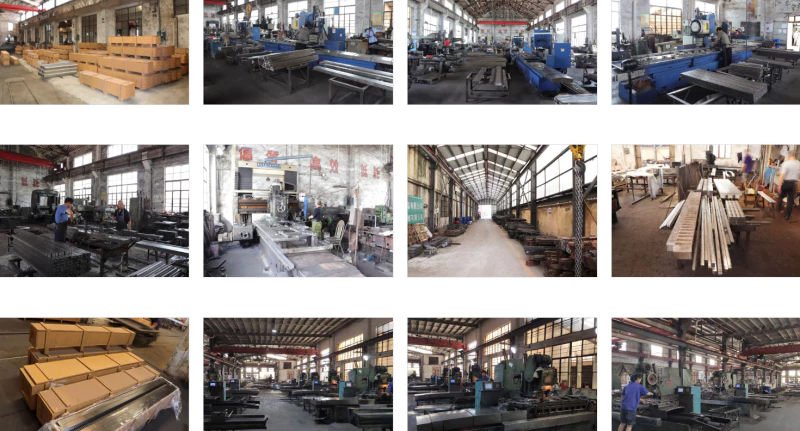
Our company is a professional manufacturer and supplier of high-quality automobile gear products, providing customized solutions and exceptional customer service. Our products offer several advantages, including:
- High load-carrying capacity and wear protection, ensuring optimal gear system performance.
- High precision and smooth operation, reducing driver fatigue and improving comfort.
- High thermal stability and corrosion protection, prolonging gear system life.
- Lightweight and durable materials, improving fuel efficiency and reducing maintenance costs.
- Customized solutions and exceptional customer service, ensuring customer satisfaction.
Q&A
Q1. What is the recommended viscosity rating for automobile gear oil?
A1. The recommended viscosity rating for automobile gear oil depends on the gear system’s design, load, and operating conditions and is determined by the manufacturer. The Society of Automotive Engineers (SAE) has established specific viscosity ratings for gear oil, and they are classified as SAE 75W-90, SAE 80W-90, SAE 85W-140, etc. The first number (75W, 80W, 85W) indicates the oil’s cold temperature flow characteristics, and the second number (90, 140) indicates the oil’s high-temperature viscosity.
Q2. What are the main applications of automobile gear?
A2. The main applications of automobile gear are in transmissions, transfer cases, differentials, power steering systems, and starter motors. Each application requires specific gear characteristics, including torque capacity, speed, and precision.
Q3. What are the main advantages of using the recommended automobile gear oil viscosity?
A3. Using the recommended automobile gear oil viscosity ensures that the gear oil’s flow characteristics are suitable for the gear system’s operating conditions, preventing excessive wear, and ensuring smooth gear shifts. It also protects the gear system from rust, corrosion, and oxidation, prolonging the gear system’s life. Furthermore, using the recommended viscosity rating ensures that the gear oil can absorb and release heat effectively, preventing overheating and thermal breakdown.
Q4. What are the future development and opportunities of the automobile gear industry?
A4. The future development and opportunities of the automobile gear industry include a shift towards electric and hybrid vehicles, increasing demand for lightweight and durable gear materials, increasing use of automation and robotics in gear manufacturing, growing demand for aftermarket gear products and services, and increasing focus on sustainability and environmental responsibility.
Q5. What are the main steps involved in maintaining automobile gear?
A5. The main steps involved in maintaining automobile gear include regular inspection, cleaning, lubrication, and component replacement. Performing regular equipment checks to identify wear, damage, and other issues, cleaning and corrosion protection to prevent rust and corrosion, lubricating gear components to ensure smooth operation and prevent wear, inspecting and replacing worn or damaged components to avoid failure, and upgrading and improving gear components to enhance performance and efficiency.
Author: Dream