automobile gear maintenance checklist

Automobile Gear Maintenance Checklist
Automobile gears are an essential component of any vehicle. They help to transmit power from the engine to the wheels, enabling the vehicle to move. As with any mechanical component, automobile gears require regular maintenance to ensure their continued performance. In this article, we will discuss the importance of automobile gear maintenance and provide a checklist of key maintenance tasks to help you keep your vehicle’s gears in top condition.
The Importance of Automobile Gear Maintenance
Proper maintenance of automobile gears is essential for several reasons. First, it helps to ensure the continued performance of the gears. Regular maintenance can help identify and address issues before they become major problems, allowing you to avoid costly repairs or replacements down the road.
Second, proper maintenance can help extend the lifespan of your vehicle’s gears. By addressing issues early and keeping the gears clean and well-lubricated, you can help ensure that they last as long as possible, reducing the need for frequent replacements.
Finally, regular maintenance can help improve the overall performance of your vehicle. Clean, well-lubricated gears are essential for smooth shifting and optimal power transmission, which can improve acceleration, fuel efficiency, and overall driving experience.
Automobile Gear Maintenance Checklist
To help you keep your vehicle’s gears in top condition, we have compiled a checklist of key maintenance tasks. These tasks should be performed regularly to ensure optimal performance and longevity of your automobile gears.
Inspect the gears for wear or damage
Regularly inspect your vehicle’s gears for any signs of wear or damage. This can include cracks, chips, or other signs of wear on the teeth or gear surface. Address any issues promptly to avoid further damage or failure.
Clean the gears
Clean your vehicle’s gears regularly to remove dirt, debris, and other contaminants that can cause damage or interfere with performance. Use a solvent or degreaser to clean the gears thoroughly, and be sure to dry them completely before reassembling.
Check the gear lubrication
Proper lubrication is essential for optimal gear performance. Check the lubricant level regularly, and replace it as needed. Be sure to use the correct type of lubricant for your vehicle’s specific gears.
Check the gear alignment
Proper gear alignment is essential for smooth shifting and optimal performance. Check the alignment regularly, and make any necessary adjustments to ensure that the gears are properly aligned.
Replace worn or damaged gears
If you notice any signs of wear or damage on your vehicle’s gears, replace them promptly to avoid further damage or failure. Be sure to use high-quality replacement gears that are designed to meet your vehicle’s specific requirements.
The Relationship Between Automobile Gear Maintenance Checklist and Automobile Gear
Automobile gear maintenance is closely related to automobile gear performance. Proper maintenance can help ensure that your vehicle’s gears perform optimally, while neglecting maintenance can lead to issues such as wear, damage, and failure.
Automobile gears are a critical component of any vehicle’s transmission system. They help to transmit power from the engine to the wheels, enabling the vehicle to move. Proper maintenance of the gears can help ensure optimal power transmission, which can improve acceleration, fuel efficiency, and overall driving experience.

Automobile Gear Characteristics and Types
Automobile gears come in a variety of types and configurations, each with its own unique characteristics and performance capabilities. Some common types of automobile gears include spur gears, bevel gears, helical gears, and worm gears.
Spur gears are the simplest type of gear, with straight teeth that are parallel to the gear axis. They are efficient and reliable, making them ideal for many applications.
Bevel gears are used to transmit power between intersecting shafts. They have angled teeth that allow them to operate at a right angle to each other.
Helical gears have angled teeth that provide smoother operation and more efficient power transmission than spur gears. They are often used in high-load applications.
Worm gears are used to transmit power between non-intersecting shafts. They have a threaded gear that meshes with a worm wheel, providing high gear reduction ratios.
Automobile gears can be made from a variety of materials, including steel, cast iron, and various alloys. Each material has its own unique advantages and disadvantages in terms of strength, durability, and cost.

Applications of Automobile Gear in Different Fields
Automobile gears are used in a variety of applications, ranging from vehicle transmissions to power tools and industrial machinery.
In the automotive industry, gears are used in the transmission system to transfer power from the engine to the wheels. They are also used in the differential, which helps to distribute power between the wheels.
In the power tool industry, gears are used in drills, saws, and other tools to transmit power from the motor to the cutting blade or other working component.
In the industrial machinery industry, gears are used in a variety of applications, such as conveyor belts, mixers, and other heavy machinery.
The Future Development of Automobile Gear Products
The future of automobile gear products is bright, with continued demand for high-quality, reliable gears across a variety of industries. As technology continues to evolve, we can expect to see new materials, designs, and manufacturing techniques that allow for even better gear performance and longevity.
One potential area of growth is in the use of composite materials and 3D printing to manufacture gears. These technologies offer new opportunities for lightweight, high-strength gears that can be customized to suit specific applications.
How to Choose the Right Automobile Gear
Choosing the right automobile gear requires careful consideration of several factors, including your specific application requirements, material selection, design optimization, supplier and after-sales service, cost-effectiveness, and quality control.
When selecting gears, be sure to consider the specific torque, load, and speed requirements of your application. Choose a material that is strong, durable, and corrosion-resistant, and optimize the gear design for maximum performance.
Be sure to work with a reputable supplier who can provide high-quality gears, and who offers after-sales support and service. Finally, be sure to consider the total cost of ownership, including maintenance, replacement, and repair costs, when choosing gears.
How to Maintain Automobile Gears
Proper maintenance is essential for optimal automobile gear performance and longevity. Maintenance tasks may include regular inspection for wear or damage, cleaning and corrosion prevention, lubrication, alignment, and replacement of worn or damaged gears.
Be sure to follow manufacturer guidelines for maintenance and use high-quality lubricants and cleaning products. Regularly inspect gears for wear or damage, and address any issues promptly to avoid further damage or failure.
Why Choose Us?
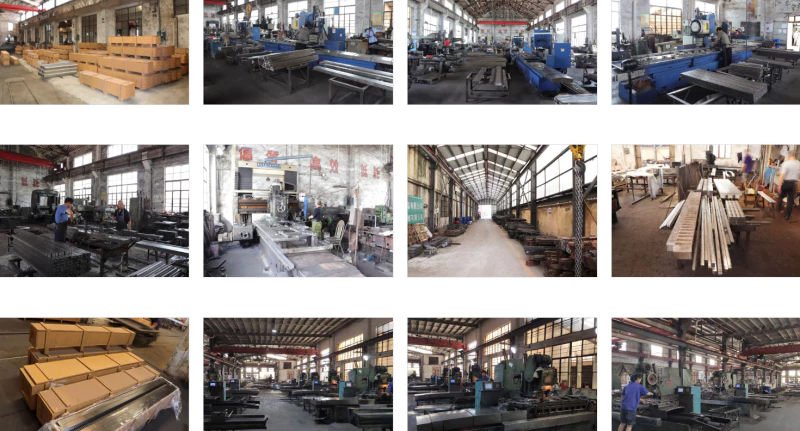
At our company, we specialize in the production and sale of high-quality automobile gears. Our gears are designed and manufactured to meet the highest standards of performance and reliability, ensuring optimal power transmission and longevity.
Some key advantages of our products and company include:
– High-quality materials and manufacturing processes
– Customizable designs to suit specific applications
– Expert technical support and after-sales service
– Competitive pricing and cost-effectiveness
– Commitment to quality control and customer satisfaction
Q&A
Q: What causes automobile gears to wear out?
A: Automobile gears can wear out due to a variety of factors, including friction, corrosion, and improper lubrication.
Q: How often should I inspect my automobile gears for wear or damage?
A: It is recommended to inspect your automobile gears for wear or damage at least once per year, or more frequently if they are used in heavy-duty applications.
Q: Can I replace my automobile gears myself, or should I hire a professional?
A: It is generally recommended to hire a professional to replace automobile gears, as this can be a complex and delicate process.
Q: How can I improve the performance of my automobile gears?
A: Proper maintenance, including regular cleaning, lubrication, and alignment, can help improve the performance of your automobile gears.
Q: What types of lubricants are recommended for automobile gears?
A: The type of lubricant recommended for automobile gears will depend on the specific application and gear type. Be sure to consult with a qualified expert to determine the best lubricant for your needs.
Author: Dream