advantages of aluminum gears

Advantages of Aluminum Gears
Introduction
Aluminum gears offer numerous advantages in various industries due to their unique properties and characteristics. This article discusses the advantages of aluminum gears, their relationship with Aluminum gear based on informational aspects, performance features, types, and applications in different fields. Additionally, it analyzes future trends, provides industry recommendations, and offers insights on selecting the right aluminum gear, maintenance, and why choosing our company for aluminum gear needs.

Advantages of Aluminum Gears
1. Lightweight and High Strength:
Aluminum gears possess excellent strength-to-weight ratio, making them ideal for applications where weight reduction is crucial without compromising strength and durability.
2. Corrosion Resistance:
Aluminum gears have inherent corrosion resistance properties, enabling them to withstand harsh environments, such as exposure to moisture, chemicals, and temperature variations, without significant degradation.
3. Low Noise and Vibration:
With their excellent damping capabilities, aluminum gears reduce noise and vibration levels, ensuring smooth and quiet operation in various mechanical systems.
4. High Heat Dissipation:
Aluminum gears efficiently dissipate heat generated during operation, preventing overheating and ensuring optimal performance and longevity of the equipment.
5. Design Flexibility:
Due to its excellent machinability and formability, aluminum allows for intricate gear designs, enabling customization based on specific application requirements.
6. Cost-Effective:
Compared to other materials, aluminum gears offer a cost-effective solution without sacrificing quality and performance, making them a preferred choice for many industries.
7. Electrical Conductivity:
Aluminum is an excellent conductor of electricity, making it suitable for gears used in electrical systems and applications.
8. Low Inertia:
Aluminum gears have low inertia, enabling faster acceleration and deceleration, which is advantageous in industries that require high-speed operation.
9. Environmental Benefits:
Aluminum is a highly recyclable material, aligning with sustainable practices and reducing environmental impact.
10. Resistance to Magnetic Fields:
This property of aluminum gears makes them suitable for applications where magnetic interference is a concern.

Types and Characteristics of Aluminum Gears
Aluminum gears come in various types, each with its unique characteristics and advantages. These include:
1. Spur Gears:
Spur gears are the most common type of aluminum gears, known for their simplicity, efficiency, and ability to transmit power between parallel shafts.
2. Helical Gears:
Helical gears have angled teeth that provide smooth and quiet operation, higher load carrying capacity, and improved meshing compared to spur gears.
3. Bevel Gears:
Bevel gears have conical-shaped teeth that transmit power between intersecting shafts. They are widely used in applications requiring changes in direction.
4. Worm Gears:
Worm gears consist of a worm and a worm wheel and are primarily used for high reduction ratios and applications requiring high torque output.
5. Rack and Pinion Gears:
Rack and pinion gears convert rotational motion into linear motion and are commonly used in steering systems, elevators, and other mechanical systems requiring precise linear movements.
Aluminum gears offer advantages such as lightweight, corrosion resistance, low noise, and excellent heat dissipation. They find applications in various industries:
Applications of Aluminum Gears
1. Automotive Industry:
Aluminum gears are used in automobile transmissions, engine systems, and steering mechanisms due to their weight reduction benefits and high strength properties.
2. Aerospace Industry:
Aluminum gears are utilized in aircraft engines, landing gear systems, and navigation systems to ensure lightweight construction and optimal performance.
3. Industrial Machinery:
Aluminum gears find applications in various industrial machinery, such as conveyor systems, robotics, and manufacturing equipment, due to their durability and cost-effectiveness.
4. Medical Equipment:
Aluminum gears are used in medical devices, such as surgical robots and diagnostic equipment, due to their lightweight nature, corrosion resistance, and high precision requirements.
5. Energy Sector:
Aluminum gears are employed in wind turbines, solar power systems, and other energy-related applications due to their lightweight and excellent heat dissipation properties.

Future Trends and Opportunities
The aluminum gear industry is expected to witness significant growth and innovation in the coming years. Some future trends and opportunities include:
1. Advanced Material Composites:
Research and development efforts are focused on developing new aluminum alloys and composites to enhance gear performance, including higher strength, improved wear resistance, and reduced friction.
2. Miniaturization:
As technology advances, there is a growing demand for smaller and more compact gear systems. Aluminum gears are well-suited for miniaturization due to their lightweight and design flexibility.
3. Electric and Hybrid Vehicles:
The increasing adoption of electric and hybrid vehicles presents opportunities for aluminum gear manufacturers to provide lightweight and efficient power transmission solutions.
4. Automation and Robotics:
As the automation and robotics sectors expand, aluminum gears will play a vital role in ensuring precise and efficient movement in various robotic systems.
5. Renewable Energy:
The shift towards renewable energy sources opens up opportunities for aluminum gears in wind turbines, hydroelectric systems, and other green energy applications.

Selecting the Right Aluminum Gear
Choosing the correct aluminum gear involves several crucial considerations:
1. Clearly Define Requirements:
Identify the specific performance requirements, load capacity, speed, and other factors needed for the gear system to ensure optimal functionality.
2. Material Selection:
Consider the application’s operating conditions, such as temperature, corrosion potential, and load requirements, when selecting the appropriate aluminum alloy.
3. Design Optimization:
Collaborate with experienced design engineers to optimize gear design for efficiency, noise reduction, and longevity, ensuring the gear meets project requirements.
4. Supplier and After-Sales Service:
Choose a reputable supplier that offers high-quality aluminum gears and provides excellent after-sales support, including maintenance, technical assistance, and timely deliveries.
5. Cost-effectiveness and Quality Control:
Evaluate the overall cost-effectiveness of the gear solution, considering initial investment, maintenance, and expected lifespan. Additionally, ensure quality control measures are in place throughout the manufacturing process.
Maintenance of Aluminum Gears
Proper maintenance ensures the longevity and performance of aluminum gears:
1. Regular Equipment Inspections:
Perform routine inspections to identify any signs of wear, misalignment, or damage. This helps detect issues early and prevent costly repairs or breakdowns.
2. Cleaning and Corrosion Prevention:
Clean gears regularly to remove dirt and debris that can cause premature wear. Apply appropriate corrosion prevention methods to protect against environmental factors.
3. Lubrication and Maintenance:
Ensure proper lubrication is applied to reduce friction and wear. Follow manufacturer recommendations for maintenance tasks such as gear re-greasing or bearing replacement.
4. Replacement of Worn Components:
Monitor gear wear and replace any worn or damaged components promptly to maintain optimal performance and prevent further damage to the system.
5. Improvements and Upgrades:
Continuously assess gear performance and explore opportunities for improvements or upgrades. This may involve incorporating advanced materials, design modifications, or enhanced manufacturing techniques.
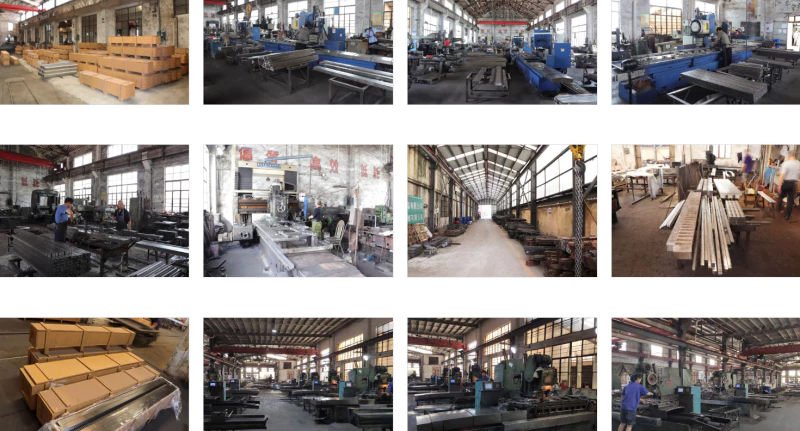
Why Choose Us?
At [Company Name], we are dedicated to providing top-quality aluminum gears and exceptional customer service. Here are five reasons to choose our products and company:
1. Extensive Product Range:
We offer a wide range of aluminum gears, including spur gears, helical gears, bevel gears, worm gears, and rack and pinion gears, ensuring we have the right solution for your specific needs.
2. Superior Quality:
Our aluminum gears are manufactured using high-quality materials and advanced production techniques, guaranteeing reliability, durability, and optimal performance.
3. Customization Options:
We understand that each application has unique requirements. Our team of experts can work closely with you to customize aluminum gears to meet your exact specifications and performance goals.
4. Competitive Pricing:
We offer competitive pricing without compromising on quality. Our cost-effective solutions provide excellent value for your investment.
5. Exceptional Customer Support:
Customer satisfaction is our top priority. We provide comprehensive after-sales support, including technical assistance, prompt deliveries, and reliable customer service.
Q&A
Q1: Can aluminum gears be used in high-temperature environments?
A1: Yes, aluminum gears exhibit good heat dissipation properties and can be used in high-temperature applications when the appropriate aluminum alloy is selected.
Q2: Are aluminum gears suitable for heavy-duty industrial machinery?
A2: Yes, aluminum gears can be designed and manufactured to handle heavy loads and offer excellent durability and reliability in industrial machinery.
Q3: What advantages does aluminum offer over other gear materials like steel?
A3: Aluminum gears are lighter in weight, possess better corrosion resistance, and offer cost-effective solutions compared to steel gears.
Q4: Can aluminum gears be used in precision applications?
A4: Yes, with proper design and manufacturing processes, aluminum gears can provide the required precision in various applications, including robotics and medical equipment.
Q5: Is aluminum environmentally friendly compared to other gear materials?
A5: Yes, aluminum is highly recyclable, making it a more sustainable choice compared to other materials like plastics or certain metals.
Author: Dream