aluminum gear vs plastic gear

Aluminum Gear vs Plastic Gear
When it comes to choosing gears for industrial applications, one of the most important decisions you will make is selecting the right material. Two of the most common materials used for gears are aluminum and plastic. In this article, we will compare aluminum gear vs plastic gear and explore the benefits and drawbacks of each.
Aluminum Gear vs Plastic Gear: Informational Comparison

Aluminum gears are lightweight, strong, and durable, making them a popular choice in numerous applications. They can withstand high temperatures, which makes them ideal for use in industries like aerospace and automotive. They are also resistant to corrosion and wear, which makes them ideal for use in harsh environments.
Plastic gears, on the other hand, are lightweight, low-cost, and corrosion-resistant. They are suitable for use in low-load, low-impact applications, but they are not as strong or durable as aluminum gears. They are also more susceptible to wear and tear, which makes them less reliable in high-stress applications.
When comparing aluminum gear vs plastic gear, it is important to consider the specific application and the requirements of the gear. For low-load applications, plastic gears may be a cost-effective solution. However, for high-stress applications, aluminum gears are the clear choice.
Aluminum Gear Performance Characteristics
Aluminum gears have several performance characteristics that make them an excellent choice for high-stress applications:
- High strength-to-weight ratio
- Excellent corrosion resistance
- Good wear resistance
- High-temperature resistance
- Low coefficient of thermal expansion
Types and Characteristics of Aluminum Gear

Aluminum gears come in several types, including spur gears, helical gears, bevel gears, and worm gears. Each type has its own unique characteristics and advantages:
- Spur gears: Simple design, high efficiency, and low noise
- Helical gears: Smooth and quiet operation, high load capacity, and high efficiency
- Bevel gears: Can transmit power between shafts at different angles
- Worm gears: High ratio of speed reduction and torque multiplication, self-locking
Aluminum gears have several advantages over other materials:
- Lightweight and strong
- Corrosion-resistant
- Excellent wear resistance
- High-temperature resistance
- Low coefficient of thermal expansion
Applications of Aluminum Gear in Various Industries
Aluminum gears are used in a wide range of industries, including:
- Automotive industry: For transmissions, engines, and power steering systems
- Aerospace industry: For aircraft engines, landing gear, and flight control systems
- Industrial machinery: For conveyors, printing presses, and machine tools
- Medical equipment: For diagnostic imaging machines, surgical instruments, and prosthetics
- Energy industry: For wind turbines, solar panels, and hydroelectric generators
Aluminum gears play a crucial role in these industries, where high performance and reliability are essential.
Future Development and Opportunities of Aluminum Gear Products

As technology continues to advance, the demand for high-performance gears is growing. Aluminum gears are well-positioned to meet this demand, with their superior strength, durability, and corrosion resistance. The future of aluminum gear products looks bright, with opportunities for growth in various industries, including renewable energy, transportation, and aerospace.
To capitalize on these opportunities, manufacturers should focus on improving gear design, developing new materials, and optimizing production processes. By staying ahead of the curve, they can meet the evolving needs of their customers and maintain a competitive edge.
How to Choose the Right Aluminum Gear

Choosing the right aluminum gear requires careful consideration of several factors, including:
- Clarifying your specific requirements and application
- Selecting the right material for your gear
- Optimizing gear design for maximum performance
- Choosing a reliable supplier with a proven track record
- Weighing the cost-effectiveness and quality of the gear
By taking these factors into account, you can ensure that you choose the right aluminum gear for your needs.
How to Maintain Aluminum Gear
Proper maintenance is essential to ensure the longevity and reliability of your aluminum gear. The following steps can help you keep your gear in top condition:
- Schedule regular equipment inspections
- Clean and protect gears from corrosion
- Lubricate and maintain gears to reduce friction and wear
- Replace worn or damaged parts promptly
- Upgrade and improve gear design as needed
Why Choose Us?
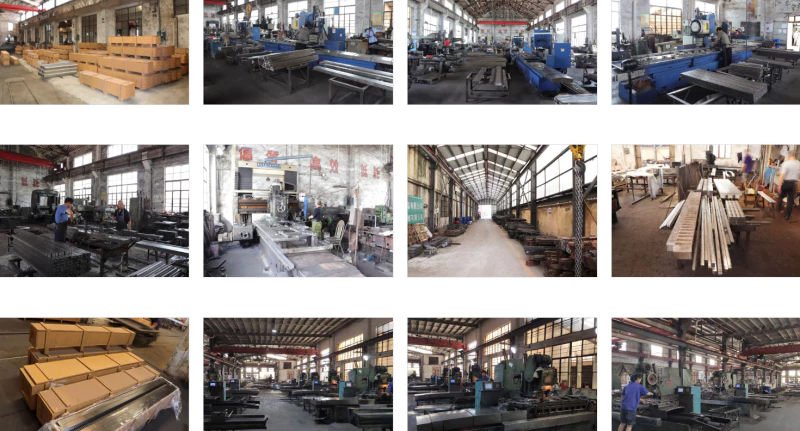
At our company, we specialize in the production and sale of high-performance aluminum gears. Our products are designed and manufactured to the highest standards, using the latest technology and materials. Here are just a few reasons why you should choose us:
- High-quality, durable products
- Customized solutions to meet your specific needs
- Competitive pricing and excellent value
- Fast and reliable delivery
- Exceptional customer service and support
With our extensive experience and expertise, we can help you find the right gear for your needs and ensure that you get the best possible performance and value.
Q&A
Q1. What are the advantages of aluminum gears over plastic gears?
Aluminum gears are stronger, more durable, and more resistant to wear and tear than plastic gears. They can also withstand high temperatures and harsh environments, making them ideal for use in a wide range of industrial applications.
Q2. What are the different types of aluminum gears?
Aluminum gears come in several types, including spur gears, helical gears, bevel gears, and worm gears. Each type has its own unique characteristics and advantages.
Q3. What are the applications of aluminum gears?
Aluminum gears are used in a wide range of industries, including automotive, aerospace, industrial machinery, medical equipment, and energy.
Q4. How do I choose the right aluminum gear?
Choosing the right aluminum gear requires careful consideration of several factors, such as your specific requirements and application, material selection, gear design, supplier reliability, and cost-effectiveness.
Q5. How do I maintain my aluminum gear?
To maintain your aluminum gear, you should schedule regular equipment inspections, clean and protect gears from corrosion, lubricate and maintain gears to reduce friction and wear, replace worn or damaged parts promptly, and upgrade and improve gear design as needed.