herringbone gear assembly

Herringbone Gear Assembly: A Comprehensive Guide
Introduction to Herringbone Gear Assembly
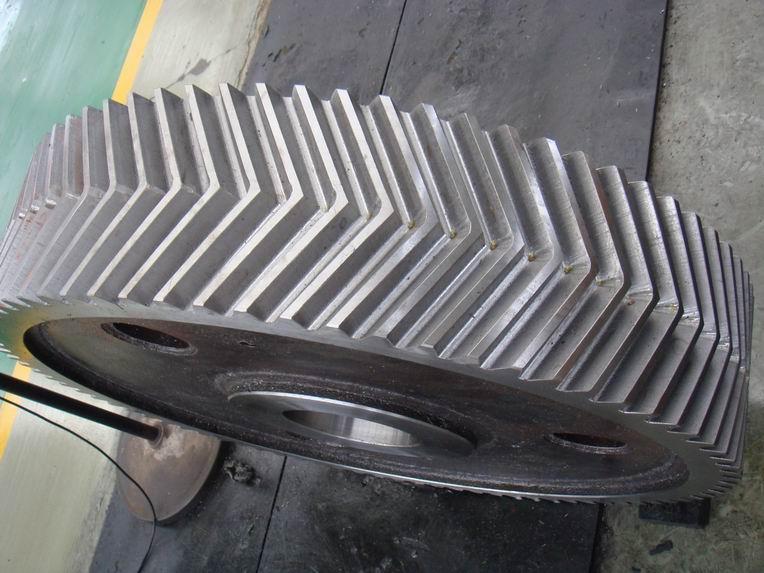
Herringbone gear assembly is a crucial component in various mechanical systems, known for its unique structure and exceptional performance. This type of gear, also referred to as double helical gear, is widely utilized in industries such as automotive, power generation, heavy machinery, transmission, marine engineering, and manufacturing.
Herringbone gears are formed by two sets of helical teeth, each set positioned at an angle relative to the other. This arrangement ensures synchronous and balanced power transmission, minimizing vibration, noise, and axial thrust. The distinctive “V” shape of the teeth enables efficient torque transfer and enhances overall gear performance.
Herringbone Gear Assembly and its Relation to Herringbone Gear
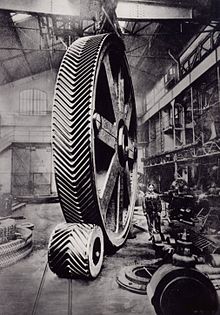
Herringbone gear assembly is closely connected to herringbone gears in terms of design and functionality. The assembly consists of multiple herringbone gears meshing together to transmit power and rotation. This intricate arrangement ensures smooth and precise motion transfer, making it ideal for high-speed and heavy-duty applications.
Herringbone gears exhibit exceptional performance characteristics that contribute to their widespread usage in various industries:
- High Torque Capacity: The unique tooth design enables herringbone gears to handle substantial amounts of torque, making them suitable for demanding applications.
- Improved Load Distribution: The double helical structure evenly distributes the load across the gear teeth, reducing wear and enhancing overall durability.
- No Axial Thrust: Herringbone gears eliminate axial thrust, ensuring stable and reliable operation without the need for additional thrust bearings.
- Reduced Noise and Vibration: The opposing helical teeth cancel out axial forces, resulting in minimal noise and vibration during gear operation.
- Increased Efficiency: The precise tooth engagement and balanced load distribution contribute to high gear efficiency, minimizing energy losses.
There are different types of herringbone gears available, each with its unique characteristics and advantages. These include:
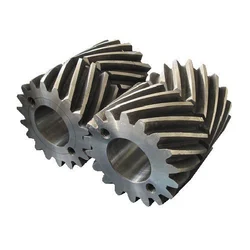
- Steel Herringbone Gears: Steel herringbone gears offer excellent strength, durability, and resistance to wear and tear. They are commonly used in heavy-duty applications that require high torque transmission.
- Cast Iron Herringbone Gears: Cast iron herringbone gears provide good wear resistance and quiet operation. They are suitable for applications where noise reduction is a priority.
- Brass Herringbone Gears: Brass herringbone gears are known for their corrosion resistance and ability to operate smoothly under various conditions. They are often used in marine and corrosive environments.
- Plastic Herringbone Gears: Plastic herringbone gears offer lightweight and low-cost solutions for applications that do not require high torque or heavy loads.
Applications of Herringbone Gear in Various Industries
Herringbone gears find extensive use in several industries, demonstrating their value and importance:
1. Automotive Industry
Herringbone gears are utilized in automotive transmissions, differential systems, and powertrain assemblies. Their ability to handle high torque and provide smooth operation ensures efficient power distribution and optimal performance.
2. Power Generation Equipment
Herringbone gears are employed in power generation equipment such as turbines and generators. They play a vital role in transferring power from the turbine to the generator, ensuring reliable and efficient electricity production.
3. Heavy Machinery
Herringbone gears are integral components in heavy machinery, including construction equipment, mining machinery, and agricultural machinery. Their robustness and high load-bearing capacity enable them to withstand demanding conditions and deliver reliable performance.
4. Transmission and Marine Engineering
Herringbone gears are crucial in transmission systems for ships, providing smooth power transfer and precise gear synchronization. They are also utilized in various marine engineering applications, such as propulsion systems and winches.
5. Manufacturing Industry
Herringbone gears are widely used in manufacturing equipment such as machine tools, conveyors, and industrial robots. Their high precision and durability contribute to efficient and reliable operation in production processes.
The Future of Herringbone Gear: Trends and Opportunities
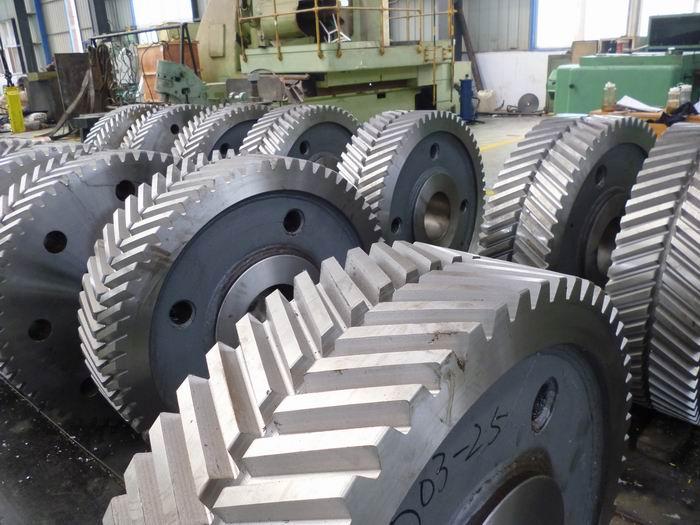
Herringbone gears continue to evolve, presenting new opportunities and avenues for growth in various industries. Some trends and opportunities in the herringbone gear market include:
- Increasing Demand for Energy-Efficient Gears: As sustainability and energy efficiency become paramount, there is a growing need for herringbone gears that minimize energy losses and maximize efficiency.
- Advancements in Material Technologies: Ongoing research and development in materials science lead to the emergence of new materials with enhanced strength, wear resistance, and durability, further improving the performance of herringbone gears.
- Automation and Robotics: The rise of automation and robotics in industries creates opportunities for herringbone gears that can meet the demands of precision motion control and high-speed applications.
- Integration of Smart Technologies: The integration of sensors and IoT technologies in herringbone gears enables real-time monitoring, predictive maintenance, and optimized performance, enhancing overall productivity.
- Customization and Tailored Solutions: As industries require gears that cater to specific needs and requirements, the market for customized herringbone gears expands, offering tailored solutions for diverse applications.
To capitalize on these trends and opportunities, it is crucial to consider the following aspects when selecting the right herringbone gear:
Choosing the Right Herringbone Gear: Considerations
1. Clearly Define Requirements
Identify the specific operating conditions, torque requirements, speed ratios, and other parameters to ensure the chosen herringbone gear meets the application’s demands.
2. Material Selection
Select the appropriate material based on factors such as load capacity, wear resistance, corrosion resistance, and operating temperature. Consider the advantages and limitations of each material option.
3. Design Optimization
Optimize the gear design by considering factors such as tooth profile, contact pattern, and backlash. Tailor the design to minimize noise, vibration, and energy losses while maximizing load distribution.
4. Supplier and After-Sales Service
Choose a reliable and experienced supplier who offers quality products and excellent after-sales service. Ensure prompt technical support, spare parts availability, and maintenance assistance.
5. Cost-effectiveness
Weigh the costs associated with the herringbone gear against its performance and durability. Consider the long-term benefits and potential savings in terms of maintenance and operational efficiency.
6. Quality Control
Ensure rigorous quality control measures are in place throughout the manufacturing process, including material inspection, precision machining, and comprehensive testing to guarantee the gear’s reliability and performance.
Maintenance of Herringbone Gear
Maintaining herringbone gear ensures optimal performance and extends its lifespan. Key maintenance practices include:
1. Regular Equipment Inspection
Periodically inspect herringbone gear assemblies for signs of wear, misalignment, or damage. Detecting issues early allows for timely repairs or replacements, minimizing downtime.
2. Cleaning and Anti-Corrosion Measures
Keep the gear assembly clean and apply appropriate anti-corrosion treatments to protect the gear surfaces from degradation caused by moisture, chemicals, or environmental factors.
3. Lubrication and Lubricant Selection
Ensure proper lubrication of the herringbone gear assembly to minimize friction and wear. Select lubricants suitable for the operating conditions, taking into account factors like temperature and load requirements.
4. Replacement of Worn Components
Regularly monitor the condition of the gear teeth, bearings, and other critical components. Replace any worn or damaged parts promptly to maintain optimal gear performance and prevent further damage.
5. Improvements and Upgrades
Continuously evaluate the gear assembly’s performance and explore opportunities for improvements and upgrades. Incorporate technological advancements or design modifications to enhance efficiency and reliability.
Why Choose Us: Your Herringbone Gear Solution
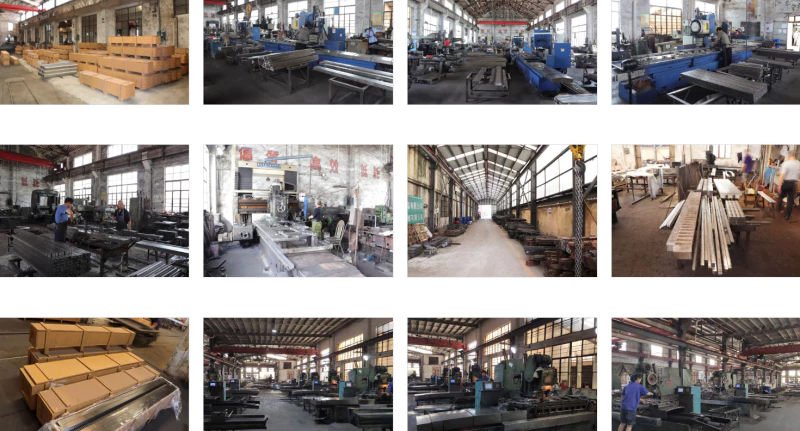
As a leading manufacturer and supplier of herringbone gears, we offer a comprehensive range of products and exceptional services that set us apart:
- High-Quality Gears: Our herringbone gears are manufactured to the highest standards, ensuring excellent performance, durability, and precise tooth engagement.
- Customization Capabilities: We understand the unique requirements of different industries and offer tailored solutions to meet specific application needs, providing optimal gear performance.
- Technical Expertise: Our team of experienced engineers and technicians possesses deep knowledge and expertise in herringbone gear design, manufacturing, and application support.
- Reliable After-Sales Service: We are committed to providing timely technical support, spare parts availability, and comprehensive after-sales assistance to ensure customer satisfaction.
- Competitive Pricing: We offer cost-effective solutions without compromising on quality, providing our customers with excellent value for their investment.
With our herringbone gears and our commitment to customer satisfaction, we aim to build long-lasting partnerships and contribute to the success of your projects.
Q&A (Question and Answer)
- Q: What is the advantage of using herringbone gears over other gear types?
- Q: Can herringbone gears handle high torque applications?
- Q: Are herringbone gears suitable for applications with strict noise requirements?
- Q: Can herringbone gears be used in corrosive environments?
- Q: Are herringbone gears customizable?
A: Herringbone gears offer several advantages, including improved load distribution, reduced noise and vibration, and increased efficiency compared to other gear types.
A: Yes, herringbone gears are designed to handle high torque due to their robust structure and effective load distribution.
A: Yes, herringbone gears exhibit reduced noise and vibration levels due to their opposing helical teeth, making them suitable for noise-sensitive applications.
A: Yes, certain types of herringbone gears, such as those made of brass or corrosion-resistant materials, are suitable for use in corrosive environments.
A: Yes, herringbone gears can be tailored to meet specific application requirements, including tooth profile, material selection, and dimensional specifications.
Author: Dream