herringbone gear surface treatment

Herringbone Gear Surface Treatment and Its Relationship with Herringbone Gear
Herringbone gears are widely used in various industries due to their unique design that can handle high torque and reduce noise. However, to ensure their optimal performance, specific surface treatment is required. In this article, we will discuss herringbone gear surface treatment and its relationship with herringbone gear, along with their applications, types, maintenance, and future trends.
Herringbone Gear Surface Treatment
The performance of herringbone gears is heavily dependent on their surface treatment. The surface treatment helps to enhance the quality of the gear, increase its durability, and reduce friction and wear. The most common surface treatment methods for herringbone gears are:
Heat Treatment
Heat treatment is a process that involves heating and cooling the metal to improve its physical properties. The process helps to increase the hardness, toughness, and strength of the herringbone gear. The heat treatment process comprises of three steps: heating, holding, and cooling.
Shot Peening
Shot peening is a surface treatment process that involves blasting the surface of the herringbone gear with small metallic or ceramic particles. This process helps to increase the surface hardness and compressive stress, which improves the fatigue strength of the gear.
Grinding
Grinding is the most common surface treatment process used to obtain high precision and surface finish. The grinding process involves removing the material from the gear surface using a grinding wheel. The process helps to improve the gear’s accuracy, surface finish, and durability.

Herringbone Gear Informational Relationship with Surface Treatment
The herringbone gear’s design makes it more complicated to manufacture and often requires additional treatment, such as heat treatment, shot peening, or grinding. Surface treatment helps to correct any errors that may occur during the gear’s manufacturing process. For instance, heat treatment can help to reduce the gear’s brittleness, while shot peening can improve the gear’s durability. Grinding can help to correct any surface defects or misalignment that may result from the manufacturing process. Therefore, herringbone gear surface treatment is critical to ensure optimal performance and longevity.
Herringbone Gear Performance Characteristics
Herringbone gears are popular due to their unique design that offers several advantages, such as:
High Load Capacity
Herringbone gears can handle high torque loads and transmit power between shafts without slipping or failing.
Low Noise and Vibration
The gear’s design helps to reduce noise and vibration by evenly distributing the load across the gear teeth.
High Precision
Herringbone gear’s unique design provides high accuracy and precision, which is essential in applications that require precise movement and control.
High Efficiency
The gear’s unique design allows for efficient power transmission, reducing energy consumption and operating costs.
Wide Range of Applications
Herringbone gears are used in various applications, including automotive, aerospace, marine, and heavy machinery industries.
Herringbone Gear Types and Their Characteristics
Herringbone gears come in different types based on their design and manufacturing process. The most common types of herringbone gears are:
Cast Iron Herringbone Gears
Cast Iron Herringbone gears are commonly used in low-speed applications due to their high wear resistance and low cost. However, they have lower strength and hardness compared to other materials.
Steel Herringbone Gears
Steel Herringbone Gears are used in high-speed applications due to their high strength and hardness. However, they are more expensive compared to other materials.
Bronze Herringbone Gears
Bronze Herringbone Gears are commonly used in low-speed, heavy-duty applications due to their high wear resistance, low friction, and low cost.
Plastic Herringbone Gears
Plastic Herringbone Gears are used in low-load, low-speed applications due to their low cost, low noise, and self-lubrication properties.

Herringbone Gear Applications
Herringbone gears are widely used in various industries, including:
Automotive Industry
Herringbone gears are commonly used in automotive transmissions due to their high load capacity, efficiency, and low noise and vibration.
Power Generation Industry
Herringbone gears are used in hydroelectric generators, steam turbines, and other power generation equipment due to their high torque and efficiency.
Heavy Machinery Industry
Herringbone gears are used in heavy machinery such as mining and construction equipment due to their high load capacity and durability.
Marine and Propulsion Industry
Herringbone gears are used in marine propulsion systems due to their high efficiency, low noise and vibration, and durability.
Manufacturing Industry
Herringbone gears are used in various industrial applications such as machine tools, conveyor systems, and robotics due to their high precision and accuracy.
Herringbone Gear Future Trends and Opportunities
The herringbone gear industry is expected to witness significant growth due to the increasing demand for high-performance gears in various industries. The future trends and opportunities in the herringbone gear industry are:
Advanced Material Development
The development of advanced materials such as composites and ceramics will help to improve gear performance and reduce weight and cost.
Industry 4.0 Integration
The integration of Industry 4.0 technologies such as Internet of Things (IoT) and Big Data analytics will improve gear design, production, and maintenance.
Automation and Robotics
The use of automation and robotics in gear production will help to increase production efficiency, reduce labor costs, and improve quality control.
Green Energy
The growth of the green energy industry will increase the demand for herringbone gears in wind turbines, solar power systems, and other renewable energy technologies.
Globalization
The increasing demand for herringbone gears in emerging markets such as China, India, and Brazil will create new opportunities for gear manufacturers to expand their market share.

How to Choose the Right Herringbone Gear
Choosing the right herringbone gear involves considering several factors, including:
Clear Requirements
Clearly defining the gear’s requirements, such as load capacity, speed, and accuracy, will help to select the right gear for the application.
Material Selection
Selecting the right material based on the application’s requirements, such as strength, hardness, and wear resistance, will ensure optimal performance and longevity.
Design Optimization
Design optimization involves selecting the right gear design, such as helical, spur, or herringbone, based on the application’s requirements.
Supplier and After-Sales Service
Selecting a reputable supplier who provides after-sales service, such as maintenance, repair, and replacement, will ensure uninterrupted production and minimal downtime.
Cost-Effectiveness
Selecting the most cost-effective gear based on the application’s requirements, such as performance, durability, and maintenance, will help to reduce operating costs.
Quality Control
Ensuring that the gear meets the required quality standards, such as ISO or AGMA, will help to prevent gear failure and ensure optimal performance.

How to Maintain Herringbone Gear
Herringbone gears require regular maintenance to ensure optimal performance and longevity. The maintenance process involves:
Regular Equipment Inspection
Regular equipment inspection involves checking for any signs of wear, damage, or misalignment that may affect the gear’s performance.
Cleaning and Corrosion Prevention
Cleaning and corrosion prevention involve removing any dirt, debris, or rust that may affect the gear’s performance and applying a protective coating to prevent corrosion.
Lubrication and Maintenance
Lubrication and maintenance involve applying the right lubricant to the gear’s surface to reduce friction and wear and replacing any worn-out or damaged parts.
Improvement and Upgrades
Improvement and upgrades involve identifying any design or manufacturing flaws and making the necessary improvements or upgrades to enhance the gear’s performance and longevity.
Why Choose Us
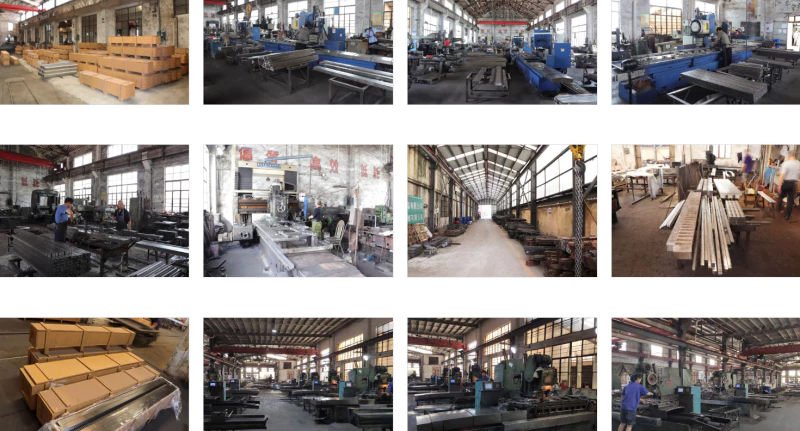
We are a leading manufacturer and supplier of high-quality herringbone gears. Our products come with several advantages, including:
High-Quality Materials
We use high-quality materials such as steel, bronze, and plastic to ensure optimal performance and longevity.
Customized Design and Production
We offer customized design and production services to meet our clients’ specific requirements and applications.
Strict Quality Control
We have a strict quality control process to ensure that our products meet the required quality standards and specifications.
Competitive Pricing
We offer competitive pricing without compromising on quality, ensuring that our clients get the best value for their money.
Excellent After-Sales Service
We provide excellent after-sales service, such as maintenance, repair, and replacement, to ensure uninterrupted production and minimal downtime.
Q&A
Q: What is the maximum load capacity of herringbone gears?
A: The maximum load capacity of herringbone gears depends on several factors, such as the material, design, and manufacturing process.
Q: What is the most common surface treatment method for herringbone gears?
A: The most common surface treatment method for herringbone gears is grinding.
Q: What is the difference between cast iron and steel herringbone gears?
A: Cast iron herringbone gears are commonly used in low-speed applications due to their high wear resistance and low cost, while steel herringbone gears are used in high-speed applications due to their high strength and hardness.
Q: How often should herringbone gears be maintained?
A: Herringbone gears should be maintained regularly, depending on the application and operating conditions.
Q: What is the future trend of herringbone gear industry?
A: The herringbone gear industry is expected to witness significant growth due to the increasing demand for high-performance gears in various industries, such as automotive, aerospace, and renewable energy.