herringbone gear manufacturing technology

Herringbone Gear Manufacturing Technology and Its Applications
Herringbone gears are known for their unique shape and highly effective performance in various industries. The manufacturing technology of herringbone gears is a complex process that requires skilled professionals and specialized equipment. In this article, we will explore the herringbone gear manufacturing technology, its applications in different fields, performance characteristics, and various types.
Herringbone Gear Manufacturing Technology
Herringbone gear manufacturing technology involves a series of processes that ensure the gears are manufactured to precise specifications. The process starts with designing the gear using specialized software. The design is then fed into a CNC machine that cuts the gear to the desired shape. The teeth on herringbone gears are cut at an angle, which makes them intermesh smoothly and reduces noise.
The manufacturing process also involves heat treatment, which hardens the gear and ensures its durability. The gear is then finished, and the teeth are ground to ensure the correct tooth profile and contact pattern. The final step involves quality control, where the gear is inspected to ensure it meets the required standards.
Informational Relationship between Herringbone Gear Manufacturing Technology and Herringbone Gear
The herringbone gear manufacturing technology ensures that the herringbone gear is manufactured to precise specifications. The unique shape of the herringbone gear makes it an effective component in various applications. The teeth on herringbone gears intermesh smoothly, reducing noise and vibration. Herringbone gears are commonly used in high-speed applications where noise and vibration need to be minimized.

Herringbone Gear Performance Characteristics
Herringbone gears offer several performance characteristics that make them ideal for various applications. These include:
- High Efficiency: Herringbone gears have a higher efficiency than other types of gears due to their unique shape.
- Low Noise: The intermeshing teeth of herringbone gears reduce noise and vibration, making them ideal for high-speed applications.
- High Load Capacity: Herringbone gears can handle higher loads than other types of gears due to their shape and intermeshing teeth.
- Long Service Life: The heat treatment process in herringbone gear manufacturing technology ensures that the gears are durable and have a long service life.
- Compact Design: Herringbone gears have a compact design, making them ideal for applications where space is limited.
Types of Herringbone Gear and their Characteristics
There are several types of herringbone gear, each with its own characteristics. These include:
- Steel Herringbone Gear: Steel herringbone gears are strong and durable, making them ideal for heavy-duty applications.
- Bronze Herringbone Gear: Bronze herringbone gears are ideal for applications where low noise and vibration are essential.
- Plastic Herringbone Gear: Plastic herringbone gears are lightweight, making them ideal for applications where weight is a concern.
- Cast Iron Herringbone Gear: Cast iron herringbone gears are durable and can handle heavy loads, making them ideal for industrial applications.

Applications of Herringbone Gear
Herringbone gears are used in various industries due to their unique characteristics. These include:
Automotive Industry
Herringbone gears are used in the automotive industry in transmissions and differentials. Their ability to handle high loads and minimize noise makes them ideal for these applications.
Power Generation Equipment
Herringbone gears are used in power generation equipment such as turbines and generators. Their high load capacity and efficiency make them ideal for these applications.
Heavy Machinery
Herringbone gears are used in heavy machinery such as cranes and excavators. Their ability to handle heavy loads and their durability make them ideal for these applications.
Marine and Propulsion Engineering
Herringbone gears are used in marine and propulsion engineering applications such as ship propulsion systems. Their ability to minimize noise and vibration makes them ideal for these applications.
Manufacturing Industry
Herringbone gears are used in the manufacturing industry in various equipment such as conveyor systems and gearboxes. Their high load capacity and efficiency make them ideal for these applications.
Herringbone Gear Future Development
The herringbone gear manufacturing technology is constantly evolving to meet the changing needs of various industries. The future development of herringbone gears is focused on increasing efficiency, reducing noise and vibration, and improving durability.
One of the trends in herringbone gear manufacturing technology is the use of advanced materials such as composites and ceramics. These materials offer improved durability and can handle higher loads than traditional materials such as steel and cast iron.

How to Choose the Right Herringbone Gear
Choosing the right herringbone gear involves several factors, including:
- Clear Requirements: It is essential to have a clear understanding of the requirements to ensure the right gear is chosen.
- Material Selection: The choice of material depends on the application, load requirements, and other factors.
- Design Optimization: The gear design should be optimized to ensure optimum performance and efficiency.
- Supplier and After-Sales Service: Choose a reputable supplier with excellent after-sales service to ensure the gear performs optimally and lasts long.
- Cost Effectiveness: The gear chosen should offer the best value for money, taking into account factors such as durability, efficiency, and cost.
- Quality Control: The gear should undergo rigorous quality control to ensure it meets the required standards.

Herringbone Gear Maintenance
Maintenance is essential to ensure the herringbone gear performs optimally and lasts long. Maintenance involves:
- Regular Equipment Inspection: Regular inspections help identify any issues early, ensuring they are addressed before they cause significant problems.
- Cleaning and Corrosion Prevention: Cleaning and corrosion prevention measures help ensure the gear lasts long and performs optimally.
- Lubrication and Maintenance: Lubrication and maintenance help reduce wear and tear on the gear, ensuring it lasts long and performs optimally.
- Replacement of Worn Parts: Worn parts should be replaced promptly to ensure the gear operates optimally.
- Improvement and Upgrades: Upgrades and improvements can help optimize the gear’s performance and extend its service life.
Why Choose Us?
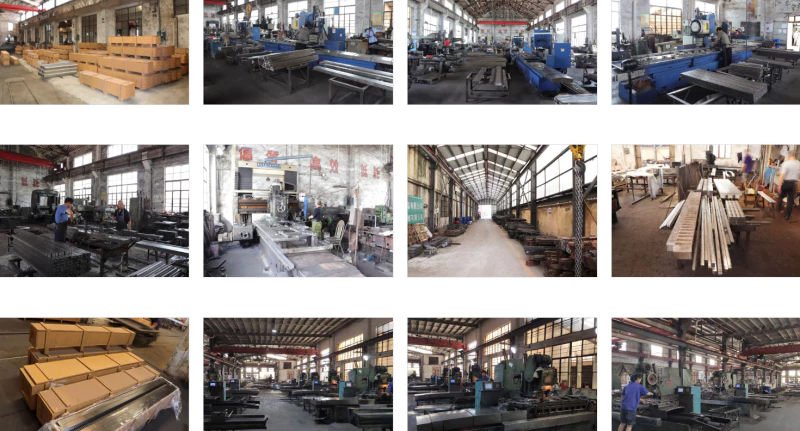
Our company specializes in the production and sale of herringbone gears, and we offer several advantages that make us the ideal choice for your herringbone gear needs. These advantages include:
- High-Quality Products: We use the best materials and manufacturing technology to ensure our herringbone gears are of the highest quality.
- Customization: We can customize our herringbone gears to meet your specific requirements.
- Excellent After-Sales Service: We offer excellent after-sales service to ensure our customers are satisfied with our products.
- Competitive Pricing: Our herringbone gears offer the best value for money, taking into account factors such as durability, efficiency, and cost.
- Expertise: Our team of professionals has extensive expertise in herringbone gear manufacturing technology and can provide expert advice and solutions.
Q&A
Q: What are herringbone gears, and how do they work?
A: Herringbone gears are a type of gear with a unique shape that allows them to intermesh smoothly, reducing noise and vibration. They work by transferring power from one shaft to another via intermeshing teeth.
Q: What are the advantages of herringbone gears?
A: Herringbone gears offer several advantages, including high efficiency, low noise, high load capacity, long service life, and compact design.
Q: What industries use herringbone gears?
A: Herringbone gears are used in various industries, including the automotive industry, power generation equipment, heavy machinery, marine and propulsion engineering, and the manufacturing industry.
Q: How do I choose the right herringbone gear?
A: Choosing the right herringbone gear involves several factors, including clear requirements, material selection, design optimization, supplier and after-sales service, cost effectiveness, and quality control.
Q: How do I maintain my herringbone gear?
A: Maintenance involves regular equipment inspection, cleaning and corrosion prevention, lubrication and maintenance, replacement of worn parts, and improvement and upgrades.
Author: Dream