herringbone gear for rail transportation

Herringbone Gear for Rail Transportation
Herringbone gear is a type of double helical gear that is commonly used in rail transportation. It is an essential component of modern trains and railway systems, and plays a critical role in ensuring the safe and efficient movement of passengers and freight across the country. In this article, we will explore the different aspects of herringbone gear for rail transportation, including its characteristics, applications, and future developments.
Herringbone Gear for Rail Transportation and Commercial Applications
The herringbone gear is a highly specialized type of gear that is designed for high-load and high-performance applications. It features two sets of helical teeth that are cut in opposite directions, which creates a zigzag pattern similar to the bones of a fish. This unique design allows the gear to transmit torque smoothly and efficiently, while also reducing noise and vibration.
In commercial applications, herringbone gears are commonly used in heavy machinery and equipment, such as turbines, compressors, and gearboxes. They are also used in transportation systems, including trains, cars, and ships. In rail transportation, herringbone gears are used in the power transmission system to transfer power from the locomotive to the driving wheels of the train.

Performance Characteristics of Herringbone Gear
Herringbone gears are known for their exceptional performance characteristics, including high load capacity, smooth operation, and low noise and vibration. They are also highly reliable and durable, with a long service life that can exceed several decades with proper maintenance and care.
One of the key advantages of herringbone gears is their ability to transmit high levels of torque without slipping or losing power. This is due to the unique design of the gear, which creates a large contact area between the teeth and allows for a more efficient transfer of power.
Herringbone gears also produce less noise and vibration compared to other types of gears, which is an important consideration in many industrial and commercial applications. Their helical teeth ensure a smooth and quiet operation, even at high speeds and under heavy loads.
Types and Characteristics of Herringbone Gear
There are several different types of herringbone gears, each with its unique characteristics and advantages. The most common types include:
- Steel herringbone gears: These gears are made from high-quality steel and are highly durable and resistant to wear and tear. They are commonly used in heavy-duty applications and can withstand extreme temperatures and pressure.
- Bronze herringbone gears: These gears are made from bronze and are known for their excellent corrosion resistance and high strength. They are commonly used in marine and offshore applications.
- Plastic herringbone gears: These gears are made from high-strength plastics and are lightweight, durable, and resistant to corrosion. They are commonly used in applications where weight is a critical factor, such as aerospace and automotive industries.

Applications of Herringbone Gear in Various Industries
Herringbone gears are widely used in many different industries, including automotive, manufacturing, power generation, and marine engineering. Some of the most common applications of herringbone gears include:
- Automotive industry: Herringbone gears are used in differential gears and transmissions to transfer power from the engine to the wheels.
- Power generation: Herringbone gears are used in turbines and generators to transfer power from the rotor to the stator.
- Heavy machinery: Herringbone gears are used in excavators, cranes, and other heavy machinery to transfer power from the engine to the wheels or tracks.
- Marine engineering: Herringbone gears are used in ship propulsion systems to transfer power from the engine to the propeller.
- Manufacturing: Herringbone gears are used in gearboxes and other machinery to transfer power from the motor to the working parts of the machine.
Future Developments and Opportunities in Herringbone Gear Products
The future of herringbone gear products looks bright, with many opportunities for growth and development in the coming years. Some of the key trends and opportunities in this field include:
- Innovative materials: New and innovative materials are being developed that will provide even better performance and durability for herringbone gears.
- Automation and robotics: The use of advanced automation and robotics technologies will make it easier and more efficient to manufacture and assemble herringbone gear products.
- Increased demand: With the growth of the global economy and the increasing need for transportation and heavy machinery, the demand for herringbone gear products is expected to continue to rise.

How to Choose the Right Herringbone Gear
Choosing the right herringbone gear for your application is an important decision that can have a significant impact on the performance and reliability of your equipment. Here are some key factors to consider when selecting a herringbone gear:
- Clearly define your needs and requirements for the gear, including the load capacity, speed, and power transmission requirements.
- Select the appropriate material based on your specific application and environmental conditions.
- Optimize the design of the gear to ensure maximum performance and efficiency.
- Select a reputable supplier that can provide high-quality products and reliable service and support.
- Consider the overall cost-effectiveness of the gear, including the initial cost, maintenance, and replacement costs.

How to Maintain Herringbone Gear
Maintaining herringbone gear is essential to ensuring its optimal performance and longevity. Here are some key maintenance tasks for herringbone gear:
- Perform regular equipment inspections to identify any signs of wear or damage.
- Clean and protect the gear from corrosion and other environmental factors.
- Regularly lubricate and maintain the gear to ensure smooth and efficient operation.
- Replace any worn or damaged parts of the gear to prevent further deterioration and improve performance.
- Consider upgrading or improving the gear to enhance its performance and capabilities.
Why Choose Us?
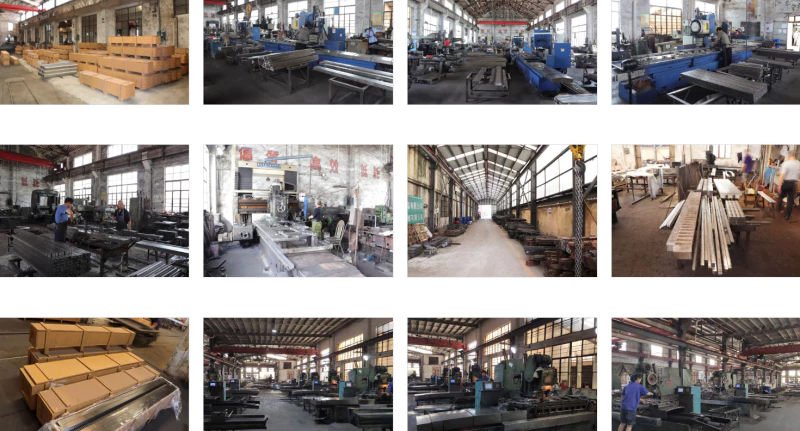
At our company, we specialize in the design, manufacturing, and distribution of high-quality herringbone gear products for a variety of applications. Here are just a few reasons why you should choose us:
- High-quality products: We only use the highest quality materials and manufacturing processes to produce our herringbone gear products, ensuring maximum performance and durability.
- Expertise and experience: Our team of engineers and technicians has years of experience in designing and developing herringbone gear products for a wide range of industries.
- Custom solutions: We can provide custom solutions to meet your specific needs and requirements, ensuring that you get the best possible performance and efficiency from your equipment.
- Reliable service and support: We provide comprehensive service and support for all of our herringbone gear products, ensuring that your equipment operates at peak performance and efficiency.
- Competitive pricing: We offer competitive pricing on all of our herringbone gear products, ensuring that you get the best possible value for your investment.
Q&A
Q: What are some of the key advantages of herringbone gears over other types of gears?
A: Herringbone gears are known for their high load capacity, smooth operation, and low noise and vibration. They are also highly reliable and durable, with a long service life that can exceed several decades with proper maintenance and care.
Q: What applications are herringbone gears commonly used in?
A: Herringbone gears are widely used in many different industries, including automotive, manufacturing, power generation, and marine engineering. They are commonly used in gearboxes, transmissions, and propulsion systems.
Q: How do I choose the right herringbone gear for my application?
A: To choose the right herringbone gear for your application, you should consider your specific needs and requirements, including load capacity, speed, and power transmission requirements. You should also select the appropriate material and optimize the design of the gear for maximum performance and efficiency.
Q: How do I maintain my herringbone gear?
A: To maintain your herringbone gear, you should perform regular equipment inspections, clean and protect the gear from corrosion and other environmental factors, lubricate and maintain the gear regularly, replace any worn or damaged parts, and consider upgrading or improving the gear to enhance its performance and capabilities.
Q: Why should I choose your company for my herringbone gear needs?
A: Our company specializes in the design, manufacturing, and distribution of high-quality herringbone gear products for a variety of applications. We offer high-quality products, expertise and experience, custom solutions, reliable service and support, and competitive pricing.
Author: Dream