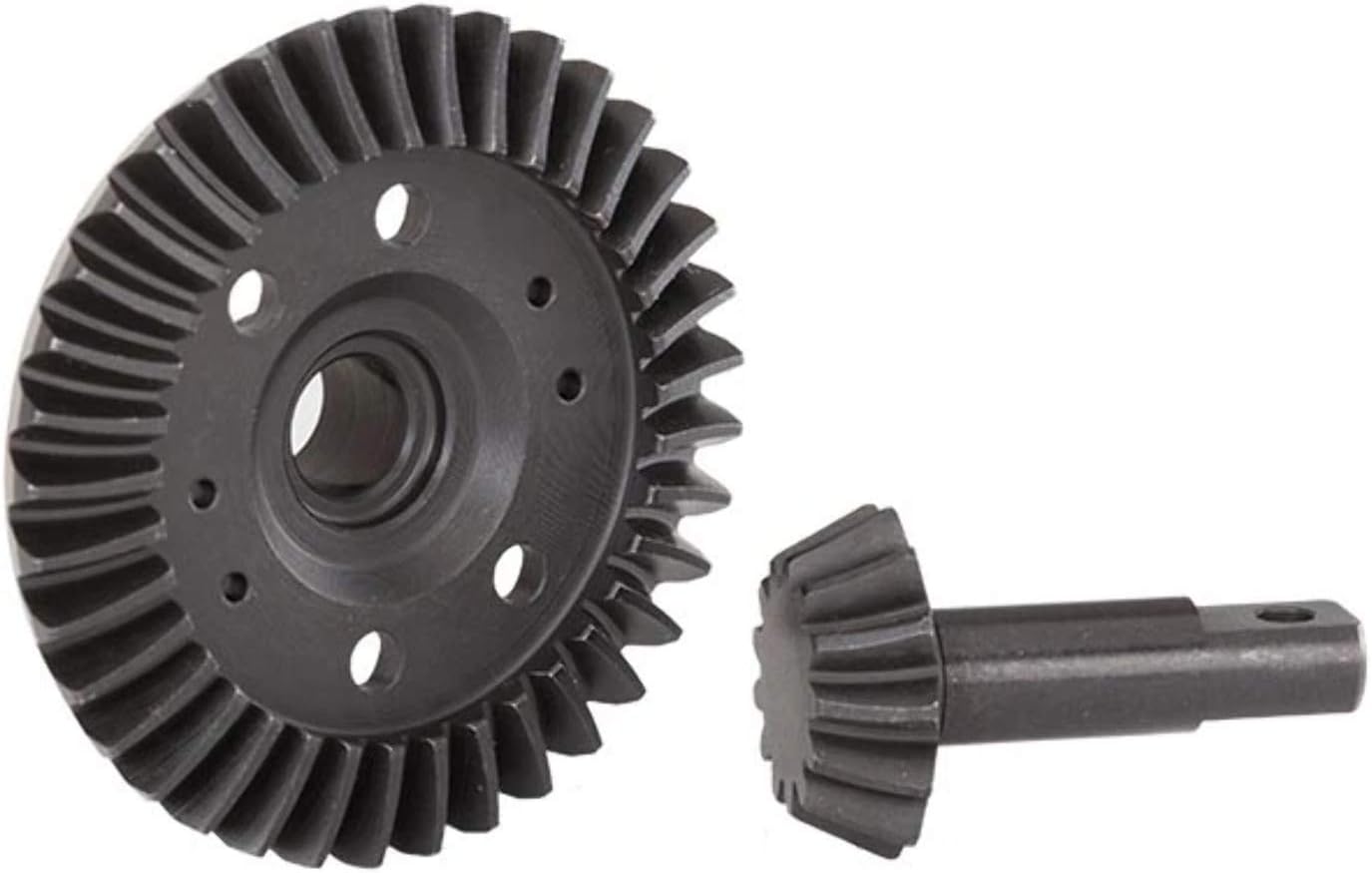
China OEM High Quality Auto Parts Differential Gear 1341137 for Scani Sc Truck bevel gear set
Product Description
High quality Auto parts Differential Gear 1341137 For SCANI SC TRUCK
| No. | Parameters | Details |
| 1 | Product name | High quality Auto parts Differential Gear 1341137 For SCANI SC TRUCK |
| 2 | Application | SC TRUCK |
| 3 | OEM | 1352449 |
| 4 | ArtNum | Same as OEM |
What can we supply?
1.Sinotruk/Weichai engine parts
Crankshaft, connecting rod, cylinder block, cylinder head, piston,flywheel, cylinder liner,piston ,piston rings, piston pin,connecting rod,bearing, crankshaft bearing ,intake&exhaust valve, valvesprings,camshaft, tappets, camshafts bearing, fuel tank, fuel pump, fuel filter,air filter, oil filter, battery,alternator, starter, starter motor, ignition coil,water pump, radiator, fan couplings, fan, thermostat, oil pump,pressure limiting valve ..
2.Sinotruk/FAST Gearbox Parts
Primary shaft, 2nd shaft, intermediate shaft, 2 / 3 associated gear,2nd speed gear(1/2/3/4/5) , reverse gear ,intermediate shaft(1/2/3/4/5),synchronize assembly, synchronizer slider,gearbox ,gearbox shell, gearbox cover, gearbox middle cover, shift fork assembly, PTO…
3.Chassis parts/Cabin spare parts
Clutch cover, clutch disk , wheel hub, brake drum, brake pads ,Brake shoes, lock, wiring harness, drive shaft, front axle, steering knuckle,steering arm, universal joints, rear axle , main reducer,differential,axle, planetary gears, sun gear, pinion and bevel gear, spring, shock absorbers, stabilizer bars,steering pole, straight rod, rod joint, wheel reducer, through axle, rear shell … ..
WHY CHOOSE US:
1.we have 14 years experience in the business of auto spare parts
2.good quality,reasonable lower price
3.fast delivery
4.with 24 hours online technical support
5.Sample will be offered before the trial order
Note: There are also kinds of products used for heavy truck for you to choose, if any need or interest, welcome to send us your detailed inquiry list.
Certifications
FAQ
Q1. What is your terms of packing?
A: Generally, we pack our goods in neutral boxes and brown cartons. If you have legally registered patent,
we can pack the goods in your branded boxes after getting your authorization letters.
Q2. What is your terms of payment?
A: T/T 30% as deposit, and 70% before delivery. We’ll show you the photos of the products and packages
before you pay the balance.
Q3. What is your terms of delivery?
A: EXW, FOB, CFR, CIF, DDU.
Q4. How about your delivery time?
A: Generally, it will take 15 to 30 days after receiving your advance payment. The specific delivery time depends
on the items and the quantity of your order.
Q5. Can you produce according to the samples?
A: Yes, we can produce by your samples or technical drawings. We can build the molds and fixtures.
Q6. Do you test all your goods before delivery?
A: Yes, we have 100% test before delivery
Q7: How do you make our business long-term and good relationship?
A:1. We keep good quality and competitive price to ensure our customers benefit ;
2. We respect every customer as our friend and we sincerely do business and make friends with them,
no matter where they come from.
| Type: | Engine |
|---|---|
| Certification: | ISO9001 |
| Driving System Parts: | Front Axle |
| Electrical System Parts: | Starting System |
| Brake System Parts: | Transmission |
| Transmission System Parts: | Drive Axle |
| Customization: |
Available
| Customized Request |
|---|
How does a differential gear system contribute to tire longevity?
A differential gear system plays a crucial role in tire longevity by ensuring optimal traction, minimizing tire wear, and distributing torque effectively. Here’s a detailed explanation of how a differential gear system contributes to tire longevity:
- 1. Traction Optimization: The differential gear system allows the wheels on the same axle to rotate at different speeds when the vehicle is turning. This capability helps improve traction and reduces tire scrubbing, which occurs when the tires resist turning and skid instead. By optimizing traction during turns, the differential gear system helps prevent excessive tire wear caused by scrubbing.
- 2. Torque Distribution: The differential gear system distributes torque from the engine to the wheels, allowing each wheel to receive an appropriate amount of power based on traction conditions. This distribution helps prevent wheel spin and excessive tire wear. By ensuring that torque is evenly distributed, the differential gear system helps maintain balanced tire wear across all wheels.
- 3. Wheel Speed Synchronization: When driving in a straight line, the differential gear system synchronizes the rotational speeds of the wheels. This synchronization minimizes tire scrubbing and reduces uneven wear. By keeping the wheels rotating at similar speeds, the differential gear system promotes even tire wear, extending tire longevity.
- 4. Cornering Stability: During cornering, the differential gear system allows the outer wheel to rotate faster than the inner wheel. This speed difference is necessary to accommodate the varying distances each wheel travels around the curve. By enabling smooth and controlled cornering, the differential gear system helps prevent excessive tire wear caused by lateral forces.
- 5. Reduced Stress on Tires: A properly functioning differential gear system helps reduce stress on tires by allowing them to rotate freely and independently. By mitigating excessive forces and minimizing tire scrubbing, the differential gear system helps decrease wear and tear on the tires. This reduction in stress contributes to prolonged tire life.
- 6. Traction Control: Some modern vehicles are equipped with advanced differential systems, such as electronic limited-slip differentials or torque vectoring differentials. These systems actively manage torque distribution to individual wheels based on traction conditions. By optimizing traction control, these differential systems help minimize tire slippage, improve grip, and reduce tire wear.
- 7. Proper Maintenance: Regular maintenance of the differential gear system is essential for tire longevity. This includes periodic inspection of the differential components, ensuring proper lubrication, and addressing any issues promptly. Well-maintained differentials help ensure optimal performance, reducing the risk of tire wear and extending tire life.
Overall, a well-functioning and properly maintained differential gear system plays a vital role in tire longevity. It optimizes traction, distributes torque effectively, synchronizes wheel speeds, promotes cornering stability, and reduces stress on tires. By understanding and maintaining the differential gear system, drivers can help maximize tire life and minimize the need for premature tire replacements.
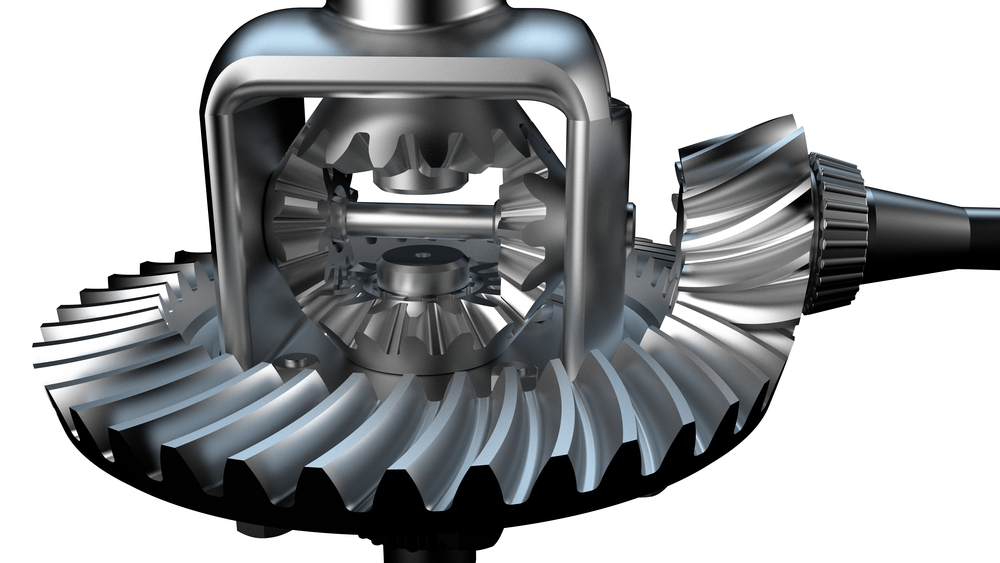
How do differential gears affect fuel efficiency in vehicles?
In vehicles, differential gears can have an impact on fuel efficiency. Here’s a detailed explanation of how differential gears affect fuel efficiency:
- Gear Ratio: The gear ratio of the differential can affect fuel efficiency. A higher gear ratio (numerically lower) allows the engine to run at lower RPMs for a given speed, which can result in improved fuel efficiency. This is because the engine operates more efficiently in its lower RPM range, consuming less fuel. On the other hand, a lower gear ratio (numerically higher) can provide better acceleration and performance but may result in higher fuel consumption.
- Friction and Efficiency Losses: Differential gears introduce friction and mechanical losses in the drivetrain. As power is transmitted from the engine to the wheels through the differential, some energy is lost due to friction in the gears, bearings, and other components. These frictional losses reduce overall efficiency and can have a slight impact on fuel consumption. However, modern differentials are designed with efficiency in mind, and advancements in lubrication, materials, and manufacturing techniques help minimize these losses.
- Limited-Slip Differentials (LSD): Limited-slip differentials (LSDs) can have a minor effect on fuel efficiency compared to open differentials. LSDs use additional mechanisms to distribute torque between wheels, resulting in a slight increase in mechanical losses and energy consumption. However, the impact on fuel efficiency is generally minimal and may not be noticeable in everyday driving situations.
- Driving Style and Traction: The traction characteristics of differential gears can indirectly influence fuel efficiency. In slippery conditions or situations where wheelspin occurs, open differentials may allow excessive power to be lost in wheel slip, resulting in reduced traction and poorer fuel efficiency. Limited-slip differentials or advanced traction control systems can minimize wheel slip and improve overall traction, leading to better fuel efficiency by reducing power wastage.
- Vehicle Type and Design: The impact of differential gears on fuel efficiency can vary depending on the vehicle type and design. Factors such as weight, aerodynamics, tire type, transmission, and overall drivetrain configuration play a significant role in determining fuel efficiency. While differential gears are a part of the drivetrain, their influence on fuel efficiency needs to be considered in conjunction with other vehicle characteristics.
In summary, differential gears can affect fuel efficiency in vehicles primarily through their gear ratio, friction and efficiency losses, and traction characteristics. While the impact on fuel efficiency is generally modest, optimizing the gear ratio and minimizing frictional losses can contribute to improved fuel economy. Additionally, the traction benefits provided by limited-slip differentials or advanced traction control systems can indirectly enhance fuel efficiency by reducing power wastage in wheel slip situations.
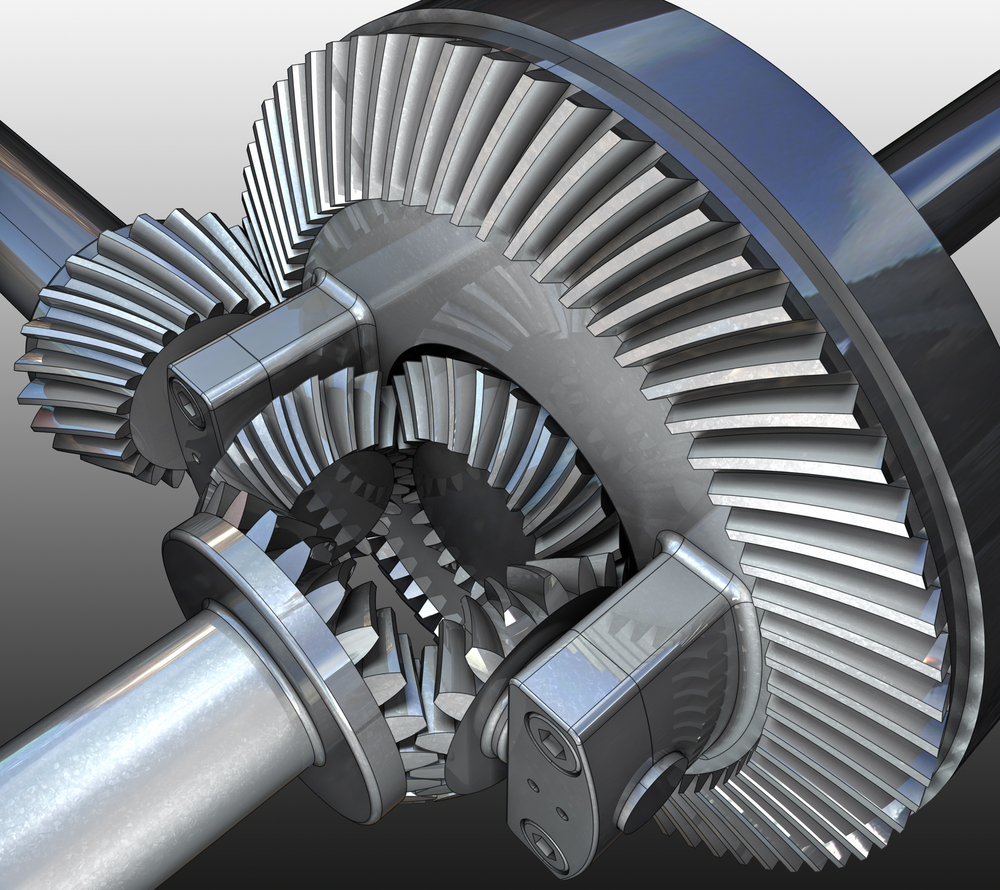
How does a differential gear help in turning a vehicle smoothly?
A differential gear plays a crucial role in enabling smooth turning of a vehicle. Here’s a detailed explanation:
When a vehicle turns, the wheels on the outside of the turn travel a greater distance compared to the wheels on the inside. This difference in distance would cause significant strain and binding in the drivetrain if all the wheels were rigidly connected. The differential gear solves this problem by allowing the wheels to rotate at different speeds during turns, resulting in smooth and controlled maneuvering.
1. Speed Differentiation:
The differential gear allows the wheels to rotate at different speeds while still receiving power from the engine. As the vehicle turns, the outer wheel covers a greater distance and needs to rotate faster than the inner wheel. The differential enables this speed differentiation by distributing torque unequally between the two wheels, allowing them to rotate at different rates.
2. Path Following:
By allowing the wheels to rotate at different speeds, the differential gear helps the vehicle follow the desired path during a turn. The outside wheel, which needs to cover a longer distance, rotates faster to maintain the vehicle’s trajectory. At the same time, the inside wheel rotates slower, preventing the vehicle from skidding or drifting wide during the turn. The differential ensures that both wheels work together to maintain stability and control throughout the turning process.
3. Smooth Power Transfer:
During a turn, the differential gear facilitates smooth power transfer to the wheels. By allowing the wheels to rotate at different speeds, the differential minimizes drivetrain stress and wheel scrubbing. This promotes smoother operation and reduces the likelihood of wheel hop or wheel slip, resulting in improved traction and overall control.
4. Reduction of Tire Wear:
The differential gear’s ability to differentiate wheel speeds during turns helps reduce tire wear. If the wheels were rigidly connected, they would experience excessive scrubbing and wear during turning maneuvers. The differential allows the wheels to rotate at different speeds, minimizing tire scrubbing and promoting more even tire wear. This contributes to longer tire life and better overall performance.
5. Enhanced Maneuverability:
By enabling smooth turning, the differential gear enhances the maneuverability of a vehicle. It allows for precise and controlled steering inputs, making it easier to navigate corners, curves, and tight spaces. The differential’s role in differentiating wheel speeds ensures that the vehicle can execute turns smoothly and responsively, enhancing the overall driving experience.
In summary, the differential gear helps in turning a vehicle smoothly by allowing the wheels to rotate at different speeds during turns. This speed differentiation enables the vehicle to follow the desired path, facilitates smooth power transfer, reduces tire wear, and enhances maneuverability. The differential’s ability to accommodate varying wheel speeds ensures that the vehicle can navigate turns with improved stability, control, and comfort.


editor by CX 2023-11-30