China OEM Precision CNC Machining Aluminum Adjustable Cam Pulley Gear for Automobile with Good quality
Product Description
| Product Description | |
| Products name : | OEM custom CNC milling Engine Cam Gear for racing car.Precision CNC machining Aluminum adjustable cam pulley gear for automobile |
| Material : | Aluminum alloy 6061. 6063. 7075 .5082 and etc . steel alloy /stainless steel , titanium , brass/ copper , plastics and so on |
| Surface treatment : | painting , coating , oxide , anodized , powder coating , or according customer require |
| MOQ : | 10pcs |
| samples : | first will do samples send to customer test , after confirmed quality is ok , then do production |
| Package : | each parts will use foam pack , outer is wood box or pallet , strong package guarantee products no any damage ,injured during transportaion way. |
| Services : | customized , OEM/ODM service . machining service |
| Application : | automotive spare parts , motorcycle parts , machine , electronic spare parts etc |
| Market : | North American , european, middle east, african , Canada, Englad and so on |
Products show :
Package :
Our company :
About Us :
Integrated precision CNC machining solutions supplier
As an OEM /ODM manufacturer ,quality and service are our hallmark . Especially your project
Requires high accurate and surface treatment .
Our services is capable of handling larger quantity custom components in a range of
CNC machining. Milling ,turning ,die-casting ,sheet metal stamping etc
These CNC deep processing products active in automotive ,telecommunication devices,
electronic, industrial machinery , medical, aerospace ……..
We are always customers trustworthy and reliable partner and supported
FAQ
Q: Are you trading company or manufacturer ?
A: We are factory.
Q: How long is your delivery time?
A: Generally it is 10-15 days . or it is 15-20 days if the
quantity is larger
Q: Do you provide samples ? is it free or extra ?
A: Yes, we could offer the sample for free charge but do not pay the cost of
express shipping fee
Q: What is your terms of payment ?
A: Payment=1000USD, 30% T/T in
advance ,balance before shippment.
If you have another question, pls feel free to contact us as below:
Contact Information :
web:HangZhouderf
pls contact us freely
OEM /ODM service CNC Machining aluminum bicycle Parts
CNC machining racing parts and other automotive accessories parts
High Quality Anodized aluminum CNC Racing Engine Cam Gear
CNC Aluminum Racing Engine Cam Gear
Precision CNC Machined Anodized Aluminum Adjustable Timing Pulley
OEM custom CNC milling Engine Cam Gear for racing car
| Condition: | New |
|---|---|
| Certification: | RoHS, ISO9001 |
| Standard: | DIN, ASTM, GOST, ANSI |
| Customized: | Customized |
| Material: | Alloy |
| Application: | Metal Recycling Machine, Metal Straightening Machinery, Metal Spinning Machinery, Metal Processing Machinery Parts |
| Samples: |
US$ 5/Piece
1 Piece(Min.Order) | |
|---|
| Customization: |
Available
| Customized Request |
|---|
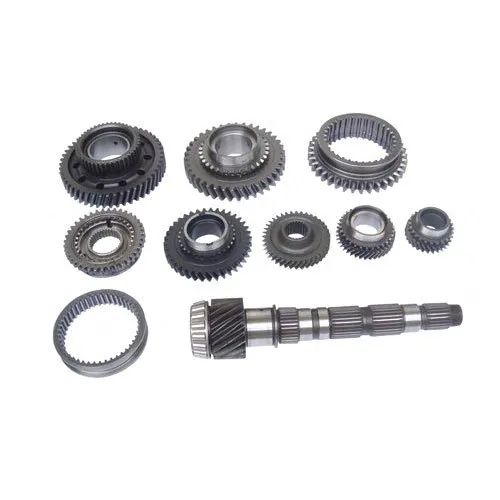
What are the signs of a worn-out or malfunctioning gear system in an automobile?
A worn-out or malfunctioning gear system in an automobile can exhibit several signs. Here’s a detailed explanation:
1. Difficulty Shifting Gears:
One of the most common signs of a gear system issue is difficulty shifting gears. You may experience resistance, grinding, or a clunking sound when trying to engage or disengage a gear. Gear shifts may feel rough or not engage smoothly, indicating potential problems with the clutch, synchro rings, or other transmission components.
2. Slipping Gears:
If you notice that the gear slips out of place while driving, causing sudden loss of power or RPM fluctuations, it could indicate a worn-out or faulty gear system. Slipping gears can be dangerous, as it can lead to a loss of control over the vehicle’s speed and acceleration.
3. Unusual Noises:
A malfunctioning gear system may produce unusual noises. You may hear grinding, rattling, whining, or humming sounds during gear shifts or while the vehicle is in motion. These noises can indicate issues with gear engagement, worn-out bearings, damaged gears, or other internal transmission problems.
4. Burning Smell:
A burning smell, similar to that of overheated or burnt clutch material, can indicate a problem with the gear system. This can occur due to excessive friction caused by a slipping clutch or other transmission issues. It’s important to address this promptly, as prolonged operation can cause further damage.
5. Gear Sluggishness:
If you notice a delay or sluggish response when shifting gears, it could be a sign of a gear system problem. The gears may take longer to engage, causing a delay in acceleration or difficulty maintaining speed. This can result from worn-out synchronizers, damaged gear teeth, or insufficient transmission fluid.
6. Gear Popping Out:
In some cases, a worn-out or faulty gear system can cause a gear to pop out of engagement unexpectedly. This can happen while driving or when changing gears, leading to an abrupt loss of power and potentially causing safety hazards on the road.
7. Transmission Fluid Leaks:
Leaking transmission fluid is another potential sign of a gear system problem. If you notice reddish fluid underneath the vehicle, it may indicate a transmission fluid leak. Insufficient fluid levels can affect gear lubrication and lead to gear system malfunctions.
8. Dashboard Warning Lights:
In modern vehicles, a malfunctioning gear system can trigger dashboard warning lights, such as the check engine light or transmission warning light. If you see any warning lights illuminated, it’s advisable to have the vehicle inspected by a qualified mechanic.
If you observe any of these signs, it’s crucial to have your vehicle inspected and diagnosed by a professional technician. They can accurately identify the cause of the gear system issue and recommend the necessary repairs or replacements to ensure the safe and proper operation of your vehicle.
What is the impact of gear selection on fuel efficiency in a car?
Gear selection in a car has a significant impact on fuel efficiency. Here’s a detailed explanation:
1. Optimal Engine Speed:
Choosing the right gear allows the engine to operate at its optimal speed or within its “power band.” Each engine has a range of RPM (revolutions per minute) where it delivers the best balance of power and fuel efficiency. By selecting the appropriate gear, the engine can stay within this range, maximizing fuel efficiency.
2. Engine Load:
Gear selection affects the load on the engine. Higher gears, such as fifth or sixth gear, provide a higher gear ratio, reducing the engine’s rotational speed for a given vehicle speed. This reduces the load on the engine and can improve fuel efficiency, especially during highway driving where maintaining a steady speed is common.
3. Avoiding Over-Revving:
Shifting to a higher gear at the right time helps prevent the engine from over-revving. Over-revving occurs when the engine operates at excessively high RPM, which can waste fuel and potentially cause engine damage. By upshifting in a timely manner, the engine can run at a more efficient RPM range, leading to better fuel economy.
4. Acceleration and Deceleration:
The choice of gear during acceleration and deceleration also affects fuel efficiency. During acceleration, shifting up to higher gears smoothly and at appropriate RPM levels promotes fuel efficiency. Similarly, when decelerating, downshifting to lower gears while utilizing engine braking can save fuel by reducing the need for excessive braking and maintaining better control over vehicle speed.
5. Driving Conditions:
The impact of gear selection on fuel efficiency can vary based on driving conditions. For example, in hilly or mountainous terrains, downshifting to lower gears on uphill climbs can provide the necessary power while avoiding excessive fuel consumption. In stop-and-go city traffic, selecting lower gears can aid in smoother acceleration from a standstill, reducing fuel waste.
6. Manual vs. Automatic Transmissions:
The impact of gear selection on fuel efficiency can differ between manual and automatic transmissions. Manual transmissions offer more control over gear selection, allowing drivers to optimize fuel efficiency by choosing the most suitable gear for a given situation. On the other hand, modern automatic transmissions are designed to optimize fuel efficiency by automatically selecting the appropriate gear based on driving conditions and engine load.
In summary, gear selection plays a crucial role in determining fuel efficiency in a car. Optimal gear selection helps keep the engine operating at its most efficient RPM range, reduces engine load, prevents over-revving, and promotes smoother acceleration and deceleration. By understanding the relationship between gear selection and fuel efficiency, drivers can adopt driving habits that maximize fuel economy and reduce fuel consumption.
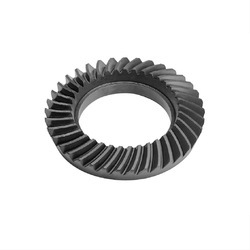
How does an automatic transmission differ from a manual transmission?
An automatic transmission and a manual transmission differ in several ways. Here’s a detailed explanation:
1. Gear Shifting:
In a manual transmission, the driver manually operates the clutch pedal and gearshift lever to engage and disengage gears and select the appropriate gear ratio. This requires coordination between the clutch, accelerator, and gearshift movements.
On the other hand, an automatic transmission shifts gears automatically without driver intervention. It uses a torque converter or a dual-clutch system to smoothly transition between gears based on factors such as vehicle speed, engine load, and throttle input. The driver only needs to select the driving mode (e.g., “Drive,” “Sport,” or “Economy”) and control the accelerator and brake pedals.
2. Clutch Operation:
In a manual transmission, the clutch pedal is used to engage or disengage the engine from the transmission. When changing gears, the driver depresses the clutch pedal, which temporarily disconnects the engine’s power from the transmission. This allows for smooth gear engagement and disengagement.
In an automatic transmission, there is no clutch pedal. Instead, it uses a torque converter or a dual-clutch system to transmit power from the engine to the transmission. These systems automatically manage the power transfer and eliminate the need for manual clutch operation.
3. Driver Involvement:
A manual transmission requires more driver involvement and skill. The driver must actively engage the clutch pedal, shift gears, and match engine RPMs to achieve smooth gear changes. This level of control can be preferred by enthusiasts who enjoy the engagement and control over the vehicle’s performance.
An automatic transmission offers a more relaxed driving experience as it shifts gears automatically. The driver can focus on steering, acceleration, and braking without the need to manually operate the clutch or shift gears. This convenience is especially beneficial in heavy traffic or during long-distance drives.
4. Fuel Efficiency:
In the past, manual transmissions were generally more fuel-efficient than automatic transmissions. This was because the driver had more control over gear selection and could optimize engine RPMs for better fuel economy. However, advancements in automatic transmission technology, such as the introduction of continuously variable transmissions (CVTs) and improved gearshift algorithms, have narrowed the fuel efficiency gap between manual and automatic transmissions.
Modern automatic transmissions often incorporate features like multiple gears, adaptive shift patterns, and torque converter lock-up for improved fuel efficiency. Some automatic transmissions even offer manual shift modes or paddle shifters, allowing the driver to manually select gears when desired.
5. Market Availability:
Manual transmissions are less common in certain regions, such as North America, where automatic transmissions dominate the market. Automatic transmissions are widely available and come as standard or optional equipment in most vehicles. Manual transmissions are more prevalent in certain markets, such as Europe, where they are preferred by a significant portion of drivers.
Overall, the main differences between automatic and manual transmissions lie in the gear-shifting mechanism, clutch operation, driver involvement, fuel efficiency, and market availability. The choice between the two depends on individual preferences, driving conditions, and the desired level of control and convenience.
“`

editor by CX 2023-12-04