China Professional Power Drived External 20 Teeth 30 40 60 Differential OEM Gear with high quality
Product Description
My advantages:
1. High quality materials, professional production, high-precision equipment. Customized design and processing;
2. Strong and durable, strong strength, large torque and good comprehensive mechanical properties;
3. High rotation efficiency, stable and smooth transmission, long service life, noise reduction and shock absorption;
4. Focus on gear processing for 20 years.
5. Carburizing and quenching of tooth surface, strong wear resistance, reliable operation and high bearing capacity;
6. The tooth surface can be ground, and the precision is higher after grinding.
| Application: | Motor, Motorcycle, Machinery, Agricultural Machinery, Car |
|---|---|
| Hardness: | Hardened Tooth Surface |
| Gear Position: | External Gear |
| Manufacturing Method: | Cut Gear |
| Toothed Portion Shape: | Spur Gear |
| Material: | Cast Steel |
| Samples: |
US$ 10/Piece
1 Piece(Min.Order) | |
|---|
| Customization: |
Available
| Customized Request |
|---|
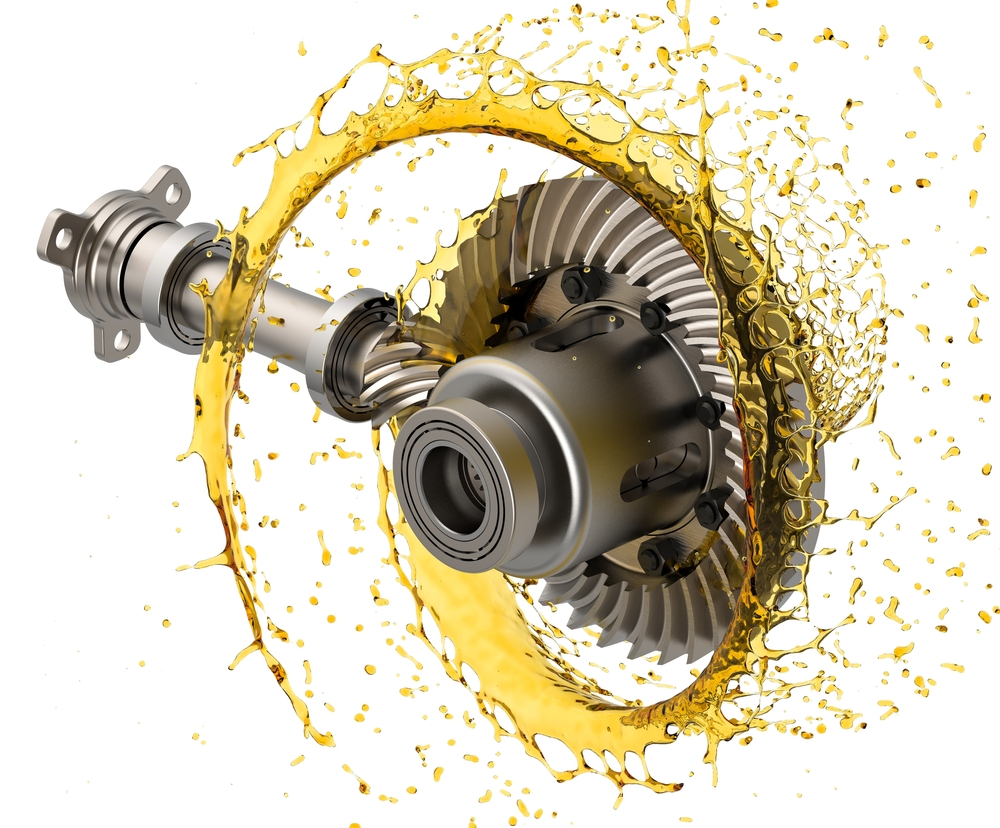
How does a differential gear distribute power between the wheels?
A differential gear is responsible for distributing power between the wheels of a vehicle, allowing them to rotate at different speeds while maintaining torque transfer. Here’s a detailed explanation of how a differential gear accomplishes this:
1. Power Input:
The differential gear receives power from the transmission or driveshaft connected to the engine. This power is transmitted to the differential assembly, which is typically located in the axle housing.
2. Ring and Pinion Gears:
Within the differential assembly, the power from the driveshaft is transferred to the ring and pinion gears. The ring gear is a large gear that surrounds the differential assembly, while the pinion gear is a smaller gear connected to the driveshaft. The interaction between these gears allows the power to be redirected.
3. Side Gears and Spider Gears:
The ring gear is connected to side gears, also known as bevel gears, through a set of small gears called spider gears. The side gears are attached to the axle shafts, which are responsible for transmitting power to the wheels. The spider gears allow the side gears to rotate independently of each other while maintaining torque transfer.
4. Differential Action:
As the vehicle moves, the differential gears enable the wheels to rotate at different speeds during turns. When the vehicle is moving in a straight line, the spider gears rotate smoothly, allowing equal power distribution to both wheels. However, during a turn, the inside wheel travels a shorter distance than the outside wheel, causing them to rotate at different speeds.
5. Speed and Torque Distribution:
The differential gear adjusts the speed and torque distribution between the wheels based on their rotational differences. When the vehicle is turning, the spider gears allow one wheel to rotate faster than the other, ensuring that torque is transferred to the wheel with better traction. This allows the wheels to rotate at different speeds, preventing tire scrubbing and providing smooth cornering.
6. Limited-Slip and Locking Differentials:
In certain differential systems, such as limited-slip differentials or locking differentials, additional mechanisms are incorporated to enhance traction and power distribution. Limited-slip differentials use clutch packs or friction plates to provide a predetermined amount of resistance, allowing some speed differentiation between the wheels while still transferring power. Locking differentials, on the other hand, lock the side gears together, ensuring equal torque distribution to both wheels, regardless of traction conditions.
7. Differential Types:
There are various types of differentials, including open differentials, limited-slip differentials, electronic differentials, torque vectoring differentials, and more. Each type has its own mechanisms and technologies to distribute power between the wheels effectively, depending on the vehicle’s requirements and driving conditions.
In summary, a differential gear distributes power between the wheels by utilizing a system of gears, including ring and pinion gears, side gears, and spider gears. The differential action allows the wheels to rotate at different speeds during turns, ensuring smooth cornering and preventing tire scrubbing. Additional mechanisms, such as limited-slip or locking differentials, can further enhance traction and power distribution in various driving conditions.
Can differential gears be upgraded or customized for specific applications?
Yes, differential gears can be upgraded or customized for specific applications to enhance performance, traction, and handling. Here’s a detailed explanation of how differential gears can be upgraded or customized:
- Gear Ratio Changes: One way to customize differential gears is by changing the gear ratios. Different gear ratios can alter the torque distribution between the wheels, optimizing it for specific applications. For example, shorter gear ratios can improve acceleration and low-end torque, while taller gear ratios can enhance fuel efficiency and top speed. Gear ratio changes are commonly performed in performance vehicles, off-road vehicles, and racing applications to suit specific driving requirements.
- Limited-Slip Differentials (LSD): Upgrading to limited-slip differentials can significantly improve traction and handling. LSDs distribute torque between the wheels more evenly compared to open differentials, reducing wheel spin and maximizing grip. LSDs are particularly beneficial in high-performance vehicles, off-road vehicles, and applications where maintaining traction is crucial, such as racing or challenging driving conditions. LSDs can be retrofitted or factory-installed depending on the vehicle and its specific requirements.
- Electronic Differential Controls: Some vehicles feature electronic controls for the differential system. These controls allow customization of the differential’s behavior based on driving conditions and driver preferences. Through electronic controls, differential characteristics such as torque distribution, responsiveness, and traction management can be adjusted. This customization helps optimize performance, stability, and traction in various driving scenarios.
- Aftermarket Upgrades: The aftermarket industry offers various differential upgrade options. These include performance differentials, heavy-duty differentials, and specialized differentials designed for specific applications. These aftermarket upgrades can provide improved durability, enhanced traction, and higher torque capacity compared to stock differentials. They are commonly chosen by enthusiasts, off-road enthusiasts, and individuals seeking to enhance the capabilities of their vehicles for specific purposes.
- Custom Differential Designs: In certain cases, custom differential designs can be developed to meet specific application requirements. For example, in motorsports, differential designs can be tailored to optimize performance, handling, and traction for the specific demands of the racing discipline. Custom differentials may involve unique gear arrangements, specialized materials, and advanced features to deliver superior performance in targeted applications.
In summary, differential gears can be upgraded or customized to suit specific applications. Upgrades may include gear ratio changes, installation of limited-slip differentials, utilization of electronic differential controls, aftermarket differential options, or even custom differential designs. These modifications and customizations allow for improved performance, traction, and handling, catering to the specific needs and preferences of different vehicles and driving scenarios.
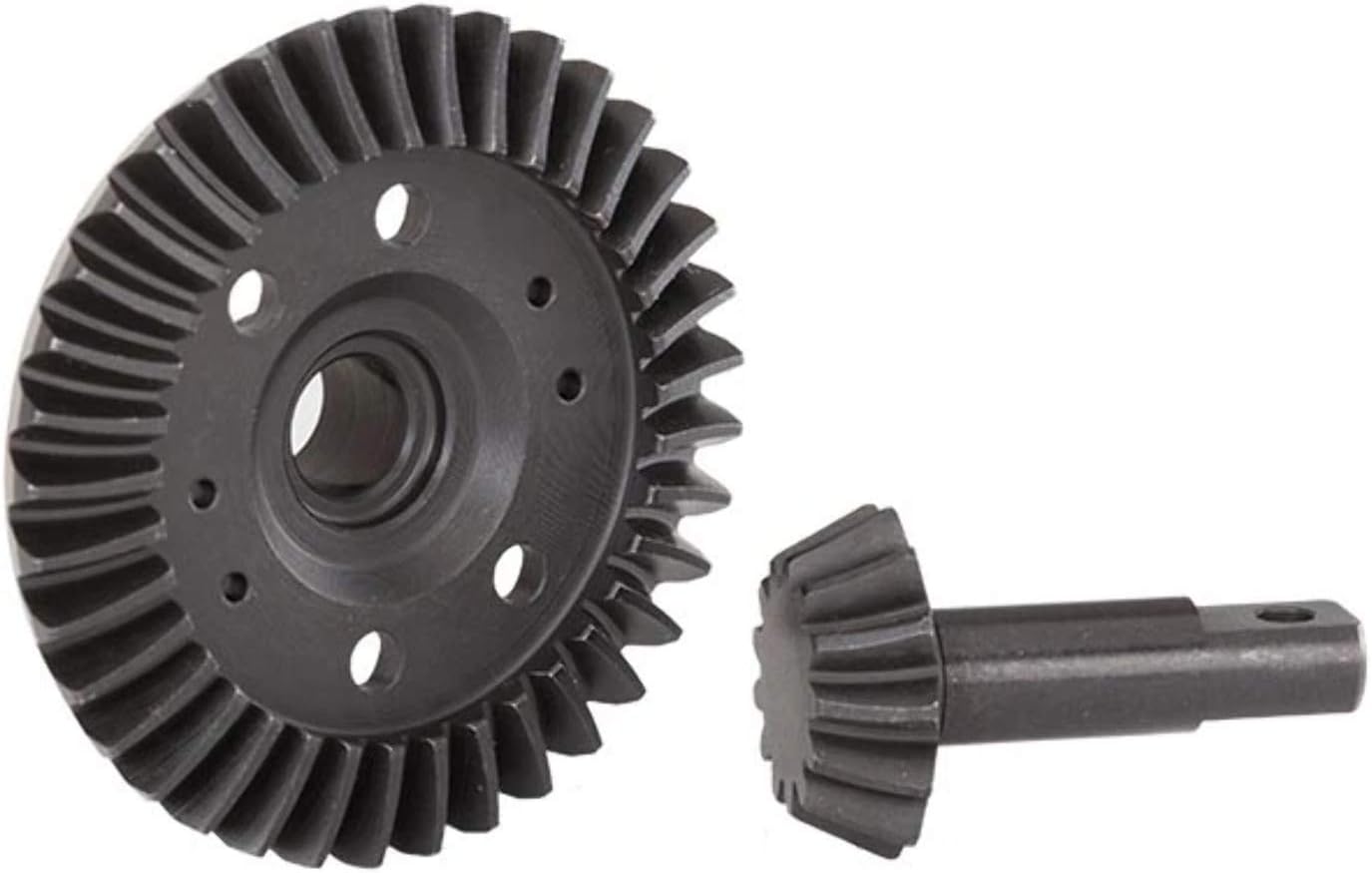
What is a locking differential, and when is it used?
A locking differential is a specialized type of differential gear that provides maximum traction in challenging driving conditions. Here’s a detailed explanation:
Definition:
A locking differential, also known as a locker, is a mechanism that locks the rotation of the two wheels on an axle together, ensuring they both receive equal torque simultaneously. Unlike open differentials or limited-slip differentials, which allow the wheels to rotate at different speeds, a locking differential forces both wheels to turn together, regardless of traction conditions.
Function:
The primary function of a locking differential is to maximize traction. By mechanically linking the two wheels on an axle, a locking differential ensures that both wheels receive an equal amount of torque, regardless of the traction available to each wheel. This feature is particularly useful in off-road or extreme driving conditions where maintaining traction on all wheels is crucial.
Usage:
A locking differential is typically used in situations where improved traction is essential. Here are some scenarios where a locking differential is commonly employed:
1. Off-Road Driving:
Off-road enthusiasts often encounter challenging terrains with uneven surfaces, deep mud, rocks, or slippery conditions. In these situations, a locking differential can provide maximum traction by ensuring that both wheels on an axle rotate together. This helps prevent wheel spin and increases the likelihood of successfully navigating through difficult obstacles.
2. Rock Crawling:
Rock crawling involves traversing over large rocks and boulders, where maintaining traction is crucial. A locking differential allows both wheels to maintain contact with the ground simultaneously, providing better grip and stability. This enables the vehicle to crawl over rocks with minimal wheel spin and improved control.
3. Towing and Hauling:
When towing or hauling heavy loads, a locking differential can enhance traction and stability. The additional torque applied to both wheels helps prevent wheel slip and provides better power transfer to the ground. This is particularly useful in situations where the load may affect weight distribution and traction on the drive wheels.
4. Extreme Weather Conditions:
In certain weather conditions such as deep snow, ice, or mud, a locking differential can offer improved traction. By ensuring that both wheels on an axle rotate together, a locking differential helps mitigate wheel slip and enhances the vehicle’s ability to maintain forward momentum even in low-traction environments.
5. Off-Road Racing:
In off-road racing, where high-performance vehicles face demanding terrains and aggressive maneuvers, locking differentials are often utilized. The maximum traction provided by a locking differential allows for better acceleration, cornering, and overall performance in challenging racing conditions.
It’s important to note that while a locking differential offers superior traction, it can also negatively impact handling and maneuverability on paved surfaces. Due to the locked wheel rotation, turning becomes more difficult, and tire scrubbing may occur. Therefore, locking differentials are predominantly used in specialized applications or off-road vehicles designed for demanding environments.
In summary, a locking differential is a mechanism that locks the rotation of both wheels on an axle together, maximizing traction in challenging driving conditions. It is commonly used in off-road driving, rock crawling, towing and hauling, extreme weather conditions, and off-road racing, where maintaining traction is crucial for performance and stability.


editor by CX 2023-12-13