China Professional High-Flexibility Swl Worm Gear Screw Elevator for Versatile Industrial Use raw gear
Product Description
| Product Model | SWL2.5, SWL5, SWL10, SWL15, SWL20, SWL25, SWL35, SWL50, SWL100, SWL120 |
| Product Description | Basic lifting component, compact structure, small size, light weight, no noise, safe and convenient, flexible use, high reliability, wide power source, multiple supporting functions, long service life |
| Usage | Single or combined use, can accurately control the adjustment of lifting or pushing height according to a certain program, can be directly driven by motor or other power, can also be manual |
| Lifting Efficiency and Load Capacity | Special and advanced technology has been developed to improve the overall performance of the jack |
| Structural Type | Type 1 – Screw moves axially; Type 2 – Screw rotates, nut moves axially |
| Assembly Type | Type A – Screw/nut moves upwards; Type B – Screw/nut moves downwards |
| Screw Head Type | Type 1 structure screw head: Type I (cylindrical), Type II (flange), Type III (threaded), Type IV (flat head); Type 2 structure screw head: Type I (cylindrical), Type III (threaded) |
| Transmission Ratio | Ordinary speed ratio (P), slow speed ratio (M), medium speed ratio (F) can be customized according to user requirements |
| Lifting Load Capacity | 2.5kN, 5kN, 10kN, 15kN, 20kN, 25kN, 35kN, 50kN, 100kN, 120kN |
| Screw Protection | Type 1 structure: basic type (no protection), anti-rotation type (F), with protective cover (Z), anti-rotation and protective cover (FZ); Type 2 structure: basic type (no protection) |
Product description: SWL series worm gear screw lift is a basic lifting component with many advantages such as compact structure, small volume, light weight, no noise, safety and convenience, flexible use, high reliability, wide power source, many supporting functions and long service life. It can be used singly or in combination, can adjust the height of lifting or advancing accurately according to certain procedures, and can be driven directly by electric motor or other power, or manually. In order to improve the efficiency and carrying capacity of SWL series worm gear screw lift, special and advanced technology is developed to improve the comprehensive performance of the lift to meet the requirements of the majority of customers. SWL series worm gear screw lift has different structure types and assembly types, and the lifting height can be customized according to the user’s requirements.
RFQ
Q:What information should I tell you to confirm speed reducer?
A: Model/Size, Transmission Ratio, Shaft directions & Order quantity.
Q:What if I don’t know which gear reducer I need?
A:Don’t worry, Send as much information as you can, our team will help you find the right 1 you are looking for.
Q:What should I provide if I want to order NON-STANDERD speed reducers?
A: Drafts, Dimensions, Pictures and samples if possible.
Q:What is the MOQ?
A: It is OK for 1 or small pieces trial order for quality testing.
Q:How long should I wait for the feedback after I send the inquiry?
A: Within 6 hours
Q:What is the payment term?
A:You can pay via T/T(30% in advance+70% before delivery), L/C ,West Union etc
| Standard or Nonstandard: | Nonstandard |
|---|---|
| Application: | Electric Cars, Motorcycle, Marine, Agricultural Machinery, Car |
| Spiral Line: | Right-Handed Rotation |
| Head: | Single Head |
| Reference Surface: | Toroidal Surface |
| Type: | ZK Worm |
| Samples: |
US$ 100/Piece
1 Piece(Min.Order) | |
|---|
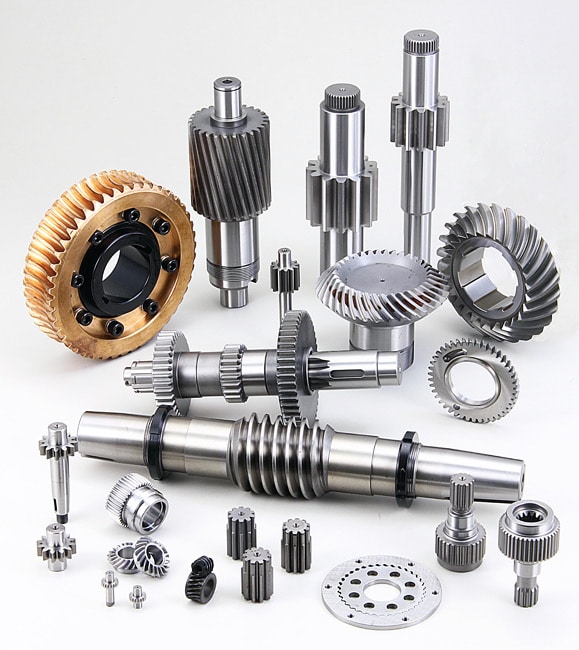
What lubrication is required for a worm gear?
The lubrication requirements for a worm gear system are crucial to ensure smooth operation, reduce friction, prevent wear, and extend the lifespan of the gears. The specific lubrication needed may vary depending on factors such as the application, operating conditions, gear materials, and manufacturer recommendations. Here are some key considerations regarding lubrication for a worm gear:
- Lubricant selection: Choose a lubricant specifically designed for gear applications, taking into account factors such as load, speed, temperature, and environment. Common lubricant types for worm gears include mineral oils, synthetic oils, and greases. Consult the gear manufacturer’s recommendations or industry standards to determine the appropriate lubricant type and viscosity grade.
- Viscosity: The lubricant viscosity is critical for effective lubrication. The viscosity should be selected based on the operating conditions and gear design parameters. Higher loads and slower speeds typically require higher viscosity lubricants to ensure sufficient film thickness and protection. Conversely, lower viscosity lubricants may be suitable for lighter loads and higher speeds to minimize power losses.
- Lubrication method: The lubrication method can vary depending on the gear system design. Some worm gears have oil sumps or reservoirs that allow for oil bath lubrication, where the gears are partially submerged in a lubricant pool. Other systems may require periodic oil application or greasing. Follow the gear manufacturer’s guidelines for the appropriate lubrication method, frequency, and quantity.
- Temperature considerations: Worm gear systems may encounter a wide range of temperatures during operation. Ensure that the selected lubricant can withstand the anticipated temperature extremes without significant degradation or viscosity changes. Extreme temperatures may require specialized high-temperature or low-temperature lubricants to maintain proper lubrication performance.
- Maintenance and monitoring: Regular maintenance and monitoring of the lubrication are essential for optimal gear performance. Periodically inspect the lubricant condition, including its cleanliness, viscosity, and contamination levels. Monitor operating temperatures and perform oil analysis if necessary. Replace the lubricant at recommended intervals or if signs of degradation or contamination are observed.
It’s important to note that the lubrication requirements may vary for different worm gear applications, such as automotive, industrial machinery, or marine systems. Additionally, environmental factors such as dust, moisture, or chemical exposure should be considered when selecting a lubricant and establishing a lubrication maintenance plan.
Always refer to the gear manufacturer’s recommendations and guidelines for the specific lubrication requirements of your worm gear system. Adhering to proper lubrication practices helps ensure smooth and reliable operation, minimizes wear, and maximizes the gear system’s longevity.
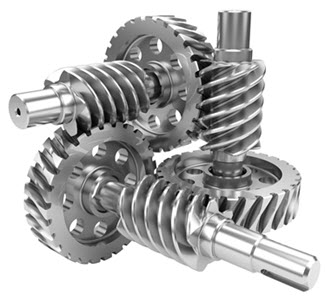
How do you ensure proper alignment when connecting a worm gear?
Ensuring proper alignment when connecting a worm gear is crucial for the smooth and efficient operation of the gear system. Here’s a detailed explanation of the steps involved in achieving proper alignment:
- Pre-alignment preparation: Before connecting the worm gear, it is essential to prepare the components for alignment. This includes cleaning the mating surfaces of the gear and shaft, removing any debris or contaminants, and inspecting for any signs of damage or wear that could affect the alignment process.
- Measurement and analysis: Accurate measurement and analysis of the gear and shaft alignment are essential for achieving proper alignment. This typically involves using precision alignment tools such as dial indicators, laser alignment systems, or optical alignment instruments. These tools help measure the relative positions and angles of the gear and shaft and identify any misalignment.
- Adjustment of mounting surfaces: Based on the measurement results, adjustments may be required to align the mounting surfaces of the gear and shaft. This can involve shimming or machining the mounting surfaces to achieve the desired alignment. Care should be taken to ensure that the adjustments are made evenly and symmetrically to maintain the integrity of the gear system.
- Alignment correction: Once the mounting surfaces are prepared, the gear and shaft can be connected. During this process, it is important to carefully align the gear and shaft to minimize misalignment. This can be done by observing the alignment readings and making incremental adjustments as necessary. The specific adjustment method may vary depending on the type of coupling used to connect the gear and shaft (e.g., keyway, spline, or flange coupling).
- Verification and final adjustment: After connecting the gear and shaft, it is crucial to verify the alignment once again. This involves re-measuring the alignment using the alignment tools to ensure that the desired alignment specifications have been achieved. If any deviations are detected, final adjustments can be made to fine-tune the alignment until the desired readings are obtained.
- Secure fastening: Once the proper alignment is achieved, the gear and shaft should be securely fastened using appropriate fasteners and tightening procedures. It is important to follow the manufacturer’s recommendations for torque values and tightening sequences to ensure proper clamping force and prevent any loosening or slippage.
It is worth noting that the alignment process may vary depending on the specific gear system, coupling type, and alignment tools available. Additionally, it is important to refer to the manufacturer’s guidelines and specifications for the particular gear and coupling being used, as they may provide specific instructions or requirements for alignment.
Proper alignment should not be considered a one-time task but an ongoing maintenance practice. Regular inspections and realignment checks should be performed periodically or whenever there are indications of misalignment, such as abnormal noise, vibration, or accelerated wear. By ensuring proper alignment during the initial connection and maintaining it throughout the gear’s operational life, the gear system can operate optimally, minimize wear, and extend its service life.
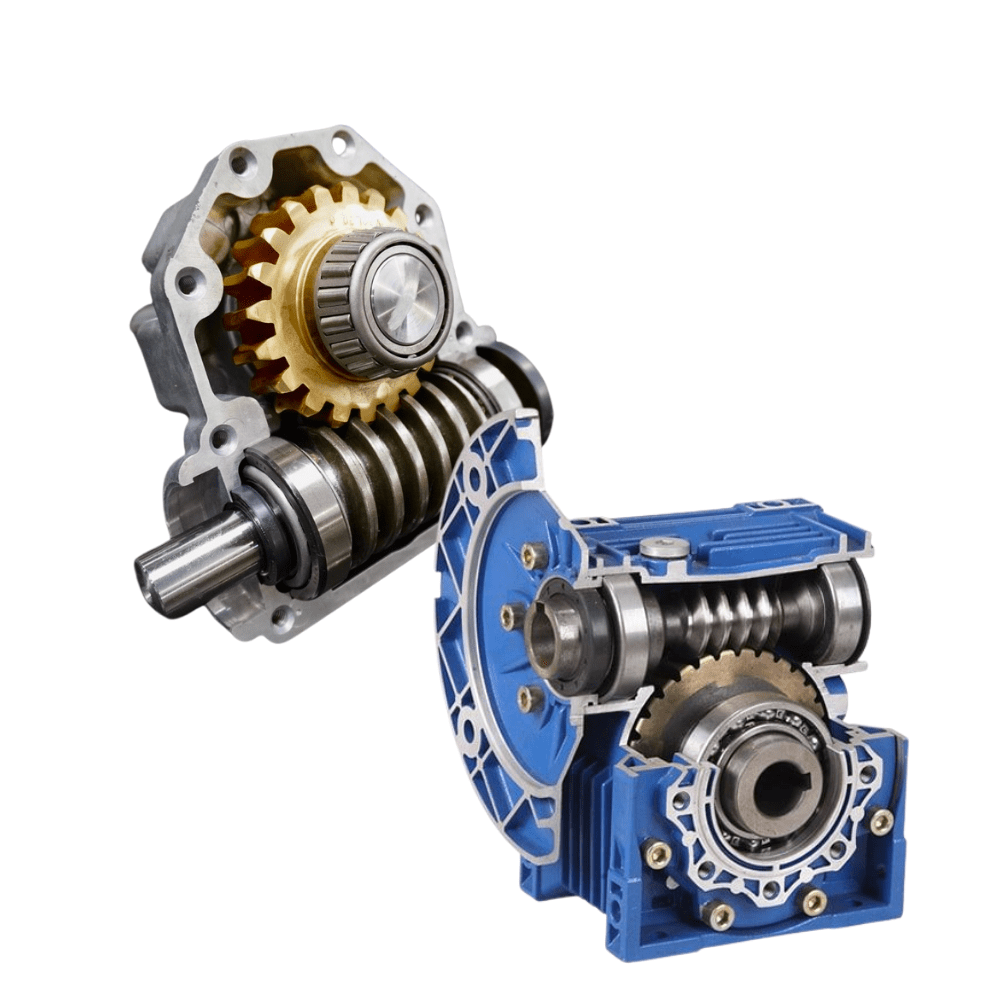
Can you explain the concept of worm and worm wheel in a worm gear?
In a worm gear system, the worm and worm wheel are the two primary components that work together to transmit motion and power. Here’s an explanation of the concept:
Worm:
The worm is a cylindrical shaft with a helical thread wrapped around it. It resembles a screw with a spiral groove. The helical thread is called the worm’s thread or worm thread. The worm is the driving component in the worm gear system.
When the worm rotates, the helical thread engages with the teeth of the worm wheel, causing the worm wheel to rotate. The angle of the helical thread creates a wedging action against the teeth of the worm wheel, resulting in a high gear reduction ratio.
One important characteristic of the worm is its self-locking nature. Due to the angle of the helical thread, the worm can drive the worm wheel, but the reverse is not true. The self-locking feature prevents the worm wheel from backdriving the worm, providing a mechanical brake or holding position in the system.
The worm can be made from various materials such as steel, bronze, or even plastics, depending on the application requirements. It is often mounted on a shaft and supported by bearings for smooth rotation.
Worm Wheel:
The worm wheel, also known as the worm gear, is the driven component in the worm gear system. It is a gear with teeth that mesh with the helical thread of the worm. The teeth on the worm wheel are typically helical and cut to match the angle and pitch of the worm’s thread.
As the worm rotates, its helical thread engages with the teeth of the worm wheel, causing the worm wheel to rotate. The rotation of the worm wheel is in the same direction as the worm’s rotation, but the speed is significantly reduced due to the high gear reduction ratio of the worm gear system.
The worm wheel is usually larger in diameter compared to the worm, allowing for a higher gear reduction ratio. It can be made from materials such as steel, bronze, or cast iron, depending on the application’s torque and durability requirements.
Together, the worm and worm wheel form a compact and efficient gear system that provides high gear reduction and self-locking capabilities. They are commonly used in various applications where precise motion control, high torque, and compactness are required, such as elevators, steering systems, and machine tools.


editor by CX 2023-12-13