China Hot selling Factory Professional Manufacturer Stainless Steel CNC Machining Service Small Wheel Spur Gear spiral bevel gear
Product Description
OEM High Precision Carbon Steel/Stainless Steel Transmission Gear for Industrial Machinery
Product Description
|
Material |
S45C steel, Stainless steel 304, Plastic, Brass, 42CrMo,20CrMnTi and so on |
|||
|
Heat treatment |
Hardening and Tempering, High Frequency Quenching,Carburizing etc |
|||
|
Surface treatment |
Blacking, Polishing, Anodization, Chrome Plating, Zinc Plating, Nickel Plating |
|||
|
Application |
Precision cutting machines. Lathes. Milling machines. Grinders. Automated mechanical systems. Automated warehousing systems. |
|||
|
Machining process: |
Hobbing, Milling, Drilling, Shaving, Grinding |
|||
1. Type: spur gear, helical gear, bevel gear, worm gear, ring gear etc.
2. Material: carbon steel, alloy steel, stainless steel, nylon, POM , plastic
3. Treatment: teeth hardened, zinc, quenching, black oxide, color zinc
4. OEM & Standard:Standard size according to the catalog.OEM size, hub, hole, keyway and
set screw, all can produce according to your drawing.
5. Gear drive advantages:High transmission accuracy, high transmission efficiency, reliable work
and long service life.
Our Service:
1. Competitive price
2. High quality products
3. OEM service
4. 24 hours online service
5. Professional technical service
6. Sample available
1. We are a professional manufacturer specializing in manufacturing various metal parts, including
CNC precision automatic lathe machined parts, automatic lathe parts, milling machined parts, wire
cutting machined parts etc.
2.With experienced technical engineers and modern inspection equipment, our factory can help you to
lower cost at the moment of worldwide financial crisis.
3.We are committed to focusing on the client’s demand and satisfaction, and to providing high quality
products at competitive prices according to your drawings or samples. Special parts for your special
needs!
4.Our strong R&D and QC department can control the products to meet your strict requirment, 100%
inspection on critical dimensions with high accuracy +/-0.01-0.005mm.
5.We are committed to focusing on the client’s demand and satisfaction, and to providing high quality
products at competitive prices according to your drawings or samples. Special parts for your special
needs!
6.Although the business has become more difficult since competition increased, our products have
sold well in recent years. As a matter of fact, our parts are being exported to more than 10 countries
and regions. And they’re always received favourably.
Our Main Product:
1. Gear and Rack
2. Ball Screw and Nut
3. Linear Xihu (West Lake) Dis. and Block
4. Sprocket and Roller Chain
5. Timing Pulley and Timing Belt
Application
Gear can be used on many machines,like lathe machine, cutting machine, cnc machine and engraving
machine etc; It can also be used in many fields, machinery, construction, building, manufacturing,
industrial etc.
Package
Usually we wrap the gears with bubble wrap, then put the gears in a carton, and finally seal the
carton tightly.We can also make the package according to customers’ demands.
FAQ
Q: Are you factory or trading company?
A:Truly we are a factory over 15 years. We located in HangZhou City, ZheJiang Province, near
HangZhou port.
Q: What is your production range?
A: Gears, impellers, shaft; shaft couplings; end cover; cnc machining parts,etc.
Q: How long can I get some samples for checking and what about the price?
A: Normaly samples will be done within 3-5 days.
The sample cost depends on the information (size, material, finish, etc.).
We will return the sample cost when you place order.
Q:How is the warranty of the products quality control?
A:We hold the tightend quality controlling from very begining to the end and aim at 100% error free.
Q:How to get an accurate quotation?
A:If you are interested in our products, please provide us with below information:
If there is something you are demanding or interested, please feel free to contact with
us, we will feedback within 12 hours.
/* March 10, 2571 17:59:20 */!function(){function s(e,r){var a,o={};try{e&&e.split(“,”).forEach(function(e,t){e&&(a=e.match(/(.*?):(.*)$/))&&1
| Application: | Motor, Electric Cars, Motorcycle, Machinery, Marine, Agricultural Machinery, Car |
|---|---|
| Hardness: | Soft Tooth Surface |
| Gear Position: | External Gear |
| Samples: |
US$ 3/Piece
1 Piece(Min.Order) | Order Sample Samples produced according to customer′s drawing
|
|---|
| Customization: |
Available
| Customized Request |
|---|
.shipping-cost-tm .tm-status-off{background: none;padding:0;color: #1470cc}
|
Shipping Cost:
Estimated freight per unit. |
about shipping cost and estimated delivery time. |
|---|
| Payment Method: |
|
|---|---|
|
Initial Payment Full Payment |
| Currency: | US$ |
|---|
| Return&refunds: | You can apply for a refund up to 30 days after receipt of the products. |
|---|
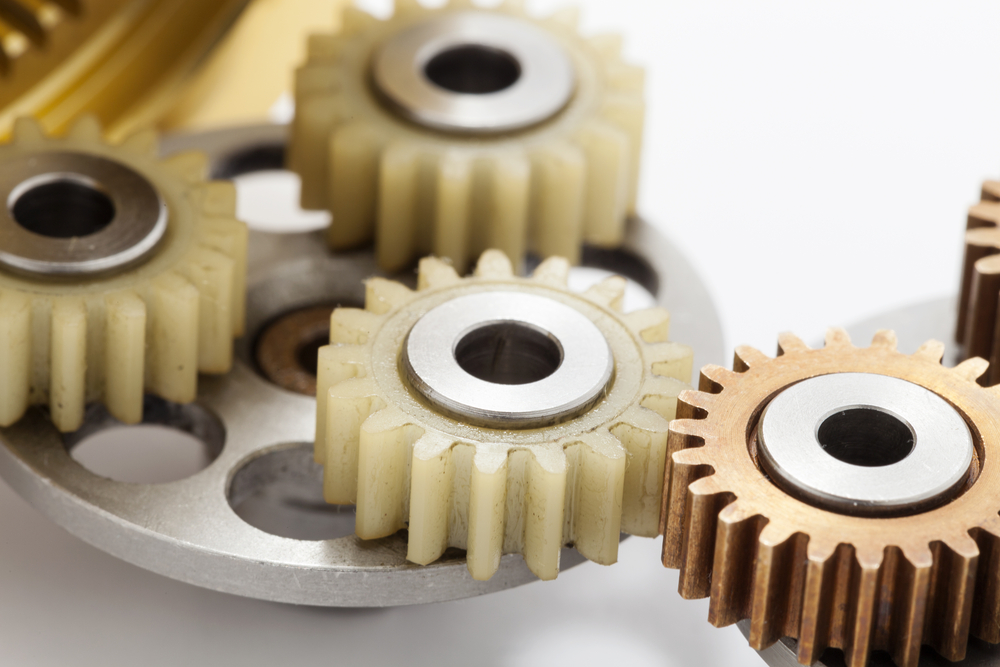
How do you choose the right type of plastic material for specific applications?
Choosing the right type of plastic material for specific applications requires careful consideration of various factors. Here’s a detailed explanation of the process:
1. Identify Application Requirements: Begin by understanding the specific requirements of the application. Consider factors such as temperature range, chemical exposure, mechanical stress, electrical properties, dimensional stability, and regulatory compliance. This initial assessment will help narrow down the suitable plastic material options.
2. Research Plastic Material Properties: Conduct thorough research on different types of plastic materials and their properties. Consider factors such as mechanical strength, thermal stability, chemical resistance, electrical conductivity, impact resistance, UV stability, and food safety approvals. Plastic material datasheets and technical resources from manufacturers can provide valuable information.
3. Evaluate Material Compatibility: Assess the compatibility of the plastic material with the surrounding environment and other components in the system. Consider the potential for chemical reactions, galvanic corrosion, thermal expansion, and any specific requirements for mating surfaces or interfaces. Ensure the selected material is compatible with the intended operating conditions.
4. Consider Manufacturing Process: Evaluate the manufacturing process involved in producing the desired component or product. Different plastic materials may have specific requirements or limitations for processes such as injection molding, extrusion, blow molding, or machining. Ensure the chosen material is compatible with the selected manufacturing method and can meet the desired quality and production efficiency.
5. Assess Cost and Availability: Consider the cost and availability of the plastic material. Some specialty or high-performance plastics may be more expensive or have limited availability compared to more common materials. Evaluate the cost-effectiveness and feasibility of using the selected material within the project’s budget and timeline.
6. Consult with Material Experts: If necessary, consult with material experts, engineers, or suppliers who have expertise in plastic materials. They can provide valuable insights and recommendations based on their experience and knowledge of specific applications. Their input can help ensure the optimal material selection for the intended use.
7. Perform Prototype and Testing: Before finalizing the material selection, it’s advisable to produce prototypes or conduct testing using the chosen plastic material. This allows for verification of the material’s performance, dimensional accuracy, strength, durability, and other critical factors. Iterative testing and evaluation can help refine the material selection process if needed.
By following these steps and considering the application requirements, material properties, compatibility, manufacturing process, cost, and expert advice, it’s possible to choose the most appropriate plastic material for specific applications. Proper material selection is crucial for ensuring optimal performance, longevity, and safety in various industries and products.
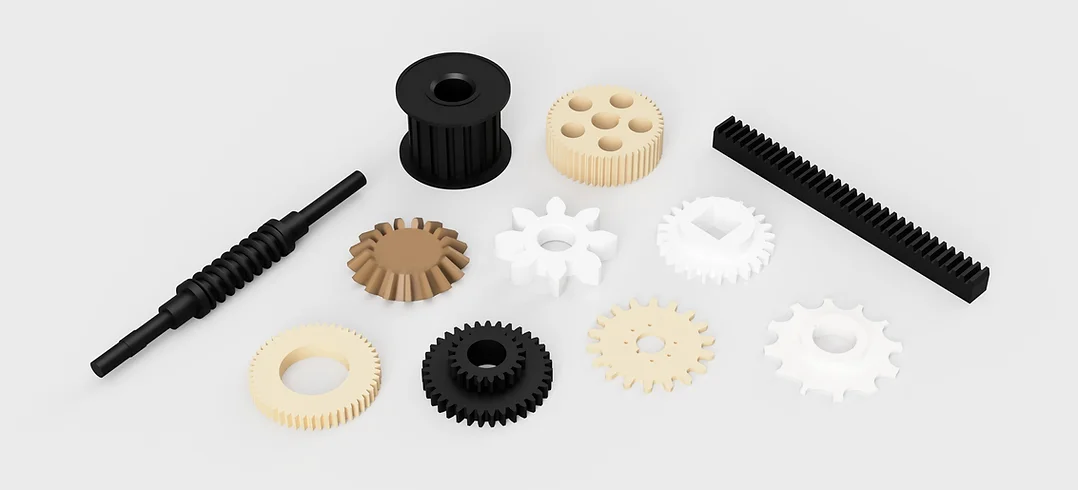
What is the impact of temperature variations on plastic gears?
Temperature variations can have a significant impact on plastic gears. Here’s a detailed explanation of their effects:
1. Thermal Expansion: Plastic gears can experience thermal expansion or contraction with changes in temperature. Different types of plastics have varying coefficients of thermal expansion, meaning they expand or contract at different rates. This can result in dimensional changes, which may affect the gear’s meshing, clearance, and overall performance. It’s important to consider the thermal expansion characteristics of the specific plastic material used in the gear design.
2. Material Softening or Hardening: Plastic materials can exhibit changes in mechanical properties with temperature variations. In general, as temperature increases, plastic materials tend to soften and become more flexible, while at lower temperatures, they can become stiffer and more brittle. These changes can impact the gear’s load-bearing capacity, wear resistance, and overall durability. It’s crucial to select plastic materials that can maintain their mechanical integrity within the expected temperature range of the application.
3. Dimensional Stability: Plastic gears may experience dimensional changes or warping due to temperature fluctuations. Higher temperatures can cause plastic materials to deform, leading to misalignment, increased backlash, or reduced gear accuracy. Conversely, lower temperatures can cause contraction, resulting in tight clearances, increased friction, or gear binding. Proper design considerations, including material selection and gear geometry, can help mitigate the impact of temperature-induced dimensional changes.
4. Lubrication and Wear: Temperature variations can affect the lubrication properties of plastic gears. Higher temperatures can cause lubricants to degrade or become less effective, leading to increased friction, wear, and potential gear failure. Similarly, low temperatures can cause lubricants to thicken or solidify, hindering proper lubrication and increasing wear. Selecting lubricants suitable for the anticipated temperature range and periodic maintenance can help ensure proper lubrication and minimize wear on plastic gears.
5. Cold Flow and Creep: Some plastic materials, especially those with lower glass transition temperatures, may exhibit cold flow or creep at elevated temperatures. Cold flow refers to the gradual deformation or flow of plastic material under constant stress, while creep refers to the time-dependent deformation under a constant load. These phenomena can cause changes in gear geometry, tooth profile, or tooth engagement over time, potentially affecting gear performance and functionality. Understanding the material’s creep and cold flow characteristics is important when selecting plastic gears for applications exposed to temperature variations.
6. Impact on Lubricants and Seals: Temperature variations can also impact the performance of lubricants and seals used in gear systems. Extreme temperatures can cause lubricants to break down, lose viscosity, or leak from the gear assembly. Seals and gaskets may also be affected, leading to compromised gear housing integrity or increased friction. It’s crucial to consider temperature compatibility and select appropriate lubricants and seals that can withstand the anticipated temperature range.
In summary, temperature variations can significantly impact plastic gears by causing thermal expansion, material softening or hardening, dimensional changes, lubrication issues, cold flow or creep, and effects on lubricants and seals. Proper material selection, design considerations, and understanding the anticipated temperature range are essential to ensure the reliable and optimal performance of plastic gears in various applications.
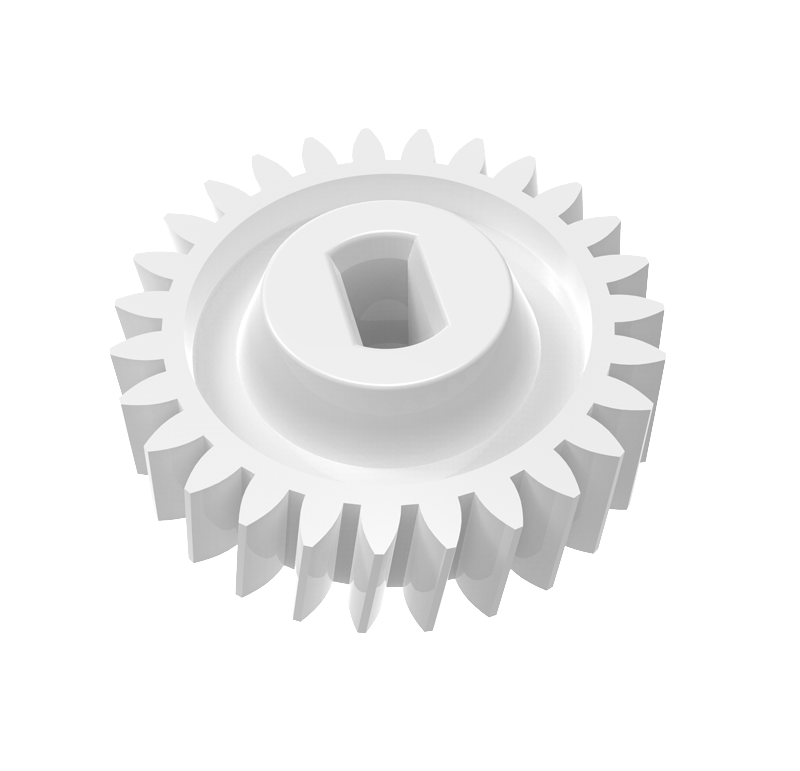
Are there different types of plastic materials used for making gears?
Yes, there are different types of plastic materials used for making gears. Here’s a detailed explanation of some commonly used plastic materials in gear manufacturing:
- Acetal (Polyoxymethylene – POM): Acetal is a popular choice for gear applications due to its excellent strength, dimensional stability, low friction, and wear resistance. It has good machinability and can be easily molded into gears with precise tooth profiles. Acetal gears offer low noise operation and have good resistance to moisture and chemicals. They are commonly used in automotive, consumer electronics, and industrial applications.
- Polyamide (Nylon): Polyamide or nylon is another widely used plastic material for gears. It offers good mechanical properties, including high strength, toughness, and impact resistance. Nylon gears have low friction characteristics, good wear resistance, and self-lubricating properties. They are commonly used in applications such as automotive components, power tools, and industrial machinery.
- Polyethylene (PE): Polyethylene is a versatile plastic material that can be used for gear applications. It offers good chemical resistance, low friction, and excellent electrical insulation properties. While polyethylene gears may have lower strength compared to other plastic materials, they are suitable for low-load and low-speed applications, such as in light-duty machinery, toys, and household appliances.
- Polypropylene (PP): Polypropylene is a lightweight and cost-effective plastic material that finds applications in gear manufacturing. It offers good chemical resistance, low friction, and low moisture absorption. Polypropylene gears are commonly used in various industries, including automotive, consumer electronics, and household appliances.
- Polycarbonate (PC): Polycarbonate is a durable and impact-resistant plastic material used for gears that require high strength and toughness. It offers excellent dimensional stability, transparency, and good resistance to heat and chemicals. Polycarbonate gears are commonly used in applications such as automotive components, electrical equipment, and machinery.
- Polyphenylene Sulfide (PPS): Polyphenylene sulfide is a high-performance plastic material known for its excellent mechanical properties, including high strength, stiffness, and heat resistance. PPS gears offer low friction, good wear resistance, and dimensional stability. They are commonly used in demanding applications such as automotive transmissions, industrial machinery, and aerospace equipment.
These are just a few examples of the plastic materials used for making gears. The choice of plastic material depends on the specific requirements of the gear application, including load capacity, operating conditions, temperature range, chemical exposure, and cost considerations. It’s important to select a plastic material that offers the necessary combination of mechanical properties and performance characteristics for optimal gear performance.


editor by CX 2023-12-19