China Standard Small Differential Gear Machined with Drawings spiral bevel gear
Product Description
Small Differential Gear Machined with Drawings
1. Description
| No. | Item | Description |
| 1 | Name | Straight Gear |
| 2 | Size | Products can be customized. |
| 3 | Manufacture Standard | 5-8 Grade ISO1328-1997. |
| 4 | Material | 45#Steel,20CrMnTi,40Cr,20CrNiMo,20MnCr5,GCR15SiMn,42CrMo,2Cr13stainless steel,Nylon,Bakelite,Copper,Aluminium.etc |
| 5 | Production Process | The main process is Gear Hobbing, Gear Shaping and Gear Grinding, Selecting production process according to the different products. |
| 6 | Heat Treatment | Carburizing and quenching ,High-frequency quenching,Nitriding, Hardening and tempering, Selecting heat treatment according to the different materials. |
| 7 | Testing Equipment | Rockwell hardness tester 500RA, Double mesh instrument HD-200B & 3102,Gear measurement center instrument CNC3906T and other High precision detection equipments |
| 8 | Certification | GB/T19001-2016/ISO9001:2015 |
| 9 | Usage | Used in printing machine, cleaning machine, medical equipment, garden machine, construction machine, electric car, valve, forklift, transportation equipment and various gear reducers.etc |
| 10 | Package | According to customer’s request |
2. Photos
3. Order process
a. Customer sends us the drawing or sample, If only sample, our company supply the CAD drawing.
b. Our company supplies the processing technique and quotation.
c. Our company supplies the sample after customer confirmed processing technique and quotation.
d. Customer places the order after confirm the sample.
e. Customer pay 50% deposit
f. Quantity production.
g. Pay the balance after the acceptance and confirmation.
h. Delivery.
/* March 10, 2571 17:59:20 */!function(){function s(e,r){var a,o={};try{e&&e.split(“,”).forEach(function(e,t){e&&(a=e.match(/(.*?):(.*)$/))&&1
| Application: | Machinery, Marine, Agricultural Machinery, Car, Industry |
|---|---|
| Hardness: | Hardened |
| Gear Position: | External Gear |
| Manufacturing Method: | Rolling Gear |
| Toothed Portion Shape: | Involute |
| Material: | 45#Steel,20crmnti,40cr,20CrNiMo,20mncr5,Gcr15simn, |
| Samples: |
US$ 2/Piece
1 Piece(Min.Order) | |
|---|
| Customization: |
Available
| Customized Request |
|---|
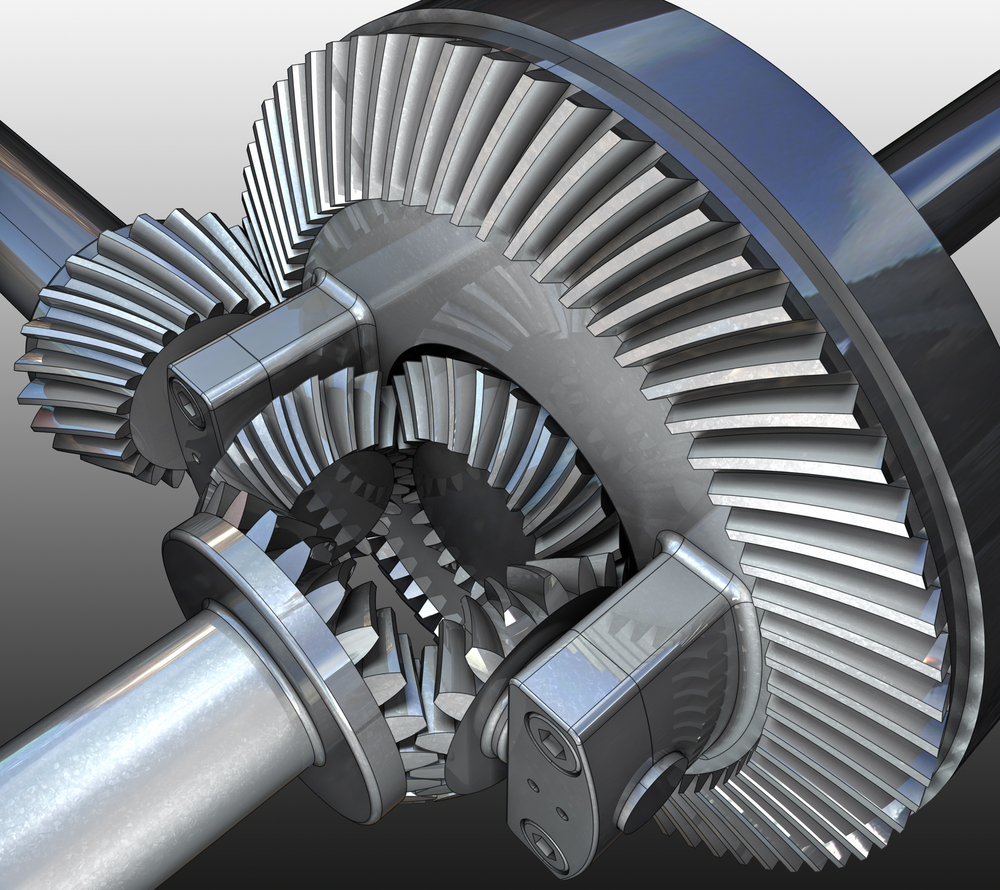
What is the impact of a malfunctioning differential gear on a vehicle’s performance?
A malfunctioning differential gear can significantly impact a vehicle’s performance and drivability. Here’s a detailed explanation of the effects of a malfunctioning differential gear:
1. Limited Traction:
A malfunctioning differential gear may result in limited traction, especially in off-road or slippery conditions. The differential gear distributes torque between the wheels to provide optimal traction. If the gear malfunctions, it may not distribute power evenly, causing one or more wheels to lose traction. This can result in wheel slip, difficulty in accelerating, and compromised control over the vehicle.
2. Poor Handling and Stability:
The differential gear plays a critical role in maintaining stability and handling characteristics of a vehicle. A malfunctioning differential gear can disrupt the balance between the wheels, leading to poor handling and stability. For example, if a rear-wheel-drive vehicle’s differential gear fails, it can cause excessive oversteer or understeer, making the vehicle difficult to control during cornering or sudden maneuvers.
3. Increased Tire Wear:
A malfunctioning differential gear can cause uneven tire wear. When the gear fails to distribute torque evenly, some wheels may experience excessive slippage or spinning, while others receive insufficient power. This uneven distribution of forces can lead to accelerated tire wear on specific wheels, resulting in uneven tread wear patterns and reducing the overall lifespan of the tires.
4. Abnormal Noise and Vibration:
A malfunctioning differential gear can produce abnormal noises and vibrations. If the gear’s components, such as bearings or gears, wear out or become damaged, it can result in grinding, whining, or clunking noises during operation. Additionally, the vehicle may experience vibrations, especially when accelerating or navigating turns. These symptoms indicate potential issues with the differential gear that require immediate attention.
5. Loss of Power and Performance:
A malfunctioning differential gear can lead to a loss of power and performance. If the gear fails to transfer torque effectively, the vehicle may experience reduced power delivery to the wheels. This can result in sluggish acceleration, decreased towing or hauling capacity, and overall compromised performance. The vehicle may struggle to climb inclines, navigate challenging terrain, or maintain speed efficiently.
6. Increased Fuel Consumption:
A malfunctioning differential gear can contribute to increased fuel consumption. When the gear fails to distribute torque properly, the engine may need to work harder to compensate for the lack of power transmission. This increased workload can lead to higher fuel consumption, as the engine consumes more fuel to maintain performance levels.
7. Safety Concerns:
A malfunctioning differential gear can pose safety concerns for the driver and passengers. Limited traction, poor handling, and compromised stability increase the risk of accidents, especially in adverse weather conditions or emergency situations. It is crucial to address any differential gear issues promptly to ensure the safe operation of the vehicle.
In summary, a malfunctioning differential gear can have a significant impact on a vehicle’s performance. It can result in limited traction, poor handling and stability, increased tire wear, abnormal noises and vibrations, loss of power and performance, increased fuel consumption, and safety concerns. Regular maintenance, prompt repairs, and addressing differential gear issues can help maintain the vehicle’s performance, drivability, and overall safety.
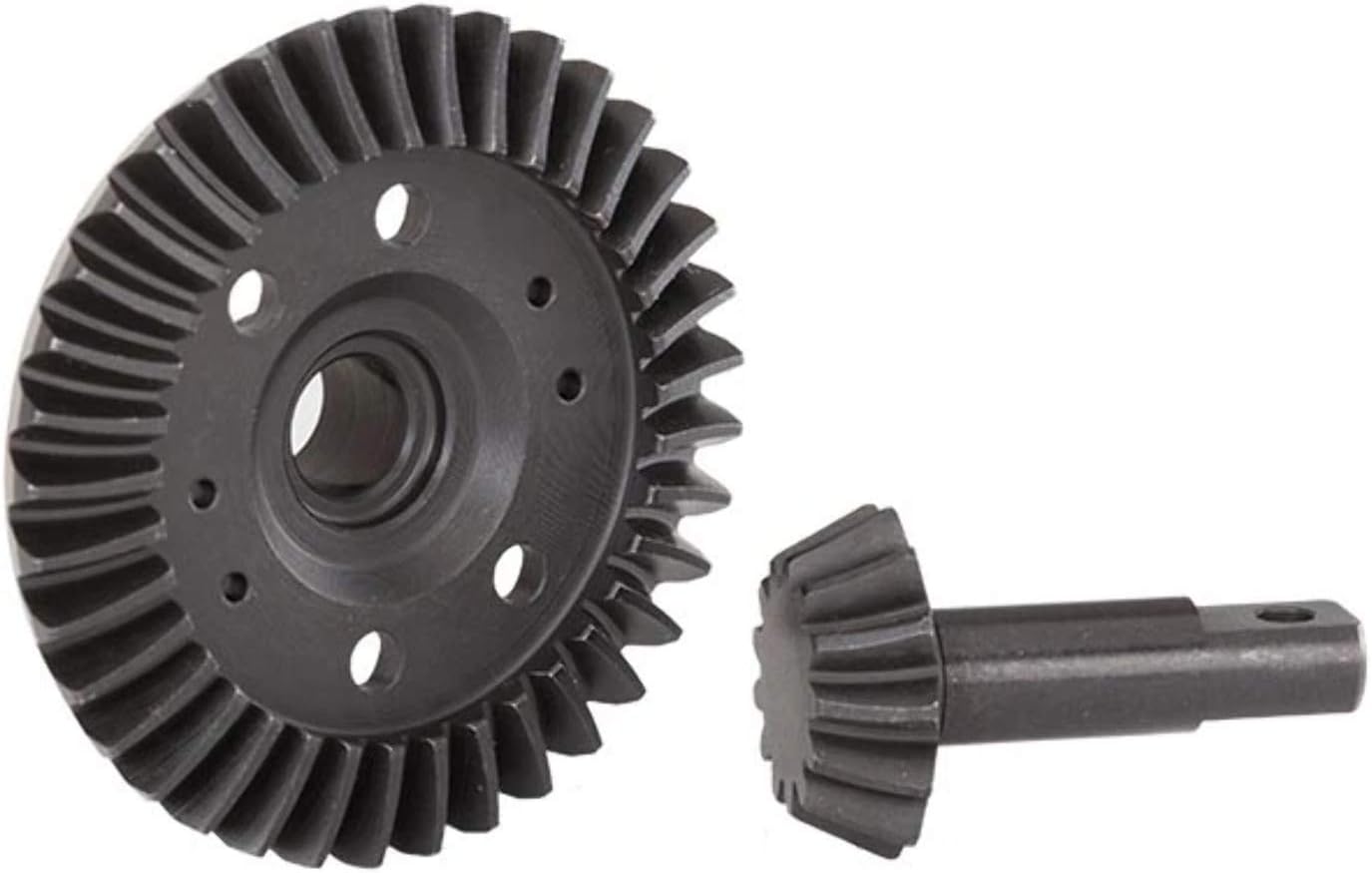
How do differential gears interact with the suspension system of a vehicle?
Differential gears interact with the suspension system of a vehicle in several ways. Here’s a detailed explanation of their interaction:
- Power Transmission: The primary function of differential gears is to distribute power from the engine to the wheels. The power is transmitted through the drivetrain, which includes the transmission, driveshaft, and differential gears. The differential gears are located within the rear axle assembly and connect to the wheels via the axle shafts. As the suspension system allows the wheels to move up and down independently, the differential gears accommodate these movements to ensure smooth and consistent power transmission.
- Wheel Movement: The suspension system of a vehicle allows the wheels to move vertically to absorb road irregularities, bumps, and vibrations. This movement is essential for providing a comfortable ride, maintaining tire contact with the road surface, and improving overall handling and stability. The differential gears must accommodate this wheel movement without hindering power transmission. They are mounted within the axle housing, which is connected to the suspension system, allowing the wheels to move up and down while maintaining their connection to the differential assembly.
- Drive Axle and Halfshafts: In many vehicles, the differential gears are located within the drive axle assembly, which is an integral part of the suspension system. The drive axle assembly consists of the differential gears, axle housing, and halfshafts (also known as axle shafts). The halfshafts connect the differential gears to the wheel hubs, transmitting power from the differential to the wheels. The suspension system and differential gears work in conjunction to allow the halfshafts to flex and accommodate the vertical movement of the wheels while maintaining power delivery.
- Torque Steer: Differential gears can also influence torque steer, which is the tendency of the vehicle to pull to one side during acceleration. Torque steer occurs when one wheel receives more torque than the other, causing an imbalance in power delivery and resulting in steering effects. Differential gears, particularly in front-wheel-drive vehicles, help manage torque steer by distributing torque between the front wheels. Advanced differential technologies, such as limited-slip differentials or electronic torque vectoring systems, can further mitigate torque steer and enhance overall vehicle stability.
- Performance Applications: In high-performance or sport-oriented vehicles, the interaction between differential gears and the suspension system becomes even more critical. The suspension system is usually designed to provide optimal handling characteristics, including minimal body roll, precise cornering, and responsive feedback. Differential gears, particularly limited-slip differentials or electronically controlled differentials, can be specifically tuned to complement the suspension system and maximize traction, stability, and cornering performance. This integration ensures that the power delivered to the wheels is effectively utilized, enhancing the vehicle’s overall dynamic capabilities.
In summary, differential gears interact with the suspension system of a vehicle by accommodating wheel movement, transmitting power while allowing independent wheel motion, connecting to the drive axle and halfshafts, managing torque steer, and optimizing performance in high-performance applications. This interaction ensures smooth power transmission, proper handling, stability, and overall vehicle performance.
What is a locking differential, and when is it used?
A locking differential is a specialized type of differential gear that provides maximum traction in challenging driving conditions. Here’s a detailed explanation:
Definition:
A locking differential, also known as a locker, is a mechanism that locks the rotation of the two wheels on an axle together, ensuring they both receive equal torque simultaneously. Unlike open differentials or limited-slip differentials, which allow the wheels to rotate at different speeds, a locking differential forces both wheels to turn together, regardless of traction conditions.
Function:
The primary function of a locking differential is to maximize traction. By mechanically linking the two wheels on an axle, a locking differential ensures that both wheels receive an equal amount of torque, regardless of the traction available to each wheel. This feature is particularly useful in off-road or extreme driving conditions where maintaining traction on all wheels is crucial.
Usage:
A locking differential is typically used in situations where improved traction is essential. Here are some scenarios where a locking differential is commonly employed:
1. Off-Road Driving:
Off-road enthusiasts often encounter challenging terrains with uneven surfaces, deep mud, rocks, or slippery conditions. In these situations, a locking differential can provide maximum traction by ensuring that both wheels on an axle rotate together. This helps prevent wheel spin and increases the likelihood of successfully navigating through difficult obstacles.
2. Rock Crawling:
Rock crawling involves traversing over large rocks and boulders, where maintaining traction is crucial. A locking differential allows both wheels to maintain contact with the ground simultaneously, providing better grip and stability. This enables the vehicle to crawl over rocks with minimal wheel spin and improved control.
3. Towing and Hauling:
When towing or hauling heavy loads, a locking differential can enhance traction and stability. The additional torque applied to both wheels helps prevent wheel slip and provides better power transfer to the ground. This is particularly useful in situations where the load may affect weight distribution and traction on the drive wheels.
4. Extreme Weather Conditions:
In certain weather conditions such as deep snow, ice, or mud, a locking differential can offer improved traction. By ensuring that both wheels on an axle rotate together, a locking differential helps mitigate wheel slip and enhances the vehicle’s ability to maintain forward momentum even in low-traction environments.
5. Off-Road Racing:
In off-road racing, where high-performance vehicles face demanding terrains and aggressive maneuvers, locking differentials are often utilized. The maximum traction provided by a locking differential allows for better acceleration, cornering, and overall performance in challenging racing conditions.
It’s important to note that while a locking differential offers superior traction, it can also negatively impact handling and maneuverability on paved surfaces. Due to the locked wheel rotation, turning becomes more difficult, and tire scrubbing may occur. Therefore, locking differentials are predominantly used in specialized applications or off-road vehicles designed for demanding environments.
In summary, a locking differential is a mechanism that locks the rotation of both wheels on an axle together, maximizing traction in challenging driving conditions. It is commonly used in off-road driving, rock crawling, towing and hauling, extreme weather conditions, and off-road racing, where maintaining traction is crucial for performance and stability.


editor by CX 2024-01-03