China factory Stainless Steel Materials Long Worm Gear Shaft Forging Pinion Shaft for Mineral Machinery worm gearbox
Product Description
Product Description
Product Description
| Item | Shaft, axle |
| Application | Cranes, Railway way, mineral Machinery, hydraulic Machinery, Spare parts etc. |
| Design | Can be at the customer’ request, tailor-made, at customer’s design |
| Material | Stainless Steel or Carbon Steel, such as 45#, 65# SAE4140, SAE4150, SAE4160, 42CrMo, stainless steel 410, stainless steel 304, or other required steel |
| Size | Diameter 80mm to 2000mm. Length max.in 6000mm |
| Minimum order | 1Pcs |
Product Real Shot
Manufacturing Process
- Free forged or module forged
- Rough machining process, to remove the surface forged oxidized black leather.
- 100% Ultrasonic Test ASTMA388
- Heat Treatment according to request, Normalized, Quenched, Tempered….
- Hardness test
- Finishing Process to the dimensional state required by the drawing.
- 100% Magnetic Test ASTM E709 and 100% dimensional test
- Painting or oil protecting TECTYL 506 or similiar
- Packing with boxes
Data Needed for Quotation
– Your own drawing
– Your requirement on material and necessary dimensional data
– Ask for recommend
Company Profile
ZheJiang CHINAMFG Machinery Co., Ltd., established in the year of 2012, is a professional supplier of material handling equipment, OEM machinery parts, various forging parts and casting parts.
Ebon’s products scope: cranes, hoists, magnets, grabs, hooks, wheels, drums, axles, lifting beams,bearing box, bearings, couplings,flanges etc. They are applied in wide range of field: Machinery, Mining, Hydro power Transportation, Construction…..
CHINAMFG has 5 reliable manufacturing factories to make sure stable supply and fast delivery for your business.
Our products are also exported to USA, Britain, Japan, South Korea, Russia, Indonesia, Thailand, India, Vietnam, Canada, Argentina, Paraguay etc more than 50 countries.
CHINAMFG team is loyal and committed to your success, and firmly believes that our products and services will increase the value and effectiveness of your business with following characters:
-Professional sales team, market promotion team and logistics team with more then 10 years experience .
-Loyal and Responsible Characters
-Efficient Work, Fast Response
-Responsible Quality Control Team
-Video the manufacturing process, the testing, and packing before delivery
1.Q: How about your delivery time?
A: Generally, it will take 7-30 days after receiving your advance payment. The specific delivery time depends on the items, transportation ways and the quantity of your order.
2.Q: Can you produce according to the samples?
A: Yes, we can produce by your samples or technical drawings.
3.Q: Do you test all your goods before delivery?
A: Yes, we have 100% Ultrasonic test, Magnetic test or Liquid Penetration test before delivery
4.Q: How do you make our business long-term and good relationship?
A: (1) We keep good quality and competitive price to ensure our customers benefit ;
(2) We respect every customer as our friend and we sincerely do business and make friends with them, no matter where they come from.
5.Q: I can’t see the goods or touch the goods, how can I deal with the risk involved?
A: Our quality management system conforms to the requirement of ISO 9001:2015 verified by DNV. We are absolutely worth your trust. We can accept trial order to enhance mutual trust.
/* March 10, 2571 17:59:20 */!function(){function s(e,r){var a,o={};try{e&&e.split(“,”).forEach(function(e,t){e&&(a=e.match(/(.*?):(.*)$/))&&1
| Processing Object: | Metal |
|---|---|
| Molding Style: | Forging |
| Molding Technics: | Pressure Casting |
| Application: | Machinery Parts |
| Material: | Steel |
| Heat Treatment: | Quenching |
| Customization: |
Available
| Customized Request |
|---|
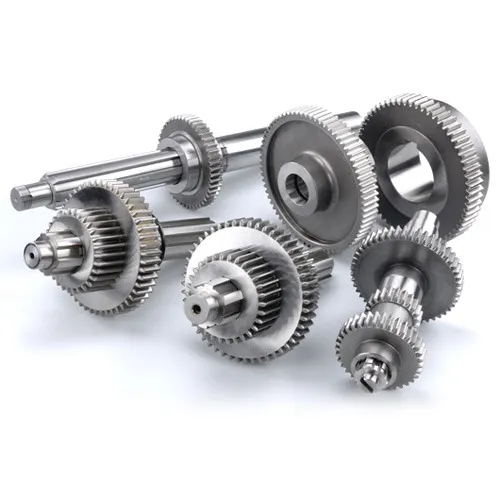
How does proper lubrication and maintenance extend the life of gear shafts?
Proper lubrication and maintenance play a crucial role in extending the life of gear shafts. Adequate lubrication ensures smooth operation, reduces friction, dissipates heat, and protects against wear and corrosion. Regular maintenance helps identify and address potential issues before they escalate, ensuring the optimal functioning of gear shafts. Let’s explore the benefits of proper lubrication and maintenance in detail:
- Reduction of Friction and Wear:
Proper lubrication creates a thin film of lubricant between the engaging surfaces of gears and gear shafts. This lubricating film reduces friction, allowing the gears to rotate smoothly with minimal resistance. By minimizing friction, lubrication helps to prevent excessive wear and extends the lifespan of gear teeth and the gear shaft itself. Reduced wear also contributes to maintaining the precise tooth profiles and dimensional integrity of the gears, ensuring optimal performance.
- Heat Dissipation:
Gear systems can generate significant heat due to the mechanical forces and friction involved. Proper lubrication helps dissipate this heat by carrying it away from the contact surfaces. Effective heat dissipation prevents overheating, which can lead to thermal expansion, dimensional changes, and accelerated wear. By managing heat, lubrication helps to maintain the structural integrity of gear shafts and prevents potential damage caused by excessive temperatures.
- Protection against Corrosion:
Lubricants often contain additives that provide protection against corrosion. Gear shafts are susceptible to rust and corrosion, especially in environments with high humidity or exposure to moisture. Proper lubrication forms a protective barrier on the gear surfaces, preventing the formation of rust and corrosion. This protective layer helps to maintain the gear shafts’ integrity, preventing pitting, surface damage, and degradation over time.
- Contaminant Prevention:
Lubrication acts as a barrier, preventing contaminants such as dust, dirt, and debris from entering the gear system. These contaminants can cause abrasive wear, interfere with proper meshing of gear teeth, and lead to premature failure. Proper lubrication helps to keep the gear system clean and free from harmful particles, ensuring smooth operation and minimizing the risk of damage to gear shafts.
- Early Detection of Issues:
Regular maintenance and inspections provide an opportunity to detect and address potential issues before they escalate. During maintenance, gear systems can be checked for any signs of abnormal wear, misalignment, or damage. Timely identification of such issues allows for corrective measures to be taken, such as realigning gear shafts, replacing worn components, or adjusting lubrication practices. By addressing problems early on, the life of gear shafts can be significantly extended.
- Optimized Performance:
Proper lubrication and maintenance contribute to the overall optimized performance of gear shafts. Well-lubricated gear systems experience reduced power losses, smoother operation, and improved efficiency. Regular maintenance ensures that gear shafts and the entire gear system are in optimal condition, enabling reliable and consistent power transmission.
In summary, proper lubrication and maintenance are vital for extending the life of gear shafts. They reduce friction and wear, dissipate heat, protect against corrosion, prevent contaminants, enable early detection of issues, and optimize gear performance. By implementing appropriate lubrication practices and conducting regular maintenance, gear shafts can operate efficiently, withstand varying load conditions, and have an extended service life within the gear system.
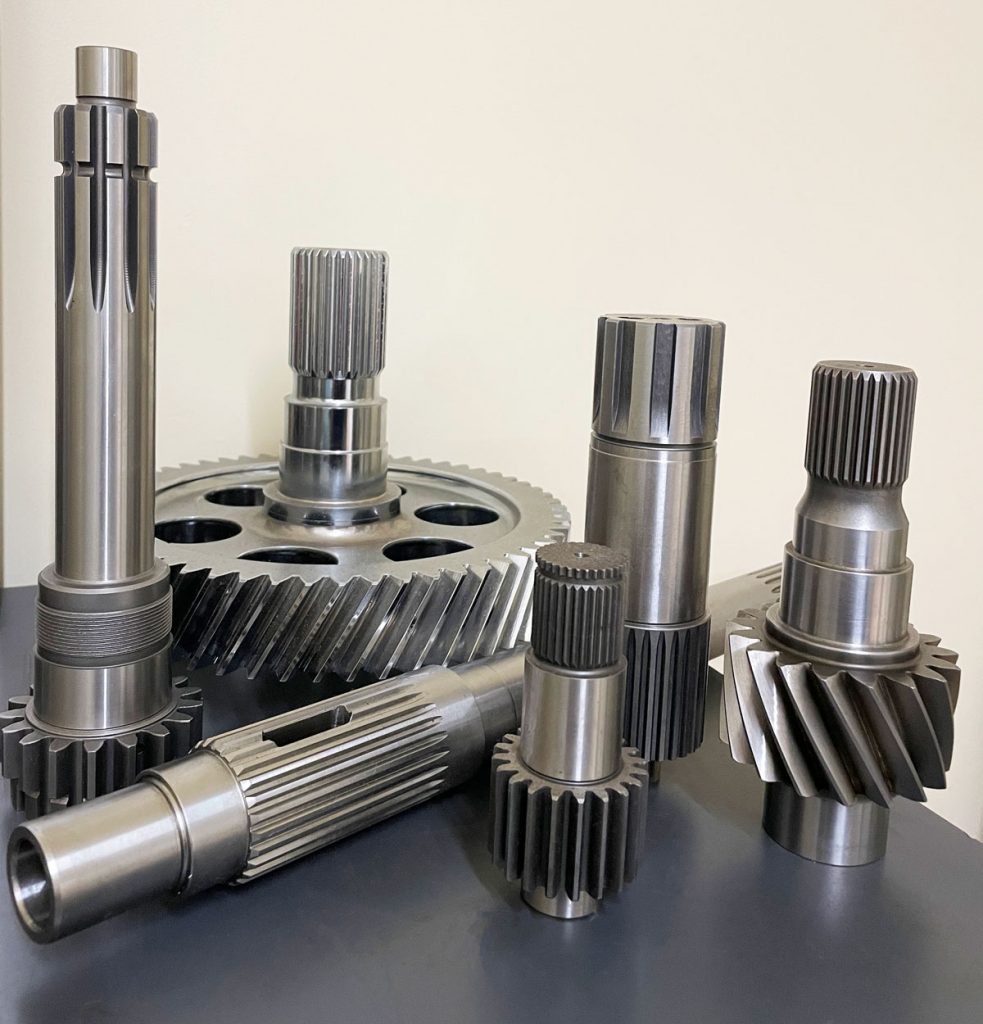
How do gear shafts affect the overall operation and efficiency of gear systems?
Gear shafts play a crucial role in determining the overall operation and efficiency of gear systems within mechanical applications. They impact various aspects of gear system performance. Let’s explore how gear shafts affect the overall operation and efficiency:
- Power Transmission:
Gear shafts are responsible for transmitting power between gears in a gear system. The design and construction of the gear shaft directly influence the efficiency of power transmission. Proper alignment, accurate dimensions, and precise machining of the gear shaft ensure smooth rotation and optimal meshing of gear teeth. This reduces power losses due to friction, misalignment, or inefficient engagement, resulting in improved power transmission efficiency.
- Load Carrying Capacity:
Gear shafts bear the load and torque generated within a gear system. Their structural integrity and material properties determine the load carrying capacity of the gear system. A well-designed and robust gear shaft can withstand high loads without deformation or failure. By effectively distributing the load across the gear arrangement, gear shafts enhance the overall efficiency of the system and prevent premature wear or damage to the gears.
- Alignment and Gear Meshing:
Gear shafts ensure proper alignment and gear meshing within the gear system. Accurate machining and precise tolerances of the gear shaft facilitate the correct positioning of gears, ensuring optimal contact and engagement between gear teeth. Improper alignment or misalignment due to a faulty gear shaft can result in increased friction, noise, vibration, and reduced efficiency. Conversely, a well-designed gear shaft promotes smooth gear meshing, minimizes energy losses, and enhances the overall efficiency of the gear system.
- Reduction of Backlash:
Backlash refers to the slight play or gap between the meshing gear teeth. Gear shafts, when properly designed and manufactured, help reduce backlash within the gear system. By ensuring accurate alignment and precise tooth engagement, gear shafts minimize the amount of backlash, which can cause vibration, noise, and energy losses. Reduced backlash improves the efficiency of the gear system by enhancing the transfer of rotational motion and minimizing power dissipation.
- Smooth Operation and Reduced Wear:
A well-designed gear shaft enables smooth operation and reduces wear within the gear system. The accurate meshing of gear teeth facilitated by the gear shaft results in reduced friction and wear on the gears. Proper lubrication and the use of high-quality materials further contribute to minimizing wear and extending the lifespan of the gear system components. Smooth operation and reduced wear translate to improved efficiency, as energy losses due to friction and component degradation are minimized.
- Efficiency in Speed and Torque Conversion:
Gear shafts allow for efficient speed and torque conversion within gear systems. By incorporating different gear arrangements on a single gear shaft, it becomes possible to achieve specific speed and torque requirements. The gear ratios and sizes chosen for the gear arrangement on the gear shaft determine the conversion efficiency. Well-designed gear shafts enable precise speed and torque transmission, resulting in efficient power utilization and optimized performance of the gear system.
In summary, gear shafts significantly impact the overall operation and efficiency of gear systems. They influence power transmission efficiency, load carrying capacity, gear alignment and meshing, reduction of backlash, smooth operation and reduced wear, as well as speed and torque conversion efficiency. Proper design, construction, and maintenance of gear shafts are essential for maximizing the overall performance and efficiency of gear systems in mechanical applications.
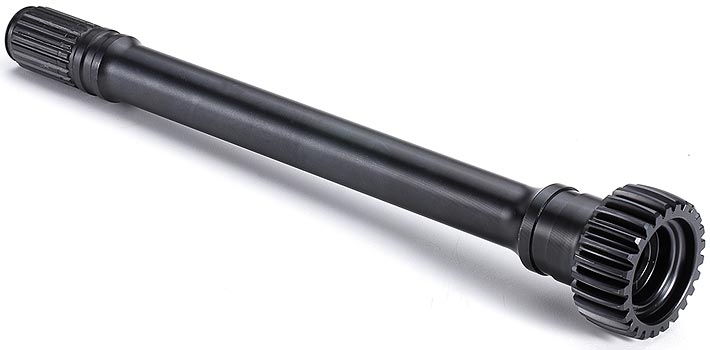
How do gear shafts differ from other components in gear mechanisms?
Gear shafts have distinct characteristics that differentiate them from other components in gear mechanisms. Here are some key differences between gear shafts and other components:
- Function:
Gear shafts serve as the mechanical linkages that connect and transmit rotational motion between gears. Their primary function is to transfer power and torque from one gear to another, enabling the desired mechanical output. Other components in gear mechanisms, such as gears themselves, may have different functions, such as meshing with other gears, providing different gear ratios, or changing the direction of motion.
- Structure and Design:
Gear shafts typically have a cylindrical or rod-like structure with a smooth surface. They are designed to provide support, alignment, and rotational movement for the connected gears. In contrast, other components, such as gears, may have complex tooth profiles, specific shapes, or specialized features to achieve their intended functions, such as transmitting motion, altering speed, or multiplying torque.
- Location and Mounting:
Gear shafts are often positioned centrally within gear mechanisms and are mounted on bearings or bushings. This central location allows them to connect with multiple gears and efficiently transmit power. Other components, such as gears, may be positioned at different locations within the mechanism, depending on their specific roles and interactions with other gears.
- Rotational Movement:
Gear shafts primarily rotate within the gear mechanism, transmitting the rotational motion from one gear to another. They are designed to withstand the torque and rotational forces applied during operation. In contrast, other components, such as gears, may have different types of movement or interactions, such as meshing with other gears, sliding, or engaging and disengaging with additional mechanisms or clutches.
- Size and Dimension:
Gear shafts can vary in size and dimension depending on the specific application and gear mechanism requirements. They need to be designed to handle the load, torque, and speed demands of the system. Other components, such as gears, may also come in various sizes, but their shape, tooth profiles, and dimensions are tailored to achieve specific gear ratios, rotational speeds, or torque multiplication.
- Material Selection:
Gear shafts are commonly made from strong and durable materials, such as steel or alloy metals, to withstand the forces and stresses encountered during operation. The material selection for gear shafts prioritizes strength, wear resistance, and fatigue resistance. Other components, such as gears, may have different material requirements based on their specific functions, such as hardness, friction properties, or heat dissipation.
In summary, gear shafts differ from other components in gear mechanisms in terms of their function, structure, location, movement, size, and material selection. Gear shafts primarily serve to transmit power and torque between gears, providing support, alignment, and rotational movement. Understanding these differences is crucial for designing and assembling efficient and reliable gear mechanisms.


editor by CX 2024-01-04