China OEM CZPT OEM Stainless Steel Helical Spur Pinion Gears for CNC Machining Part raw gear
Product Description
IHF OEM Stainless Steel Helical Spur Pinion Gears For CNC Machining Part
Main Features:
Helical Gear
1. Produce strictly in accordance with ANSI or DIN standard dimension
2. Material: 1045 Carbon Steel
3. Bore: Finished bore
4. Module: 1~3
Product Parameters
| Product name | Spur Gear & Helical Gear & Gear Shaft |
| Customized service | OEM, drawings or samples customize |
| Materials Available | Stainless Steel, Carbon Steel, S45C, SCM415, 20CrMoTi, 40Cr, Brass, SUS303/304, Bronze, Iron, Aluminum Alloy etc |
| Heat Treatment | Quenching & Tempering, Carburizing & Quenching, High-frequency Hardening, Carbonitriding…… |
| Surface Treatment | Conditioning, Carburizing and Quenching,Tempering ,High frequency quenching, Tempering, Blackening, QPQ, Cr-plating, Zn-plating, Ni-plating, Electroplate, Passivation, Picking, Plolishing, Lon-plating, Chemical vapor deposition(CVD), Physical vapour deposition(PVD)… |
| BORE | Finished bore, Pilot Bore, Special request |
| Processing Method | Molding, Shaving, Hobbing, Drilling, Tapping, Reaming, Manual Chamfering, Grinding etc |
| Pressure Angle | 20 Degree |
| Hardness | 55- 60HRC |
| Size | Customer Drawings & ISO standard |
| Package | Wooden Case/Container and pallet, or made-to-order |
| Certificate | ISO9001:2008 |
| Machining Process | Gear Hobbing, Gear Milling, Gear Shaping, Gear Broaching, Gear Shaving, Gear Grinding and Gear Lapping |
| Applications | Printing Equipment Industry, Laser Equipment Industry, Automated Assemblyline Industry, Woodening Industry, Packaging Equipment Industry, Logistics storage Machinery Industry, Robot Industry, Machine Tool Equipment Industry |
Company Profile
Packaging & Shipping
FAQ
| Main Markets? | North America, South America, Eastern Europe , West Europe , North Europe, South Europe, Asia |
| How to order? | * You send us drawing or sample |
| * We carry through project assessment | |
| * We give you our design for your confirmation | |
| * We make the sample and send it to you after you confirmed our design | |
| * You confirm the sample then place an order and pay us 30% deposit | |
| * We start producing | |
| * When the goods is done, you pay us the balance after you confirmed pictures or tracking numbers. | |
| * Trade is done, thank you!! |
If you are interested in our products, please tell us which materials, type, width, length u want.
/* March 10, 2571 17:59:20 */!function(){function s(e,r){var a,o={};try{e&&e.split(“,”).forEach(function(e,t){e&&(a=e.match(/(.*?):(.*)$/))&&1
| Warranty: | One Year |
|---|---|
| Condition: | New |
| Certification: | RoHS, ISO9001 |
| Standard: | DIN, GB, JIS, Agma |
| Customized: | Customized |
| Material: | Stainless Steel |
| Samples: |
US$ 15/Piece
1 Piece(Min.Order) | |
|---|
| Customization: |
Available
| Customized Request |
|---|
What are the benefits of using plastic gears over traditional materials?
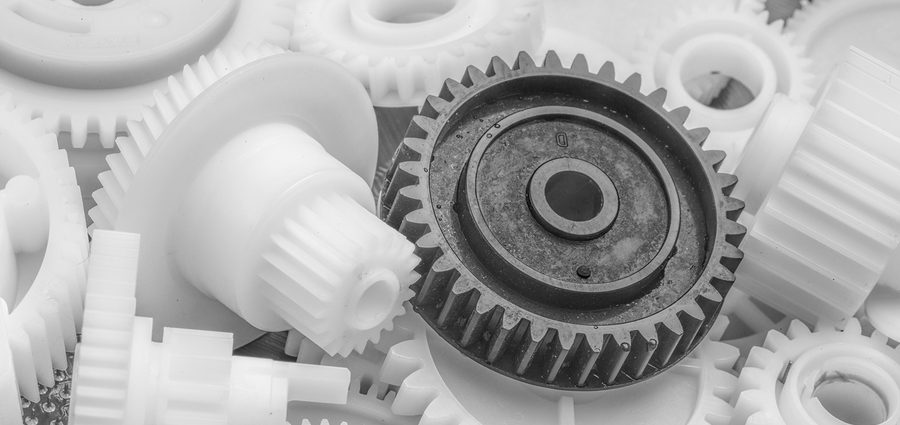
Using plastic gears instead of traditional materials offers several benefits. Here’s a detailed explanation of the advantages of using plastic gears:
- Weight Reduction: Plastic gears are significantly lighter in weight compared to gears made from traditional materials such as metal. This lightweight characteristic is advantageous in applications where weight reduction is important, as it can contribute to energy efficiency, lower inertia, and reduced wear on supporting components.
- Noise and Vibration Reduction: Plastic gears have inherent damping properties that help reduce noise and vibration levels during operation. This makes them suitable for applications where noise reduction is desired, such as in consumer electronics or office equipment. Metal gears, on the other hand, tend to generate more noise and vibration due to their higher stiffness.
- Self-Lubrication: Certain plastic materials used in gears have inherent lubricating properties, allowing for self-lubrication between gear teeth. This reduces friction and wear, eliminating the need for external lubrication and simplifying maintenance requirements. Metal gears, on the other hand, typically require lubrication to reduce friction and wear.
- Corrosion Resistance: Plastic gears can exhibit excellent resistance to corrosion and chemicals, depending on the chosen plastic material. This makes them suitable for applications in corrosive environments where metal gears may suffer from degradation or require additional protective measures.
- Design Flexibility: Plastic gears offer greater design flexibility compared to metal gears. Plastic materials can be easily molded into complex shapes, allowing for the creation of custom gear profiles and tooth geometries. This design flexibility enables gear optimization for specific applications, improving performance, efficiency, and overall machinery design.
- Cost-Effectiveness: Plastic gears are often more cost-effective compared to gears made from traditional materials. Plastic materials are generally less expensive than metals, and the manufacturing processes for plastic gears, such as injection molding, can be more efficient and economical for large-scale production.
- Electrical Insulation: Plastic gears offer electrical insulation properties, which can be advantageous in applications where electrical isolation is required. Metal gears, on the other hand, can conduct electricity and may require additional insulation measures in certain situations.
- Customization and Color Options: Plastic gears can be easily customized in terms of shape, size, color, and surface finish. This allows for branding, aesthetic preferences, or specific identification requirements in various applications. Metal gears, on the other hand, have more limited options for customization.
These benefits make plastic gears attractive alternatives to traditional materials in many applications. However, it’s important to consider the specific requirements and operating conditions of the application when selecting the appropriate gear material.
Can plastic gears be used in automotive applications?
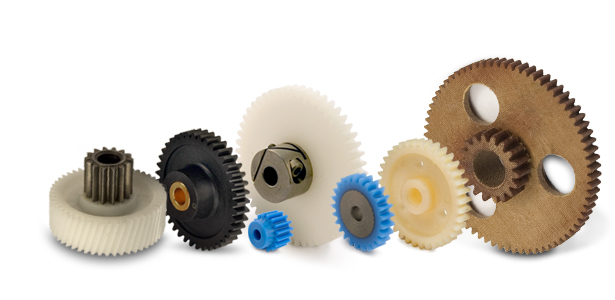
Yes, plastic gears can be used in automotive applications. Here’s a detailed explanation:
Plastic gears have several advantages that make them suitable for certain automotive applications. They are lightweight, have good wear resistance, offer design flexibility, and can operate with low noise levels. However, it’s important to consider the specific requirements and limitations of automotive applications before using plastic gears.
1. Non-load Bearing Applications: Plastic gears are commonly used in non-load bearing applications within automotive systems. These include applications such as instrument clusters, HVAC systems, seat adjustments, and interior components. In these cases, the gears are subjected to relatively low loads and can effectively perform their functions while offering benefits such as weight reduction and cost efficiency.
2. Auxiliary Systems: Plastic gears can also be used in auxiliary systems of vehicles, such as windshield wipers, window regulators, and sunroof mechanisms. These systems typically operate at lower loads and speeds compared to primary powertrain components. Plastic gears can provide reliable performance in these applications while contributing to weight reduction and improved fuel efficiency.
3. Noise and Vibration: Plastic gears have inherent damping properties that can help reduce noise and vibration in automotive applications. This is particularly advantageous in areas where noise reduction is a priority, such as electric window mechanisms or HVAC systems. Plastic gears can contribute to a quieter and more comfortable driving experience.
4. Design Flexibility: Plastic gears offer design flexibility, allowing for complex shapes and customization to meet specific automotive requirements. They can be molded with precision to achieve intricate gear profiles and optimize gear performance. The flexibility in design can lead to improved efficiency, reduced weight, and space-saving advantages in automotive systems.
5. Material Selection: The selection of the appropriate plastic material is crucial for automotive applications. Certain plastic materials, such as engineering thermoplastics like POM (polyoxymethylene) or PA (polyamide), offer higher strength, rigidity, and wear resistance compared to standard plastics. These materials can withstand the demands of automotive environments, including temperature variations and exposure to chemicals or oils.
6. Load-Bearing Applications: While plastic gears are commonly used in non-load bearing or low-load applications within the automotive industry, they may have limitations in high-load or high-torque applications. Metal gears, such as steel or cast iron, are generally preferred for primary powertrain components such as transmissions and differential systems, where higher strength and durability are required to handle the significant loads and forces involved.
7. Environmental Considerations: Automotive applications can expose gears to various environmental factors such as temperature extremes, humidity, UV radiation, and exposure to chemicals or oils. The selected plastic material should have good resistance to these environmental conditions to ensure long-term durability and performance.
In summary, plastic gears can be successfully used in certain automotive applications, particularly in non-load bearing or low-load scenarios, as well as in auxiliary systems. They offer advantages such as weight reduction, design flexibility, and noise reduction. However, when considering the use of plastic gears in automotive applications, it’s important to carefully evaluate the specific requirements, loads, environmental conditions, and material selection to ensure optimal performance and durability.
What are the advantages of using plastic gears in machinery?
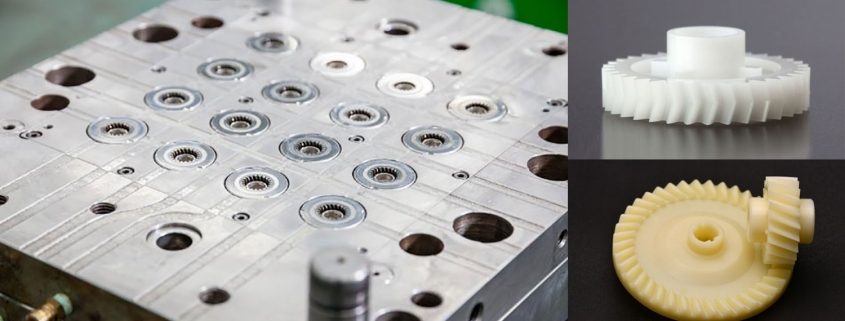
Plastic gears offer several advantages when used in machinery. Here’s a detailed explanation of the advantages of using plastic gears:
- Lightweight: Plastic gears are significantly lighter in weight compared to metal gears. This lightweight characteristic is particularly beneficial in applications where weight reduction is important, as it can contribute to energy efficiency, lower inertia, and reduced wear on supporting components.
- Low Noise and Vibration: Plastic gears have inherent damping properties, which help reduce noise and vibration levels during operation. The ability to absorb and dissipate vibrations leads to quieter machinery, making plastic gears suitable for applications where noise reduction is desired, such as in consumer electronics or office equipment.
- Corrosion Resistance: Certain plastic materials used in gear manufacturing exhibit excellent resistance to corrosion and chemicals. This makes plastic gears suitable for applications in corrosive environments, where metal gears may suffer from degradation or require additional protective coatings.
- Self-Lubrication: Some plastic materials used for gear manufacturing have self-lubricating properties. These materials can reduce friction and wear between gear teeth, eliminating the need for external lubrication. Self-lubricating plastic gears can simplify maintenance requirements and reduce the risk of lubricant contamination or leakage in machinery.
- Cost-Effective: Plastic gears can be more cost-effective compared to metal gears, especially in large-scale production. Plastic materials are often less expensive than metals, and the manufacturing processes for plastic gears can be more efficient, resulting in lower overall production costs. This cost advantage makes plastic gears an attractive option for applications where budget considerations are important.
- Design Flexibility: Plastic gears offer greater design flexibility compared to metal gears. Plastic materials can be easily molded into complex shapes, allowing for the creation of custom gear profiles and tooth geometries. This design flexibility enables gear optimization for specific applications, improving performance, efficiency, and overall machinery design.
- Electrical Insulation: Plastic gears provide electrical insulation properties, which can be advantageous in machinery where electrical or electronic components are in close proximity to the gears. The electrical insulation helps prevent the risk of electrical short circuits or interference caused by metal gears coming into contact with conductive parts.
It’s important to note that while plastic gears offer unique advantages, they also have limitations. They may not be suitable for applications requiring extremely high torque, high temperatures, or where precise positioning is critical. The selection of plastic gears should consider the specific requirements of the machinery and the mechanical properties of the chosen plastic material.


editor by CX 2024-01-05