China manufacturer High Quality Differential Bevel Gear Assembly cycle gear
Product Description
High Quality Differential Bevel Gear Assembly
| Mechanical Equipment parts Bevel Gears
Bevel gears are useful when the direction of a shaft’s rotation needs to be changed. They are usually mounted on shafts that are 90 degrees apart, but can be designed to work at other angles as well.The teeth on bevel gears can be straight, spiral or hypoid. Straight bevel gear teeth actually have the same problem as straight spur gear teeth — as each tooth engages, it impacts the corresponding tooth all at once |
||
|
High quality gear supplier 1.precise manufacturing processes and strict quality control, our factory can create excellent quality. |
||
|
Tolerance |
0.003mm-0.01mm |
|
|
Surface finish |
Based on customer requirements, we can do Plating(Zinc plated, Nickel plated, Chrome plated,etc), polishing(precision can reach +/-0.005mm), knurling, anodizing, Black Oxide, heat treatment, sandblasting, powder coating, etc. |
|
|
Precision processing |
turning, milling, drilling, grinding, wire-EDM cutting etc |
|
|
Material range |
Metal: Stainless Steel, Brass,Copper, Brozone, Aluminum, Steel, Carbon Steel etc. |
|
|
Plastic : PU, PVC, POM, PMMA, Nylon ,HDPE etc. |
||
|
QC(inspection everywhere)
|
– Technicians self-check in production |
|
|
– Engineer spot check in production. |
||
|
– QC inspect after products finished |
||
|
– International sales who were trained the technical know-how spot check before shipping to ensure the quality. |
||
|
MOQ |
1-100pcs |
|
|
Payment |
30% in advance, 70% before shipment |
|
| Industry application |
Appliance/ Automotive/ Agricultural Electronics/ Industrial/ Marine Mining/ Hydraulics/ Valves Oil and Gas/ Electrical/ Construction |
|
| Model | Gear ratio | Module | No. of teeth | Diraction of spiral | Shape | Bore | Hub dia. | Pitch dia. | Outside Dia. | Mounting distance | Total lemgth | crown to back length |
| AH7 | B | C | D | E | F | G | ||||||
| TBGG2-3571R | 1.5 | m2 | 30 | R | B4 | 12 | 35 | 60 | 61.06 | 40 | 26.60 | 21.20 |
| TBGG2-2030L | 20 | L | B3 | 10 | 30 | 40 | 43.55 | 45 | 24.91 | 16.18 | ||
| TBGG2.5-3571R | m2.5 | 30 | R | B4 | 15 | 45 | 75 | 77.09 | 50 | 33.86 | 26.56 | |
| TBGG2.5-2030L | 20 | L | B3 | 12 | 40 | 50 | 54.43 | 55 | 30.88 | 18.98 | ||
| TBGG3-3571R | m3 | 30 | R | B4 | 16 | 50 | 90 | 92.21 | 50 | 35.34 | 26.66 | |
| TBGG3-2030L | 20 | L | B3 | 16 | 40 | 60 | 65.58 | 70 | 40.17 | 26.86 | ||
| TBGG4-3571R | m4 | 30 | R | B4 | 20 | 70 | 120 | 122.85 | 75 | 47.48 | 37.14 | |
| TBGG4-2030L | 20 | L | B3 | 20 | 60 | 80 | 87.34 | 90 | 48.17 | 32.45 | ||
| TBGG2-4571R | 2 | m2 | 40 | R | B4 | 12 | 40 | 80 | 80.99 | 40 | 32.26 | 25.99 |
| TBGG2-2040L | 20 | L | B3 | 12 | 32 | 40 | 40.10 | 60 | 34.04 | 21.02 | ||
| TBGG2.5-4571R | m2.5 | 40 | R | B4 | 15 | 50 | 100 | 101.27 | 55 | 39.65 | 31.27 | |
| TBGG2.5-2040L | 20 | L | B3 | 12 | 40 | 50 | 55.21 | 75 | 43.61 | 26.30 | ||
| TBGG3-4571R | m3 | 40 | R | B4 | 20 | 60 | 120 | 121.48 | 65 | 45.76 | 36.48 | |
| TBGG3-2040L | 20 | L | B3 | 16 | 50 | 60 | 66.06 | 90 | 50.63 | 31.52 | ||
| TBGG4-4571R | m4 | 40 | R | B4 | 20 | 70 | 160 | 162.07 | 80 | 53.69 | 42.07 | |
| TBGG4-2040L | 20 | L | B3 | 20 | 60 | 80 | 88.55 | 120 | 66.24 | 42.12 | ||
| TBGG2-4515R | 3 | m2 | 45 | R | B4 | 12 | 40 | 90 | 96.67 | 40 | 30.29 | 26.01 |
| TBGG2-1545L | 15 | L | B3 | 10 | 24 | 30 | 34.78 | 60 | 29.66 | 15.80 | ||
| TBGG2.5-4515R | m2.5 | 45 | R | B4 | 15 | 50 | 112.7 | 113.32 | 50 | 28.25 | 32.47 | |
| TBGG2.5-1545L | 15 | L | B3 | 12 | 30 | 37.5 | 43.36 | 75 | 38.27 | 19.73 | ||
| TBGG3-4515R | m3 | 45 | R | B4 | 20 | 60 | 135 | 135.99 | 55 | 40.59 | 33.98 | |
| TBGG3-1545L | 15 | L | B3 | 15 | 38 | 45 | 52.08 | 90 | 44.98 | 23.68 |
HangZhou HUANBALL Professional custom and design precision machined parts. We provide custom complete turnkey precision machining solutions to thousands of customers in diverse markets throughout the world, including medical, automotive, marine, aerospace, defense, precision instrument, home appliance, electronics, machinery, oil & gas, sensors and more.
We offer customized precision machining service and solutions that help customers meet strict operational demands.Serving a CHINAMFG customer base, we do this with:
1*Over 100 full time engineers & workers on staff to optimize efficiency and cost saving
2*Extensive testing to get the sample and mass production right the first time
3*Comprehensive in-house capabilities to meet all customer needs
4*Over 30,000 square CHINAMFG of manufacturing plant
5*Expert design and development for all custom precision machining parts
6*To better control the quality of the customized parts, we’ve invested substantially in equipment, facilities, and training. Our investments enable us to deliver every order according to specification – on time and on budget.
==================================== FAQ ======================================
1) Q: I haven’t done business with you before, how can i trust your company?
A: Our company are made-in-china CHINAMFG supplier and passed Field certification by made-in-china. What’s more,we’ve got authority certificates for ISO9001.
2) Q: How is quality ensured?
A: All our processes strictly adhere to ISO9001:2008 procedures, we have strict quality control from producing to delivery,100% inspection by professional testing centre. Small samples could be provided to you for testing.
3) Q: Can i get 1 or more samples?
A: Yes, sample orders welcomed.
4) Q: Do you give any discounts?
A: Yes, we’ll surely try my best to help you get the best price and best service at the same time.
5) Q: How to Custom-made(OEM/ODM)?
A: Please send you product drawings or samples to us if you have, and we can custom-made as you requirements.We will also provide professional advices of the products to make the design to be maximize the performance.
/* March 10, 2571 17:59:20 */!function(){function s(e,r){var a,o={};try{e&&e.split(“,”).forEach(function(e,t){e&&(a=e.match(/(.*?):(.*)$/))&&1
| Application: | Motor, Electric Cars, Motorcycle, Machinery, Marine, Toy, Agricultural Machinery, Car, Printing Machine,Cooling Tower,Power Plant |
|---|---|
| Hardness: | Hardened Tooth Surface |
| Gear Position: | Bevel Gear |
| Manufacturing Method: | Cut Gear |
| Toothed Portion Shape: | Bevel Gear |
| Material: | Stainless Steel, Brass,Copper, Brozone, Aluminum, |
| Samples: |
US$ 50/Piece
1 Piece(Min.Order) | |
|---|
| Customization: |
Available
| Customized Request |
|---|
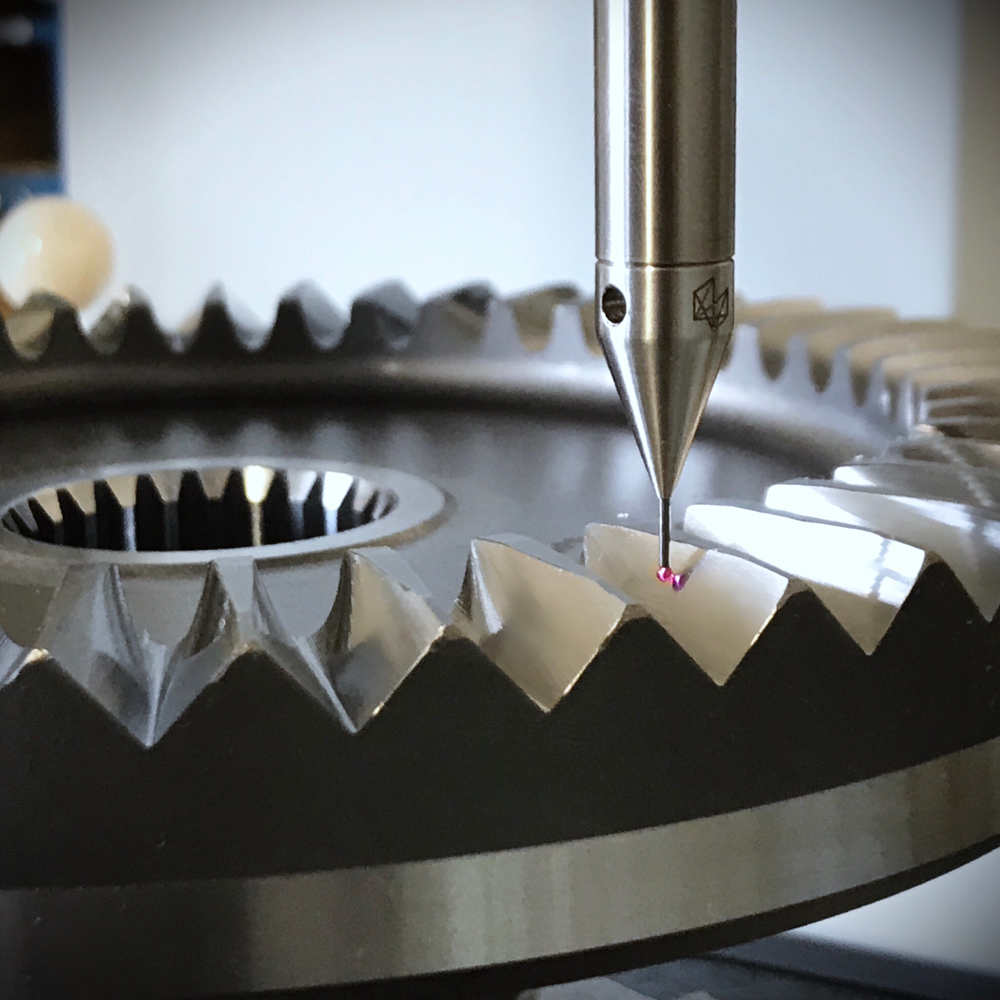
What are the considerations for lubrication and maintenance of crown gears?
Proper lubrication and maintenance are essential for the optimal performance and longevity of crown gears. Let’s explore the key considerations for lubrication and maintenance of crown gears:
- Lubrication:
Effective lubrication is crucial for reducing friction, minimizing wear, and preventing damage to crown gears. Consider the following aspects of lubrication:
- Lubricant Selection: Choose an appropriate lubricant based on the operating conditions, gear material, and load requirements. The lubricant should have the necessary viscosity, additives, and compatibility with the gear material.
- Proper Application: Apply the lubricant evenly to ensure proper coverage of all gear teeth surfaces. Follow the manufacturer’s guidelines or equipment specifications for the recommended lubrication interval and quantity.
- Regular Inspections: Regularly inspect the lubrication condition of the crown gears to ensure that they are adequately lubricated. Monitor the lubricant level and quality, and replenish or replace the lubricant as needed.
- Maintenance:
Regular maintenance helps identify and address any issues or potential problems with crown gears. Consider the following maintenance practices:
- Visual Inspection: Perform routine visual inspections to check for any signs of wear, damage, or misalignment. Look for chipped or broken teeth, excessive wear patterns, or any abnormalities that may affect gear performance.
- Alignment Checks: Periodically check the alignment of crown gears to ensure they are properly aligned. Misalignment can lead to increased wear, noise, and reduced efficiency. Adjust the gears if necessary to maintain the correct alignment.
- Load Monitoring: Monitor the load on the crown gears to prevent overloading and premature gear failure. Ensure that the gears are not subjected to excessive loads beyond their design capabilities.
- Proactive Repairs: Address any identified issues promptly. Repair or replace damaged or worn-out crown gears to prevent further damage to the gear system and maintain optimal performance.
- Record Keeping: Maintain a record of lubrication schedules, maintenance activities, and any observed issues or repairs. This record can help track the maintenance history and aid in future maintenance planning.
By following proper lubrication practices and conducting regular maintenance, crown gears can operate efficiently, minimize wear, reduce the risk of failures, and extend their lifespan. It is advisable to consult equipment manufacturer guidelines and recommendations for specific lubrication and maintenance requirements based on the gear system design and operating conditions.
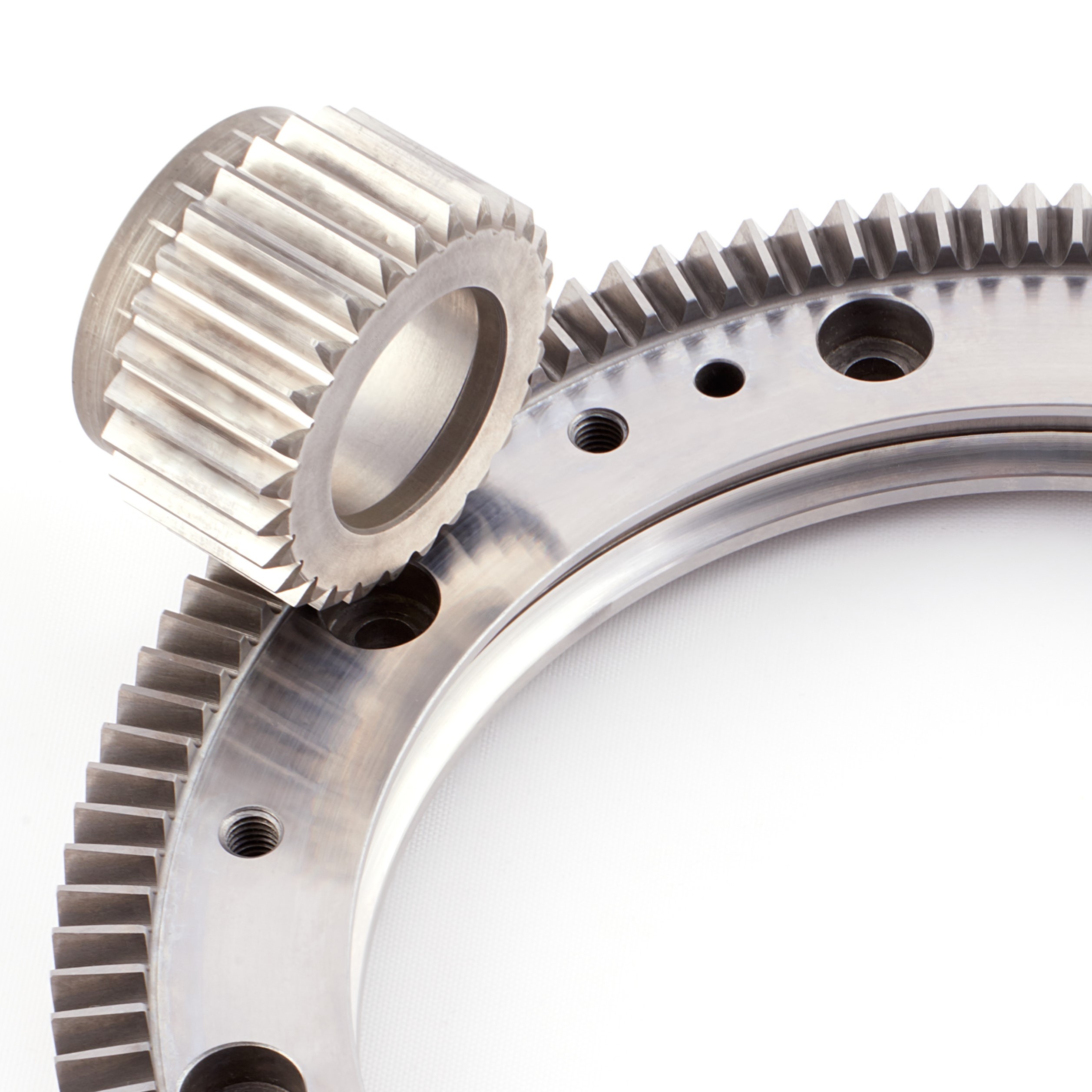
How do crown gears contribute to power distribution in gear arrangements?
Crown gears play a significant role in power distribution within gear arrangements, ensuring efficient and balanced transmission of power. Let’s explore how crown gears contribute to power distribution:
- Load Sharing:
Crown gears are often used in gear arrangements where multiple gears are present. In such arrangements, crown gears help distribute the power load among the gears. By sharing the load, each gear experiences a reduced load compared to if it were to carry the entire power load alone. This load sharing capability helps prevent overloading and excessive stress on individual gears, promoting more reliable and efficient power distribution.
- Equal Torque Transfer:
Crown gears facilitate equal torque transfer among interconnected gears. When a crown gear meshes with another gear, the torque applied to the crown gear is transmitted to the meshing gear. Due to their tooth orientation and large contact area, crown gears enable a more uniform distribution of torque, ensuring that the torque is evenly transferred from one gear to another. This balanced torque distribution helps maintain smooth operation and prevent gear failures due to torque overload.
- Elimination of Backlash:
Crown gears help reduce or eliminate backlash in gear arrangements. Backlash refers to the slight clearance or play between the teeth of meshing gears. It can cause inaccuracies, vibrations, and noise in the system. Crown gears, with their perpendicular tooth orientation and optimized meshing characteristics, minimize backlash and ensure a tight and precise engagement between gears. This tight meshing eliminates power losses associated with backlash and contributes to more efficient power distribution.
- Better Load Distribution:
Due to their curved tooth profile and larger contact area, crown gears provide improved load distribution across the gear teeth. When power is transmitted through crown gears, the load is distributed over a greater number of teeth compared to other gear types. This even load distribution results in reduced stress concentrations on individual teeth, enhancing the gear’s load-carrying capacity and promoting uniform power distribution throughout the gear arrangement.
- Enhanced System Efficiency:
By facilitating load sharing, equal torque transfer, backlash elimination, and improved load distribution, crown gears contribute to enhanced system efficiency. The balanced power distribution achieved through crown gears helps minimize power losses, reduce energy wastage, and optimize the overall efficiency of the gear arrangement. This improved efficiency translates into better performance, reduced energy consumption, and increased productivity in various mechanical systems.
In summary, crown gears contribute to power distribution in gear arrangements through load sharing, equal torque transfer, elimination of backlash, better load distribution, and enhanced system efficiency. These characteristics make crown gears an integral part of gear systems, ensuring reliable and efficient power transmission in a wide range of applications.
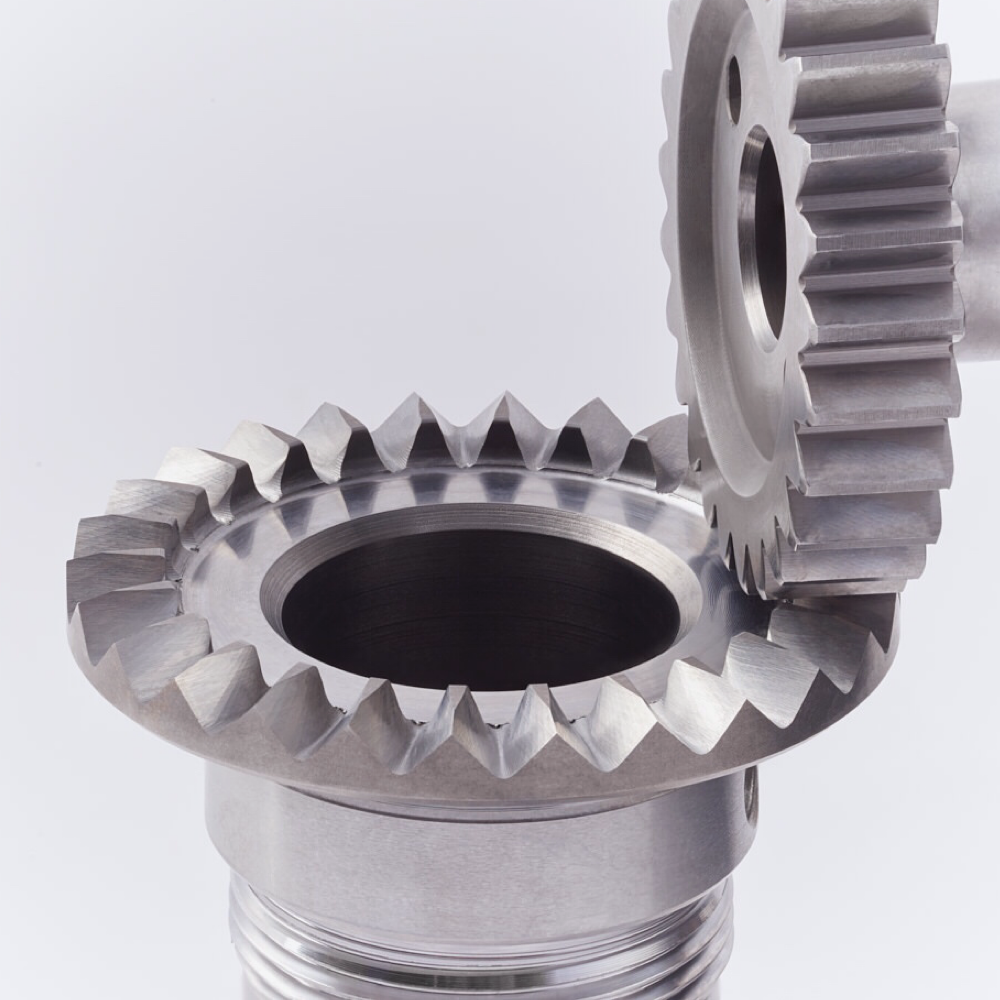
How does a crown gear differ from other types of gears?
A crown gear, also known as a contrate gear or a contrate wheel, has distinct characteristics that set it apart from other types of gears. Let’s explore the key differences between a crown gear and other gears:
- Tooth Orientation:
One of the primary differences is the tooth orientation. In a crown gear, the teeth are positioned perpendicular to the gear’s face. This is in contrast to other gears, such as spur gears or bevel gears, where the teeth are parallel or at an angle to the gear’s axis. The perpendicular tooth arrangement of a crown gear allows for specific functionalities in mechanical systems.
- Directional Change:
A significant advantage of crown gears is their ability to change the direction of rotation in a mechanical system. By meshing with other gears, crown gears can redirect rotational motion by 90 degrees. This directional change capability is particularly useful in applications where a change in motion direction is required, such as conveyors, cranes, and other machinery.
- Meshing with Different Gear Types:
Crown gears can mesh with gears that have parallel axes or bevel gears with intersecting axes. This versatility allows crown gears to work in conjunction with other gear types, enabling torque and rotational motion transfer between them. The perpendicular tooth orientation of crown gears facilitates smooth meshing with these different gear configurations.
- Force Distribution:
Another distinguishing feature of crown gears is their ability to distribute forces and torques in mechanical systems. By meshing a crown gear with other gears, the load can be spread across a larger contact area. This distribution of forces helps reduce stress and wear on individual gear teeth, promoting smoother operation and improved durability of the gear system.
- Applications:
Crown gears find applications in various industries due to their unique characteristics. They are commonly used in steering mechanisms, such as rack and pinion systems in automotive applications, where the crown gear meshes with a rack to convert rotational motion into linear motion for precise steering control. Crown gears are also employed in automation and robotics for motion control mechanisms, enabling changes in motion direction and force distribution in robotic arms, gantry systems, and other automated equipment.
In summary, a crown gear differs from other types of gears primarily in its tooth orientation, ability to change motion direction, versatility in meshing with different gear types, and force distribution capabilities. These distinctions make crown gears suitable for specific applications where directional change, force distribution, and precise motion control are required.


editor by CX 2024-01-05