China Good quality CNC Machining Steel Swing Pinion Worm Gear Screw Shaft Helical Gear Rack Double Spur Gear OEM Fabrication Service bevel gearbox
Product Description
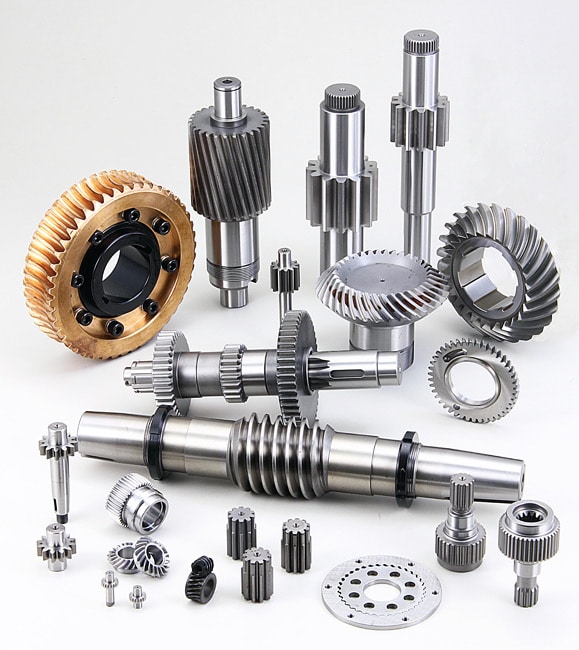
CNC Machining Steel Swing Pinion Worm Gear Screw Shaft Helical Gear Rack
Double Spur Gear OEM Fabrication Service
| Material | 1) Aluminum: AL 6061-T6, 6063, 7075-T etc. |
| 2) Stainless steel: 303, 304, 316L, 17-4(SUS630) etc. | |
| 3) Steel: 4140, Q235, Q345B, 20#, 45# etc. | |
| 4) Titanium: TA1, TA2/GR2, TA4/GR5, TC4, TC18 etc. | |
| 5) Brass: C36000 (HPb62), C37700 (HPb59), C26800 (H68), C22000(H90) etc. | |
| 6) Copper, Bronze, Magnesium alloy, Delrin, POM, Acrylic, PC, etc. | |
| Finsh | Sandblasting, Anodize color, Blackenning, Zinc/Nickl Plating, Polish. |
| Power coating, Passivation PVD, Titanium Plating, Electrogalvanizing. | |
| Electroplating chromium, Electrophoresis, QPQ(Quench-Polish-Quench). | |
| Electro Polishing, Chrome Plating, Knurl, Laser etch Logo, etc. | |
| Main Equipment | CNC machining center(Milling), CNC Lathe, Grinding machine. |
| Cylindrical grinder machine, Drilling machine, Laser cutting machine, etc. | |
| Drawing format | STEP, STP, GIS, CAD, PDF, DWG, DXF etc or samples. |
| Tolerance | +/-0.01mm ~ +/-0.05mm |
| Surface roughness | Ra 0.1~3.2 |
| Inspection | Complete inspection lab with Micrometer, Optical Comparator, Caliper Vernier, CMM. |
| Depth Caliper Vernier, Universal Protractor, Clock Gauge, Internal Centigrade Gauge. | |
| Capacity | CNC turning work range: φ0.5mm-φ150mm*300mm. |
| CNC milling work range: 510mm*1571mm*500mm. |
About Runsom
Runsom, a company specializing in rapid prototyping and manufacturing, has decades of experience in
CNC machining, 3D printing, injection molding, sheet metal fabrication, and die casting. Our engineering
team with extensive knowledge and experience utilizes the latest prototyping technologies and top-notch
machining equipment to provide comprehensive services to satisfy global customers’ requirements,
timescales, and specific needs. We are able to take your concepts or designs to reality production in just
days with our advanced machining technologies, extensive manufacturing experience, and a wealth of
premium materials.
Our Mission
Runsom Precision was established to give support to companies in the industries fields who continually
need to reduce their costs and meet tight deadlines. Our purpose is to ensure customer satisfaction by
providing first-class project management control and problem-free products.
Get a Quote
Q1: What’s kinds of information you need for quote?
A1: Kindly please provide the 2D/3D drawings (PDF/DWG/DXF/IGS/STP/SLDPRT/etc) and advise material
, finish, quantity for quoting.
Q2: What is your MOQ?
A2: MOQ depends on our client’s needs, besides, we welcome trial order before mass-production.
Q3: What is the lead time?
A3: Depending on your specific project and quantity.
Q4: Available for customized design drawings?
A4: Yes, please send the technical drawings to us. It’s better if you can send both 2D and 3D drawings if
you have.
Q5: If the parts we purchase from your company are not good, what can we do?
A5: Please feel free to contact us after you got the products. Kindly send us some photos, we will
feedback to our engineers and QC departments and solve the problems ASAP.
Q6: Are you a manufacturer or trading company?
A6: We are a manufacturer, we are located in HangZhou, China.
Q7: Will my drawings be safe after sending to you?
A7: Yes, we will keep them well and not release to third party without your permission.
/* January 22, 2571 19:08:37 */!function(){function s(e,r){var a,o={};try{e&&e.split(“,”).forEach(function(e,t){e&&(a=e.match(/(.*?):(.*)$/))&&1
| Application: | Motor, Electric Cars, Motorcycle, Machinery, Marine, Toy, Agricultural Machinery, Car, Auto,Motorcycle,Aviation,Electonic,Medical,Home |
|---|---|
| Hardness: | According to The Drawing |
| Gear Position: | According to The Drawing |
| Manufacturing Method: | Machining,Milling,Turning,5axis,etc |
| Toothed Portion Shape: | Custom |
| Material: | Aluminum,Steel,Brass,Hardware,etc |
| Samples: |
US$ 5/Piece
1 Piece(Min.Order) | |
|---|
| Customization: |
Available
| Customized Request |
|---|
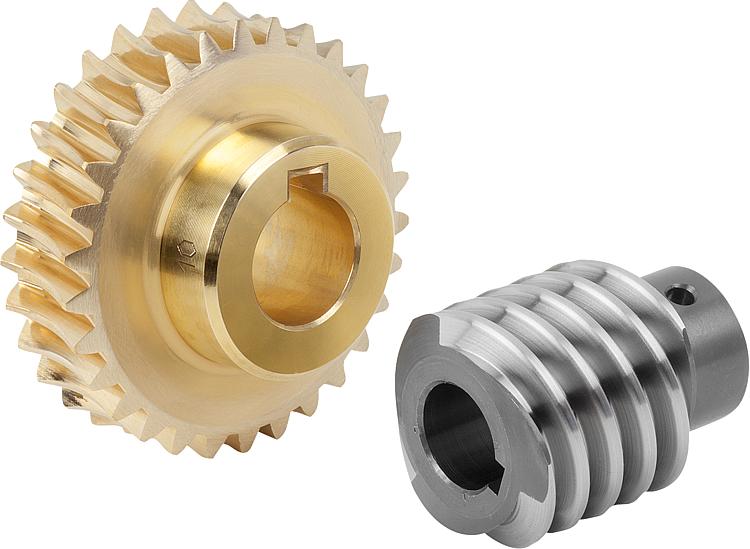
Are worm gears suitable for high-torque applications?
Worm gears are indeed well-suited for high-torque applications. Here’s a detailed explanation of why worm gears are suitable for high-torque applications:
Worm gears are known for their ability to provide significant speed reduction and torque multiplication. They consist of a threaded cylindrical gear, called the worm, and a toothed wheel, called the worm wheel or worm gear. The interaction between the worm and the worm wheel enables the transmission of motion and torque.
Here are the reasons why worm gears are suitable for high-torque applications:
- High gear reduction ratio: Worm gears offer high gear reduction ratios, typically ranging from 20:1 to 300:1 or even higher. The large reduction ratio allows for a significant decrease in rotational speed while multiplying the torque output. This makes worm gears effective in applications that require high levels of torque.
- Self-locking capability: Worm gears possess a unique self-locking property, which means they can hold position and prevent backdriving without the need for additional braking mechanisms. The angle of the worm thread creates a mechanical advantage that resists reverse rotation of the worm wheel, providing excellent self-locking characteristics. This self-locking capability makes worm gears ideal for applications where holding the load in place is crucial, such as in lifting and hoisting equipment.
- Sturdy and robust design: Worm gears are typically constructed with durable materials, such as steel or bronze, which offer high strength and resistance to wear. This robust design enables them to handle heavy loads and transmit substantial torque without compromising their performance or longevity.
- High shock-load resistance: Worm gears exhibit good resistance to shock loads, which are sudden or intermittent loads that exceed the normal operating conditions. The sliding contact between the worm and the worm wheel teeth allows for some degree of shock absorption, making worm gears suitable for applications that involve frequent or unexpected high-torque impacts.
- Compact and space-efficient: Worm gears have a compact design, making them space-efficient and suitable for applications where size is a constraint. The compactness of worm gears allows for easy integration into machinery and equipment, even when there are spatial limitations.
It’s important to consider that while worm gears excel in high-torque applications, they may not be suitable for high-speed applications. The sliding contact between the worm and the worm wheel generates friction, which can lead to heat generation and reduced efficiency at high speeds. Therefore, worm gears are typically preferred in low to moderate speed applications where high torque output is required.
When selecting a worm gear for a high-torque application, it’s important to consider the specific torque requirements, operating conditions, and any additional factors such as speed, efficiency, and positional stability. Proper sizing, lubrication, and maintenance are also crucial to ensure optimal performance and longevity in high-torque applications.
What are the potential challenges in designing and manufacturing worm gears?
Designing and manufacturing worm gears can present several challenges due to their unique characteristics and operating conditions. Here’s a detailed explanation of the potential challenges involved:
- Complex geometry: Worm gears have complex geometry with helical threads on the worm shaft and corresponding teeth on the worm wheel. Designing the precise geometry of the gear teeth, including the helix angle, lead angle, and tooth profile, requires careful analysis and calculation to ensure proper meshing and efficient power transmission.
- Gear materials and heat treatment: Selecting suitable materials for worm gears is critical to ensure strength, wear resistance, and durability. The materials must have good friction and wear properties, as well as the ability to withstand the sliding and rolling contact between the worm and the worm wheel. Additionally, heat treatment processes such as carburizing or induction hardening may be necessary to enhance the gear’s surface hardness and improve its load-carrying capacity.
- Lubrication and cooling: Worm gears operate under high contact pressures and sliding velocities, resulting in significant heat generation and lubrication challenges. Proper lubrication is crucial to reduce friction, wear, and heat buildup. Ensuring effective lubricant distribution to all contact surfaces, managing lubricant temperature, and providing adequate cooling mechanisms are important considerations in worm gear design and manufacturing.
- Backlash control: Controlling backlash, which is the clearance between the worm and the worm wheel, is crucial for precise motion control and positional accuracy. Designing the gear teeth and adjusting the clearances to minimize backlash while maintaining proper tooth engagement is a challenge that requires careful consideration of factors such as gear geometry, tolerances, and manufacturing processes.
- Manufacturing accuracy: Achieving the required manufacturing accuracy in worm gears can be challenging due to their complex geometry and tight tolerances. The accurate machining of gear teeth, maintaining proper tooth profiles, and achieving the desired surface finish require advanced machining techniques, specialized tools, and skilled operators.
- Noise and vibration: Worm gears can generate noise and vibration due to the sliding contact between the gear teeth. Designing the gear geometry, tooth profiles, and surface finishes to minimize noise and vibration is a challenge. Additionally, the selection of appropriate materials, lubrication methods, and gear housing design can help reduce noise and vibration levels.
- Efficiency and power loss: Worm gears inherently have lower efficiency compared to other types of gear systems due to the sliding contact and high gear ratios. Minimizing power loss and improving efficiency through optimized gear design, material selection, lubrication, and manufacturing accuracy is a challenge that requires careful balancing of various factors.
- Wear and fatigue: Worm gears are subjected to high contact stresses and cyclic loading, which can lead to wear, pitting, and fatigue failure. Designing the gear teeth for proper load distribution, selecting appropriate materials, and applying suitable surface treatments or coatings are essential to mitigate wear and fatigue issues.
- Cost considerations: Designing and manufacturing worm gears can be cost-intensive due to the complexity of the gear geometry, material requirements, and precision manufacturing processes. Balancing performance requirements with cost considerations is a challenge that requires careful evaluation of the gear’s intended application, performance expectations, and budget constraints.
Addressing these challenges requires a comprehensive understanding of gear design principles, manufacturing processes, material science, and lubrication technologies. Collaboration between design engineers, manufacturing experts, and material specialists is often necessary to overcome these challenges and ensure the successful design and production of high-quality worm gears.
How do you install a worm gear system?
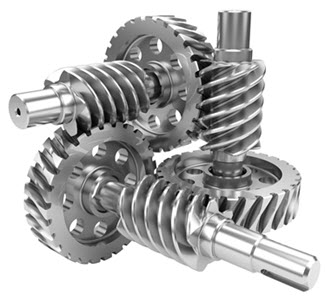
Installing a worm gear system requires careful attention to ensure proper alignment, lubrication, and secure mounting. Here are the general steps involved in installing a worm gear system:
- Prepare the components: Before installation, ensure that all the components of the worm gear system, including the worm, worm wheel, bearings, and housing, are clean and free from any contaminants or damage. Inspect the components for any signs of wear or defects.
- Check alignment: Verify that the mating surfaces of the worm and worm wheel are clean and free from any debris. Ensure that the gear teeth mesh properly and that there is no excessive backlash or misalignment. Make any necessary adjustments or repairs before proceeding with the installation.
- Apply lubrication: Lubricate the worm gear system according to the manufacturer’s recommendations. Select a suitable lubricant that provides sufficient lubrication and reduces friction between the worm and worm wheel during operation. Apply the lubricant evenly to the gear teeth and other contact surfaces.
- Mounting: Position the worm gear system in the desired location, taking into account any space constraints or mounting requirements. Use appropriate fasteners, such as bolts or screws, to securely attach the system to the surrounding structure or base. Ensure that the mounting surfaces are clean, flat, and able to withstand the forces and loads exerted by the gear system.
- Alignment and adjustment: Once the worm gear system is mounted, check the alignment again and make any necessary adjustments. Ensure that the worm and worm wheel are properly engaged and that there is no excessive play or binding. Pay attention to any specified alignment tolerances provided by the manufacturer.
- Testing and operation: After installation, conduct a thorough functional test of the worm gear system. Verify that it operates smoothly, without unusual noise or vibration. Check for proper engagement of the gear teeth and ensure that the system performs as intended under different load conditions. Monitor the system’s performance during initial operation and address any issues or abnormalities promptly.
It’s important to follow the specific installation instructions provided by the gear system manufacturer. Different worm gear designs and applications may have additional installation requirements or considerations that should be taken into account.
Proper installation of a worm gear system ensures its reliable operation, minimizes wear, and maximizes its lifespan. If you are unsure about any aspect of the installation process, it is recommended to consult the manufacturer or seek the assistance of a qualified professional.


editor by CX 2024-03-26