China Professional Worm Gear Screw Lifter Electric Screw Jack Mechanism, Gear Screw Jack raw gear
Product Description
1.Convenient to adjust
2.Wide range of ratio
3.Easy to install
4.high torque
Application Industries:
Our SWL series screw jacks are widely used in the industries such as metallurgy,mining,hoisting and transportation, electrical
power,energy source,constrction and building material,light industry and traffice industry
Product Parameters
|
Type |
Model |
Screw thread size |
Max |
Max |
Weight without stroke |
Screw weight |
|
SWL Screw jack |
SWL2.5 |
Tr30*6 |
25 |
25 |
7.3 |
0.45 |
|
SWL5 |
Tr40*7 |
50 |
50 |
16.2 |
0.82 |
|
|
SWL10/15 |
Tr58*12 |
100/150 |
99 |
25 |
1.67 |
|
|
SWL20 |
Tr65*12 |
200 |
166 |
36 |
2.15 |
|
|
SWL25 |
Tr90*16 |
250 |
250 |
70.5 |
4.15 |
|
|
SWL35 |
Tr100*18 |
350 |
350 |
87 |
5.20 |
|
|
SWL50 |
Tr120*20 |
500 |
500 |
420 |
7.45 |
|
|
SWL100 |
Tr160*23 |
1000 |
1000 |
1571 |
13.6 |
|
|
SWL120 |
Tr180*25 |
1200 |
1200 |
1350 |
17.3 |
|
1.Compact structure,Small size.Easy mounting,varied types. Can be applied in 1 unit or multiple units. |
||||
|
2.High reliability.Long service life; With the function of ascending,descending,thrusting,overturning |
||||
|
3.Wide motivity.It can be drived by electrical motor and manual force. |
||||
|
4.It is usually used in low speed situation,widely used in the fields of |
Detailed Photos
|
1. screw rod |
2. nut bolt |
3. cover |
4.Skeleton oil seal |
5.Bearing |
|
6.Worm gear |
7.Oil filling hole |
8.Case |
9.Skeleton oil seal |
10.Cover |
|
11. nut bolt |
12.Bearing |
13.Skeleton oil seal |
14.Bearing |
15.worm |
|
16.Flat key |
17.Bearing |
18.Skeleton oil seal |
19.Cover |
20.Nut bolt |
Product Description
Packaging & Shipping
Company Profile
/* January 22, 2571 19:08:37 */!function(){function s(e,r){var a,o={};try{e&&e.split(“,”).forEach(function(e,t){e&&(a=e.match(/(.*?):(.*)$/))&&1
| Standard or Nonstandard: | Nonstandard |
|---|---|
| Application: | Textile Machinery, Garment Machinery, Conveyer Equipment, Electric Cars, Motorcycle, Food Machinery, Marine, Mining Equipment, Agricultural Machinery, Car, Power Transmission, Automatic Equipment |
| Customized Support: | OEM, ODM, Obm |
| Brand Name: | Beiji or Customized |
| Certificate: | ISO9001:2008 |
| Structures: | Worm Gear and Worm |
| Samples: |
US$ 50/Piece
1 Piece(Min.Order) | |
|---|
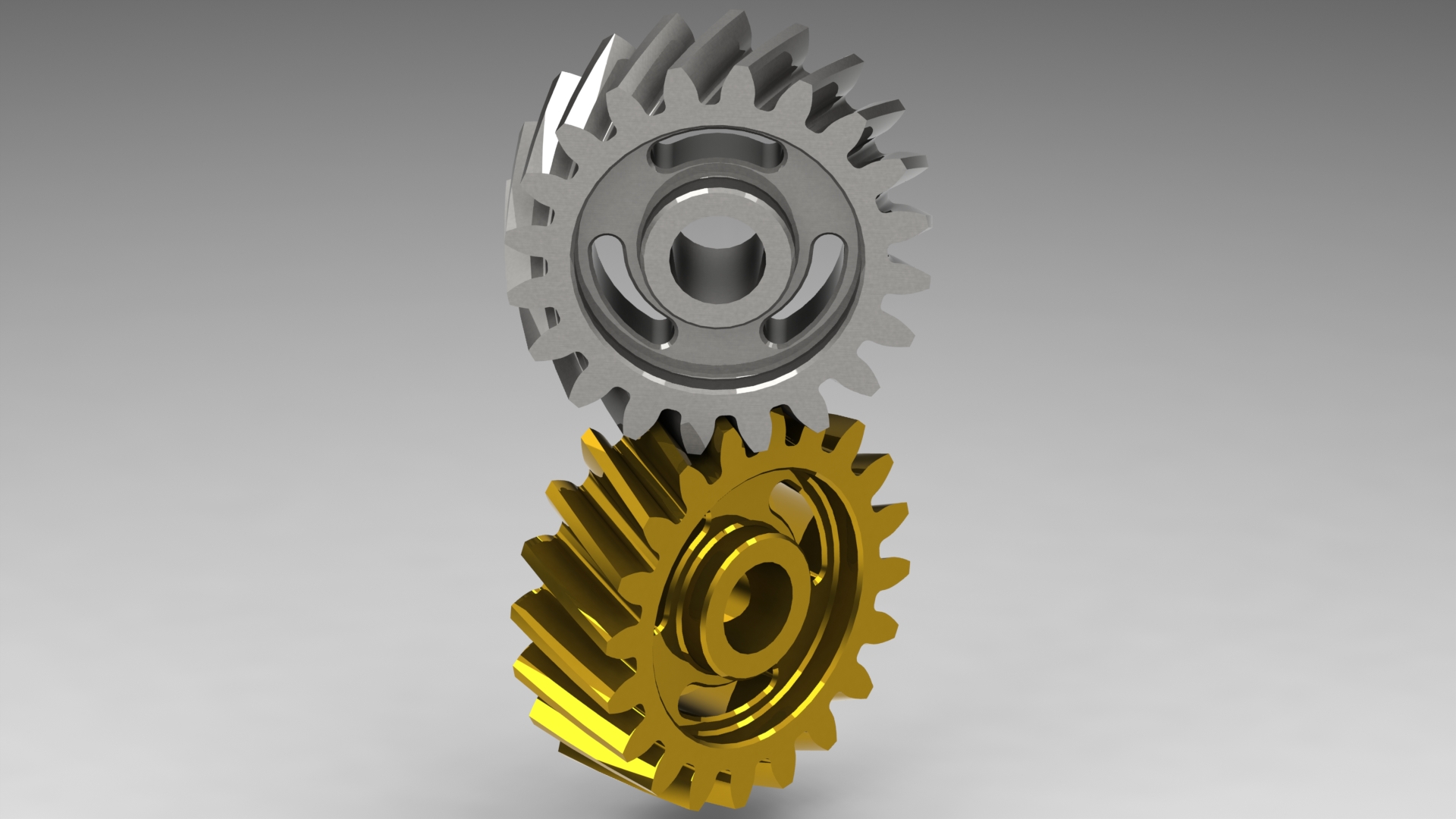
How do you prevent backlash and gear play in a screw gear mechanism?
Preventing backlash and gear play in a screw gear mechanism is crucial to ensure accurate and efficient operation. Backlash refers to the clearance or play between the mating teeth of the worm gear and the worm wheel. Excessive backlash can lead to reduced accuracy, vibrations, and inefficient power transmission. Here’s a detailed explanation of how to prevent backlash and gear play in a screw gear mechanism:
- Precision Manufacturing: Proper manufacturing techniques are essential to minimize backlash in a screw gear mechanism. Precise machining processes and tight manufacturing tolerances help ensure accurate gear tooth profiles, proper gear meshing, and minimal clearance between the mating teeth. CNC (Computer Numerical Control) machining and gear hobbing are commonly used to achieve high precision in screw gear manufacturing.
- Proper Gear Design: The design of the screw gear mechanism should take into account factors that affect backlash, such as tooth profile, tooth engagement, and gear meshing. The tooth profile should be carefully designed to optimize the contact pattern and minimize clearance. Additionally, the selection of appropriate gear dimensions, such as the number of threads and tooth lead angle, can help reduce the potential for backlash.
- Preload: Applying a preload to the screw gear mechanism can help minimize backlash and gear play. Preload involves applying a slight axial force to the worm gear, which reduces the clearance between the teeth of the worm gear and the worm wheel. This preload eliminates the play and ensures a tight meshing between the gears. Proper preload is essential to prevent excessive friction and to ensure smooth operation without causing excessive wear or power losses.
- Backlash Compensation: In some applications, where precise positioning is critical, backlash compensation mechanisms can be employed. These mechanisms use additional components, such as springs or adjustable shims, to compensate for any inherent backlash in the screw gear mechanism. The compensation mechanism helps maintain accurate positioning by counteracting the effects of clearance and play.
- Quality Lubrication: Adequate lubrication is essential for minimizing friction and reducing the potential for backlash. The lubricant forms a film between the mating teeth, reducing direct metal-to-metal contact and cushioning any clearance. Proper lubrication selection, including the choice of lubricant type and viscosity, is crucial to ensure optimal performance and to minimize wear and tear.
- Maintenance and Inspection: Regular maintenance and inspection are essential to prevent and identify backlash in a screw gear mechanism. Routine checks should be performed to ensure proper lubrication, detect any signs of wear or damage, and verify the gear meshing. If backlash is detected, it should be addressed promptly by adjusting the preload or implementing necessary corrective measures.
By employing these preventive measures, engineers and technicians can minimize backlash and gear play in a screw gear mechanism, ensuring accurate and efficient operation in various applications.
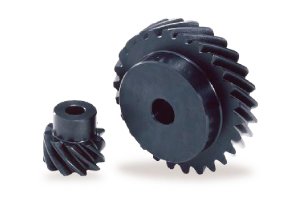
What are the potential challenges in designing and manufacturing screw gears?
Designing and manufacturing screw gears, also known as worm gears, can present several challenges that need to be addressed to ensure the successful production of high-quality gear systems. Here’s a detailed explanation of the potential challenges in designing and manufacturing screw gears:
- Complex Geometry: Screw gears have complex tooth profiles and geometry, which can pose challenges during the design and manufacturing processes. The design must consider factors such as the helix angle, lead angle, and tooth shape to ensure proper gear engagement and efficient power transmission. Manufacturing these intricate geometries accurately can be technically demanding.
- Manufacturing Tolerances: Achieving tight manufacturing tolerances is crucial for the proper functioning of screw gears. The gear components need to be precisely machined to ensure accurate tooth profiles, pitch, and concentricity. Maintaining these tight tolerances throughout the production process can be challenging, especially when working with materials that have dimensional variations or when scaling up production.
- Machining and Grinding: The machining and grinding processes involved in manufacturing screw gears require specialized equipment and expertise. The use of multi-axis CNC machines, gear hobbing, or grinding machines is often necessary to achieve the required tooth profiles and surface finishes. These processes can be time-consuming and costly, requiring skilled operators and careful process control to ensure accurate and repeatable results.
- Material Selection: Choosing the right materials for screw gears is critical to ensure durability, wear resistance, and efficient power transmission. Factors such as hardness, strength, and compatibility with lubricants must be considered. Selecting suitable materials that meet the specific application requirements can be challenging, particularly when balancing cost, performance, and manufacturing constraints.
- Lubrication and Heat Dissipation: Screw gears require proper lubrication to reduce friction, wear, and heat generation. Designing effective lubrication systems and ensuring proper lubricant selection and distribution can be challenging. Heat dissipation is also a concern, especially in high-speed or high-torque applications, as excessive heat can affect gear performance and longevity. Adequate cooling methods or heat dissipation strategies may need to be implemented.
- Backlash and Efficiency: Screw gears inherently exhibit some level of backlash due to the nature of their tooth engagement. Managing and minimizing backlash can be a challenge, as it affects the precision and accuracy of the gear system. Additionally, screw gears generally have lower mechanical efficiency compared to other gear types, which can be a concern in applications where efficiency is critical. Designing for improved efficiency and mitigating backlash can require careful consideration of gear parameters and materials.
- Noise and Vibration: Screw gears can generate noise and vibration during operation, which can be undesirable in many applications. Designing for reduced noise and vibration requires careful consideration of gear tooth profiles, surface finishes, and lubrication. Balancing gear parameters and implementing vibration-damping measures can help mitigate noise and vibration issues, but it can be a complex task that requires extensive testing and iterative design improvements.
- Cost and Manufacturing Scalability: Designing and manufacturing screw gears can be costly, especially when precision machining, specialized equipment, and skilled labor are involved. The cost of materials, heat treatment, and surface finishing processes can also contribute to the overall production cost. Additionally, scaling up production while maintaining consistent quality and meeting cost targets can pose challenges that require careful planning and optimization.
Addressing these challenges requires a combination of engineering expertise, advanced manufacturing techniques, and rigorous quality control. By carefully considering these factors during the design and manufacturing phases, it is possible to overcome the challenges and produce screw gears that meet the required performance, durability, and reliability standards.
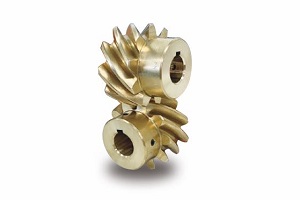
How do screw gears differ from other types of gears?
Screw gears, also known as worm gears, possess distinct characteristics that set them apart from other types of gears. Understanding these differences is essential for selecting the appropriate gear mechanism for a given application. Here is a detailed explanation of how screw gears differ from other types of gears:
- Gear Configuration: Screw gears consist of a worm (a cylindrical gear with a helical thread) and a worm wheel (a toothed wheel). In contrast, other types of gears, such as spur gears, bevel gears, or helical gears, have different geometric configurations and tooth arrangements.
- Helical Design: The helical design of screw gears is a defining characteristic. The worm has a helical thread wrapped around it, resembling a screw, while the teeth of the worm wheel are typically perpendicular to the helix angle. This helical arrangement allows for a sliding action between the worm and the worm wheel, resulting in specific operational characteristics.
- High Gear Ratio: Screw gears are known for providing high gear ratios, especially compared to other types of gears. The helical design allows for a large number of teeth to be engaged at any given time. This results in a higher gear reduction ratio, making screw gears suitable for applications where a significant reduction in rotational speed or an increase in torque is required.
- Self-Locking Capability: One of the unique features of screw gears is their self-locking capability. Due to the helical thread design, the friction between the worm and the worm wheel tends to hold the gear system in place when the worm is not rotating. This inherent self-locking property prevents the worm wheel from backdriving the worm, enabling the gear mechanism to hold a position without the need for external brakes or locking mechanisms.
- Sliding Motion: Screw gears operate with a sliding motion between the helical thread of the worm and the teeth of the worm wheel. This sliding action introduces more friction and heat generation compared to other types of gears, such as spur gears or bevel gears, which primarily operate with rolling motion. The sliding motion affects the efficiency and lubrication requirements of screw gears.
- Lower Efficiency: Screw gears generally have lower efficiency compared to other types of gears due to the sliding motion and increased friction. The sliding action between the worm and the worm wheel results in higher energy losses and heat generation, reducing the overall efficiency of the gear mechanism. Proper lubrication is crucial to minimize wear and improve efficiency in screw gears.
While screw gears have their unique advantages, such as high gear ratios and self-locking capabilities, they also have limitations, including lower efficiency and increased friction. Therefore, the selection of gear type should consider the specific requirements of the application, taking into account factors such as torque, speed, precision, efficiency, and the need for self-locking or high gear reduction ratios.


editor by CX 2024-03-30