China Standard Professional Customization Spur Gear Anti-Backlash Stainless Steel Worm Gear with Good quality
Product Description
Professional Customization Spur Gear Anti-Backlash Stainless Steel Worm Gear
Product Description
Pinions
CHINAMFG Gear invested in significant resources and achieved many innovations with pinions. The right combination of material, hardness and finishing between pinion and gear is crucial for a long lifetime of the installed equipment. We design and manufacture pinions to match every customers need, no matter how unique the situation might be.
Pinion design
bored
CHINAMFG on shaft / integral
self aligned
spur, helical or double helical
Materialization
forged alloyed steel
through hardened, case hardened or quenched and tempered
Spur, helical or double helical
carburized
induction
nitrided
Applications
Our pinions are applied in the cement and minerals industries:
Ball – mills
ROD – mills
Semi Autogeneous Grind (SAG)
Rotary kilns/coolers/dryers
Advantages
One Source
Original Equipment Manufacture (OEM) Technical Drawings
Gearing technical expertise for kilns and grinding mills
State of the art manufacturing facilities and quality
Global sales and service support
Rotary Kiln Girth Gears
We are leading supplier the Kiln Girth Gears for the various plants as listed below.
Sponge Iron Plants 50TPD 100TPD 300TPD350TPD,500TPD,1000TPD
Cement plants as per customer requirement
Gears for phosphate mines, Alumina plant, kaolin-bentonite
Gear Cutting Capacity:
100mm diameter to 16000mm diameter
10Module to 70Module
The Kiln girth gears are available mainly in bi-part, 4 parts, 8 parts or multi segments as per the requirement and suitability with the application of gear.
In the field of grinding mill components, We supply mill heads,feed inlet,grinding roller,cement kiln riding ring, casting gears, shaft block .Also we supply mill shell of welding structures and fabrications.
Quality assurance documents
The following reports are to be submitted to Quality Assurance:
a. Chemistry report
b. Physical report
c. Heat treatment documents
d. Ultrasonic inspection report (before and after repairs)
e. Magnetic particle inspection report (before and after repairs)
f. Dimensional report
g. Weld repair maps
h. Weld procedures and Procedure qualification record
i. Welder qualification
j. Nondestructive testing inspector qualification
Product Parameters
| Item | Structural features | Processing measure | Test content |
| Girth Gear | (1)GS42CrMo4Alloy Steel (corporate proprietary standards) HB 220~240 (2)semi-structured, Y-Spoke (3)Helical (4) reasonable sealing and alignment structure of alloy steel (corporate proprietary standards) |
(1) outer steel refining (R-H argon and vacuum treatment) (2) proprietary cold mold hanging sand technology to ensure the casting, the teeth dense (3) normalizing (proprietary technology) to ensure that the tooth surface hardness After (4)rough hobbing, release time, repair the joint surface, then fine roll (5) proprietary homemade hob fine hobbing |
(1)castings mechanical properties and chemical composition (internal standard) (2) roughing after sonic testing (3)semi-finishing, finishing after ultrasonic testing and magnetic particle inspection (4) tooth surface magnetic particle inspection, hardness test (5)tooth tolerance check (6) the factory assembly load test to check the accuracy of the size of gear |
The technical requirements of a large CHINAMFG Gear ring:
1) is pretreated before normalizing surface hardening treatment, the hardness should HB210 ~ 250; mechanical performance are the ultimate strength Rb \ 690MPa, yield stress Rs \ 490MPa, elongation D5 \ 11%, reduction of area W \ 25% , impact toughness Ak \ 30J; teeth induction hardened, hardness HRC50 ~ 55; effective hardened layer depth \ 3 ~ 5mm.
2) overall ultrasonic flaw detection, internal quality should meet 2 requirements GB7233-87 standard requirements; tooth and fillet magnetic particle inspection, quality should meet 2 requirements GB/T9444-88 standards.
3) Note the casting is not rounded R5 ~ R10.
4) Tooth chamfer at both ends and 1 45b.5) by 2 and a half ring gear tooth width of each ring coupling along the edge of a whole ring made with high strength bolts, combined with the tooth surface must be at the bottom center.
2 large ring gear manufacturing process
2.1 of rough
Steel casting blank is provided by CITIC Heavy Machinery Co., Ltd. Heavy Forging plant, run by GB11352-89 standard specifies requirements for modeling according to the casting process, smelting, casting, hit boxes, cleaning, dressing castings;. During inspection and acceptance by the drawings and Technical requirements for steel blank
Checks, according JB/T6402-92 standards issued after acceptance
Down procedure.
2.2 roughing
Crossed by drawing and stay out allowance, alignment, connection, processing both inside and outside the circle, combining face milling, drilling and other processes.
2.3 Exploration injury
Overall ultrasonic flaw detection, internal quality should meet the 2 requirements of GB7233-87 standards.
2.4 normalizing pretreatment
Semi-ring pairs normalizing and tempering treatment, provide a good organization for subsequent surface hardening; press drawings deformation of the half ring gear inspection after heat treatment.
2.5 Machining
First 2 and a half ring is made with high strength bolts connecting the ring as a whole, the overall process by drawing a circle Quannei Wai teeth and upper and lower end, and then drawing and machining milling process requirements.
2.6 Elimination of processing stress
The overall ring annealed to eliminate stress.
2.7 overall ring surface hardening
IF along the alveolar tooth surface induction hardening, hardness HRC50 ~ 55, effective hardened layer depth \ 3 ~ 5mm.
2.8 Final inspection
First, the detection frequency quenching, the hardness after tempering ring gear cogging meets the requirements of the drawings; secondly, to detect whether the maximum outer diameter larger size D6944 as the deformation \ 3mm, the mechanical correction required until qualified; Thirdly, tooth and fillet magnetic particle inspection, quality should meet 2 requirements GB/T9444-88 standard requirements; Finally, according to the drawings and technical requirements for final inspection.
Certifications
Company Profile
Our Advantages
FAQ
Q: Why we believe in HangZhou CHINAMFG industries co., ltd:
A: 1. More than 30 years experience.
2.We are the leading professional supplier of mining machinery, construction machinery, machines casting and forged parts.
3. All products achieved ISO9901:2000 quality management certificate and CE, ROHS certificates.
Q:Delivery time:
A: Parts lead time 1-2months, machines 2-3months.
Q:Payment terms:
A: Accept payment type: T/T, L/C, Western union,Cash.
30% deposit when signed contract. Full payment paid before shipping.
Q: Quality warranty?
A: Guarantee time: 1 year for main machinery. If something wrong we will provide the technical advice and find solution immediately. For those wearing parts we guarantee high quality parts for long-term supply.
Q: After sales service?
A: We can supply technical guide for machines running test and parts maintenance if end user needs.
After Sales Service
ZTIC Heavy Industries is your business partner in the After Market.
ZTIC able to provide:
1. ENGINEERED SPARES – DESIGN AND MANUFACTURING
2. LARGE VOLUME STEEL AND IRON CASTING FOUNDARIES
3. HUGE MACHINE SHOP CAPABILITIES
4. TRAINING PROGRAMMES
5. PREVENTATIVE MAINTENANCE PROGRAMS
6. PREVETATIVE MAINTENANCE SERVICES
7. COMPREHENSIVE MAINTENANCE PROGRAMS
TIC’s Field Service Engineers are trained specifically in the CITIC brand group products but are capable of undertaking the servicing of other OEM brands.
Our technicians are equipped with the most advanced technological diagnostic equipment available to trouble shoot your equipment to optimise performance and minimise down time.
ZTIC also has an extensive capability in supplying all you consumable and electrical/ mechanical spare part needs.
/* January 22, 2571 19:08:37 */!function(){function s(e,r){var a,o={};try{e&&e.split(“,”).forEach(function(e,t){e&&(a=e.match(/(.*?):(.*)$/))&&1
| After-sales Service: | Twenty Four Hour Online |
|---|---|
| Warranty: | One Year |
| Weight: | Max 120 Mt Single Piece |
| Module Range: | 10 Module to 70 Module |
| Certificate: | ISO 9001:2008 |
| Gear Cutting Machines: | 16m CNC Hobbing Machine |
| Customization: |
Available
| Customized Request |
|---|
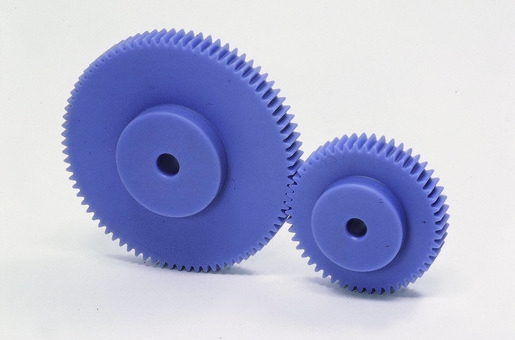
Can plastic gears withstand high torque and load conditions?
Plastic gears have certain limitations when it comes to withstanding high torque and load conditions. Here’s a detailed explanation of their capabilities:
Plastic gears can be designed and manufactured to handle a range of torque and load conditions, but their performance is generally inferior to that of metal gears in high-stress applications. The specific capabilities of plastic gears depend on various factors, including the chosen plastic material, gear design, tooth profile, and operating conditions.
While plastic gears may not be suitable for extremely high torque or heavy-load applications, they can still provide reliable performance in many moderate-load scenarios. Plastic gears are commonly used in applications with light to moderate loads, where their unique properties and advantages outweigh their limitations.
Some plastic materials, such as acetal (POM) and polyamide (nylon), offer good strength and wear resistance, allowing them to handle moderate torque and load conditions. These materials can be reinforced with additives or fillers to enhance their mechanical properties and increase their load-bearing capacity.
It’s important to note that when designing with plastic gears, engineers must carefully consider factors such as gear size, tooth geometry, material selection, and operating conditions. Reinforcement techniques, such as using metal inserts or reinforcing fibers, may be employed to improve the strength and load-bearing capabilities of plastic gears in certain applications.
In high torque or heavy-load applications, metal gears, particularly those made from steel or other high-strength alloys, are generally preferred due to their superior strength and durability. Metal gears offer higher load capacities, better resistance to deformation, and increased resistance to wear under extreme conditions.
Ultimately, the suitability of plastic gears for high torque and load conditions depends on the specific requirements of the application and the trade-off between the benefits of plastic gears, such as weight reduction and noise reduction, and the higher load-bearing capabilities of metal gears.
It’s recommended to consult with gear manufacturers or mechanical engineers to determine the most appropriate gear material and design for a particular application, especially when high torque and load conditions are expected.
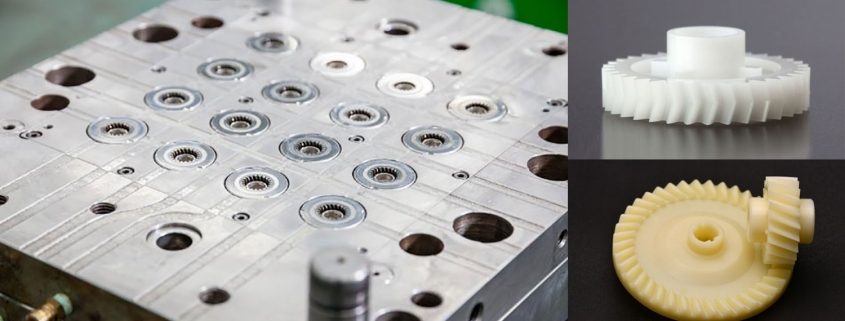
Are there specific design considerations for using plastic gears?
Yes, there are specific design considerations that need to be taken into account when using plastic gears. Here’s a detailed explanation of these considerations:
1. Material Selection: Choosing the right plastic material for the gear application is crucial. Different plastic materials have varying mechanical properties, such as strength, stiffness, and wear resistance. Consider factors such as load-bearing requirements, operating temperatures, environmental conditions, and compatibility with lubricants. It’s important to select a plastic material that can withstand the specific demands of the application.
2. Gear Geometry: The design of plastic gears should consider factors such as tooth profile, module or pitch, pressure angle, and tooth thickness. The gear geometry should be optimized to ensure proper meshing, efficient power transmission, and minimal noise and vibration. The design should also take into account the limitations and capabilities of the plastic material, such as its ability to form precise tooth profiles and maintain dimensional stability.
3. Clearances and Tolerances: Plastic gears may require different clearances and tolerances compared to metal gears. The coefficient of thermal expansion, dimensional stability, and manufacturing processes of plastic materials can affect the gear clearances. It’s important to consider the thermal expansion characteristics of the specific plastic material and provide appropriate clearances to accommodate temperature variations. Tight tolerances may result in binding or increased friction, while excessive clearances can lead to backlash and reduced gear accuracy.
4. Load Distribution: Distributing the load evenly across the gear teeth is essential for preventing premature wear and failure. Consider gear design elements such as tooth profile, tooth width, and the number of teeth to optimize load distribution. Reinforcing the gear teeth with fillets or other strengthening features can help improve load-bearing capacity and reduce stress concentrations.
5. Stiffness and Deflection: Plastic gears generally have lower stiffness compared to metal gears. The design should consider the potential for deflection or deformation under load. It may be necessary to increase the gear size, modify the tooth geometry, or incorporate additional support structures to enhance stiffness and minimize deflection. Analytical tools and simulations can be employed to assess and optimize gear design for stiffness and deflection.
6. Lubrication and Wear: Proper lubrication is important for the performance and durability of plastic gears. Consider the lubrication requirements of the specific plastic material and design features that facilitate effective lubricant distribution. Pay attention to potential wear mechanisms, such as adhesive wear or abrasive wear, and incorporate measures to minimize wear, such as optimized tooth profiles, lubricant selection, and sealing mechanisms.
7. Environmental Factors: Plastic gears may be subjected to various environmental factors such as temperature extremes, humidity, chemicals, and UV exposure. Evaluate the potential impact of these factors on the gear material and design. Select plastic materials that offer resistance to environmental degradation and consider protective measures, such as coatings or encapsulation, to enhance the gear’s resistance to environmental conditions.
8. Manufacturability: Consider the manufacturability of plastic gears during the design phase. Different plastic materials may have specific requirements or limitations for manufacturing processes such as injection molding or machining. Design features that facilitate efficient and cost-effective production, such as draft angles, parting lines, and tooling considerations, should be taken into account.
By considering these specific design considerations, such as material selection, gear geometry, clearances, load distribution, stiffness, lubrication, environmental factors, and manufacturability, it’s possible to optimize the design and performance of plastic gears for various applications.
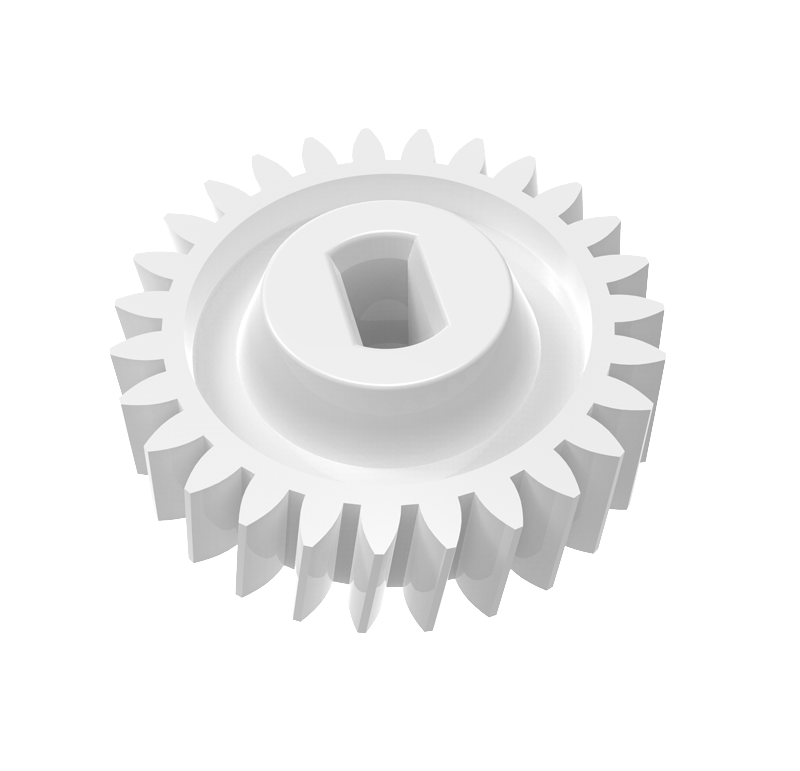
Are there different types of plastic materials used for making gears?
Yes, there are different types of plastic materials used for making gears. Here’s a detailed explanation of some commonly used plastic materials in gear manufacturing:
- Acetal (Polyoxymethylene – POM): Acetal is a popular choice for gear applications due to its excellent strength, dimensional stability, low friction, and wear resistance. It has good machinability and can be easily molded into gears with precise tooth profiles. Acetal gears offer low noise operation and have good resistance to moisture and chemicals. They are commonly used in automotive, consumer electronics, and industrial applications.
- Polyamide (Nylon): Polyamide or nylon is another widely used plastic material for gears. It offers good mechanical properties, including high strength, toughness, and impact resistance. Nylon gears have low friction characteristics, good wear resistance, and self-lubricating properties. They are commonly used in applications such as automotive components, power tools, and industrial machinery.
- Polyethylene (PE): Polyethylene is a versatile plastic material that can be used for gear applications. It offers good chemical resistance, low friction, and excellent electrical insulation properties. While polyethylene gears may have lower strength compared to other plastic materials, they are suitable for low-load and low-speed applications, such as in light-duty machinery, toys, and household appliances.
- Polypropylene (PP): Polypropylene is a lightweight and cost-effective plastic material that finds applications in gear manufacturing. It offers good chemical resistance, low friction, and low moisture absorption. Polypropylene gears are commonly used in various industries, including automotive, consumer electronics, and household appliances.
- Polycarbonate (PC): Polycarbonate is a durable and impact-resistant plastic material used for gears that require high strength and toughness. It offers excellent dimensional stability, transparency, and good resistance to heat and chemicals. Polycarbonate gears are commonly used in applications such as automotive components, electrical equipment, and machinery.
- Polyphenylene Sulfide (PPS): Polyphenylene sulfide is a high-performance plastic material known for its excellent mechanical properties, including high strength, stiffness, and heat resistance. PPS gears offer low friction, good wear resistance, and dimensional stability. They are commonly used in demanding applications such as automotive transmissions, industrial machinery, and aerospace equipment.
These are just a few examples of the plastic materials used for making gears. The choice of plastic material depends on the specific requirements of the gear application, including load capacity, operating conditions, temperature range, chemical exposure, and cost considerations. It’s important to select a plastic material that offers the necessary combination of mechanical properties and performance characteristics for optimal gear performance.


editor by CX 2024-04-04