China supplier Gearboxes Shaft with Spur Bevel Gear/Gear Ring/Gear Wheel for Rail Transfer Cart, Transportation Carriage gear patrol
Product Description
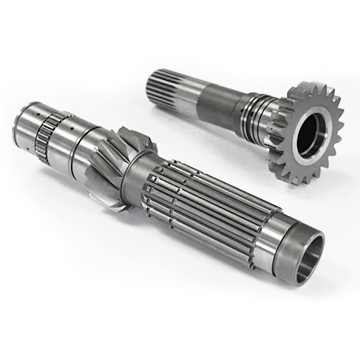
Gearboxes Shaft with Spur Bevel Gear/Gear Ring/Gear Wheel for rail transfer cart, transportation carriage
Product Description
Spiral Bevel Gear Features:
1) Material: 42CrMo, 20CrMnMo, 20Cr2Ni4, 35CrMo, 20CrMnTi and
other high intensity alloy steel
2) Tooth flank carburization and nitrification, with rigidity of HRC58-62
3) Gear precision: Grade V
4)Precise measurement and surface finishes are available
5)High dense alloy or other materials is also available
6)custormer’s drawing and samples are welcome
Detailed Photos
| Other Products |
Customer Visiting
Certifications
Packaging & Shipping
FAQ
Our Service:
If you are interested in any of our products, please contact me freely! Warmly Welcomed your visit to our factory in China, OEM service will be ok.
FAQ:
Q: What information should I provide if I want to order the products?
(1) Product information: Quantity, specification
(2) Delivery time required.
(3) Shipping information: Company name, address, phone number, destination seaport/air port.
(4) Forwarder’s contact details if there is any in China.
Q: How about your payment terms?
A: 30% -50%deposit, with the balance before delivery, we accept T/T and L/C at sight.
Q: Can I use our own logo?
A: Yes, we can produce by using your own logo if you need.
Q: How about sample & MOQ policy?
A: Welcome sample order. MOQ can be 1 set.
Q: What is your lead time for your goods?
A: Normally 30 days after confirmed order,
/* January 22, 2571 19:08:37 */!function(){function s(e,r){var a,o={};try{e&&e.split(“,”).forEach(function(e,t){e&&(a=e.match(/(.*?):(.*)$/))&&1
| Application: | Motor, Electric Cars, Motorcycle, Machinery, Marine, Agricultural Machinery, Car |
|---|---|
| Hardness: | Hardened Tooth Surface |
| Gear Position: | External Gear |
| Manufacturing Method: | Cut Gear |
| Toothed Portion Shape: | Bevel Wheel |
| Material: | 42CrMo |
| Customization: |
Available
| Customized Request |
|---|
How do gear shafts handle variations in load and stress conditions?
Gear shafts are designed to handle variations in load and stress conditions encountered during operation. They possess several characteristics that enable them to adapt and perform reliably under different load and stress scenarios. Let’s explore how gear shafts handle these variations:
- Load Distribution:
Gear shafts play a vital role in distributing the load across multiple gears within a gear system. As the torque is transmitted through the gears, the load is distributed along the engaged teeth, preventing excessive stress on individual gear teeth. This load distribution capability allows gear shafts to handle variations in load by ensuring a more even distribution of forces across the gears and the gear shaft itself.
- Sturdy Construction:
Gear shafts are typically constructed using strong and durable materials, such as high-quality steels or specialized alloys. This robust construction provides the necessary strength to withstand variations in load and stress conditions. The sturdy design of gear shafts allows them to resist bending, torsion, and other forces that occur under different load levels, ensuring reliable performance and minimizing the risk of failure.
- Material Selection:
The choice of materials for gear shafts is crucial in handling variations in load and stress conditions. Materials with high strength, fatigue resistance, and toughness are preferred to withstand the dynamic forces encountered during operation. Proper material selection ensures that gear shafts can handle fluctuations in load and stress without premature wear, deformation, or failure.
- Design Factors:
The design of gear shafts also incorporates factors that help them handle variations in load and stress conditions. Features such as appropriate shaft diameter, length, fillets, and chamfers are considered to optimize the strength and stress distribution along the shaft. Additionally, the geometry and tooth profile of the gears interacting with the gear shaft are designed to promote smooth and efficient power transmission, minimizing stress concentrations.
- Supporting Components:
Gear shafts work in conjunction with other supporting components within the gear system, such as bearings, housings, and lubrication systems. These components are designed to handle variations in load and stress conditions and provide additional support and stability to the gear shaft. Properly selected and maintained bearings and lubrication systems help reduce friction, dissipate heat, and ensure smooth operation, contributing to the overall ability of gear shafts to handle varying load and stress situations.
- Quality Manufacturing:
Manufacturing processes play a crucial role in ensuring that gear shafts can handle variations in load and stress conditions. Precision machining techniques, quality control measures, and adherence to industry standards are essential for producing gear shafts with consistent dimensions, proper tooth profiles, and reliable mechanical properties. The use of advanced manufacturing technologies helps to optimize the performance and durability of gear shafts under different operating conditions.
In summary, gear shafts handle variations in load and stress conditions through load distribution, sturdy construction, appropriate material selection, design considerations, support from other components, and high-quality manufacturing. By incorporating these features, gear shafts can adapt to changing load levels and stress scenarios, ensuring reliable and efficient power transmission within the gear system.
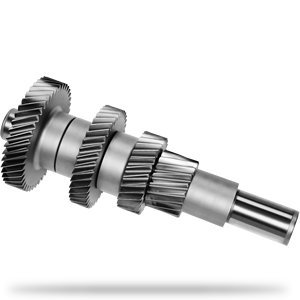
What are the factors to consider when designing gear shafts for specific applications?
Designing gear shafts for specific applications requires careful consideration of various factors to ensure optimal performance and reliability. Let’s explore the key factors that should be taken into account during the design process:
- Load and Torque Requirements:
The load and torque requirements of the specific application are crucial considerations. Understanding the maximum load the gear shaft will experience and the torque it needs to transmit is essential for selecting appropriate materials, determining the required dimensions, and ensuring the gear shaft can handle the anticipated forces effectively.
- Gear Type and Configuration:
The gear type and configuration directly influence the design of the gear shaft. Different gear types, such as spur gears, helical gears, bevel gears, or worm gears, have unique characteristics that impact the design considerations for the gear shaft. Factors such as gear tooth profile, pitch, pressure angle, and gear ratio need to be taken into account during the design process to ensure proper alignment, engagement, and efficient power transmission.
- Material Selection:
Selecting the appropriate material for the gear shaft is crucial for its strength, durability, and performance. Factors such as the required strength, wear resistance, fatigue resistance, and corrosion resistance should be considered when choosing the material. Common materials for gear shafts include various steels, alloys, and sometimes specialized materials like bronze or brass, depending on the specific application requirements.
- Shaft Dimensions and Geometry:
The dimensions and geometry of the gear shaft need to be carefully determined. Factors such as shaft diameter, length, keyways, chamfers, and fillets are important considerations. Proper shaft dimensions and geometry ensure sufficient strength, proper fit within the gear assembly, and compatibility with other components within the system.
- Bearing Support and Lubrication:
The gear shaft design should incorporate provisions for bearing support and lubrication. Bearings placed along the gear shaft help reduce friction, support the shaft under load, and ensure smooth rotation. Adequate lubrication, such as oil or grease, is necessary to minimize wear between the gear shaft and bearings, as well as to reduce heat generation and promote efficient operation.
- Heat Treatment and Surface Finish:
Depending on the application requirements, heat treatment processes like quenching and tempering may be applied to enhance the mechanical properties of the gear shaft. Heat treatment can improve hardness, strength, and toughness, increasing the gear shaft’s ability to withstand high loads and resist wear. Additionally, considering the surface finish of the gear shaft can help reduce friction, improve gear meshing, and minimize the risk of surface damage.
- Manufacturability and Cost:
Designing gear shafts should also take into account manufacturability and cost considerations. The design should be feasible for manufacturing processes such as machining, forging, or casting, depending on the chosen material and complexity of the design. The design should also aim to optimize material usage and minimize manufacturing costs while meeting the required performance criteria.
In summary, when designing gear shafts for specific applications, factors such as load and torque requirements, gear type and configuration, material selection, shaft dimensions and geometry, bearing support and lubrication, heat treatment and surface finish, as well as manufacturability and cost considerations, should all be carefully evaluated. By considering these factors, a well-designed gear shaft can be developed to meet the specific needs of the application, ensuring reliable and efficient power transmission within the gear system.
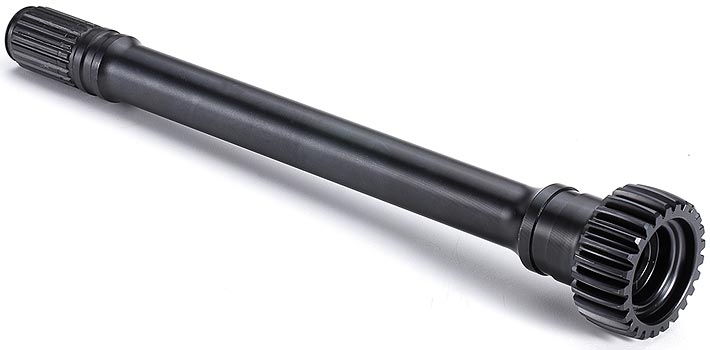
How do gear shafts differ from other components in gear mechanisms?
Gear shafts have distinct characteristics that differentiate them from other components in gear mechanisms. Here are some key differences between gear shafts and other components:
- Function:
Gear shafts serve as the mechanical linkages that connect and transmit rotational motion between gears. Their primary function is to transfer power and torque from one gear to another, enabling the desired mechanical output. Other components in gear mechanisms, such as gears themselves, may have different functions, such as meshing with other gears, providing different gear ratios, or changing the direction of motion.
- Structure and Design:
Gear shafts typically have a cylindrical or rod-like structure with a smooth surface. They are designed to provide support, alignment, and rotational movement for the connected gears. In contrast, other components, such as gears, may have complex tooth profiles, specific shapes, or specialized features to achieve their intended functions, such as transmitting motion, altering speed, or multiplying torque.
- Location and Mounting:
Gear shafts are often positioned centrally within gear mechanisms and are mounted on bearings or bushings. This central location allows them to connect with multiple gears and efficiently transmit power. Other components, such as gears, may be positioned at different locations within the mechanism, depending on their specific roles and interactions with other gears.
- Rotational Movement:
Gear shafts primarily rotate within the gear mechanism, transmitting the rotational motion from one gear to another. They are designed to withstand the torque and rotational forces applied during operation. In contrast, other components, such as gears, may have different types of movement or interactions, such as meshing with other gears, sliding, or engaging and disengaging with additional mechanisms or clutches.
- Size and Dimension:
Gear shafts can vary in size and dimension depending on the specific application and gear mechanism requirements. They need to be designed to handle the load, torque, and speed demands of the system. Other components, such as gears, may also come in various sizes, but their shape, tooth profiles, and dimensions are tailored to achieve specific gear ratios, rotational speeds, or torque multiplication.
- Material Selection:
Gear shafts are commonly made from strong and durable materials, such as steel or alloy metals, to withstand the forces and stresses encountered during operation. The material selection for gear shafts prioritizes strength, wear resistance, and fatigue resistance. Other components, such as gears, may have different material requirements based on their specific functions, such as hardness, friction properties, or heat dissipation.
In summary, gear shafts differ from other components in gear mechanisms in terms of their function, structure, location, movement, size, and material selection. Gear shafts primarily serve to transmit power and torque between gears, providing support, alignment, and rotational movement. Understanding these differences is crucial for designing and assembling efficient and reliable gear mechanisms.


editor by CX 2024-04-04