China Professional OEM Wear-Resisting CZPT Teering Transmission Device CZPT Wheel Gears wholesaler
Product Description
Product Parameters
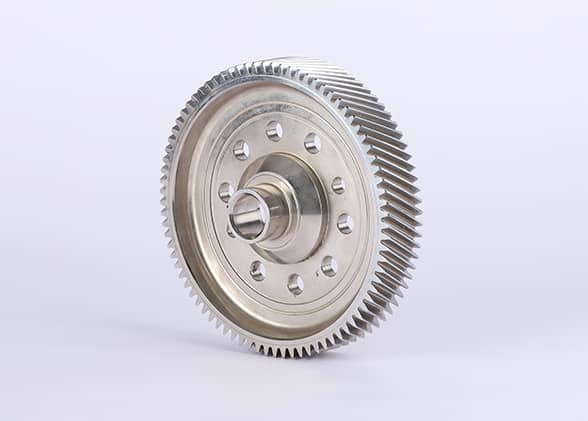
PRODUCT NAME: Rear Axle Drive Pinion and Gear
| NO. | APPLICABLE VEHICLE | GEAR RATIO | PART NO. | REFERENCE WEIGHT(KG) | |||
| 1 | MITSUBISHI 4D30 | 6/37 | MB005252 | 12.4 | |||
| 2 | MITSUBISHI 4D41 | 7/37 | MB161193 | ||||
| 3 | MITSUBISHI 4D32 | 6/37 | |||||
| 4 | MITSUBISHI 4D34 | 6/37 | MC835191 | 14 | |||
| 5 | MITSUBISHI L300F | 7/37 | MB57164 | 4.18 | |||
| 6 | MITSUBISHI L300P | 7/37 | MB185457 | 4 | |||
| 7 | MITSUBISHI L300D | 7/37 | MB241981 | 6.3 | |||
| 8 | MITSUBISHI 8DC9 | 6/40 | |||||
| 9 | MITSUBISHI 6D22 | 6/45 | 34.50 | ||||
| 10 | MITSUBISHI 6D15 | 6/40 | 29 | ||||
| 11 | TOYOTA 14B | 6/39 | 41201-37499 | 11.4 | |||
| 12 | TOYOTA 2400 | 9/41 | 5 | ||||
| 13 | TOYOTA CHINAMFG HT | 7/45 | 18.8 | ||||
| 14 | TOYOTA LAND CRUISER | 9/37 | 7 | ||||
| 15 | TOYOTA COASTER | 7/39 | 8.60 | ||||
| 16 | isu TXD40 | 6/39 | 41211-080 | 19.50 | |||
| 17 | isu TXD50 | 7/39 | 41211-081 | 19 | |||
| 18 | isu BF-40 | 6/39 | 41210-149 | 20 | |||
| 19 | isu NKR | 6/41 | 16 | ||||
| 20 | isu NPR | 7/41 | 10.20 | ||||
| 21 | isu 10PC1 | 6/41 | 34.50 | ||||
| 22 | HINO | 7/46 | 41201-1080 | 24.40 | |||
| 23 | HINO KR | 7/46 | 24.50 | ||||
| 24 | HINO AKBUS/FF | 7/43 | 24.50 | ||||
| 25 | HINO J08C | 7/45 | 35.00 | ||||
| 26 | BEDFORD J6-330 | 6/35 | 7078107 | 14.40 | |||
| 27 | BEDFORD J5-330 | 5/34 | 7167277 | 15.50 | |||
| 28 | BEDFORD | 6/35 | 7167278 | 14.80 | |||
| 29 | BEDFORD | 7/37 | 7165710 | 14.50 | |||
| 30 | BEDFORD | 6/35 | 9157101 | 21.50 | |||
| 31 | BEDFORD | 6/35 | 716571 | 14.20 | |||
| 32 | U.S.A TRACTOR P7102 | 7/43 | |||||
| 33 | U.S.A TRACTOR P7112 | 7/47 | |||||
| 34 | FORD 6600 C5NN-4610E | 7/37 | 1839118/127 | 13.50 | |||
| 35 | FORD 5000 DONN-4610B | 6/37 | 3571152/136 | 14.20 | |||
| 36 | TRACTOR MF-240 | 6/37 | 15.20 | ||||
| 37 | TRACTOR MF-135 | 6/37 | 14.60 | ||||
| 38 | TRACTOR MF-265 | 11/38 | |||||
| 39 | FAIT | 12/47 | 7.40 | ||||
| 40 | FAIT | 14/47 | 7.60 | ||||
| 41 | MAZDA/W015 | 7/46 | 9.70 | ||||
| 42 | SUZUKI ST90 | 7/36 | 2.20 | ||||
| 43 | SUZUKI GAZ | 8/41 | 7.60 | ||||
Features
1.Competitive and reasonable price
2.Long lasting and reliable working life time
3.Premium quality standard guaranteed
4.Standard packing or according customers’ specification required.
5.Short production cycle
6.Quickly delivery and wide varieties
7.Large stock,quick shipment
8.Short production cycle,large stock,quick shipment
9.Able to produce according customers’ specification with technical drawing and sample.
10. Material: carbon steel such as C45, 20CrMnTi, 40Cr, 42CrMo or stainless steel or copper or nylon etc.
Our Advantages
ADVANCED EQUIPMENT
America Gleason CHINAMFG Bevel Gear Cutting Machine
America A Group of Gleason
Germany Ipsen Gas-tight Multi-purpose Chamber Furnace
Germany Zeiss Three-coordinate Measuring Machine
America Gleason Bevel Gear Cutting Machine
America Gleason Bevel Gear Lapping Machine
America Gleason Bevel Gear Roll Testing Machine
We can supply more than 2 hundred type of Spiral Taper Gear and pinion which are sold well in both domestic and abroad markets for automobile,tractor,engineering and construction machinery, coal mine machinery,chemical and petroleum machinery.
1.Supply for OEM
2.High quality and reasonable price
3.Material 20Cr MnTi
4.We have quality control system to guarantee best product quality
5.We have professional inspectors.All these inspectors are qualified.
Certifications
/* January 22, 2571 19:08:37 */!function(){function s(e,r){var a,o={};try{e&&e.split(“,”).forEach(function(e,t){e&&(a=e.match(/(.*?):(.*)$/))&&1
| After-sales Service: | 12 Months |
|---|---|
| Warranty: | 12 Months |
| Type: | Diesel&Gasoline |
| Material: | Steel |
| Certification: | ISO, GB |
| Automatic: | Automatic |
| Samples: |
US$ 50/Piece
1 Piece(Min.Order) | |
|---|
| Customization: |
Available
| Customized Request |
|---|
What are the safety considerations when working with crown gear systems?
Working with crown gear systems requires attention to safety to prevent accidents and ensure the well-being of individuals involved. Here are some important safety considerations when working with crown gear systems:
- Training and Knowledge:
Ensure that individuals working with crown gear systems have received proper training and possess the necessary knowledge and expertise. They should understand the gear system’s operation, potential hazards, safety protocols, and emergency procedures. Adequate training helps minimize the risk of accidents and promotes safe working practices.
- Protective Equipment:
Provide appropriate personal protective equipment (PPE) to individuals working with crown gear systems. This may include safety glasses, gloves, ear protection, and any other necessary equipment based on the specific hazards associated with the system. PPE helps safeguard against potential injuries from flying debris, noise, or contact with moving parts.
- Machine Guarding:
Ensure that crown gear systems are properly guarded to prevent accidental contact with the moving gears. Install protective barriers, covers, or interlocking mechanisms to restrict access to hazardous areas. Machine guarding helps prevent injuries and keeps personnel safe from potential pinch points, entanglement, or crushing hazards.
- Lockout/Tagout Procedures:
Follow lockout/tagout procedures when performing maintenance or repair tasks on crown gear systems. Lockout/tagout involves isolating the equipment from its power source and affixing lockout/tagout devices to prevent unintended energization. This procedure protects workers from the unexpected startup of machinery and ensures their safety during maintenance activities.
- Routine Inspections:
Regularly inspect the crown gear system for any signs of wear, damage, or abnormalities. Look for loose or missing bolts, excessive vibrations, unusual noise, or leaks. Detecting and addressing potential issues through routine inspections helps prevent accidents and maintain the safe functioning of the gear system.
- Proper Lifting and Handling:
When moving or lifting crown gear components, adhere to proper lifting techniques and use appropriate lifting equipment. Crown gears can be heavy, and incorrect lifting or handling can lead to strains, sprains, or dropped objects. Follow ergonomic guidelines and use mechanical aids such as cranes, hoists, or lifting slings to ensure safe lifting practices.
- Emergency Preparedness:
Establish emergency preparedness protocols specific to crown gear systems. This includes clear communication channels, knowledge of emergency shutdown procedures, and access to first aid supplies. Train personnel on how to respond to emergencies, such as gear system malfunctions, injuries, or unexpected incidents.
Promoting a safety-conscious culture, providing ongoing safety training, and ensuring the implementation of appropriate safety measures are critical when working with crown gear systems. It is important to adhere to local safety regulations, follow manufacturer guidelines, and prioritize the well-being of individuals involved in operating, maintaining, or repairing crown gear systems.
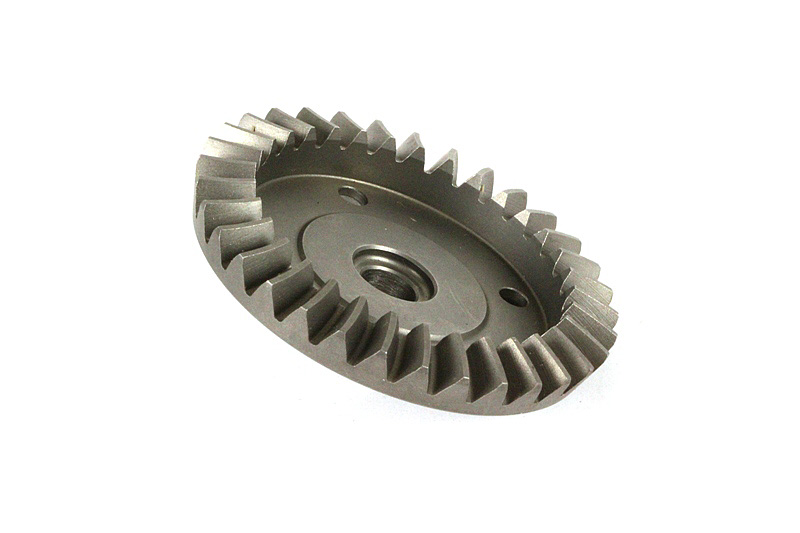
Can crown gears be used in high-torque applications?
Crown gears can indeed be used in high-torque applications, thanks to their unique design and capabilities. Let’s explore the factors that make crown gears suitable for high-torque applications:
- Large Contact Area:
Crown gears have a relatively larger contact area compared to other gear types. This increased contact area allows for better load distribution and can handle higher torque loads. The larger contact area spreads the torque across more teeth, reducing stress concentrations and minimizing the risk of tooth failure under high-torque conditions.
- Perpendicular Tooth Orientation:
The perpendicular tooth orientation of crown gears enhances their ability to withstand high-torque applications. When the gear meshes with another gear, the perpendicular alignment allows for a greater number of teeth in contact, distributing the torque load over a larger area. This perpendicular tooth arrangement helps to minimize tooth deflection and tooth-to-tooth interference, improving the gear’s ability to handle high torque loads.
- Strength and Durability:
Crown gears are typically manufactured using materials with high strength and durability, such as hardened steel or alloy steels. These materials provide the necessary mechanical properties to withstand high torque loads without deformation or failure. By selecting appropriate materials and employing suitable heat treatment processes, crown gears can withstand the demanding conditions of high-torque applications.
- Load Sharing in Gear Systems:
In high-torque applications, it is common to use multiple gears to distribute the torque load and reduce the stress on individual gears. Crown gears play a role in load sharing within the gear system, distributing the torque load between multiple gears. This load sharing capability allows each gear to handle a fraction of the total torque, reducing the torque load on each individual crown gear and enhancing their ability to operate in high-torque conditions.
- Optimized Tooth Profile:
The tooth profile of crown gears can be optimized for high-torque applications. Engineers can design crown gears with appropriate tooth profiles, such as modified involute profiles or special tooth forms, to enhance their load-carrying capacity and minimize tooth stress under high-torque conditions. These optimized tooth profiles help to improve the gear’s performance and reliability in high-torque applications.
In summary, crown gears can be successfully used in high-torque applications due to their large contact area, perpendicular tooth orientation, strength and durability, load-sharing capabilities, and the ability to optimize tooth profiles. These features make crown gears capable of handling the demanding torque loads encountered in various industries, including heavy machinery, automotive applications, industrial equipment, and more.
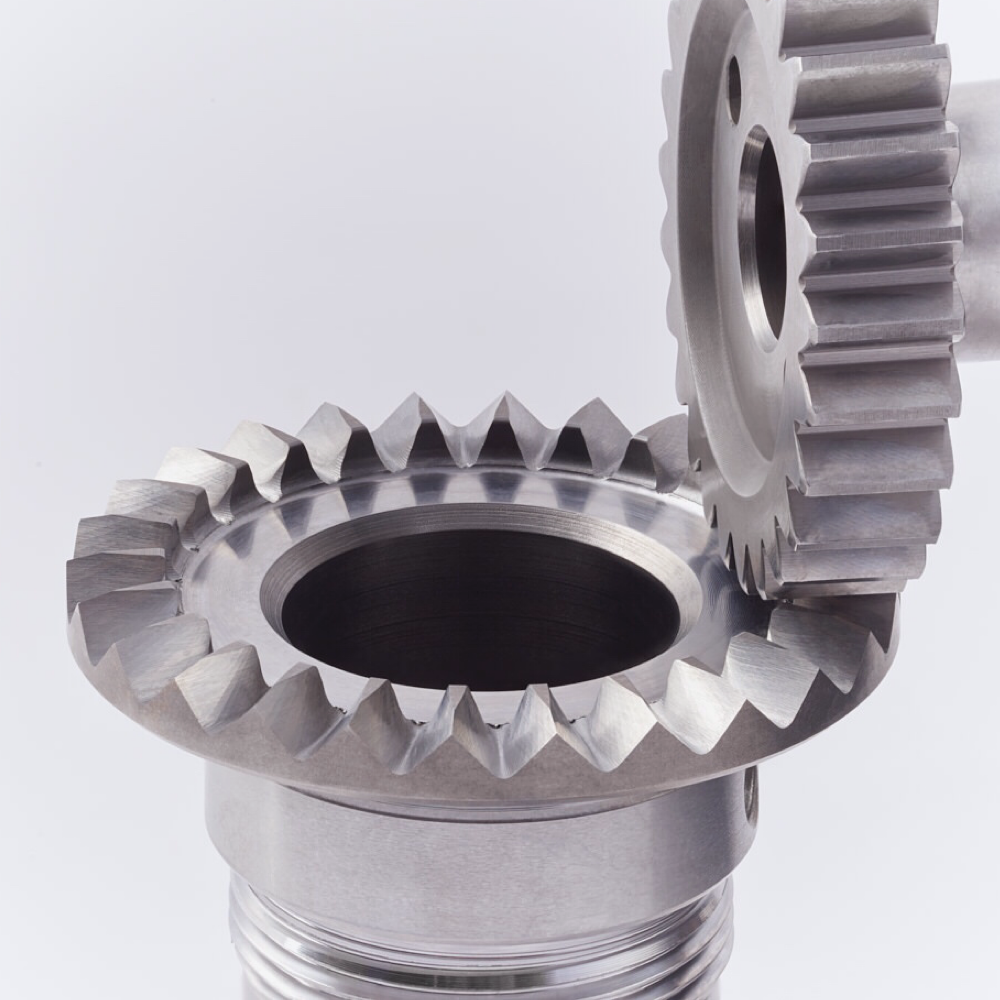
How does a crown gear differ from other types of gears?
A crown gear, also known as a contrate gear or a contrate wheel, has distinct characteristics that set it apart from other types of gears. Let’s explore the key differences between a crown gear and other gears:
- Tooth Orientation:
One of the primary differences is the tooth orientation. In a crown gear, the teeth are positioned perpendicular to the gear’s face. This is in contrast to other gears, such as spur gears or bevel gears, where the teeth are parallel or at an angle to the gear’s axis. The perpendicular tooth arrangement of a crown gear allows for specific functionalities in mechanical systems.
- Directional Change:
A significant advantage of crown gears is their ability to change the direction of rotation in a mechanical system. By meshing with other gears, crown gears can redirect rotational motion by 90 degrees. This directional change capability is particularly useful in applications where a change in motion direction is required, such as conveyors, cranes, and other machinery.
- Meshing with Different Gear Types:
Crown gears can mesh with gears that have parallel axes or bevel gears with intersecting axes. This versatility allows crown gears to work in conjunction with other gear types, enabling torque and rotational motion transfer between them. The perpendicular tooth orientation of crown gears facilitates smooth meshing with these different gear configurations.
- Force Distribution:
Another distinguishing feature of crown gears is their ability to distribute forces and torques in mechanical systems. By meshing a crown gear with other gears, the load can be spread across a larger contact area. This distribution of forces helps reduce stress and wear on individual gear teeth, promoting smoother operation and improved durability of the gear system.
- Applications:
Crown gears find applications in various industries due to their unique characteristics. They are commonly used in steering mechanisms, such as rack and pinion systems in automotive applications, where the crown gear meshes with a rack to convert rotational motion into linear motion for precise steering control. Crown gears are also employed in automation and robotics for motion control mechanisms, enabling changes in motion direction and force distribution in robotic arms, gantry systems, and other automated equipment.
In summary, a crown gear differs from other types of gears primarily in its tooth orientation, ability to change motion direction, versatility in meshing with different gear types, and force distribution capabilities. These distinctions make crown gears suitable for specific applications where directional change, force distribution, and precise motion control are required.


editor by CX 2024-04-09